Good Things Come To Those Who Bait.

F/11.0, 1/500, ISO 125.

Osprey

In class:

Math Teacher: “If I have 5 bottles in one hand and 6 in the other hand, what do I have?”

Student: “A drinking problem.”

Interesting Fact: Osprey eggs do not hatch all at once. Rather, the first chick emerges up to five days before the last one. The older hatchling dominates its younger siblings, and can monopolize the food brought by the parents. If food is abundant, chicks share meals in relative harmony; in times of scarcity, younger ones may starve to death. ( https://www.allaboutbirds.org/guide/Osprey )
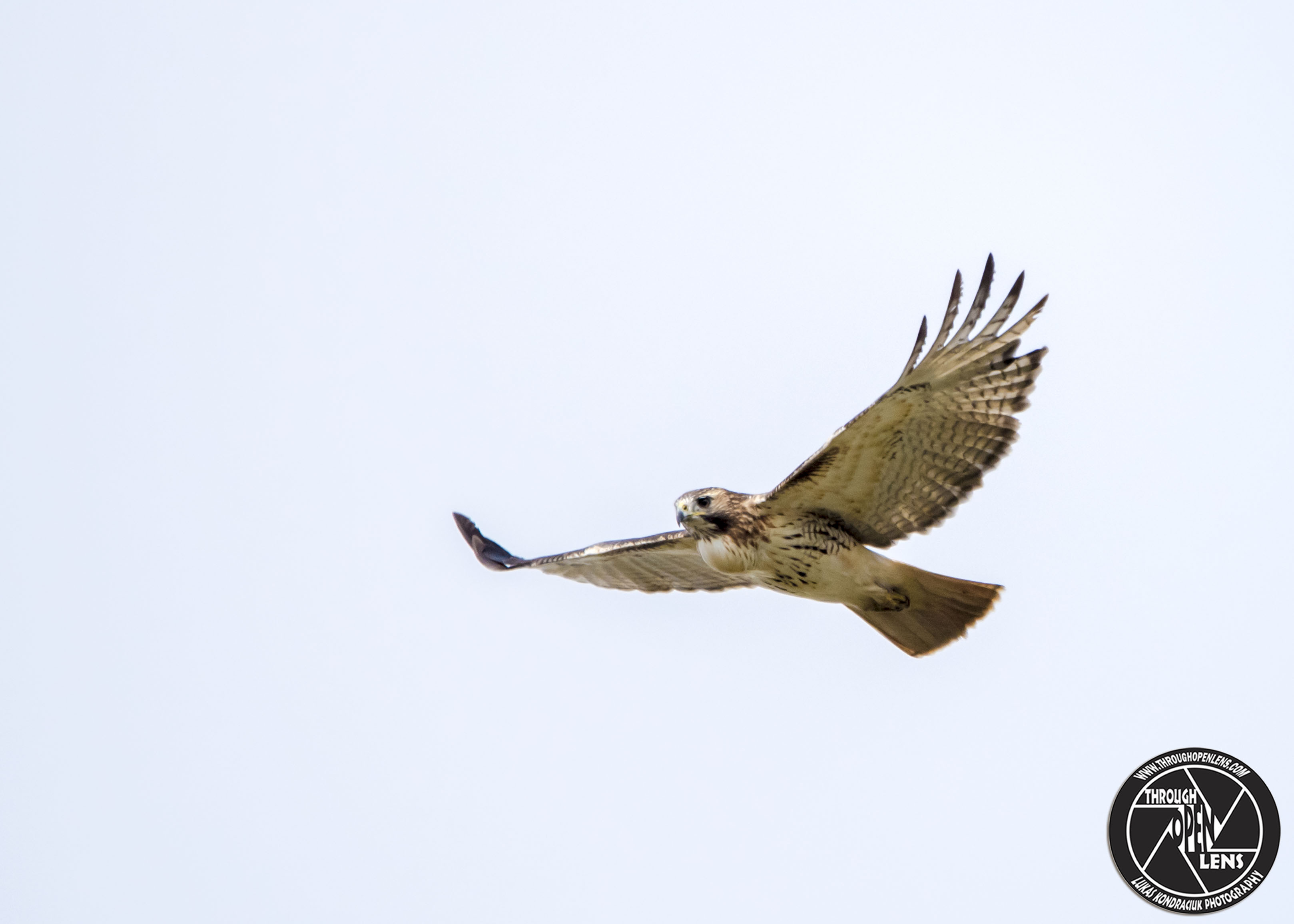
I’m So High!

F/6.3, 1/2500, ISO 320.

Red-tailed Hawk

One day a man came home from work to find his wife crying hysterically in the kitchen.

“What’s wrong, dearest?” asked the confused husband.

“Oh darling,” sobbed the wife,

“I was cleaning little Jen’s room when I found whips, handcuffs and chains under her bed, along with a very erotic porn magazine! What ever are we going to do?”

“Well,” replied the man, “I guess a spanking is out of the question?”

Interesting Fact: The oldest known wild Red-tailed Hawk was at least 30 years, 8 months old when it was found in Michigan in 2011, the same state where it had been banded in 1981. ( https://www.allaboutbirds.org/guide/Red-tailed_Hawk/overview )

Be Bold, Be Brave Enough To Be Your True Self!

F/9.0, 1/320, ISO 1250.

Bald Eagles

What falls but never gets hurt?

The rain!

Interesting Fact: Bald Eagles occasionally hunt cooperatively, with one individual flushing prey towards another. ( https://www.allaboutbirds.org/guide/Bald_Eagle )

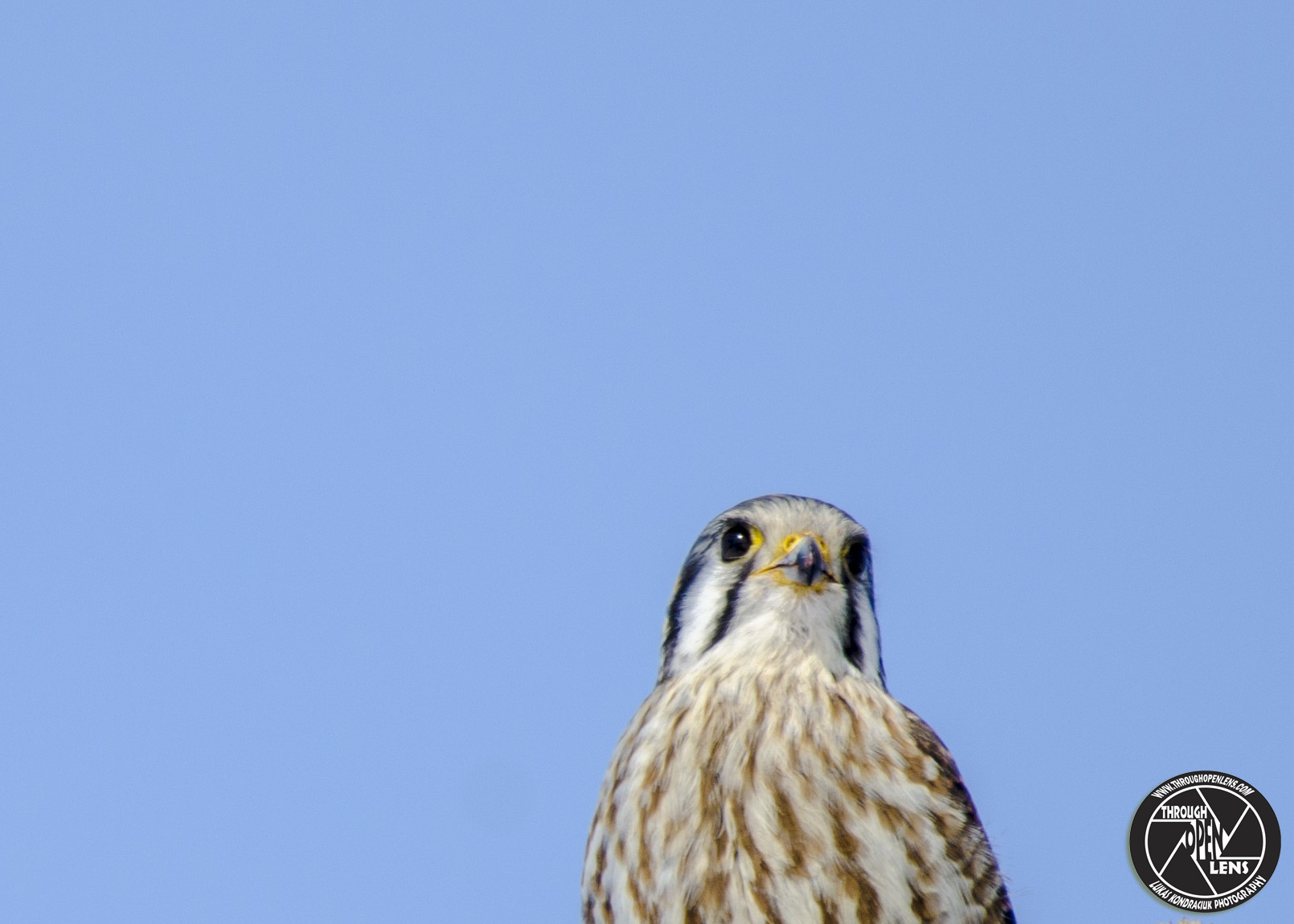
HELLO From The Other Side!

F/6.3, 1/640, ISO 200.

American Kestrel

What did the painter say to her boyfriend?

“I love you with all my art!”

Interesting Fact: It can be tough being one of the smallest birds of prey. Despite their fierce lifestyle, American Kestrels end up as prey for larger birds such as Northern Goshawks, Red-tailed Hawks, Barn Owls, American Crows, and Sharp-shinned and Cooper’s Hawks, as well as rat snakes, corn snakes, and even fire ants. ( https://www.allaboutbirds.org/guide/American_Kestrel )

Come At Me Bro!

F/9.0,  1/320, ISO 320.

Cooper’s Hawk

What did the tree say to spring?

What a re-leaf.

Interesting Fact: Dashing through vegetation to catch birds is a dangerous lifestyle. In a study of more than 300 Cooper’s Hawk skeletons, 23 percent showed old, healed-over fractures in the bones of the chest, especially of the furcula, or wishbone. ( https://www.allaboutbirds.org/guide/Coopers_Hawk )

I’m So Fly!

F/11.0, 1/500, ISO 320.

Northern Harrier

A camel meets an elephant.

The elephant asks jokingly: “Why do you have two breasts on your back?”

The camel replies: “With a face like yours, I’d just shut up.”

Interesting Fact: Northern Harriers are the most owl-like of hawks (though they’re not related to owls). They rely on hearing as well as vision to capture prey. The disk-shaped face looks and functions much like an owl’s, with stiff facial feathers helping to direct sound to the ears. ( https://www.allaboutbirds.org/guide/Northern_Harrier

OWL Get You!

F/6.3, 1/250, ISO 1600.

Short Eared Owl

When does a Owl go “mooooo”?

When it is learning a new language!

Interesting Fact: As suggested by their wide global distribution, Short-eared Owls can travel long distances over vast expanses of ocean. Witnesses have reported seeing these owls descending on ships hundreds of miles from land.  ( https://www.allaboutbirds.org/guide/short-eared_owl/lifehistory )

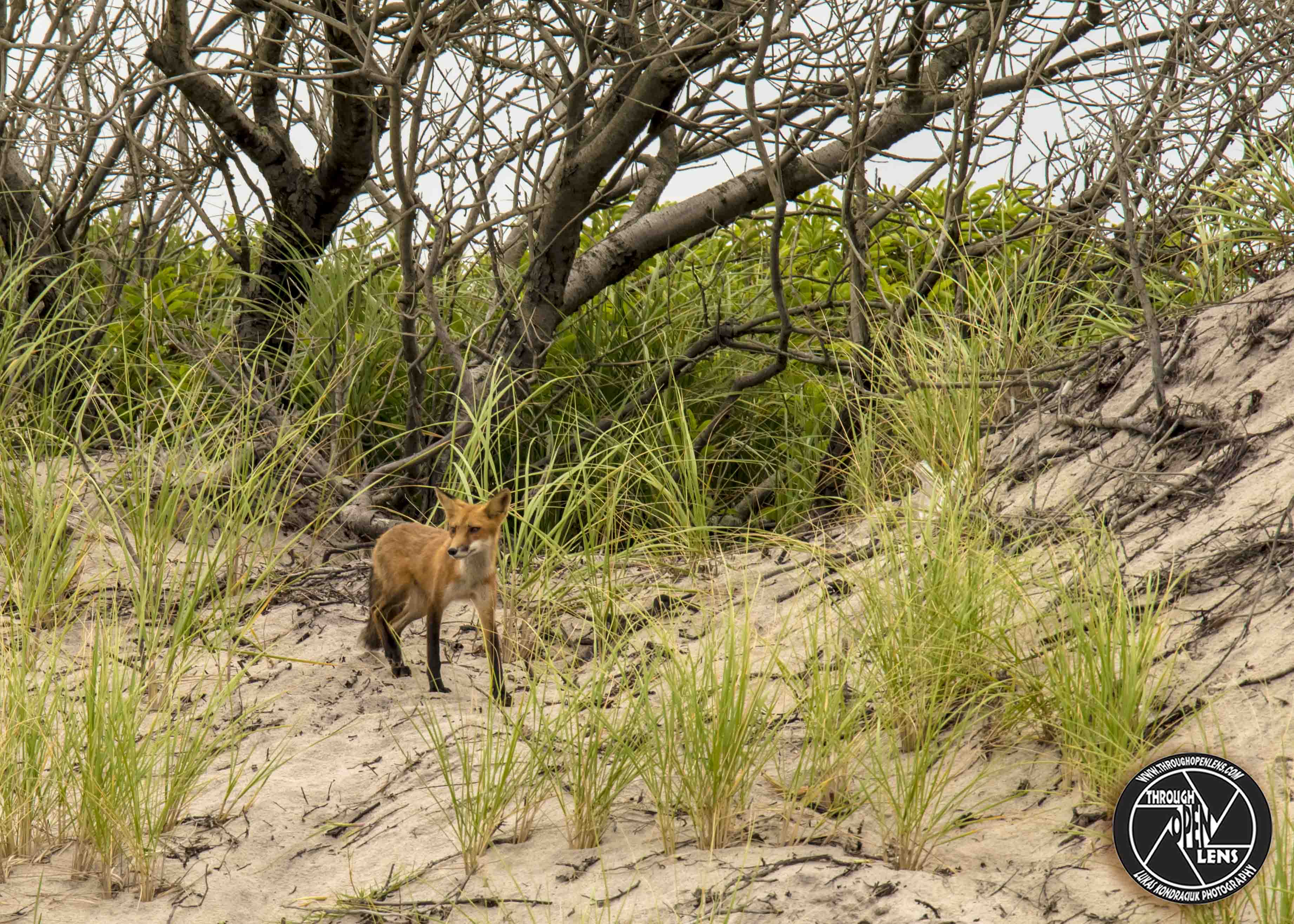
Chill The Fox Out!

F/6.3, 1/40, ISO 500.

Red Fox

Why did the man lose his job at the orange juice factory?

He couldn’t concentrate!

Interesting Fact: In winter, foxes meet to mate. The vixen (female) typically gives birth to a litter of 2 to 12 pups. At birth, red foxes are actually brown or gray. A new red coat usually grows in by the end of the first month, but some red foxes are golden, reddish-brown, silver, or even black. Both parents care for their young through the summer before they are able to strike out on their own in the fall. ( https://www.nationalgeographic.com/animals/mammals/r/red-fox/ )

Fox News!

F/10.0, 1/400, ISO 500.

Red Fox

What does a skeleton order at a restaurant?

Spare ribs!

Interesting Fact: Like a cat’s, the fox’s thick tail aids its balance, but it has other uses as well. A fox uses its tail (or “brush”) as a warm cover in cold weather and as a signal flag to communicate with other foxes. ( http://www.nationalgeographic.com/animals/mammals/r/red-fox/ )

Don’t Make Me Walk When I Want To Fly!

F/13.0, 1/640, ISO 250.

Red-tailed Hawk

How do trees access the internet?

They log in.

Interesting Fact: Red-tailed Hawks occupy just about every type of open habitat on the continent. This includes desert, scrublands, grasslands, roadsides, fields and pastures, parks, broken woodland, and (in Mexico) tropical rainforest. ( https://www.allaboutbirds.org/guide/Red-tailed_Hawk/lifehistory )