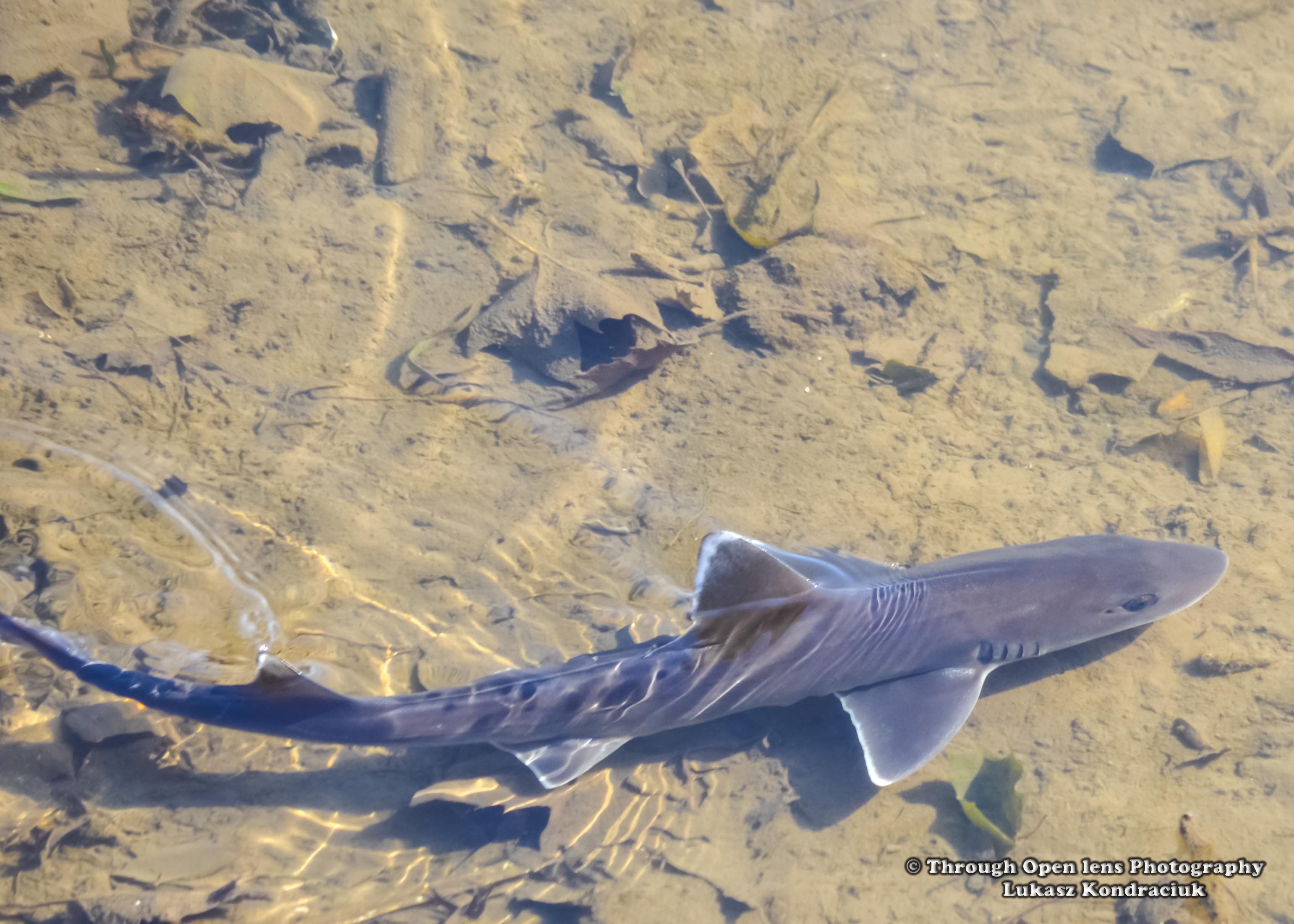
Don’t Stand So, Don’t Stand So, Don’t Stand So, Close To Me!

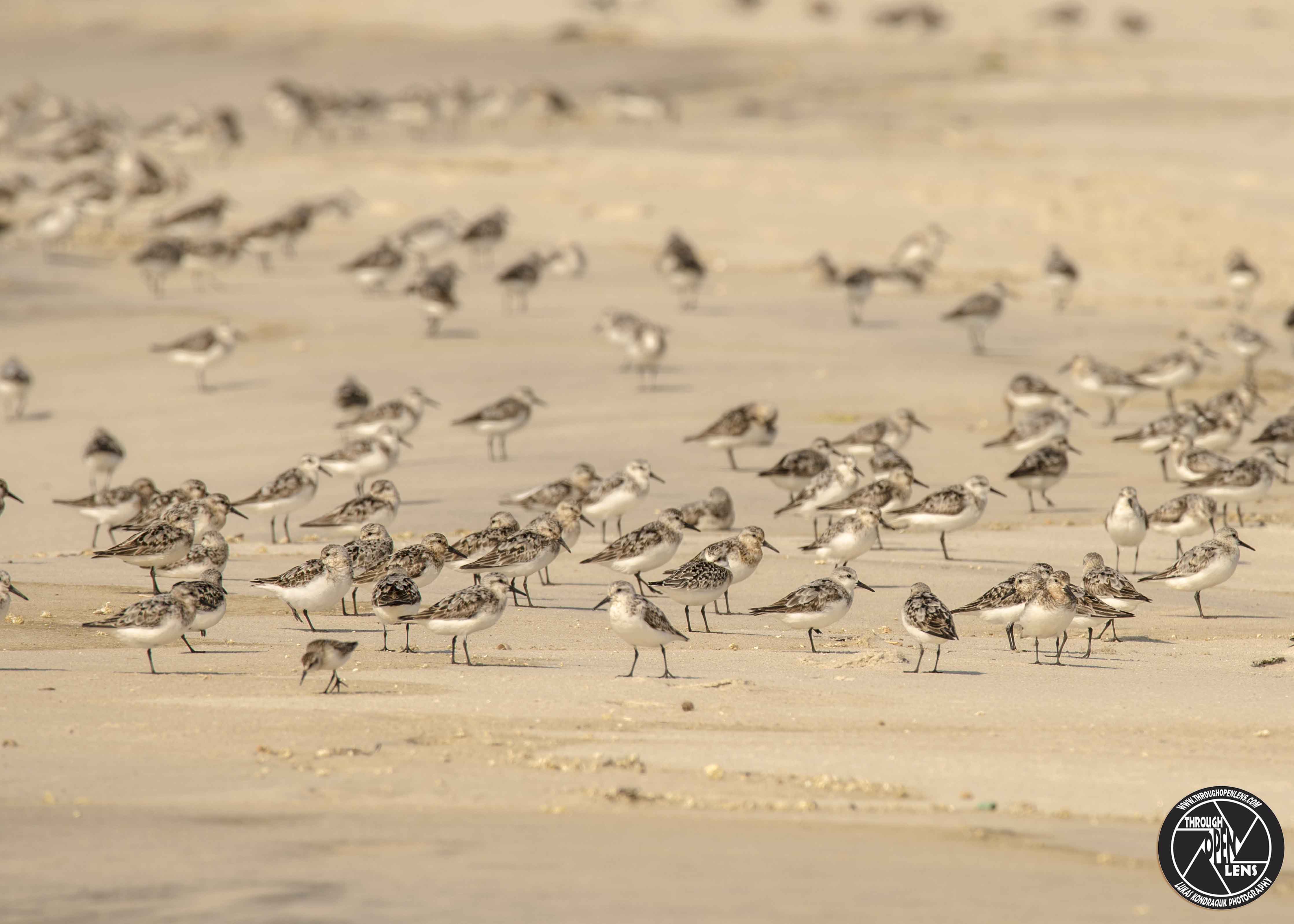
F/10.0, 1/400, ISO 125.

Semipalmated Sandpipers 

Where do you learn to make ice cream?

Sundae school.

Interesting Fact: Semipalmated Sandpipers from eastern populations probably undertake nonstop transoceanic flights of 3,000 – 4,000 km (1,900 – 2,500 mi) from New England and southern Canada to South America, powered by extensive fat reserves. ( https://www.allaboutbirds.org/guide/Semipalmated_Sandpiper/ )

We Are Not Short, We Are Just More Down To Earth Than Other Birds.

F/5.6, 1/500, ISO 320.

Least Sandpiper

A termite walks into a bar and says, “Where is the bar tender?”

Interesting Fact: The Least Sandpiper is the smallest shorebird in the world, weighing in at about 1 ounce and measuring 5-6 inches long. Males are slightly smaller than females. ( https://www.allaboutbirds.org/guide/Least_Sandpiper/lifehistory )

Sometimes What You Looking For Comes When You’re Not Looking At All.

F/5.6, 1/2000, ISO 500.

Semipalmated Plover 

How do trees get online?

They just log on!

Interesting Fact: They are migratory and winter in coastal areas of the southern United States, the Caribbean and much of South America. They are extremely rare vagrants to western Europe, and have been found in Tierra del Fuego and the Isles of Scilly.[4] Their true status may be obscured by the difficulty in identifying them from the very similar ringed plover of Eurasia, of which it was formerly considered a subspecies. ( https://en.wikipedia.org/wiki/Semipalmated_plover )


Good Times And Crazy Friends Make The Best Memories.

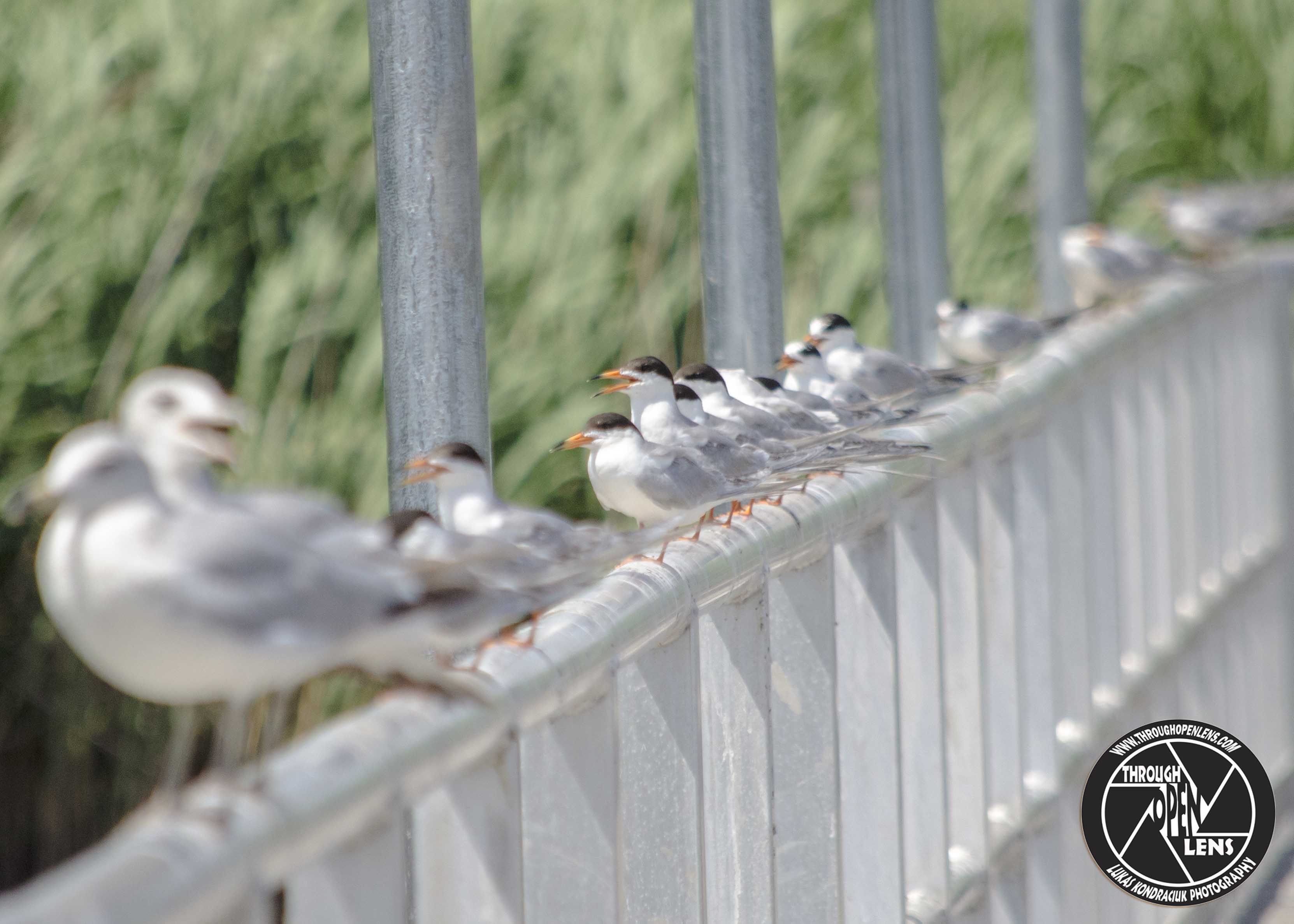
F/5.6, 1/3200, ISO 1000. d700

Common Terns 

Did you hear the rumor about butter?

Everyone’s spreading it.

Interesting Fact: Common Terns nest in colonies on the ground in areas with loose sand, gravel, shell, or cobble pebbles typically less than 350 feet from the water. They tend to choose areas with scattered, low-growing vegetation to provide cover for chicks. ( https://www.allaboutbirds.org/guide/Common_Tern/lifehistory )


I Can Fly! What’s Your Superpower?

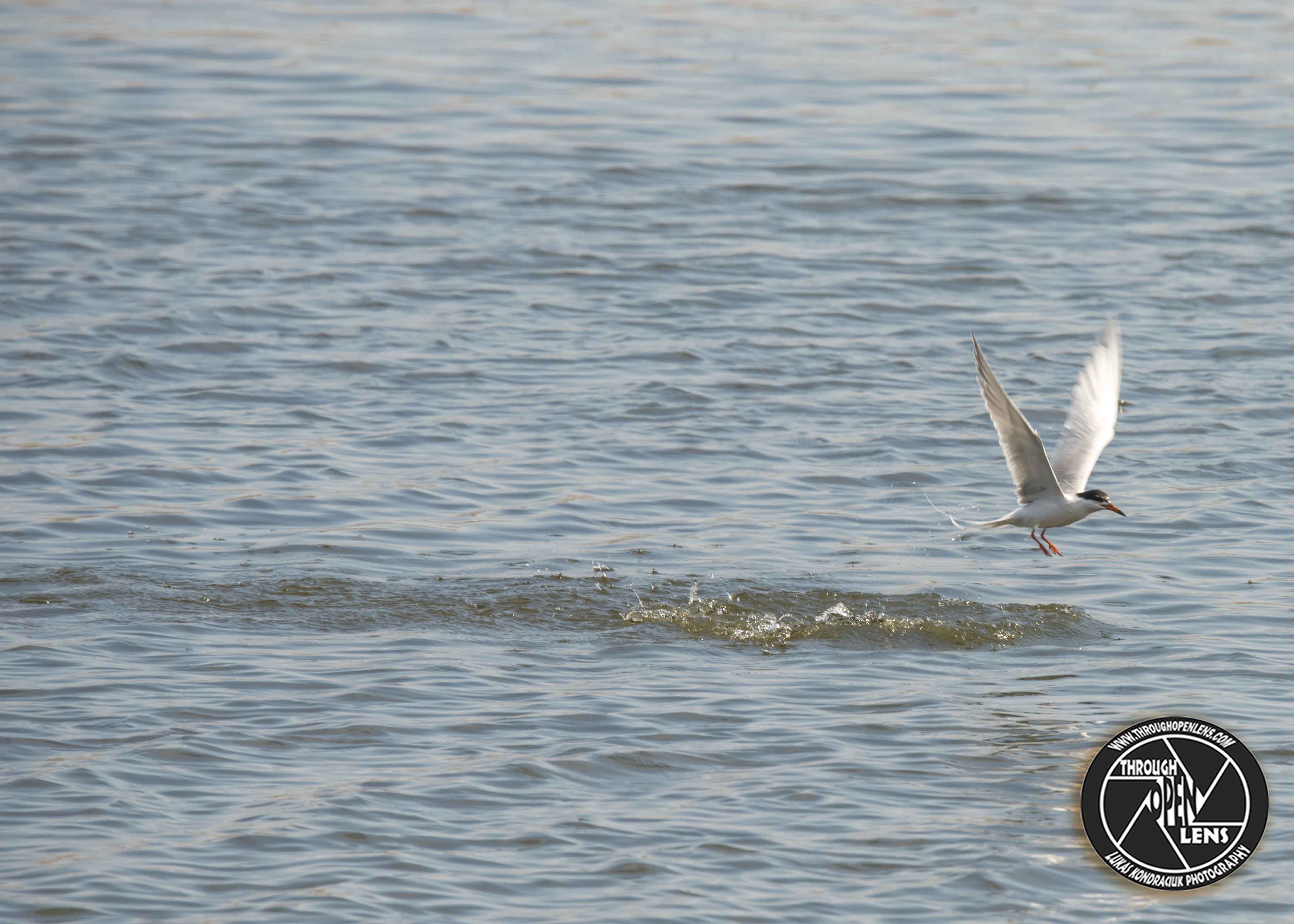
F/10.0, 1/400, ISO 160.

Common Tern

What do you call cheese that is not yours?

Nacho Cheese

Interesting Fact: Plunges into water from flight; may hover briefly before plunging. ( https://www.allaboutbirds.org/guide/Common_Tern/lifehistory )

Oops, Wrong Tern!

F/7.1, 1/800, ISO 200.

Common Tern

What did the stamp say to the envelope?

Stick with me and we will go places!

Interesting Fact:  The incubating adult Common Tern flies off its nest to defecate 5-50 m (16-160 ft) away. It deposits its feces indiscriminately in nearby water or on the territories of other terns. ( https://www.allaboutbirds.org/guide/Common_Tern/lifehistory )

Don’t Look Back You’re Not Going That Way

F/5.6, 1/500, ISO 220.

Least Sandpiper

Browsing in a pet shop, a man sees a beautiful parrot with a red
string tied to its left leg and a green string tied to its right
leg, and asks the store owner about the different colored strings.
“This is a highly-trained parrot,” the owner explains. “If you
pull the red string, he’ll speak French.  If you pull the green
string, he’ll speak Spanish.”
The customer asks, “What happens if I pull both strings?”
“I’ll fall off my perch, dummy!” screeches the parrot.

Interesting Fact: Eastern populations probably fly nonstop over the ocean from the Gulf of St. Lawrence and New England to wintering grounds in northeastern South America, a distance of about 1,800 to 2,500 miles. ( https://www.allaboutbirds.org/guide/Least_Sandpiper/lifehistory )


Duuun-Dunn-Dunn-Duh-Duh-Duh-Nuh-Nuh-Nuh-Nuuh!!!

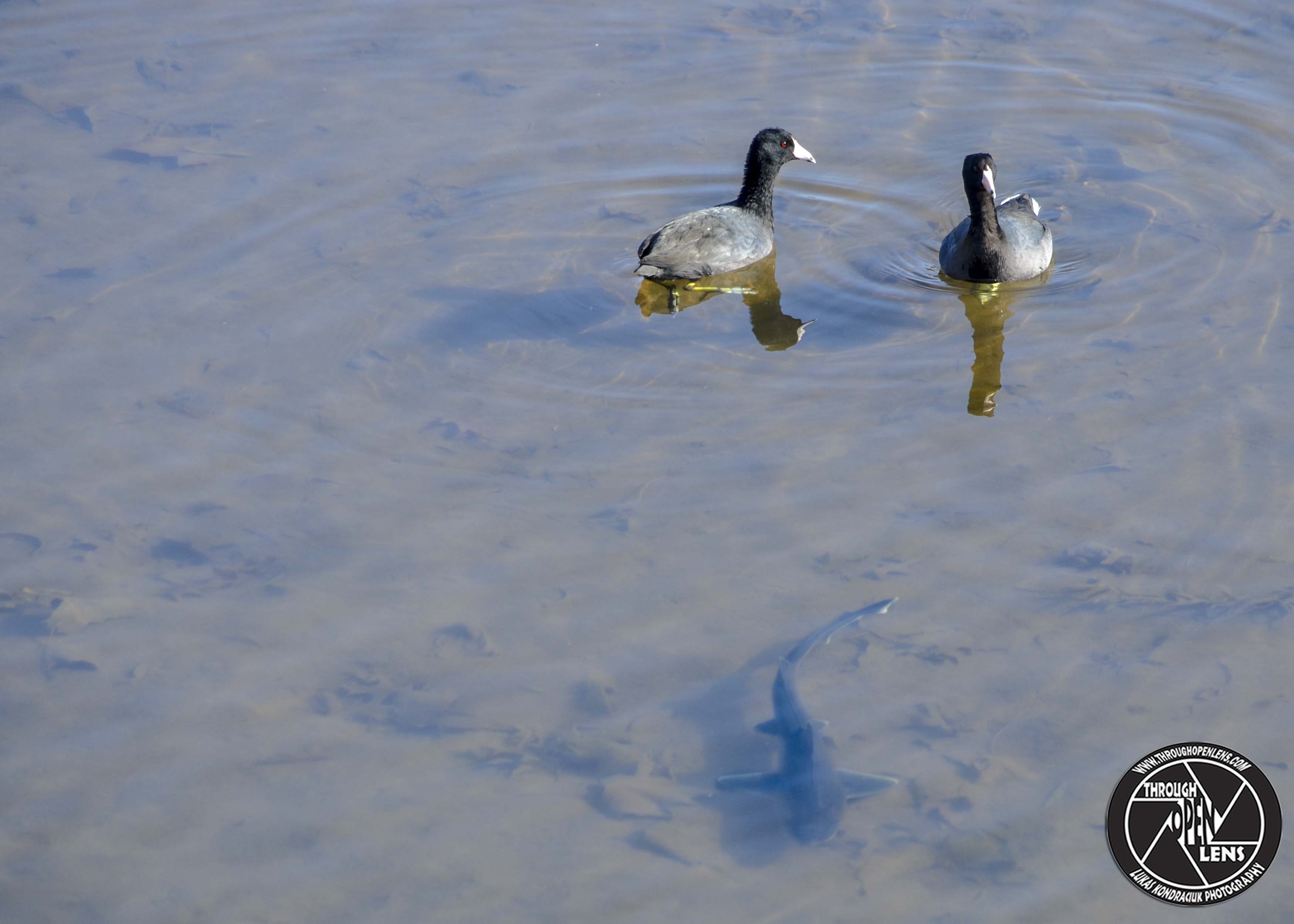
F/5.6, 1/500, ISO 250.

Shark Week 

American Coot

Spiny Dogfish Shark

Why do sharks make terrible lawyers?

They’re too nice!

Interesting Fact: Although it swims like a duck, the American Coot does not have webbed feet like a duck. Instead, each one of the coot’s long toes has broad lobes of skin that help it kick through the water. The broad lobes fold back each time the bird lifts its foot, so it doesn’t impede walking on dry land, though it supports the bird’s weight on mucky ground. ( https://www.allaboutbirds.org/guide/American_Coot )

In A World Full Of Fish Be A Shark

Shark Week 

F/5.6, 1/500, ISO 360.

Spiny Dogfish Shark

What did the seal with the broken arm say to the shark?

Do not consume if seal is broken.

Interesting Fact: This shark is known to hunt in packs that can range up into the thousands. They are aggressive hunters and have a sizable diet that can range from squid, fish, crab, jellyfish, sea cucumber, shrimp and other invertebrates. ( https://en.m.wikipedia.org/wiki/Spiny_dogfish )

Look Out I’m A Biter!

Shark Week 2016

Bull Shark

F/5.6, 1/500, ISO 320.

Deadliest Shark In The World

Bull Shark ( Baby )

For five years, two sharks and a dolphin have worked side by side every day as window washers, and every night after work they stopped for a drink. One day, disaster struck, and the dolphin fell to his death. The police came to the site and began asking questions. “Where does he live?” The sharks shrugged their shoulders. “Is he married?” The sharks didn’t know. “What is his name?” The sharks shrugged again. “You worked with this guy for five years and you don’t know anything about him?” the cop asked. “I know something about him,” one shark volunteered. “He has two assholes.” “What are you talking about?” said the cop. “Well,” said the shark, “Whenever we go for a drink after work the bartended says, ‘Here comes the dolphin with the two assholes.'”

Interesting Fact:  Bull sharks are aggressive, common, and usually live near high-population areas like tropical shorelines. They are not bothered by brackish and freshwater, and even venture far inland via rivers and tributaries. ( http://animals.nationalgeographic.com/animals/fish/bull-shark/ )