I’ve Always Loved The Idea Of Not Being What People Expect Me To Be

F/ 6.3, 1/160, ISO 200.

Willow Flycatcher

A termite walks into a bar and asks

“Is the bar tender here?”

Interesting Fact: Flycatchers don’t learn their songs from their parents like many other birds. Instead flycatchers hatch knowing their songs. Scientists tested this by raising Willow Flycatchers in captivity while letting them listen to an Alder Flycatcher sing its free beer song. Despite hearing this song all day, Willow chicks grew up to sing their species’ own fitz-bew. ( https://www.allaboutbirds.org/guide/Willow_Flycatcher/lifehistory )

Time To Start Dabbling!

F/10.0, 1/400, ISO 400.

Northern Shoveler 

What do you call a dinosaur that sits on nails?

Megasaurus (mega sore ass).

Interesting Fact: Northern Shoveler pairs are monogamous, and remain together longer than pairs of other dabbling duck species. ( https://www.allaboutbirds.org/guide/Northern_Shoveler/lifehistory )


Be Yourself Everyone Is Already Taken!

F/7.1, 1/200, ISO 320.

Killdeer

Why do golfers wear two pairs of pants?

In case they get a hole in one!

Interesting Fact: Killdeer lay their eggs into an empty nest but add other materials later on. Some of these items they pick up as they are leaving and toss over their shoulder into the nest. In one nest in Oklahoma, people found more than 1,500 pebbles had accumulated this way. ( https://www.allaboutbirds.org/guide/Killdeer/lifehistory )


The Fish Was This Big! I Swear!

F/7.1, 1/200, ISO 320.

Canada Goose

What does a pig put on its paper cut?

Oinkment!

Interesting Fact:  At least 11 subspecies of Canada Goose have been recognized, although only a couple are distinctive. In general, the geese get smaller as you move northward, and darker as you go westward. The four smallest forms are now considered a different species: the Cackling Goose. ( https://www.allaboutbirds.org/guide/Canada_Goose/lifehistory )

I Rule The SKY!

F/6.3, 1/640, ISO 100.

Red-tailed Hawk

Why did the witches’ team lose the baseball game?

Their bats flew away.

Interesting Fact: Red-tailed Hawks typically put their nests in the crowns of tall trees where they have a commanding view of the landscape. They may also nest on a cliff ledge or on artificial structures such as window ledges and billboard platforms. ( https://www.allaboutbirds.org/guide/Red-tailed_Hawk/lifehistory )

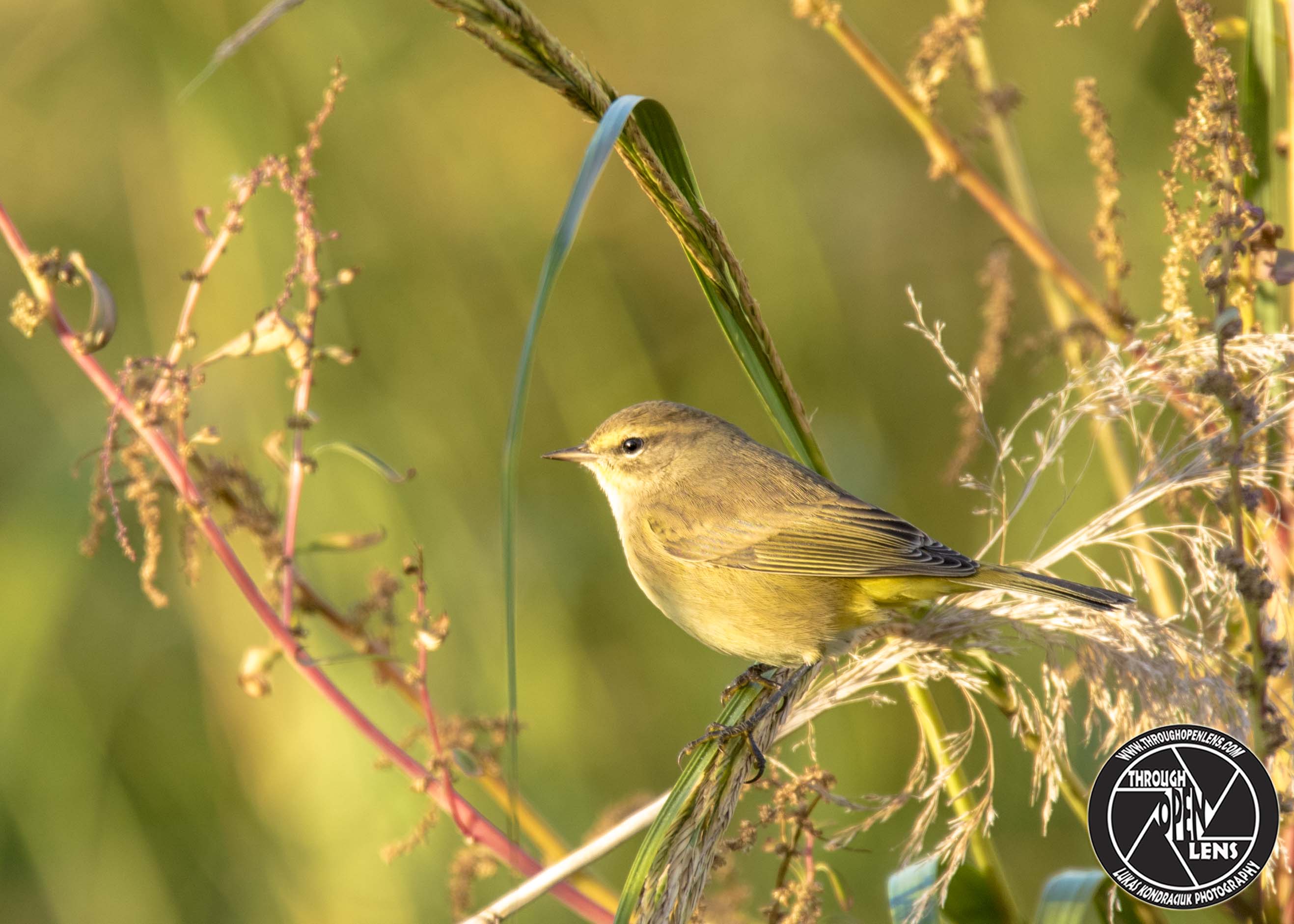
When You’re Thinking That I’m Thinking Of You, I’m Thinking You’re Thinking Of Me.

F/7.1, 1/200, ISO 320.

Yellow-Rumped Warbler

An invisible man marries an invisible woman.

The kids were nothing to look at either.

Interesting Fact: Females build the nest, sometimes using material the male carries to her. The nest is a cup of twigs, pine needles, grasses, and rootlets. She may also use moose, horse, and deer hair, moss, and lichens. She lines this cup with fine hair and feathers, sometimes woven into the nest in such a way that they curl up and over the eggs. The nest takes about 10 days to build. It’s 3-4 inches across and about 2 inches tall when finished. ( https://www.allaboutbirds.org/guide/Yellow-rumped_Warbler/lifehistory )

Ain’t No Thang Like A Duck Wing!

F/8.0, 1/250, ISO 200.

American Black Duck

Why did the Skeleton go to the movies by himself?

He had no body to go with him.

Interesting Fact:  Pleistocene fossils of American Black Ducks, at least 11,000 years old, have been unearthed in Florida and Georgia. ( https://www.allaboutbirds.org/guide/American_Black_Duck/lifehistory  )

Don’t Act Like You’re Not Impressed

F/11.0, 1/500, ISO 400.

Boston Terriers

What did the dog say to the hot dog bun?

“Are you pure bred?”

Interesting Fact: Judge weighed over 27.5 pounds (12.5 kg). The offspring interbred with one or more French Bulldogs, providing the foundation for the Boston Terrier. Bred down in size from fighting dogs of the Bull and Terrier types, the Boston Terrier originally weighed up to 44 pounds (20 kg) (Olde Boston Bulldogge).[2] The breed was first shown in Boston in 1870. By 1889 the breed had become sufficiently popular in Boston that fanciers formed the American Bull Terrier Club, the breed’s nickname, “roundheads”. Shortly after, at the suggestion of James Watson (a noted writer and authority), the club changed its name to the Boston Terrier Club and in 1893 it was admitted to membership in the American Kennel Club, thus making it the first US breed to be recognized.[8] It is one of a small number of breeds to have originated in the United States. The Boston Terrier was the first non-sporting dog bred in the US. ( https://en.m.wikipedia.org/wiki/Boston_Terrier )

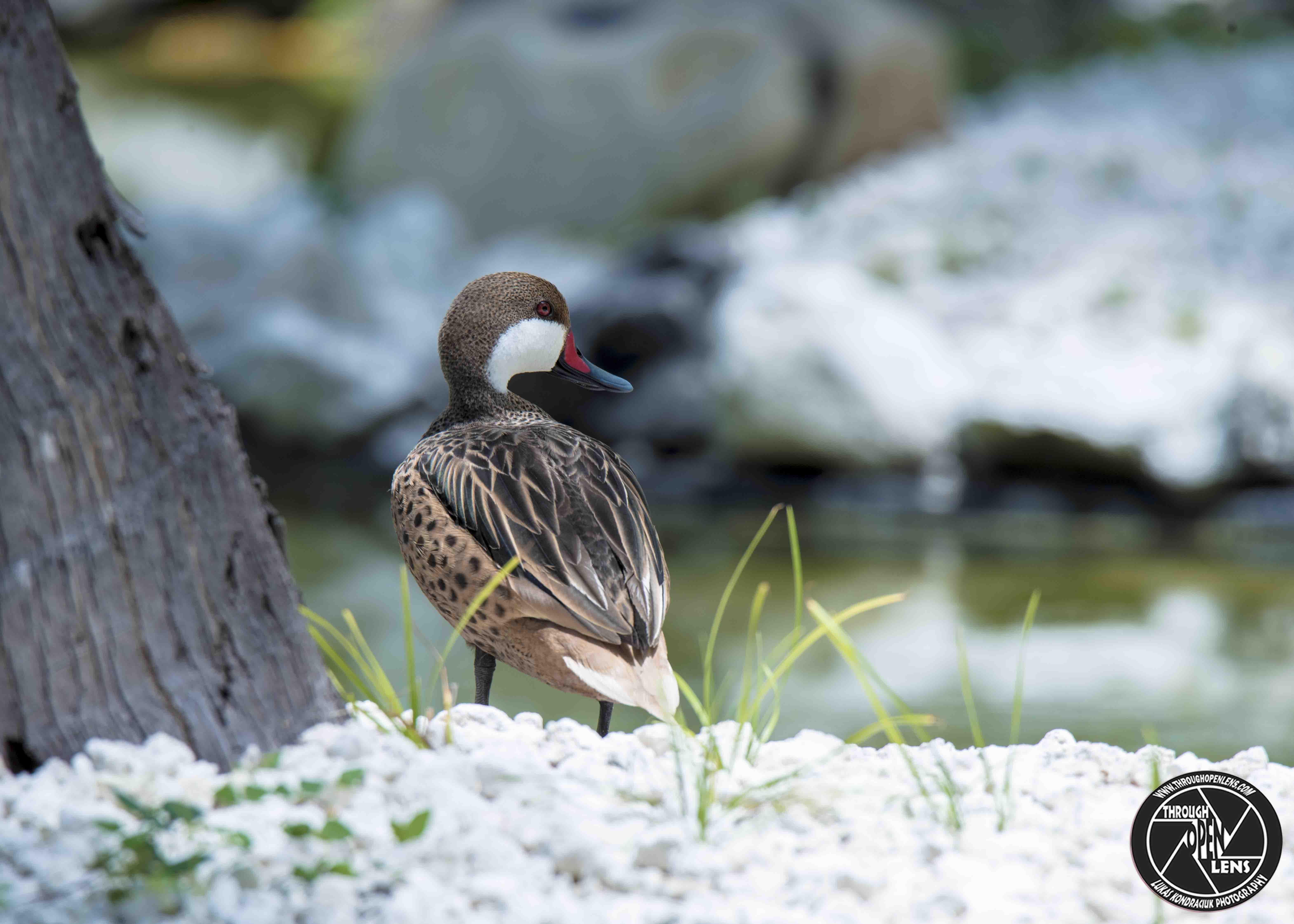
Don’t Turn Around Just Walk Away!

F/9.0, 1/320, ISO 160.

White-Cheeked Pintail

Why didn’t the elephant pack a suitcase for summer vacation?

Because he uses a trunk.

Interesting Fact: Like many southern ducks, the sexes are similar. It is mainly brown with white cheeks and a red-based grey bill (young birds lack the pink). It cannot be confused with any other duck in its range. ( https://en.wikipedia.org/wiki/White-cheeked_pintail )

The Grass Is Greener Where You Water It!

F/6.3, 1/100, ISO 400.

White-throated Sparrow

What did the tie say to the hat?

You go on ahead and I’ll hang around!

Interesting Fact: White-throated Sparrows hop when they’re on the ground rather than walking or running. They forage in the leaf litter, often using both feet at once to scratch backwards, then pounce forward at anything they’ve uncovered. They also toss leaves aside with flicks of the head.  ( https://www.allaboutbirds.org/guide/White-throated_Sparrow/lifehistory )