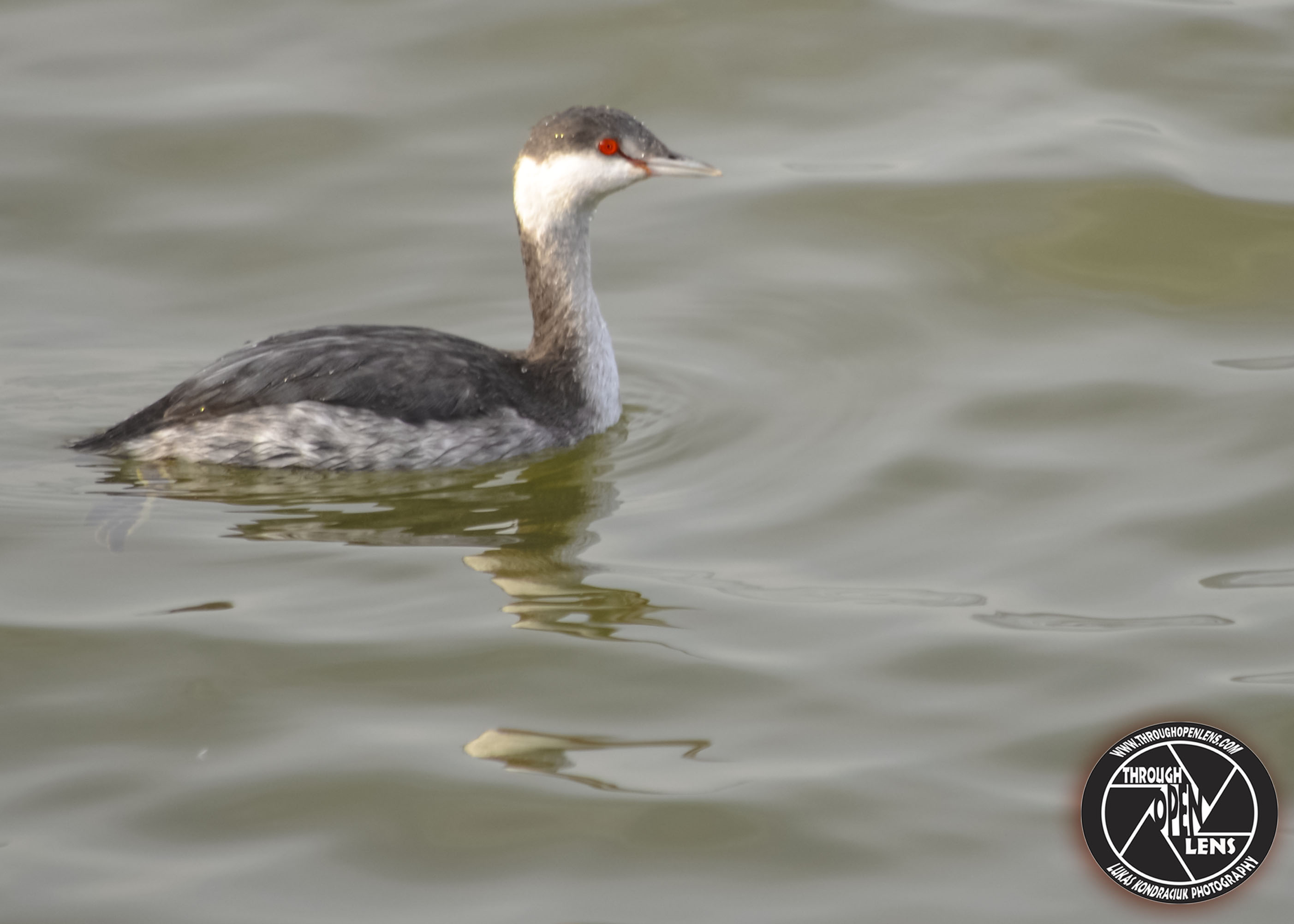
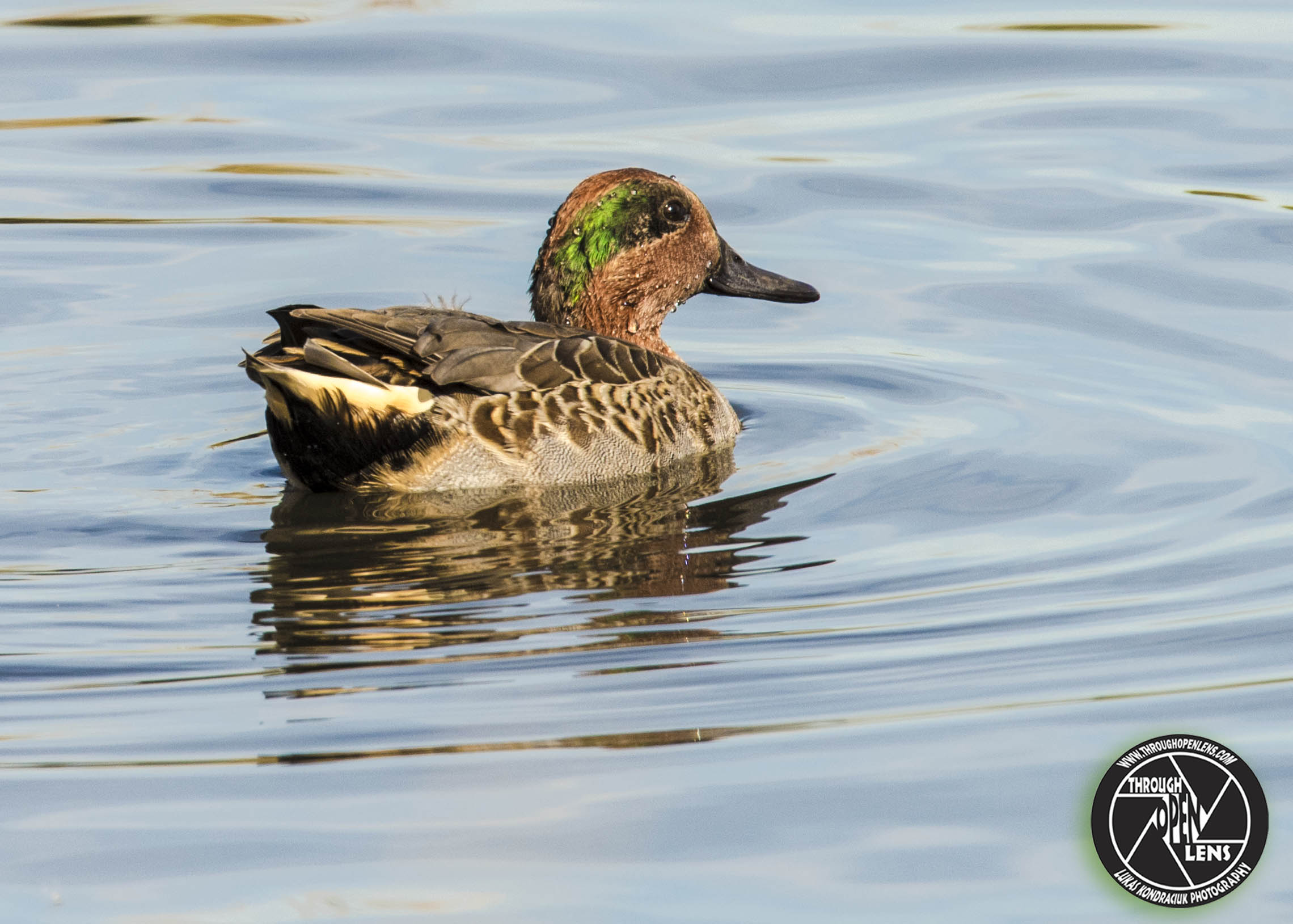
I Want To Swim Away!

Red-Necked Grebe

F/5.6, 1/200, ISO 100.

Red-Necked Grebe

One day, two thieves stole a bunch of money from a house. First thief: Let us count the money we have stolen. Second thief: Leave, why we will count and waste our time. We can see in the newspaper, tomorrow.

Interesting Fact: The Red-necked Grebe migrates over land strictly at night. It sometimes migrates over water or along coasts by day, in large flocks. ( https://www.allaboutbirds.org/guide/Red-necked_Grebe/lifehistory )

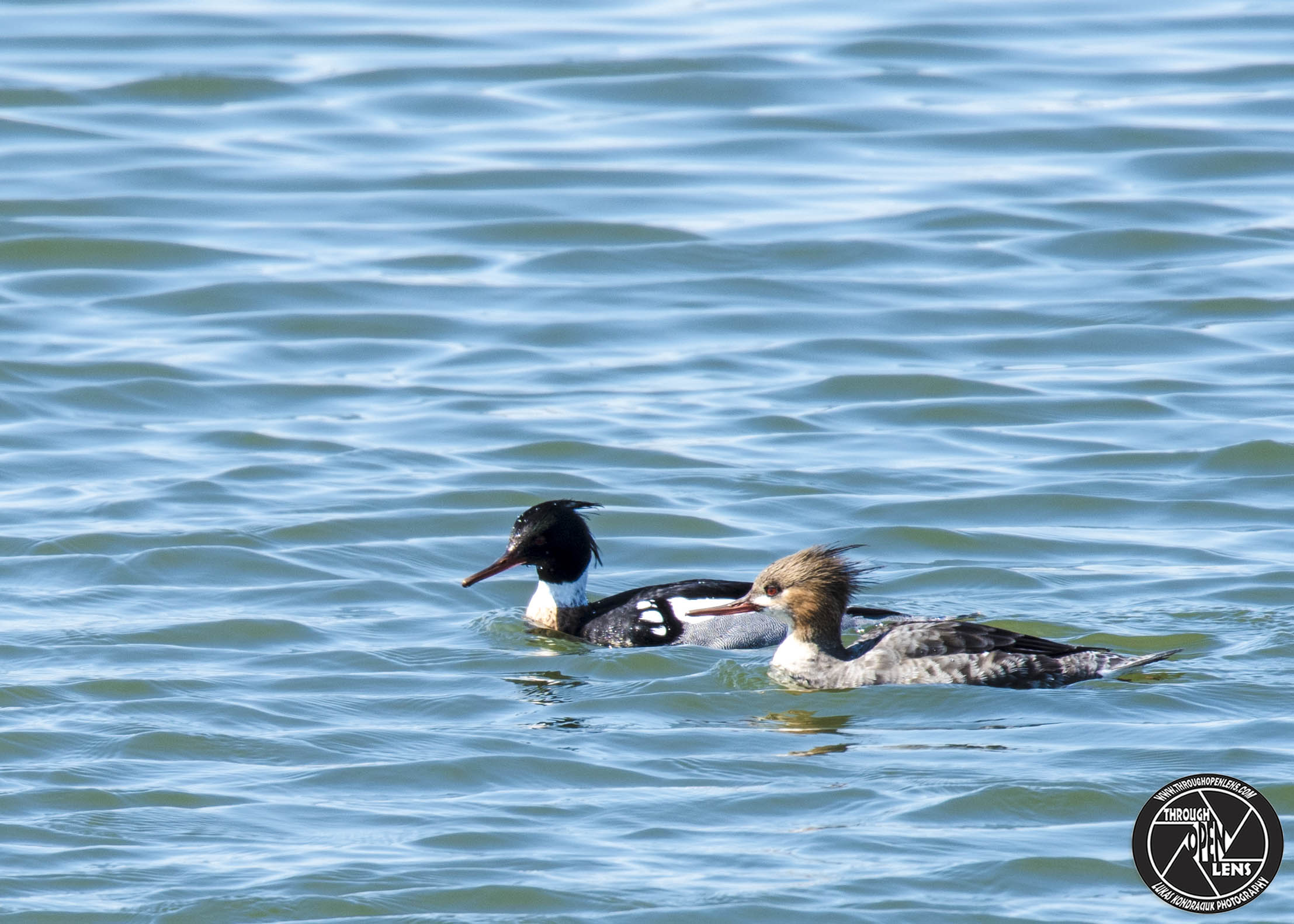
Together We Can Quack Everything!

F/9.0, 1/320, ISO 500.

Canvasback 

Did you hear about the duck with a drug problem?

He was a quackhead.

Interesting Fact: Canvasbacks are social outside of the breeding season; they gather in large rafts by the thousands to tens of thousands. Only when winter food is scarce or clumped do they defend foraging areas against other Canvasbacks. During spring and early in the breeding season, they act more aggressively. Threat displays include putting the bill in the water or on the chest, jabbing, pumping the head, or chasing.  ( https://www.allaboutbirds.org/guide/Canvasback/lifehistory )

Alone We Are Strong… Together We Are Stronger!

F/9.0, 1/320, ISO 200.

Red-breasted Merganser

Why can’t a leopard hide?

Because he’s always spotted!

Interesting Fact:  The Red-breasted Merganser breeds farther north and winters farther south than the other American mergansers. ( https://www.allaboutbirds.org/guide/Red-breasted_Merganser/lifehistory )

It Time To Get My Beak Wet!

F/9.0, 1/250, ISO 640.

Common Loon ( Nonbreeding adult )

Where do snowmen keep their money?

In snow banks.

Interesting Fact: Loons are like airplanes in that they need a runway for takeoff. In the case of loons, they need from 30 yards up to a quarter-mile (depending on the wind) for flapping their wings and running across the top of the water in order to gain enough speed for lift-off. ( https://www.allaboutbirds.org/guide/Common_Loon )

If I’m Going To Get Wet, I May As Well Swim.

horned-grebe

F/5.6, 1/200, ISO 500.

Horned Grebe

Why won’t they allow elephants in public swimming pools?

Because they might let down their trunks.

Interesting Fact: The Horned Grebe regularly eats some of its own feathers, enough that its stomach usually contains a matted plug of them. This plug may function as a filter or may hold fish bones in the stomach until they can be digested. The parents even feed feathers to their chicks to get the plug started early. ( https://www.allaboutbirds.org/guide/Horned_Grebe/lifehistory )

Got An Itch That I Can’t Reach!

F/10.0, 1/400, ISO 320.

Mallard

What do you call a duck that steals?

A robber ducky.

Interesting Fact: Mallards nest on the ground on dry land that is close to water; nests are generally concealed under overhanging grass or other vegetation. Occasionally, Mallards nest in agricultural fields, especially alfalfa but also winter wheat, barley, flax, and oats. Both urban and wild populations readily nest in artificial nesting structures. Pairs search for nest sites together, typically on evening flights circling low over the habitat. Occasionally nests are placed on floating mats of vegetation or woven into plant stems that rise out of the water. ( https://www.allaboutbirds.org/guide/Mallard/lifehistory )

Swim, Duck, Swim!

F/11.0, 1/500, ISO 320.

Green-Winged Teal

Why aren’t there any famous skeletons?

They’re a bunch of no bodies.

Interesting Fact:  The oldest known Green-winged Teal was at least 20 years and 3 months, based on banding data. It was a female banded in 1941 in Oklahoma, and recovered by a hunter 1960 in Missouri. ( https://www.allaboutbirds.org/guide/Green-winged_Teal/lifehistory )

Dear People, Quit Trying To Look Like Us In Photos… It’s Embarrassing To Our Species.

F/10.0, 1/400, ISO 320.

Gadwall

Why did the can crusher quit his job?

Because it was soda pressing.

Interesting Fact:  Gadwall are dabbling ducks—they ride fairly high in the water and they tip forward to graze on submerged plants that they can reach with their outstretched necks. They rarely dive. Gadwall sometimes steal food from American Coots. ( https://www.allaboutbirds.org/guide/Gadwall/lifehistory )

I Swim Because I Am Too SEXY For A Sport That Requires Clothes

F/6.3, 1/500, ISO 250.

Horned Grebe

Little Red Riding Hood walks all alone through the deep dark wood. Suddenly she hears rustling in a thick bush. Cautiously she moves the branches aside and finds herself facing the big bad wolf.

Little Red Riding Hood: “Oh, Big Bad Wolf, why do you have such huge red eyes?”

Big Bad Wolf: “Go away! I’m crapping!”

Interesting Fact: Dives underwater for food, in open water and among aquatic vegetation. Picks insects off water surface. ( https://www.allaboutbirds.org/guide/Horned_Grebe/lifehistory )

I Wonder If Earth Makes Fun Of Other Planets For Having No Life.

F/8.0, 1/250, ISO 320.

American Coot

Why was the broom late?

It over swept!

Interesting Fact: The ecological impact of common animals, like this ubiquitous waterbird, can be impressive when you add it all up. One estimate from Back Bay, Virginia, suggested that the local coot population ate 216 tons (in dry weight) of vegetation per winter. ( https://www.allaboutbirds.org/guide/American_Coot )