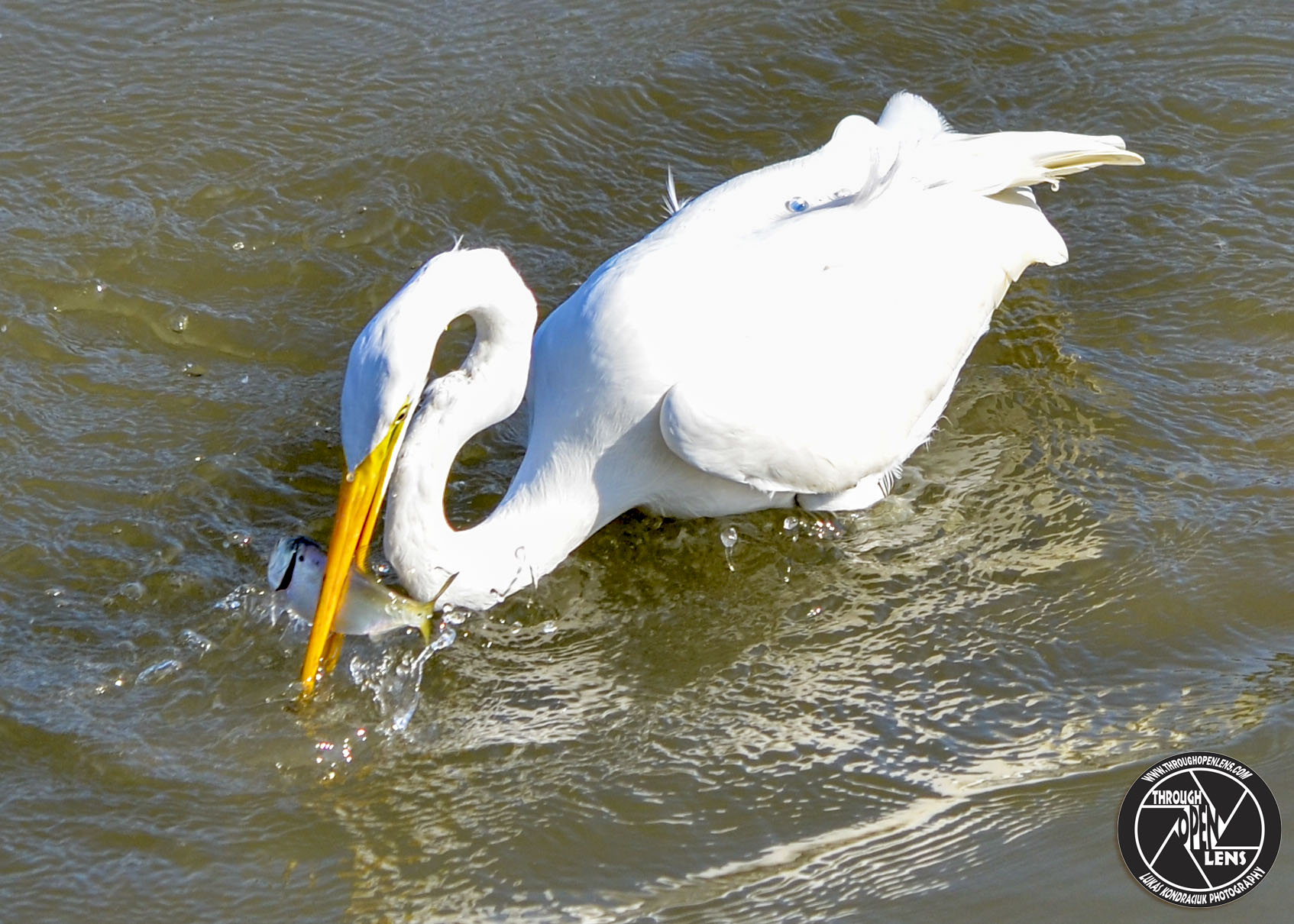
May The Fish Be With You!

F/6.3, 1/640, ISO 200.

Great Egret 

What did the ghost teacher say to her class?

Watch the board and I’ll go through it again.

Interesting Fact: Visit a pond or coastal marsh and look for an all-white bird—slightly smaller than a Great Blue Heron, with black legs and a yellow bill. It may be wading slowly or standing stock-still, peering intently at the water as it searches for fish. If you live outside of the species’ breeding range, you may still see Great Egrets in late summer as they move about widely before heading to their wintering grounds. ( https://www.allaboutbirds.org/guide/Great_Egret )

 

I Need A Hug!

F/5.6, 1/500, ISO 200.

Double-Crested Cormorant 

What do birds do on their free time?

They check their Twitter account.

Interesting Fact: Double-crested cormorants are gregarious birds that are almost always near water. Their main two activities are fishing and resting, with more than half their day spent on the latter. When at rest, a cormorant will choose an exposed spot on a bare branch or a windblown rock, and often spread its wings out, which is thought to be a means of drying their feathers after fishing. ( https://www.allaboutbirds.org/guide/Double-crested_Cormorant/lifehistory )


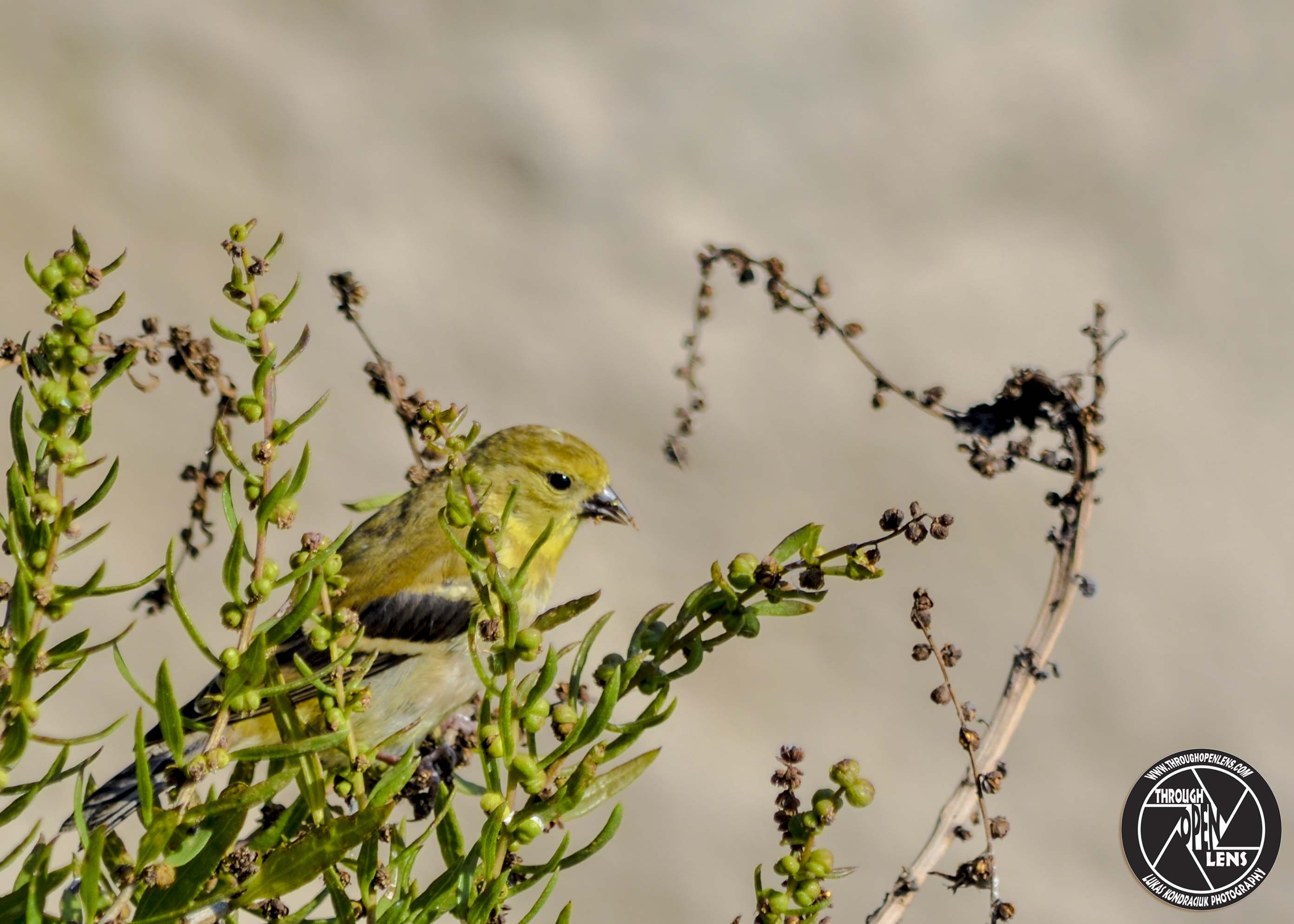
Peek A Boo I Can Still See You!

F/7.1, 1/800, ISO 200.

American Goldfinch

What do computers snack on when they’re hungry?

Chips!

Interesting Fact: Male and female move around together to choose a suitable nest site. The female builds the nest, usually in a shrub or sapling in a fairly open setting rather than in forest interior. The nest is often built high in a shrub, where two or three vertical branches join; usually shaded by clusters of leaves or needles from above, but often open and visible from below. ( https://www.allaboutbirds.org/guide/American_Goldfinch/lifehistory )


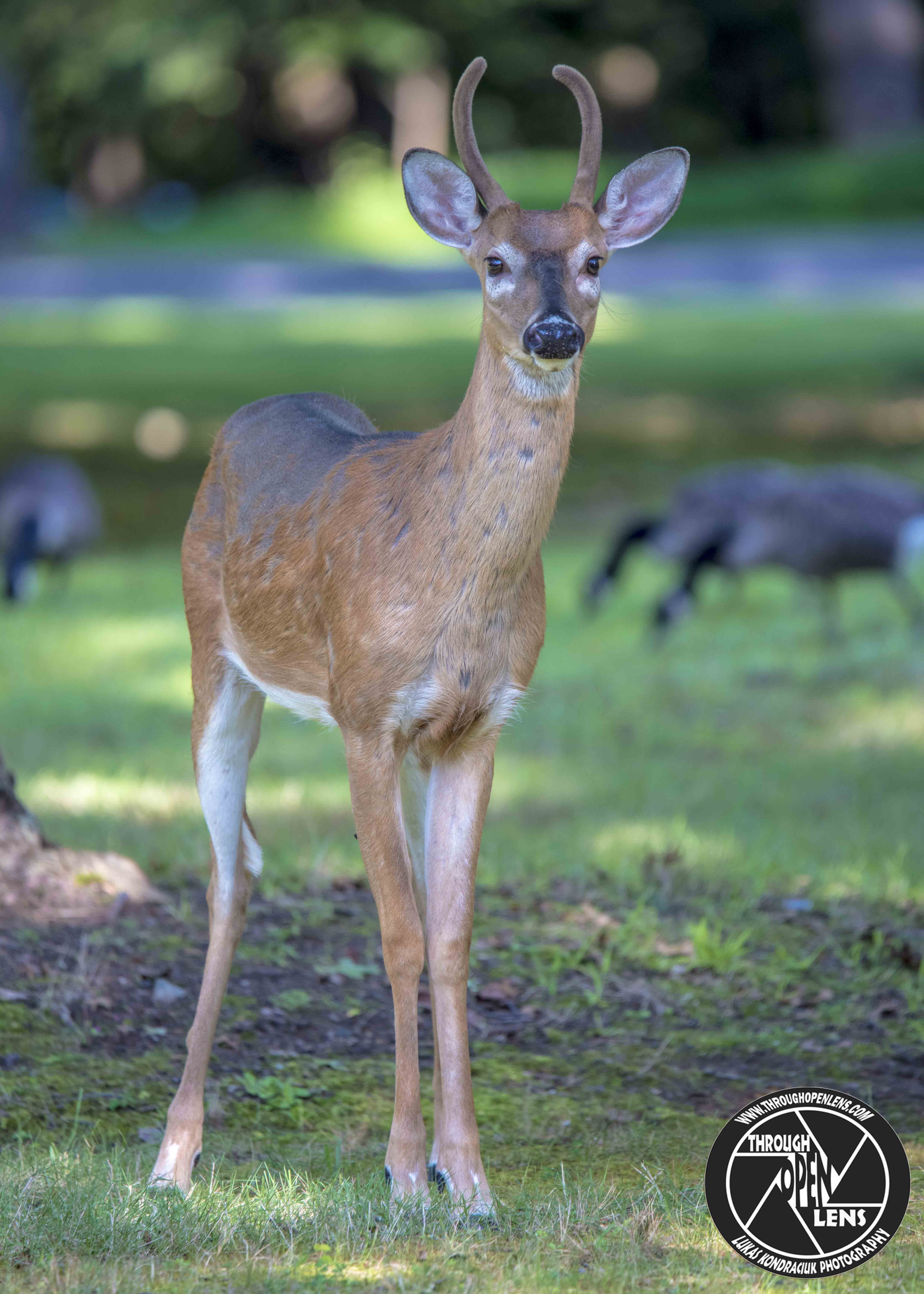
BUCK YOU!

F/6.3, 1/125, ISO 500.

White-Tailed Deer

What do you call a sleeping bull?

A bulldozer

Interesting Fact: Males regrow their antlers every year. About one in 10,000 females also has antlers, although this is usually associated with freemartinism. ( https://en.wikipedia.org/wiki/White-tailed_deer

I always have been so busy drinking the nectar, that I’ve never taken the time to smell the flowers.

F/5.6, 1/125, ISO 800.

Butterfly

Why don’t skeletons fight each other?

They don’t have the guts.

Interesting Fact: Butterflies can taste with their feet. They have six lets and they each have sensors on them that can tell just by landing on a flower what it taste like. ( http://www.whatdobutterflieseat.info )

I Am Happy To See You!

F11.0, 1/500, ISO 400.

Ruddy Ducks

What do you call a bee that lives in America?

A USB

Interesting Fact: Ruddy Ducks are very aggressive toward each other and toward other species, especially during the breeding season. Unlike most ducks, they form pairs only after arriving on the breeding grounds each year. Males perform unusual courtship displays in which they stick their tails straight up while striking their bills against their inflated necks, creating bubbles in the water as air is forced from their feathers. They punctuate the end of the display with a belch-like call. ( https://www.allaboutbirds.org/guide/Ruddy_Duck/lifehistory )


Welcome To The Jungle We Got Fun And Games!

F/7.1, 1/160, ISO 250.

Tricolored Heron

What is a mattress favorite season?

Spring.

Interesting Fact: Tricolored Herons gracefully walk through wetlands as other herons do, but they also run after fish with sharp turns and stops, balancing with their wings. They tend to forage alone or at the edge of flocks of wading birds. ( https://www.allaboutbirds.org/guide/Tricolored_Heron/lifehistory )

Don’t Talk With Your Mouth Full!

F/6.3, 1/160, ISO 160.

Green Heron

What is the only time a man thinks about a candlelight dinner?

When the power goes off.

Interesting Fact: They defend breeding areas from each other and from birds like crows and grackles that prey on their nests. Other predators include snakes and raccoons. Both the male and female brood and feed the chicks, which may stay with their parents for more than a month after leaving the nest, as they learn to forage. ( https://www.allaboutbirds.org/guide/Green_Heron/lifehistory )

I Don’t Have Grey Hair I Have Wisdom Highlights

F/10.0, 1/400, ISO 160.

Gray Kingbird

What’s the difference between in-laws and outlaws?

Outlaws are wanted.

Interesting Fact: The adult gray kingbird is an average-sized kingbird. It measures 23 cm (9.1 in) in length and weighs from 37 to 52 g (1.3 to 1.8 oz).[2] The upperparts are gray, with brownish wings and tail, and the underparts are white with a gray tinge to the chest. The head has a concealed yellow crown stripe, and a dusky mask through the eyes. The dark bill is heavier than that of the related, slightly smaller, tropical kingbird. The sexes are similar, but young birds have rufous edges on the wing coverts, rump and tail. ( https://en.wikipedia.org/wiki/Gray_kingbird )


Just Out And About!

F/7.1, 1/200, ISO 400.

Pied-Billed Grebe

How is being at a singles bar different from going to the circus?

At the circus the clowns don’t talk.

Interesting Fact: When in danger, Pied-billed Grebes sometimes make a dramatic “crash-dive” to get away. A crash-diving grebe pushes its body down with its wings thrust outward. Its tail and head disappears last, while the bird kicks water several feet into the air. ( https://www.allaboutbirds.org/guide/Pied-billed_Grebe/ )