I Feel Loonly.

F/7.1, 1/200, ISO 400.

Common Loon ( Nonbreeding adult )

What did the chicken say when it got to the library?

“Book book book book book book book…”

Interesting Fact: Migrating Common Loons occasionally land on wet highways or parking lots, mistaking them for rivers and lakes. They become stranded without a considerable amount of open water for a long takeoff. A loon may also get stranded on a pond that is too small. ( https://www.allaboutbirds.org/guide/Common_Loon/ )

I Like To Be Alone But I Hate Being Lonely

F/8.0, 1/250, ISO 160.

Common Goldeneye

What did the salad say when the cabbage interrupted their meal?

Lettuce alone!

Interesting Fact: The eyes of a Common Goldeneye are gray-brown at hatching. They turn purple-blue, then blue, then green-blue as they age. By five months of age they have become clear pale green-yellow. The eyes will be bright yellow in adult males and pale yellow to white in females. ( https://www.allaboutbirds.org/guide/Common_Goldeneye )


F.L.Y. ( First Love Yourself )

F/7.1, 1/800, ISO 200.

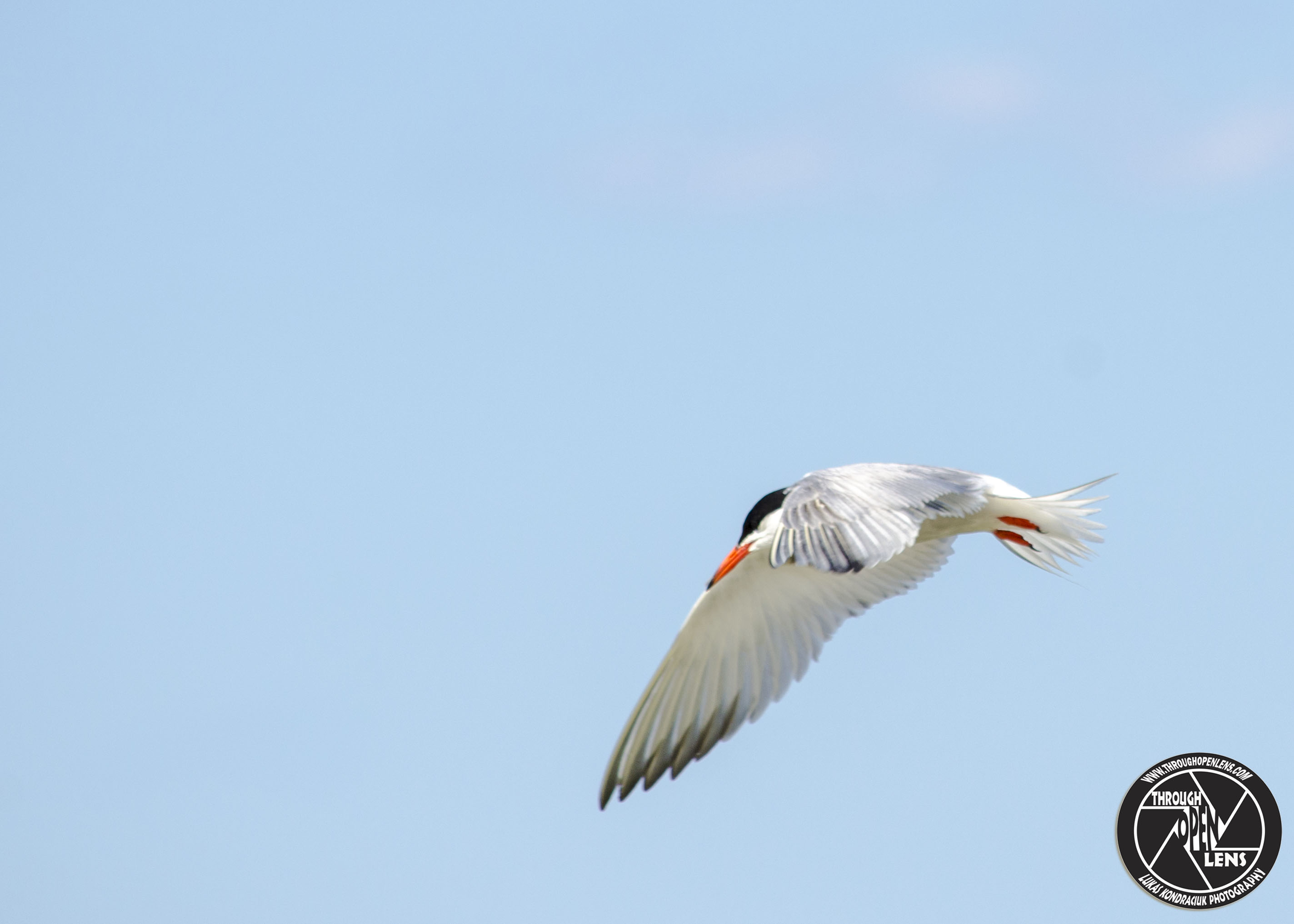
Common Tern

Why do you always see teen girls in groups of three?

Because they literally can’t even.

Interesting Fact: Males and females make a small scrape on the ground. Females add dead vegetation that has washed onshore, shell fragments, bones, stones, and sometimes plastic to the nest scrape before and after laying eggs.  ( https://www.allaboutbirds.org/guide/Common_Tern/lifehistory )


Let The Sea Set You Free.

F/13.0, 1/640, ISO 400.

Common Terns

Why was the math textbook so sad?

He had a lot of problems!

Interesting Fact: The Common Tern is sometimes called the sea swallow. A group of common terns are collectively known as a “committee” of terns. ( http://identify.whatbird.com/mwg/_/0/identify.whatbird.com/obj/465/overview/Common_Tern.aspx )


Fish Out Of The Water!

F/10.0, 1/400, ISO 250.

Common Terns

How do birds fly?

They just wing it!

Interesting Fact: Common Terns nest in colonies on the ground in areas with loose sand, gravel, shell, or cobble pebbles typically less than 350 feet from the water. They tend to choose areas with scattered, low-growing vegetation to provide cover for chicks.  ( https://www.allaboutbirds.org/guide/Common_Tern/lifehistory )

If You Have Someting Stupid To Say… Please Raise Your Hand… And Put It Firmly Over Your Mouth!

F/6.3,1/160, ISO 400.

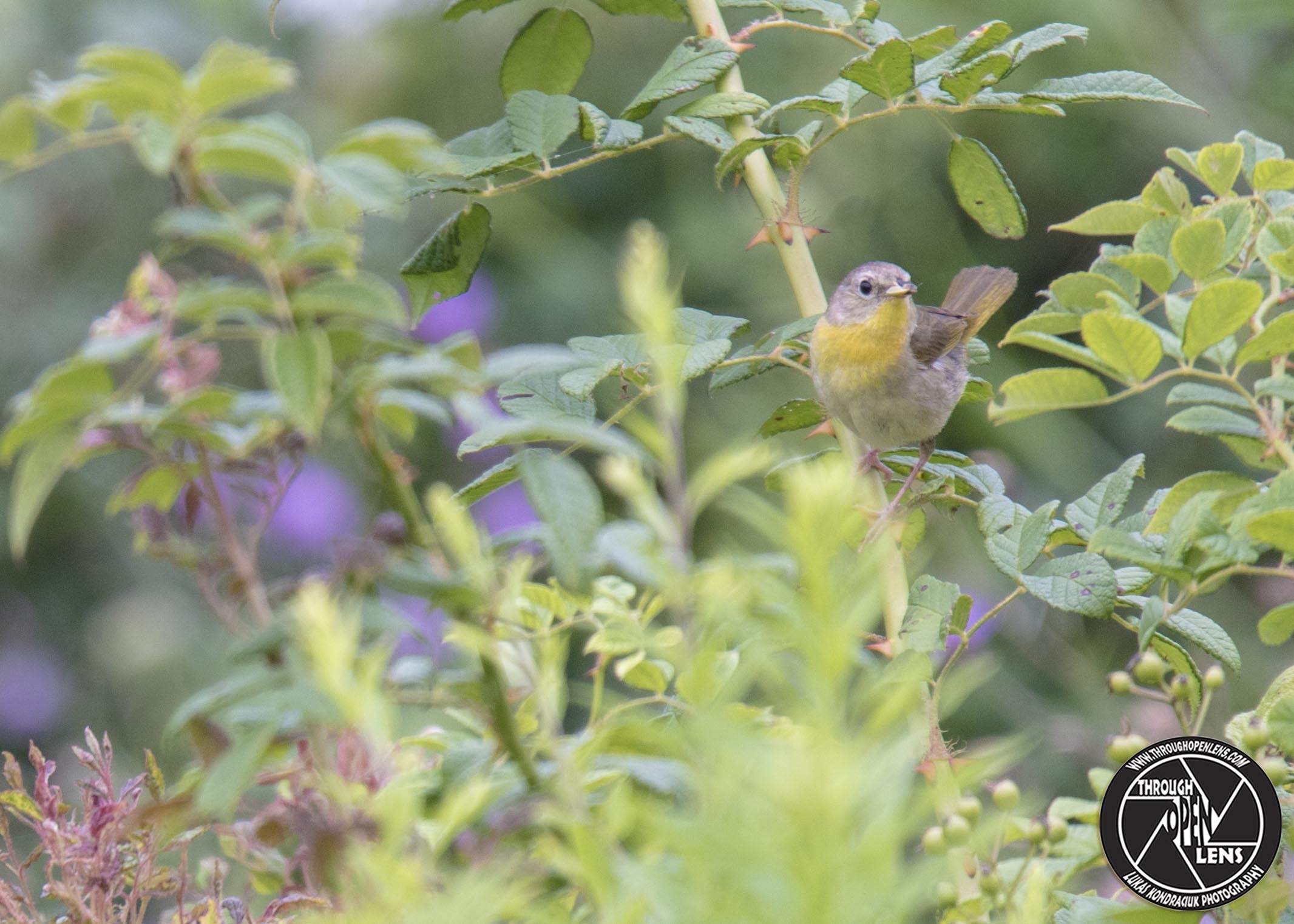
Common Yellowthroat ( Female ) 

Why are frogs always so happy?

They eat what ever bugs them

Interesting Fact: The Common Yellowthroat was one of the first bird species to be catalogued from the New World, when a specimen , from Maryland was described by Linnaeus in 1766. ( https://www.allaboutbirds.org/guide/Common_Yellowthroat )/

It Will Be A Good Day As Long As You Won’t Hit Or Bite Anyone!

F/6.3, 1/80, ISO 320.

Common Yellowthroat

Why is Peter Pan always flying?

Because he neverlands.

Interesting Fact: Each male normally has only one mate in his territory during a breeding season. However, a female’s mating calls often attract other males, and she may mate with them behind her mate’s back. ( https://www.allaboutbirds.org/guide/Common_Yellowthroat/ )

I’m Sorry I Offended You Whith My Common Sense

F/8.0, 1/250, ISO 250.

Common Murre

Where do polar bears vote?

The North Poll.

Interesting Fact:  In the Atlantic, some populations include “bridled” or “ringed” individuals, which have a white eye-ring and a white line extending backward from the eyes. Bridled birds are more common farther north. ( https://www.allaboutbirds.org/guide/Common_Murre/overview )

Eat My Shorts, Dude!

F/7.1, 1/200, ISO 320.

Common Grackle 

Why do golfers wear two pairs of pants?

In case they get a hole in one!

Interesting Fact: Grackles have a hard keel on the inside of the upper mandible that they use for sawing open acorns. Typically they score the outside of the narrow end, then bite the acorn open. ( https://www.allaboutbirds.org/guide/Common_Grackle/lifehistory )

Take Off And See Whats Out There!

F/7.1, 1/200, ISO 400.

Common Merganser ( Female )

Why was the baby strawberry crying?

Because her mom and dad were in a jam.

Interesting Fact: The female chooses the nest site, which is usually in a natural cavity or woodpecker hole in a live or dead tree, up to 100 feet off the ground and within a mile of water. Common Mergansers nest less frequently in rock crevices, old sheds, chimneys, lighthouses, holes in banks, holes in the ground, hollow logs, and burrows. They readily nest in boxes, including those designed for the much smaller Common Goldeneye. Sometimes they nest on the ground. ( https://www.allaboutbirds.org/guide/Common_Merganser/lifehistory )