Come Swim With Me!

F/5.6, 1/500, ISO 250.

Horned Grebe

What is a witch’s favorite subject in school?

Spelling.

Interesting Fact:  Like most grebes, the small chicks of the Horned Grebe frequently ride on the backs of their swimming parents. The young ride between the wings on the parent’s back, and may even go underwater with them during dives. ( https://www.allaboutbirds.org/guide/Horned_Grebe/lifehistory )
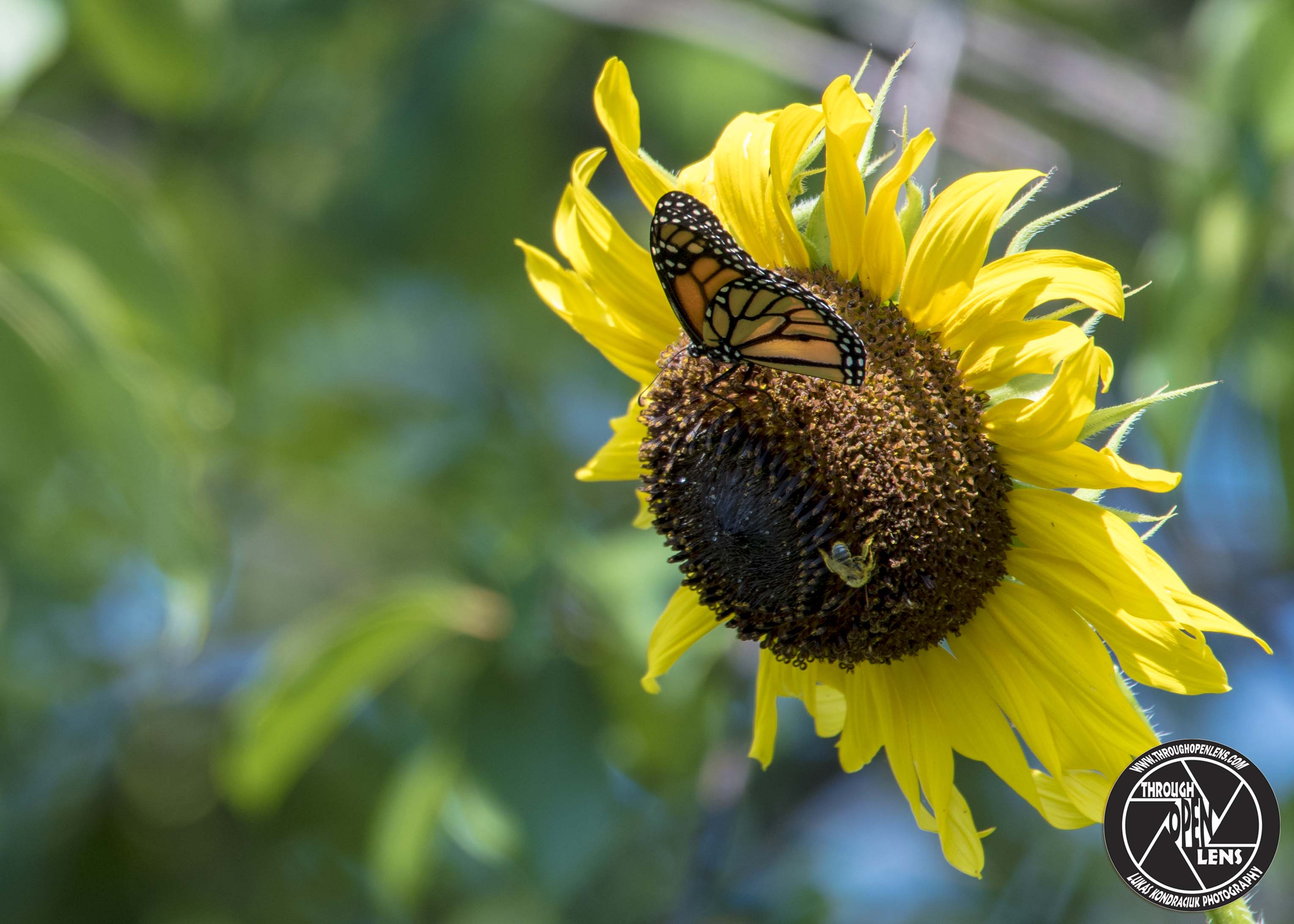
Live Life Sunny Side Up!

F/8.0, 1/125, ISO 160.

Butterfly

Why did the skeleton burp?

Because it didn’t have the guts to fart.

Interesting Fact: Butterflies can eat anything that can dissolve in water. They mostly feed on nectar from flowers but also eat tree sap, dung, pollen, or rotting fruit. They are attracted to sodium found in salt and sweat. This is why they sometimes even land on people in Butterfly Parks. Sodium as well as many other minerals is vital for the butterflies reproduction. ( http://www.whatdobutterflieseat.info/ )

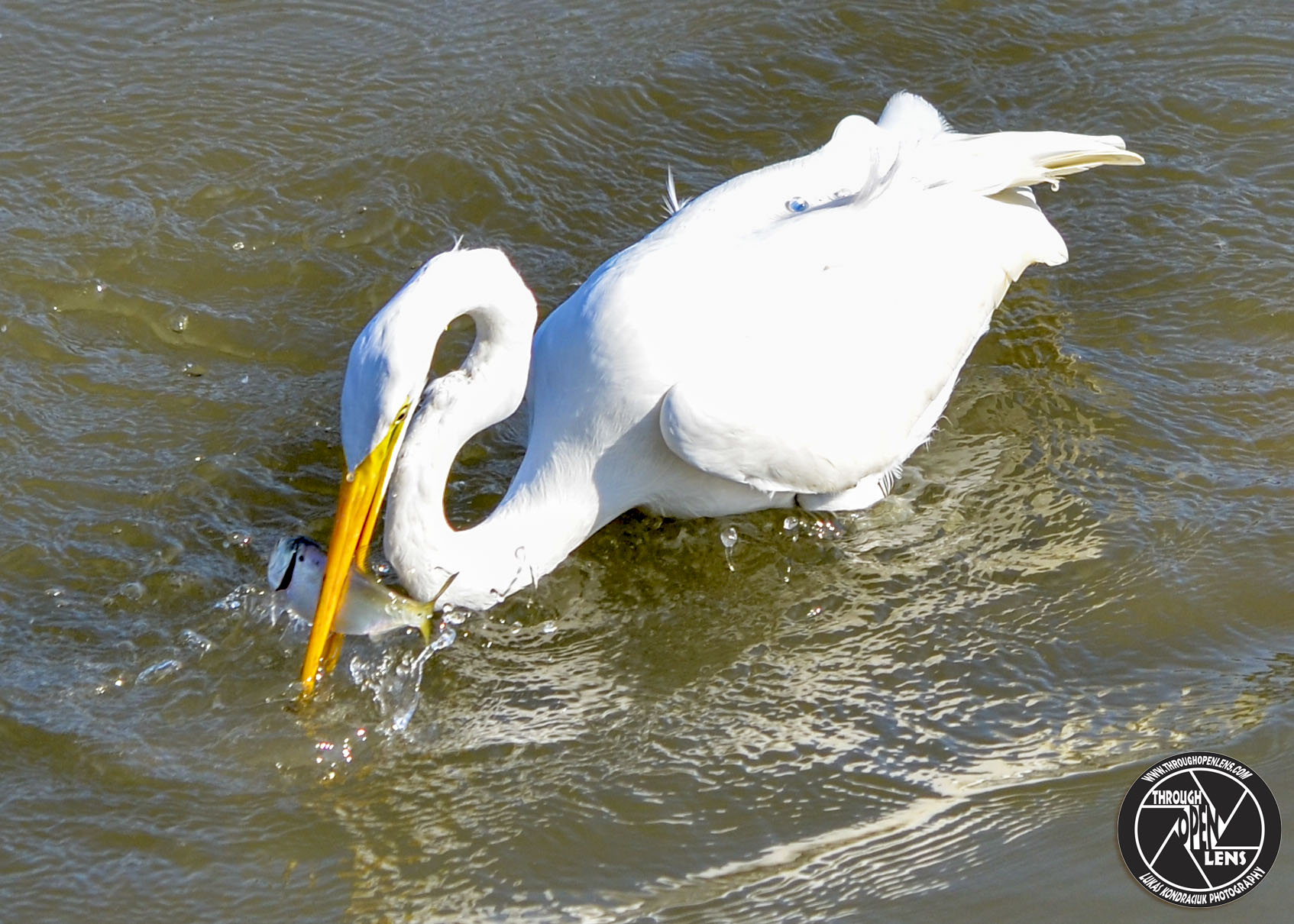
May The Fish Be With You!

F/6.3, 1/640, ISO 200.

Great Egret 

What did the ghost teacher say to her class?

Watch the board and I’ll go through it again.

Interesting Fact: Visit a pond or coastal marsh and look for an all-white bird—slightly smaller than a Great Blue Heron, with black legs and a yellow bill. It may be wading slowly or standing stock-still, peering intently at the water as it searches for fish. If you live outside of the species’ breeding range, you may still see Great Egrets in late summer as they move about widely before heading to their wintering grounds. ( https://www.allaboutbirds.org/guide/Great_Egret )


Should We Drink Today… Or Drink Today And Tomorrow… We are Confused!

F/6.3, 1/640, ISO 200.

Greater Yellowlegs

Why do ghosts carry tissues?

Because they have BOOOOgers.

Interesting Fact: The Greater Yellowlegs nests on the ground often at the base of short, coniferous trees. Nests from the previous year are occasionally reused in subsequent years.  ( https://www.allaboutbirds.org/guide/Greater_Yellowlegs/lifehistory )


I Need A Hug!

F/5.6, 1/500, ISO 200.

Double-Crested Cormorant 

What do birds do on their free time?

They check their Twitter account.

Interesting Fact: Double-crested cormorants are gregarious birds that are almost always near water. Their main two activities are fishing and resting, with more than half their day spent on the latter. When at rest, a cormorant will choose an exposed spot on a bare branch or a windblown rock, and often spread its wings out, which is thought to be a means of drying their feathers after fishing. ( https://www.allaboutbirds.org/guide/Double-crested_Cormorant/lifehistory )


I always have been so busy drinking the nectar, that I’ve never taken the time to smell the flowers.

F/5.6, 1/125, ISO 800.

Butterfly

Why don’t skeletons fight each other?

They don’t have the guts.

Interesting Fact: Butterflies can taste with their feet. They have six lets and they each have sensors on them that can tell just by landing on a flower what it taste like. ( http://www.whatdobutterflieseat.info )

In Memory Of 9/11

F/16.0, 30.0, ISO 160.

We Will Never Forget 9/11.

Interesting Fact: On clear nights, the lights can be seen from over 60 miles (97 km) away, visible in all of New York City and most of suburban Northern New Jersey and Long Island. The lights can also be seen in Fairfield County, Connecticut, as well as Westchester, Orange, and Rockland counties in New York. The beams have been clearly visible as far north as the terrace at Century Country Club in Purchase, New York, from at least as far west as western Morris County, in Flanders, New Jersey, at least as far east as the barrier beach of Fire Island in Suffolk County, New York on Long Island, and as far south near Trenton, New Jersey in nearby Hamilton. ( https://en.m.wikipedia.org/wiki/Tribute_in_Light )

By Invitation Only!

F/5.6, 1/500, ISO 200.

Mallard Female

Why do barbers make good drivers?

They know all the shortcuts.

Interesting Fact: During egg-laying phase, she lines the nest with grasses, leaves, and twigs from nearby. She also pulls tall vegetation over to conceal herself and her nest. After incubation begins, she plucks down feathers from her breast to line the nest and cover her eggs. The finished nest is about a foot across, with a bowl for the eggs that is 1–6 inches deep and 6–9 inches across. ( https://www.allaboutbirds.org/guide/Mallard/lifehistory )

Everyone Tells Me To Keep My Head Up But Food Is Down Here

F/6.3, 1/640, ISO 200.

Willet

Did your hear about the man with a broken left arm and broken left leg?

Don’t worry he’s “ALRIGHT” now!

Interesting Fact: Willets breeding in the interior of the West differ from the Atlantic Coastal form in ecology, shape, and subtly in calls. Western Willets breed in freshwater habitats, and are slightly larger and paler gray. Eastern Willets have stouter bills and more barring on their chest and back. The difference in pitch between the calls of the two subspecies is very difficult for a person to detect, but the birds can hear the difference and respond more strongly to recorded calls of their own type.  ( https://www.allaboutbirds.org/guide/Willet/lifehistory )

We Are Not Talking If You Are Wondering!

F/6.3, 1/640, ISO 200.

Greater Yellowlegs

What’s invisible and smells like carrots?

Bunny Farts!

Interesting Fact: The Greater Yellowlegs walks with a distinctive high-stepping gait across wetlands when foraging, occasionally dashing forward in pursuit of a prey item. Compared to other shorebirds, the Greater Yellowlegs is often rather solitary.  ( https://www.allaboutbirds.org/guide/Greater_Yellowlegs/lifehistory )