You Taste Like Sunshine!

F/6.3, 1/125, ISO 400.

American Goldfinch ( Breeding Female )

What did the banana say to the doctor?

“I’m not peeling well.”

Interesting Fact: Male and female move around together to choose a suitable nest site. The female builds the nest, usually in a shrub or sapling in a fairly open setting rather than in forest interior. The nest is often built high in a shrub, where two or three vertical branches join; usually shaded by clusters of leaves or needles from above, but often open and visible from below. ( https://www.allaboutbirds.org/guide/American_Goldfinch/lifehistory )
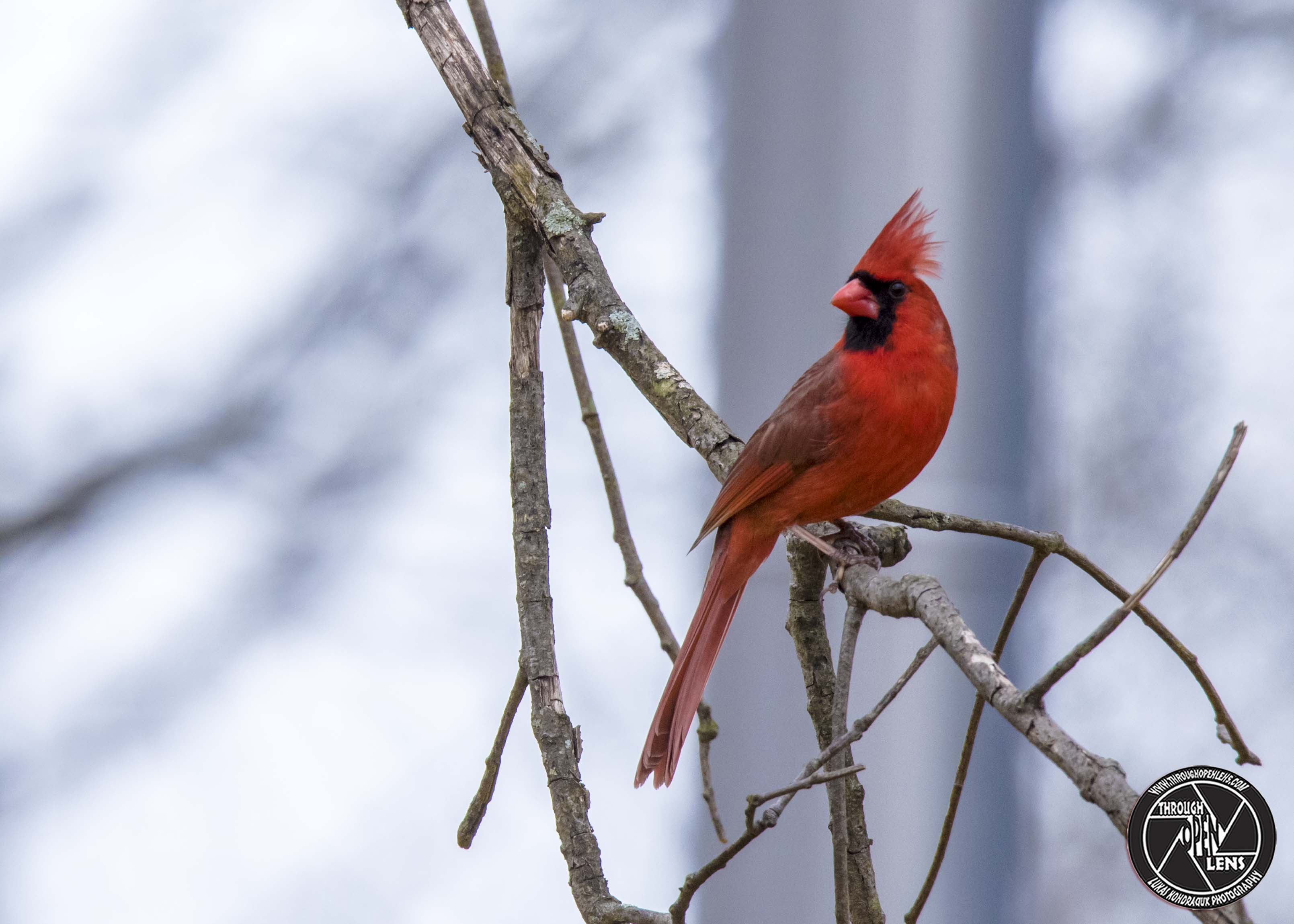
I Was Redhead Before It Was Cool!

F/10.0, 1/400, ISO 640.

Northern Cardinal ( Male ) 

Why did Captain Kirk go in to the ladies room? 

Because he wanted to go where no man had gone before.

Interesting Fact:  The Cardinal nest typically takes 3 to 9 days to build; the finished product is 2-3 inches tall, 4 inches across, with an inner diameter of about 3 inches. Cardinals usually don’t use their nests more than once. ( https://www.allaboutbirds.org/guide/Northern_Cardinal/lifehistory )

You Give Me The Chills!

F/10.0, 1/400, ISO 160.

Red-tailed Hawk

Two snakes are talking.

One of them turns to the other and asks, “Are we venomous?”

The other replays, “Yes,why?…”

“I just bit ma lip.”

Interesting Fact: Red-tailed Hawks typically put their nests in the crowns of tall trees where they have a commanding view of the landscape. They may also nest on a cliff ledge or on artificial structures such as window ledges and billboard platforms. ( https://www.allaboutbirds.org/guide/Red-tailed_Hawk/lifehistory

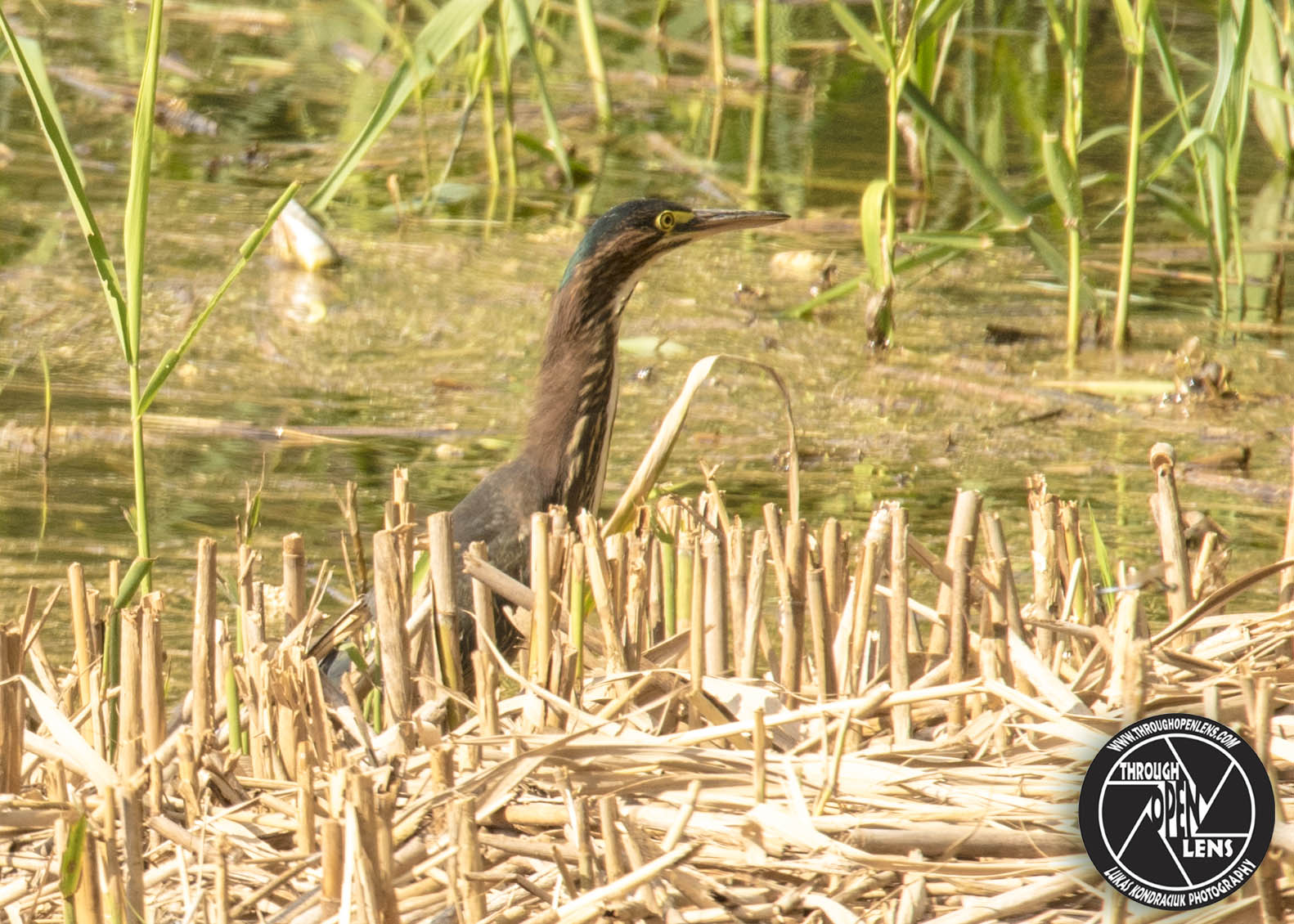
Peek A Boo!

F/9.0, 1/320, ISO 250.

Green Heron

Why are ghosts so bad at lying?

Because you can see right through them!

Interesting Fact: Green Herons usually hunt by wading in shallow water, but occasionally they dive for deep-water prey and need to swim back to shore—probably with help from the webs between their middle and outer toes. One juvenile heron was seen swimming gracefully for more than 60 feet, sitting upright “like a little swan,” according to one observer. ( https://www.allaboutbirds.org/guide/Green_Heron/lifehistory )

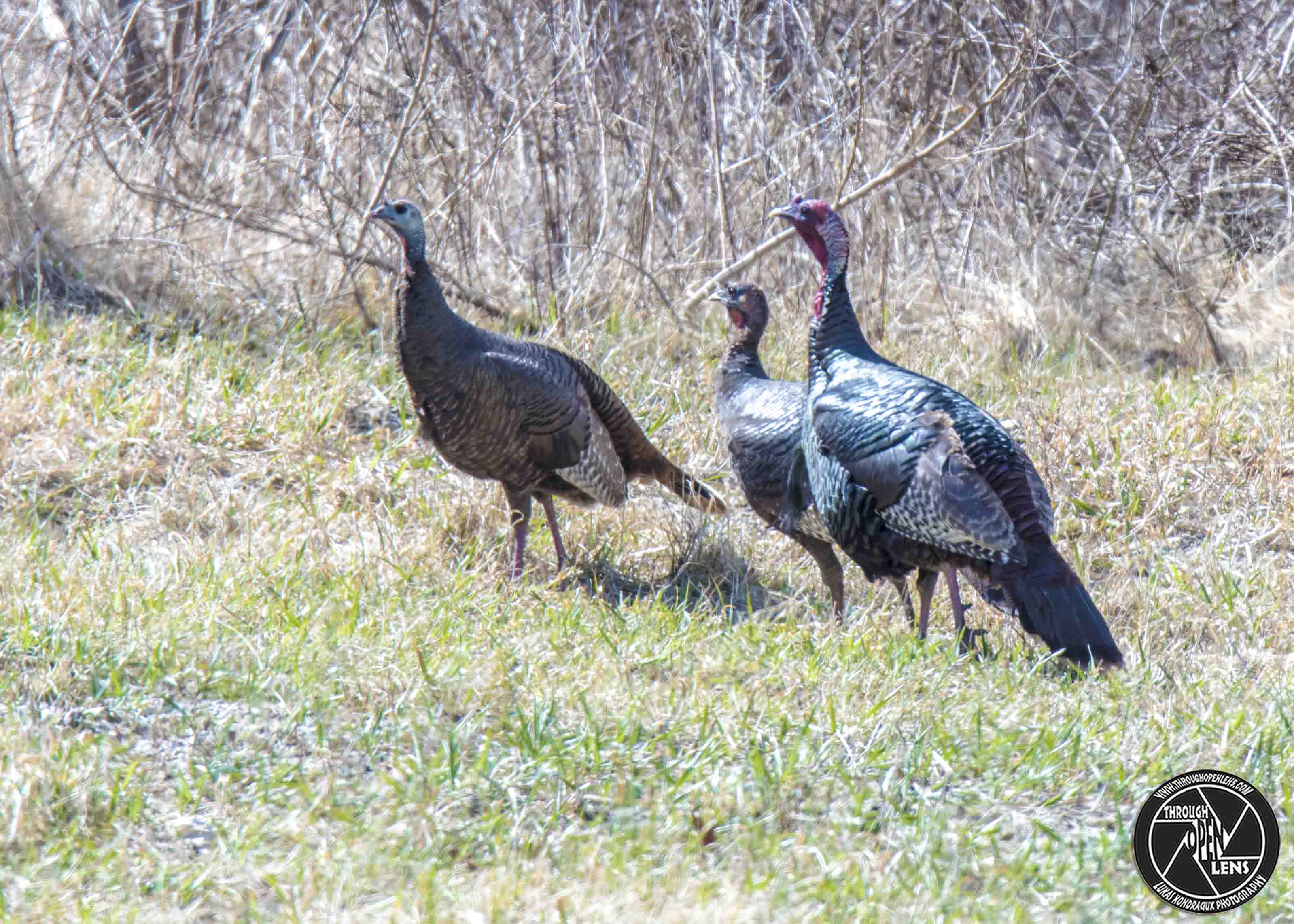
Wild Bunch!

F/9.0, 1/320, ISO 320.

Wild Turkeys

Why couldn’t the leopard play hide and seek?

Because he was always spotted.

Interesting Fact: The female scratches a shallow depression in the soil, about 1 inch deep, 8–11 inches wide, and 9–13 inches long. Wild Turkeys use only the dead leaves or other plant materials already present at the nest site. ( https://www.allaboutbirds.org/guide/Wild_Turkey/lifehistory )


That Hawkward Moment!

F/7.1, 1/200, ISO 400.

A pirate walks into a bar with a steering wheel on his pants, a peg leg and a parrot on his shoulder. The bartender says, “Hey, you’ve got a steering wheel on your pants.”

The pirate says, “Arrrr, I know. It’s driving me nuts.”

Interesting Fact: ed-tailed Hawks typically put their nests in the crowns of tall trees where they have a commanding view of the landscape. They may also nest on a cliff ledge or on artificial structures such as window ledges and billboard platforms. ( https://www.allaboutbirds.org/guide/Red-tailed_Hawk/lifehistory )

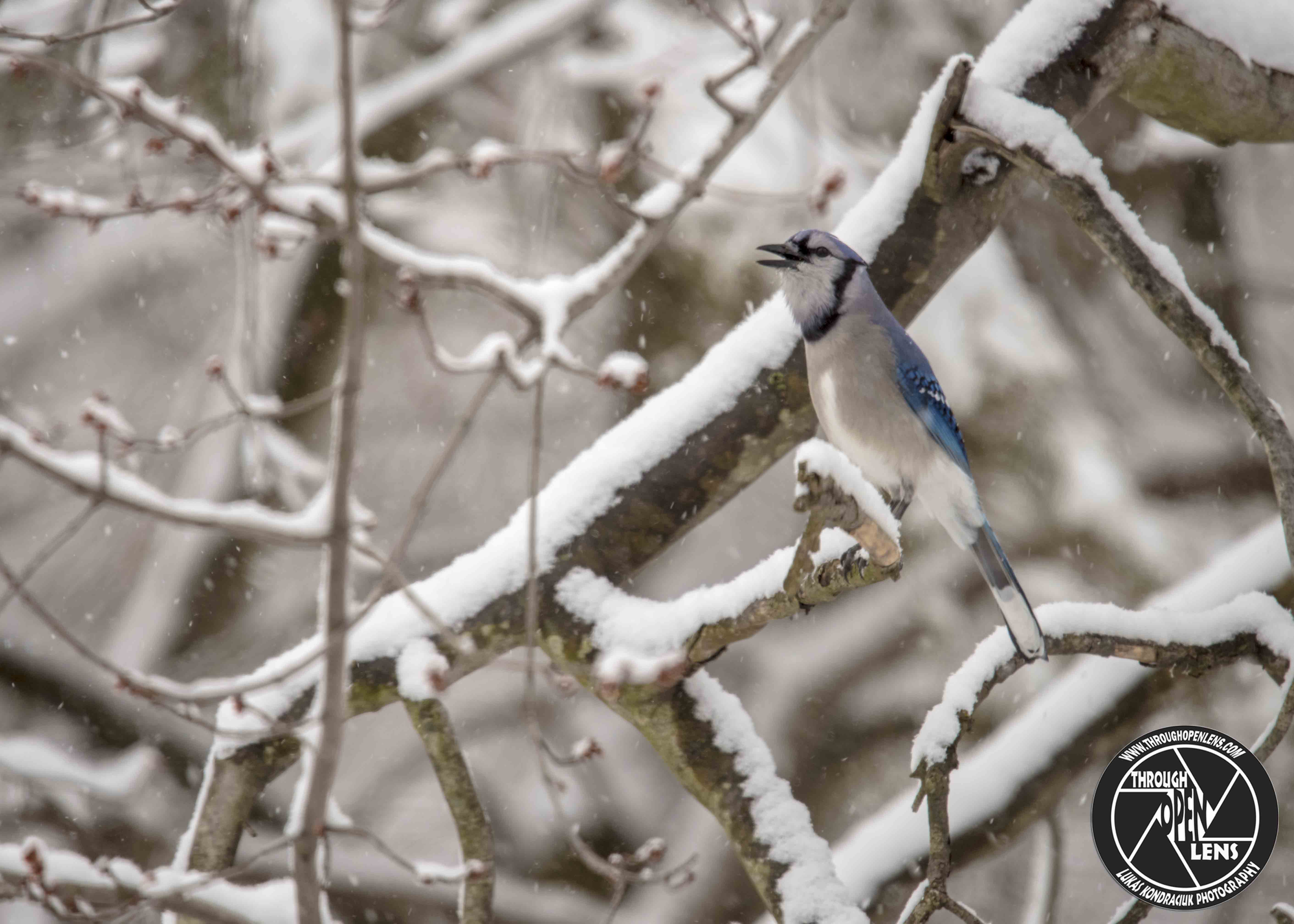
Let It Snow! Let It Snow! The Cold Never Bothered Me Anyway!

F/6.3, 1/160, ISO 400.

Blue Jay

Bobby went in to a pet shop.

He asked the employee, “Can I buy a goldfish?”

The employee: “Do you want an aquarium?”

Bobby: “I don’t care what star sign it is.”

Interesting Fact: Blue Jays are known to take and eat eggs and nestlings of other birds, but we don’t know how common this is. In an extensive study of Blue Jay feeding habits, only 1% of jays had evidence of eggs or birds in their stomachs. Most of their diet was composed of insects and nuts. (  https://www.allaboutbirds.org/guide/Blue_Jay )

I Am As Low As Your Lowrider!

F/9.0, 1/320, ISO 250.

Carolina Wren 

How do you drown a Hipster?

In the mainstream.

Interesting Fact: They are known to build multiple nests to confuse predators. ( http://identify.whatbird.com/obj/677/overview/Carolina_Wren.aspx )


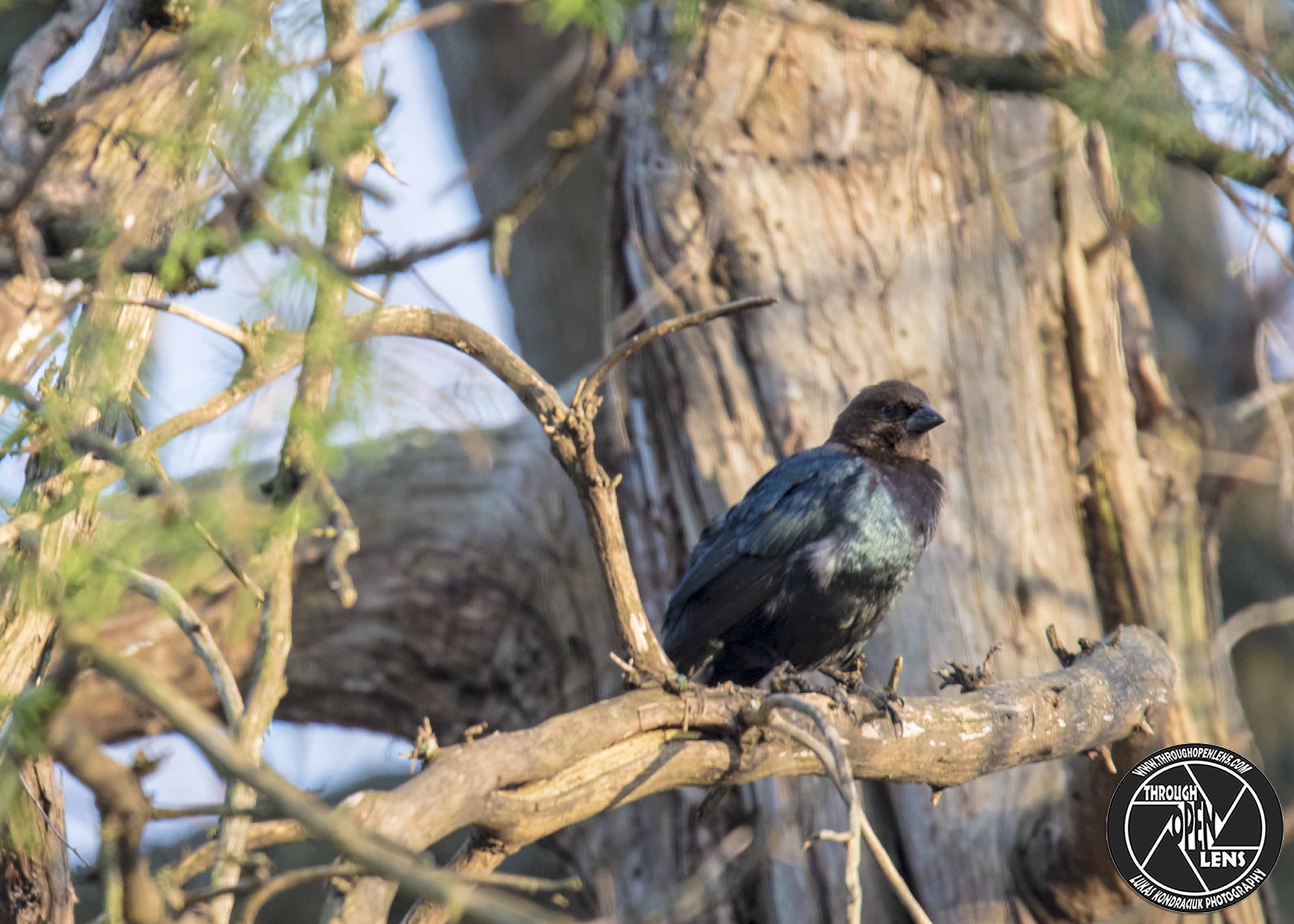
Don’t Questions My Parenting!

F/6.3, 1/80, ISO 500.

Brown-headed Cowbird

I’ve just opened a new restaurant called Karma.

There’s no menu, we just give you what you deserve.

Interesting Fact: The Brown-headed Cowbird is North America’s most common “brood parasite.” A female cowbird makes no nest of her own, but instead lays her eggs in the nests of other bird species, who then raise the young cowbirds. ( https://www.allaboutbirds.org/guide/Brown-headed_Cowbird )

Don’t Forget To Set Your Scales Back 15 lbs Tonight.

F/6.3, 1/50, ISO 500.

Wild Turkey Male

What happened then the Turkey got into a fight?

He got the stuffing knocked out of him.

Interesting Fact: They display for females by strutting with their tails fanned, wings lowered, while making nonvocal hums and chump sounds. Males breed with multiple mates and form all-male flocks outside of the breeding season, leaving the chick-rearing to the females, The chicks travel in a family group with their mother, often combining with other family groups to form large flocks of young turkeys accompanied by two or more adult females. ( https://www.allaboutbirds.org/guide/Wild_Turkey/lifehistory )