Here’s Looking At You, Kid

F/11.0, 1/500, ISO 320.

Red-tailed Hawk

Why can you never trust atoms?

They make up everything!

Interesting Fact: Birds are amazingly adapted for life in the air. The Red-tailed Hawk is one of the largest birds you’ll see in North America, yet even the biggest females weigh in at only about 3 pounds. A similar-sized small dog might weigh 10 times that. ( https://www.allaboutbirds.org/guide/Red-tailed_Hawk/lifehistory )
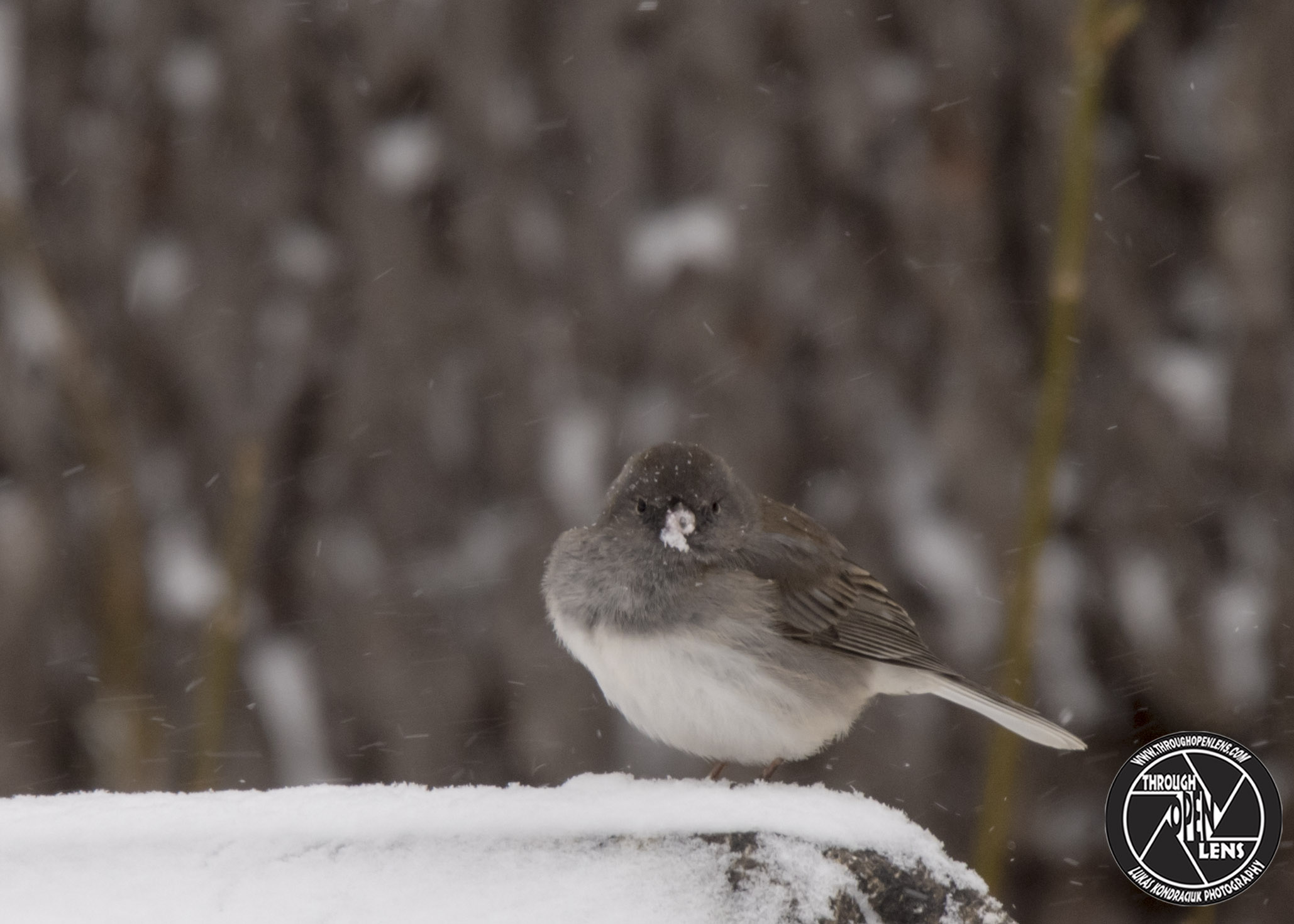
I Am Addicted To Snow!

F/7.1, 1/200, ISO 320.

Dark-eyed Junco

How does a Snowman get to work?

By icicle.

Interesting Fact: Dark-eyed Juncos breed in forests across much of North America and at elevations ranging from sea level to more than 11,000 feet. They are often found in coniferous forests incuding pine, Douglas-fir, spruce, and fir, but also in deciduous forests such as aspen, cottonwood, oak, maple, and hickory. During winter and on migration they use a wider variety of habitats including open woodlands, fields, roadsides, parks, and gardens. ( https://www.allaboutbirds.org/guide/Dark-eyed_Junco/lifehistory )

When Fears Are Grounded Dreams Take Flight

F/13.0, 1/640, ISO 320.

Ruby-throated Hummingbird

Where do you learn how to make ice cream?

Sundae School

Interesting Fact: The Ruby-throated Hummingbird beats its wings about 53 times a second. ( https://www.allaboutbirds.org/guide/Ruby-throated_Hummingbird  )

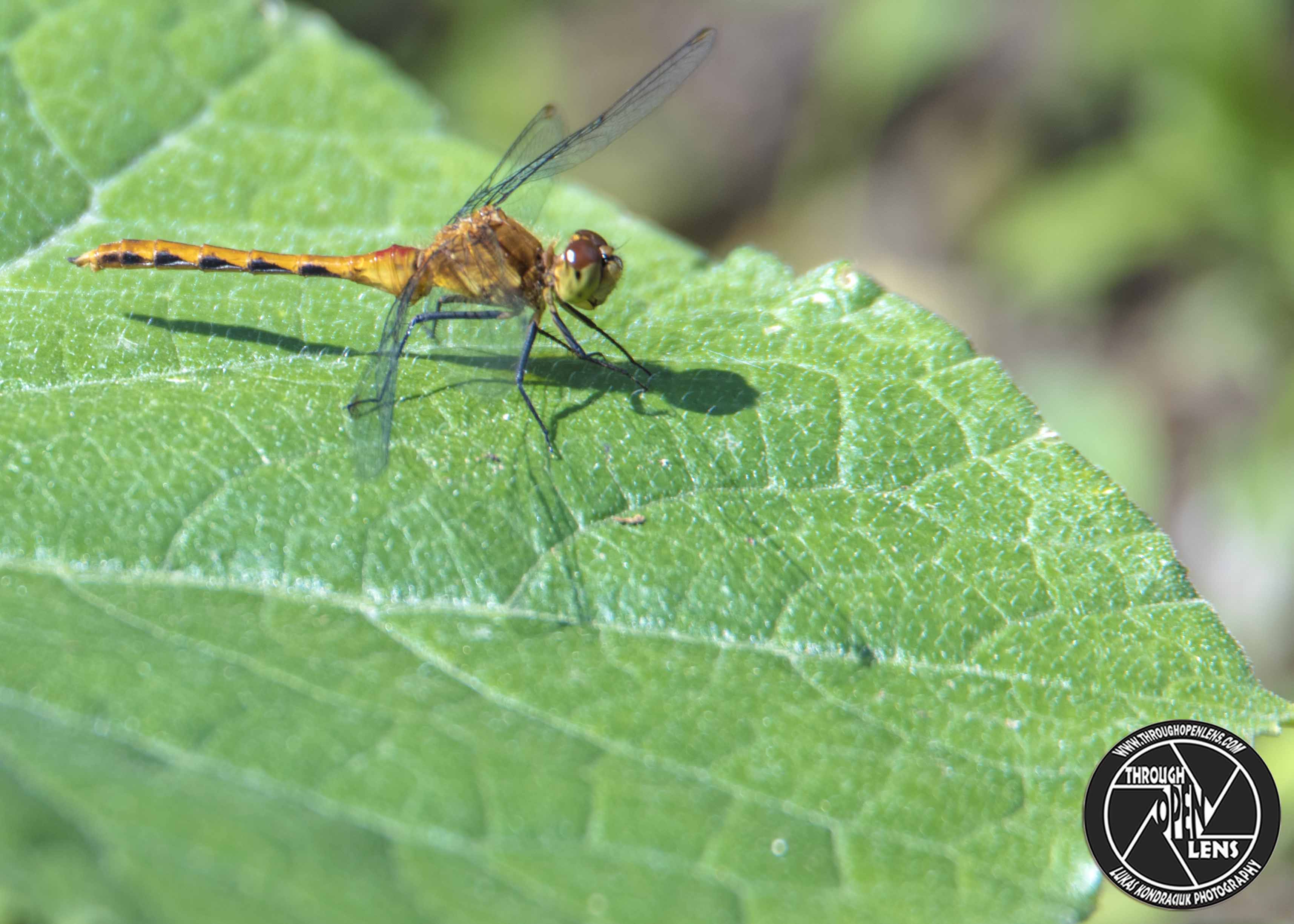
Let Me Give You The Skinney

F/7.1, 1/200, ISO 200.

Dragonfly

What do you get when you cross a parrot with a shark?

An animal that talks your head off.

Interesting Fact: Old and unreliable claims are made that dragonflies such as the southern giant darner can fly up to 60 miles per hour (97 km/h).[50] However, the greatest reliable flight speed records are for other types of insects.[51] In general, large dragonflies like the hawkers have a maximum speed of 10–15 metres per second (22–34 mph) with average cruising speed of about 4.5 metres per second (10 mph).[52] Dragonflies can fly at 100 body-lengths per second, and three lengths per second backwards. ( https://en.wikipedia.org/wiki/Dragonfly#Flight )

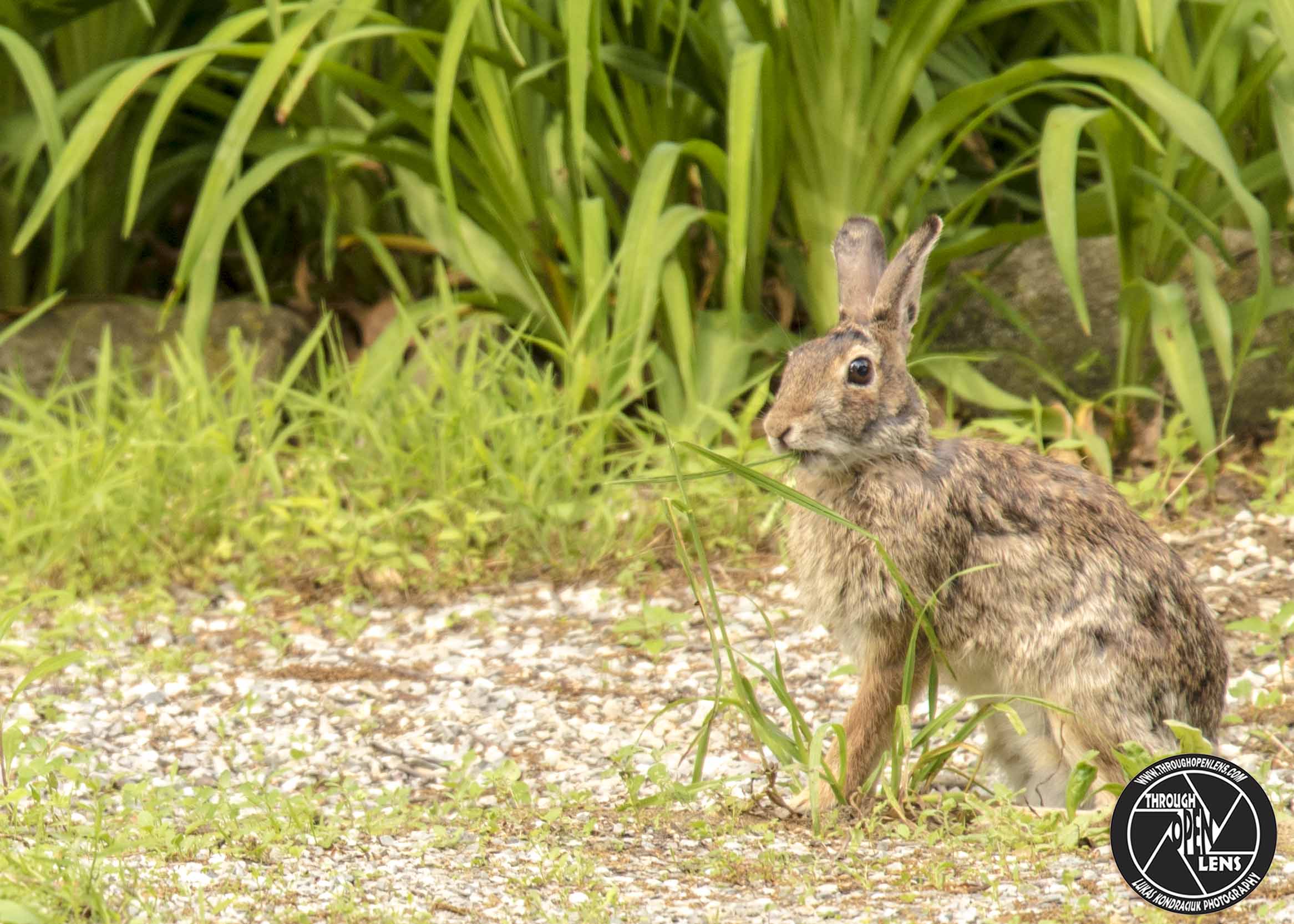
I’m Not Mean. You’re Just A Sissy!

F/7.1, 1/200, ISO 250.

Eastern Cottontail Rabbit

What do rabbits say before they eat?

Lettuce pray.

Interesting Fact: Females give birth in shallow ground nests, to young so helpless that perhaps only 15 percent survive their first year. Fortunately, rabbits breed three or four times every year and produce three to eight young each time.  ( https://www.nationalgeographic.com/animals/mammals/e/eastern-cottontail-rabbit/ )

Start Every Day With A Smile

F/8.0, 1/250, ISO 320.

Azaleas

Why are trees very forgiving?

Because in the Fall they “Let It Go” and in the Spring they “turn over a new leaf”.

Interesting Fact:Azaleas/əˈzliə/ are flowering shrubs in the genus Rhododendron, particularly the former sections Tsutsuji (evergreen) and Pentanthera (deciduous). Azaleas bloom in spring, their flowers often lasting several weeks. Shade tolerant, they prefer living near or under trees. They are part of the family Ericaceae.

I Live In The Meow!

F/6.3, 1/60, ISO 320.

Gray Catbird

Why did the computer break up with the internet?

There was no “Connection”.

Interesting Fact:  The Gray Catbird’s long song may last for up to 10 minutes. ( https://www.allaboutbirds.org/guide/Gray_Catbird )

I Really Regret Eating Healthy Today… Said No-One Ever.

F/6.3, 1/100, ISO 320.

Brown-headed Cowbird

What did the stamp say to the envelope?

Stick with me and we will go places!

Interesting Fact: Brown-headed Cowbird lay eggs in the nests of more than 220 species of birds. Recent genetic analyses have shown that most individual females specialize on one particular host species. ( https://www.allaboutbirds.org/guide/Brown-headed_Cowbird/  )

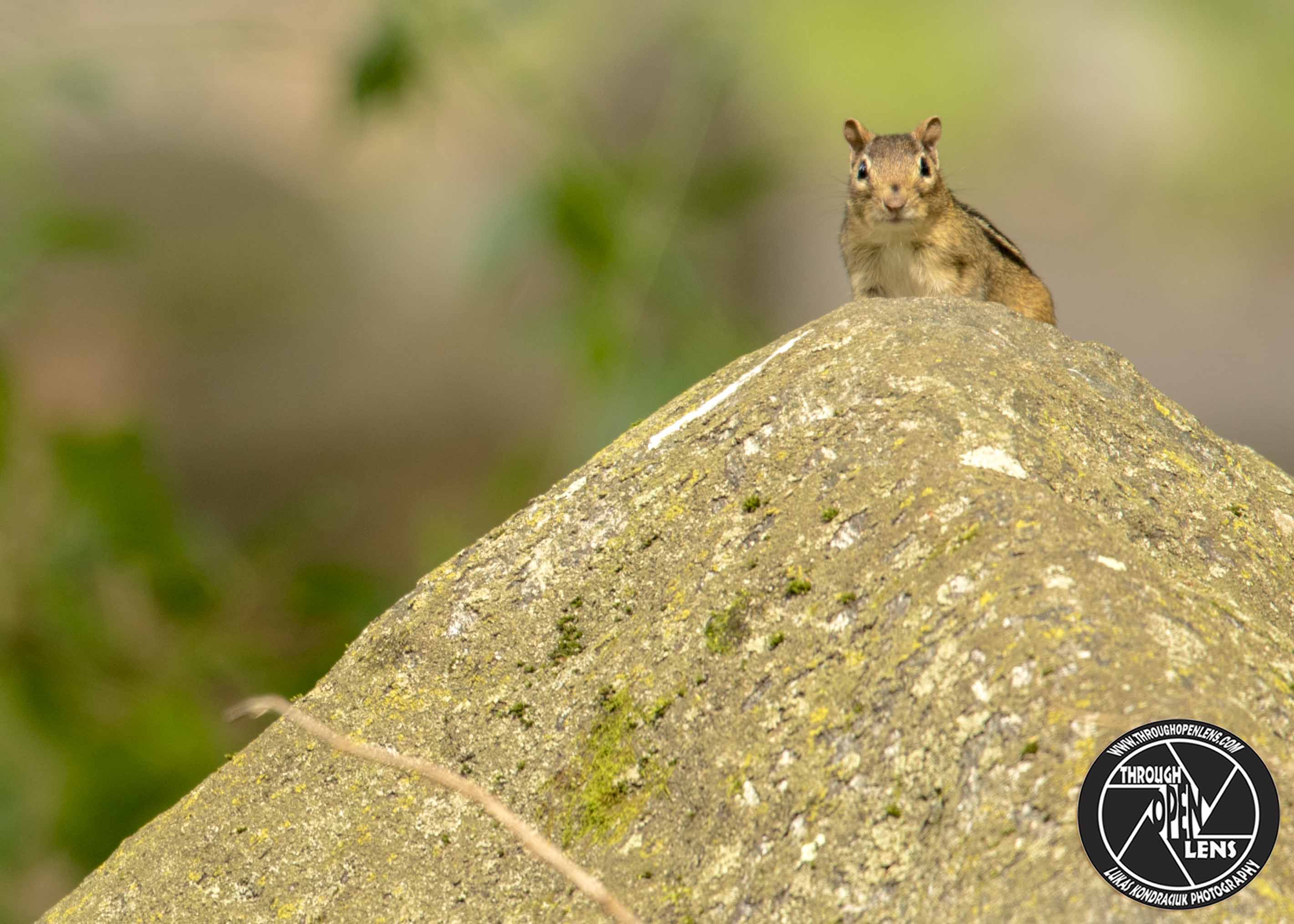
Im On Top Of The World!

F/6.3, 1/100, ISO 250.

Chipmunk

Why was the chipmunk late for work?

Traffic was NUTS.

Interesting Fact: Their shrill, repeated, birdlike chirp is usually made upon sensing a threat but is also thought to be used as a mating call by females. Chipmunks are solitary creatures and normally ignore one another except during the spring, when mating takes place. After a 30-day gestation, a litter of two to eight is born. The young stay with their parents for two months before they begin to gather their own provisions for the winter ahead. ( https://www.nationalgeographic.com/animals/mammals/group/chipmunks/ )

Stay Golden Ponyboy!

F/6.3, 1/180, ISO 320.

American Goldfinch

Who earns a living driving their customers away?

A taxi driver.

Interesting Fact: Goldfinches move south in winter following a pattern that seems to coincide with regions where the minimum January temperature is no colder than 0 degrees Fahrenheit on average. ( https://www.allaboutbirds.org/guide/American_Goldfinch )