Just Be Free!

F/10.0, 1/400, ISO 250.

Wild Turkeys 

What animal should you never play cards with?

A cheetah.

Interesting Fact: Because of their large size, compact bones, and long-standing popularity as a dinner item, turkeys have a better known fossil record than most other birds. Turkey fossils have been unearthed across the southern United States and Mexico, some of them dating from more than 5 million years ago. ( https://www.allaboutbirds.org/guide/Wild_Turkey/lifehistory )


I Just Love The Way I Feel, Hmmm.

F/11.0, 1/500, ISO 200.

Mute Swan

What do clouds do when they become rich?

They make it rain!

Interesting Fact: Mute Swans form long-lasting pair bonds. Their reputation for monogamy along with their elegant white plumage has helped establish them as a symbol of love in many cultures. ( https://www.allaboutbirds.org/guide/Mute_Swan/lifehistory )

I Hate When I’m Staring At Nothing In Particular, And Then Realize I’m Staring At Someone.

F/9.0, 1/320, ISO 160.

White-breasted Nuthatch

When do people start using their trampoline?

Spring-Time

Interesting Fact: White-breasted Nuthatches forage up, down, and sideways over tree trunks and around large branches. They often (though not always) start high in trees and move down them head first, pausing to crane their necks up and back, toward the horizontal, for a look around. They probe into bark crevices or chip away at wood to find food. When they find large nuts and seeds, they jam them into the bark and hammer them open. White-breasted Nuthatches often store seeds and insects one at a time, and somewhat haphazardly, under loose bark on their territory. They typically hide the food by covering it with a piece of bark, lichen, moss, or snow. ( https://www.allaboutbirds.org/guide/White-breasted_Nuthatch/id )

My Life Feels Like A Test I Didn’t Study For.

F/9.0, 1/320, ISO 320.

Peregrine Falcon

What is the difference between inlaws and outlaws?

Outlaws are wanted! (or You can shoot outlaws!)

Interesting Fact: When hunting, Peregrines start by watching from a high perch or by flapping slowly or soaring at great height. Stoops begin 300–3,000 feet above their prey and end either by grabbing the prey or by striking it with the feet hard enough to stun or kill it. They then catch the bird and bite through the neck to kill it. ( https://www.allaboutbirds.org/guide/Peregrine_Falcon/lifehistory )


Life Is Like A Cactus, Full Of Pricks, But Also Very Beautiful.

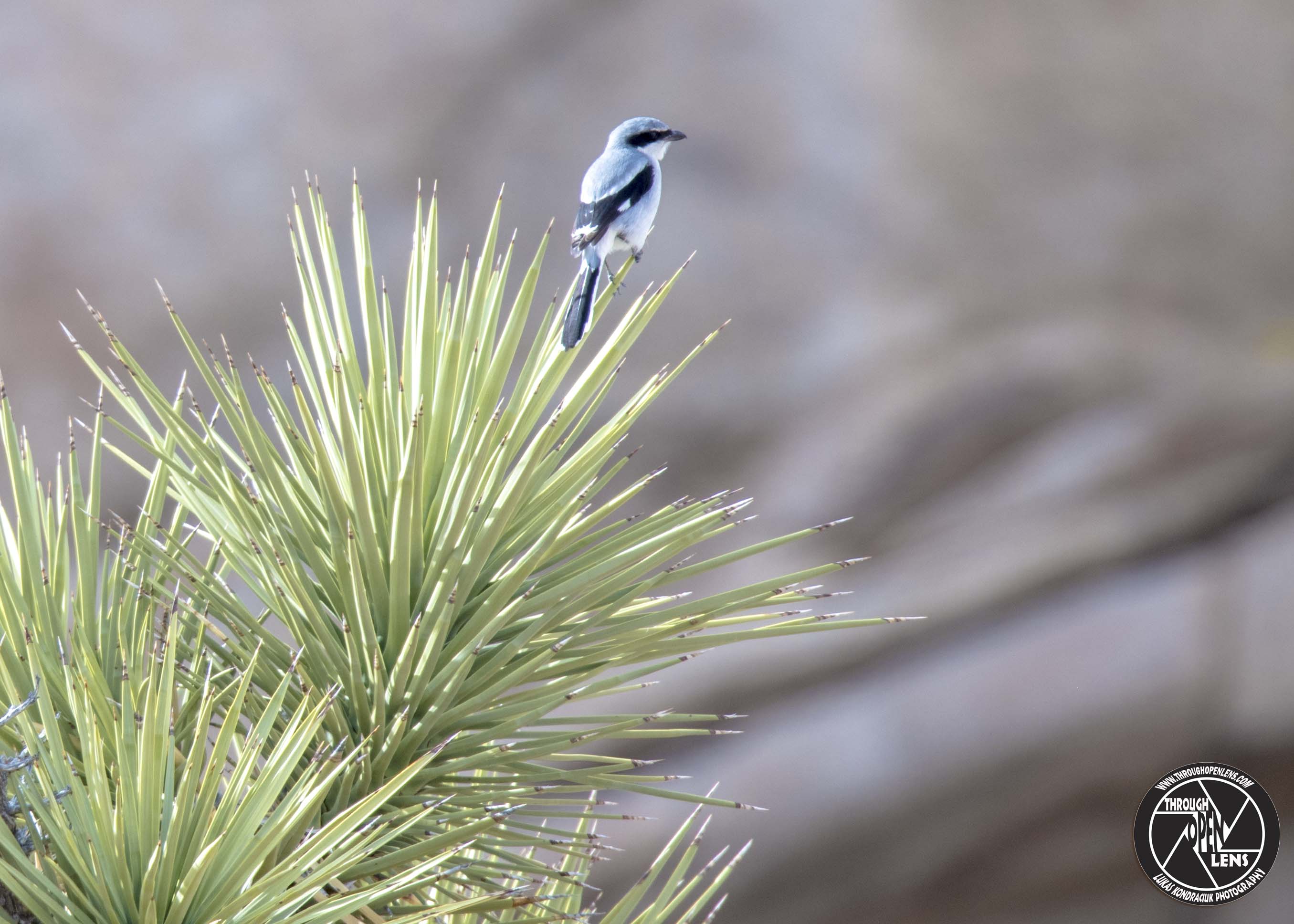
F/8.0, 1/250, ISO 250.

Loggerhead Shrike

What is a soldiers least favorite month of the year?

March

Interesting Fact: Loggerhead Shrikes impale noxious prey such as monarch butterflies and eastern narrow-mouthed toads—then wait for up to three days to eat them, which allows time for the poisons to break down. These shrikes also eat the heads and abdomens of toxic lubber grasshoppers, while discarding the insect’s poisonous thorax. ( https://www.allaboutbirds.org/guide/Loggerhead_Shrike )


Dear Life, When I Said ” Can My Day Get Any Worst” It Was A Rhetorical Question Not A Challenge.

F/6.3, 1/250, ISO 800.

White-Tailed Deer ( Fawn )

Which branch of the military do babies join?

The infantry!

Interesting Fact: White tailed deer can run as fast as 36 mph, jump as high as 8 1/2 feet, and leap as far as 30 feet. They are also very good swimmers. ( https://www.brighthub.com/environment/science-environmental/articles/48142.aspx )


Life Is Better When You’re Laughing

F/11.0, 1/500, ISO 320.

Laughing Gull  

Why do hamburgers go to the gym?

To get better buns

Interesting Fact: The Laughing Gull is normally diurnal, or active during the day. During the breeding season it forages at night as well. It usually looks for food along the beach at night, but will also hover to catch insects around lights. ( https://www.allaboutbirds.org/guide/Laughing_Gull/lifehistory )


I See You Watching Me!

brown-thrasher

F/6.3, 1/160, ISO 320.

Brown Thrasher

A bird was flying south for Winter, but he had left it too late and was frozen solid in a storm. He dropped down into a pasture of cows. The biggest, fattest cow was doing a crap there, and the bird landed in it.

At first he was disgusted, until he realised the poo was thawing him out! He started crying out for joy as the ice melted. A cat that was nearby heard the cries, walked over, saw the bird and ate it

There are three morals to this story:

1. Not everyone who gets you into sh*t is your enemy

2. Not everyone who gets you out of sh*t is your friend

3. If you are in s#!t, keep your mouth shut

Interesting Fact: Brown Thrashers are accomplished songsters that may sing more than 1,100 different song types and include imitations of other birds, including Chuck-will’s-widows, Wood Thrushes, and Northern Flickers. ( https://www.allaboutbirds.org/guide/Brown_Thrasher/lifehistory )

People Say Nothing Is Impossible, But I Do Nothing Every Day.

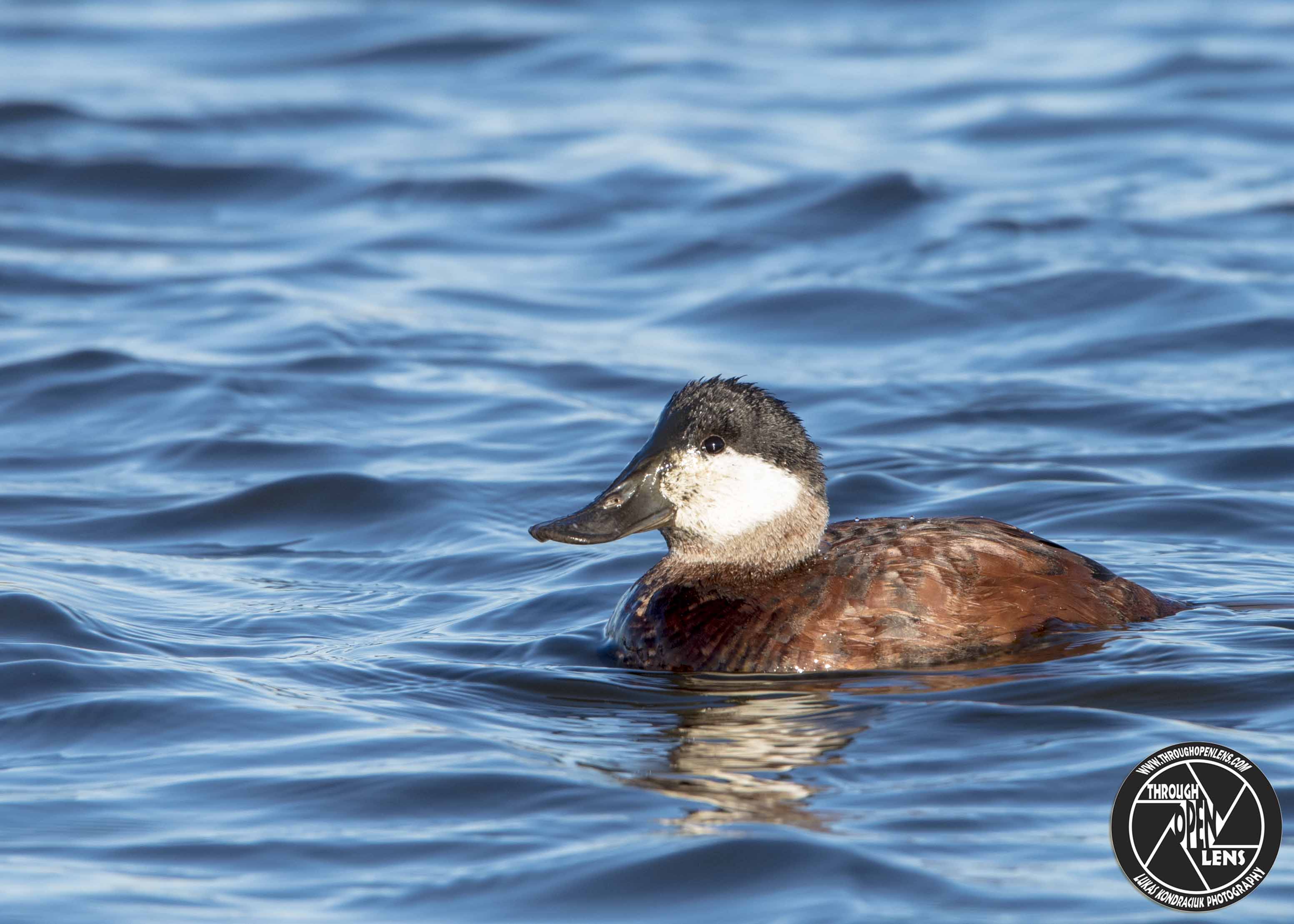
F/10.0, 1/400, ISO 250.

Ruddy Duck 

Why are mountains so funny?

Because they are hill areas.

Interesting Fact: Most males pair up with one female each for the duration of the breeding season, but some take multiple mates. Their eggs are proportionally the largest of all waterfowl. The ducklings hatch well-developed and active, receiving minimal care from the mother and none from the father. Ducklings are preyed upon by Black-crowned Night-Herons, Ring-billed Gulls, California Gulls, mink, and raccoons. ( https://www.allaboutbirds.org/guide/Ruddy_Duck/lifehistory )


Which Way Did He Go, George? Which Way Did He Go?

european-starlings

F/10.0, 1/400, ISO 320.

European Starlings

What’s a good snowing tip?

Never catch snowflakes with your tongue until all the birds have gone south for the winter.

Interesting Fact: All the European Starlings in North America descended from 100 birds set loose in New York’s Central Park in the early 1890s. The birds were intentionally released by a group who wanted America to have all the birds that Shakespeare ever mentioned. It took several tries, but eventually the population took off. Today, more than 200 million European Starlings range from Alaska to Mexico, and many people consider them pests.  ( https://www.allaboutbirds.org/guide/European_Starling/lifehistory )