Holy Smokes Batman Your Zipper Is Down!

F/9.0, 1/320, ISO 250.

American Robin

What happens when Batman and Robin fight a steamroller?

They become Flatman and Ribbon.

Interesting Fact: Although robins are considered harbingers of spring, many American Robins spend the whole winter in their breeding range. But because they spend more time roosting in trees and less time in your yard, you’re much less likely to see them. The number of robins present in the northern parts of the range varies each year with the local conditions. ( https://www.allaboutbirds.org/guide/American_Robin/lifehistory )

You looking at me? Owl Do Something About It!

F/6.3, 1/50, ISO 400.

Great Horned Owlets

What do you call an owl get together?

A HOO-tenanny

Interesting Fact: When clenched, a Great Horned Owl’s strong talons require a force of 28 pounds to open. The owls use this deadly grip to sever the spine of large prey. ( https://www.allaboutbirds.org/guide/Great_Horned_Owl/lifehistory )


It’s Monday Don’t Forget To Be Awesome!

F/ 7.1, 1/200, ISO 250.

Northern Cardinal ( Female )

My neighbor is really into music.

Even his driveway is hard rock.

Interesting Fact: Many people are perplexed each spring by the sight of a cardinal attacking its reflection in a window, car mirror, or shiny bumper. Both males and females do this, and most often in spring and early summer when they are obsessed with defending their territory against any intruders. Birds may spend hours fighting these intruders without giving up. A few weeks later, as levels of aggressive hormones subside, these attacks should end (though one female kept up this behavior every day or so for six months without stopping).  ( http://www.allaboutbirds.org/guide/Northern_Cardinal/lifehistory )

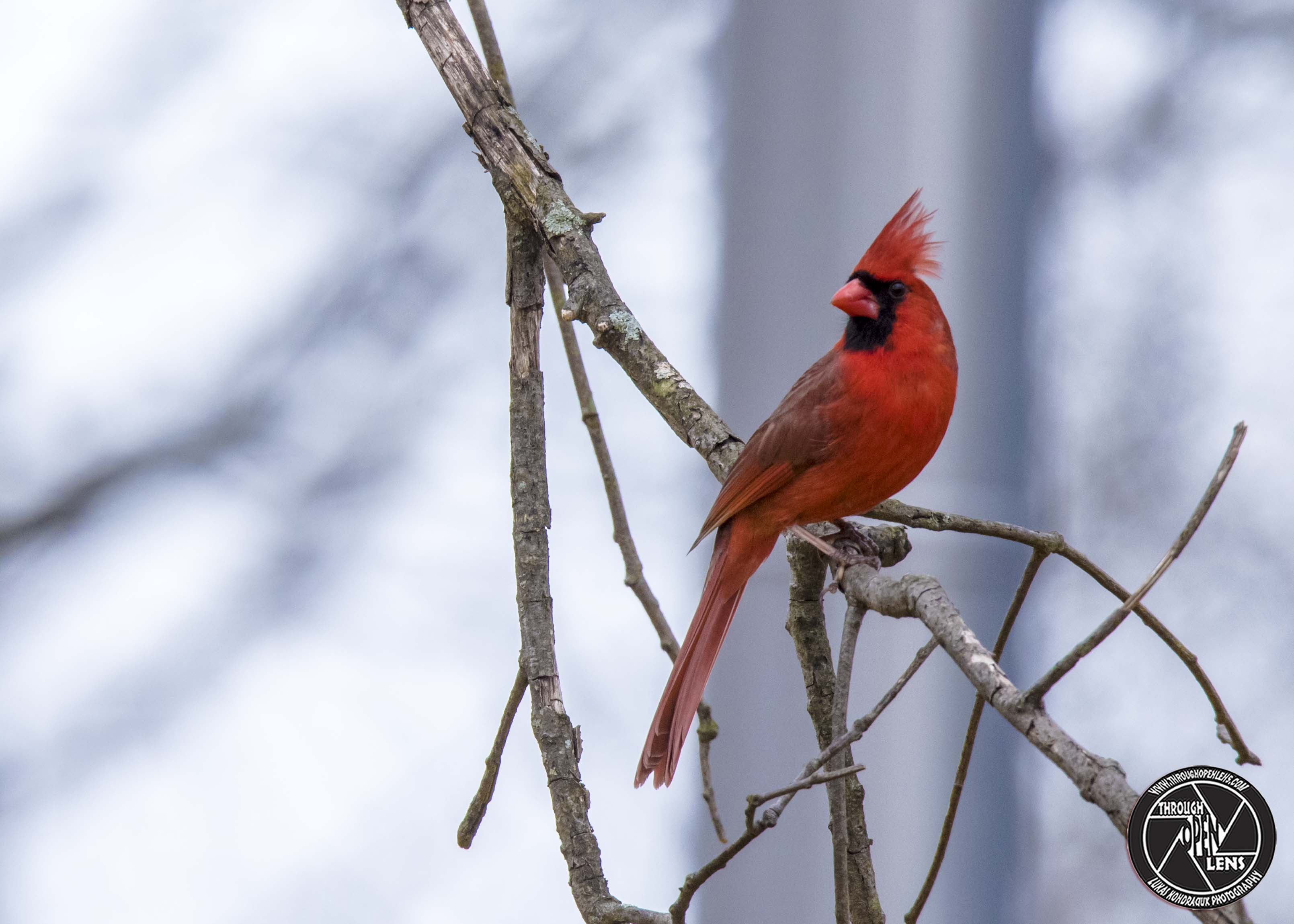
I Was Redhead Before It Was Cool!

F/10.0, 1/400, ISO 640.

Northern Cardinal ( Male ) 

Why did Captain Kirk go in to the ladies room? 

Because he wanted to go where no man had gone before.

Interesting Fact:  The Cardinal nest typically takes 3 to 9 days to build; the finished product is 2-3 inches tall, 4 inches across, with an inner diameter of about 3 inches. Cardinals usually don’t use their nests more than once. ( https://www.allaboutbirds.org/guide/Northern_Cardinal/lifehistory )

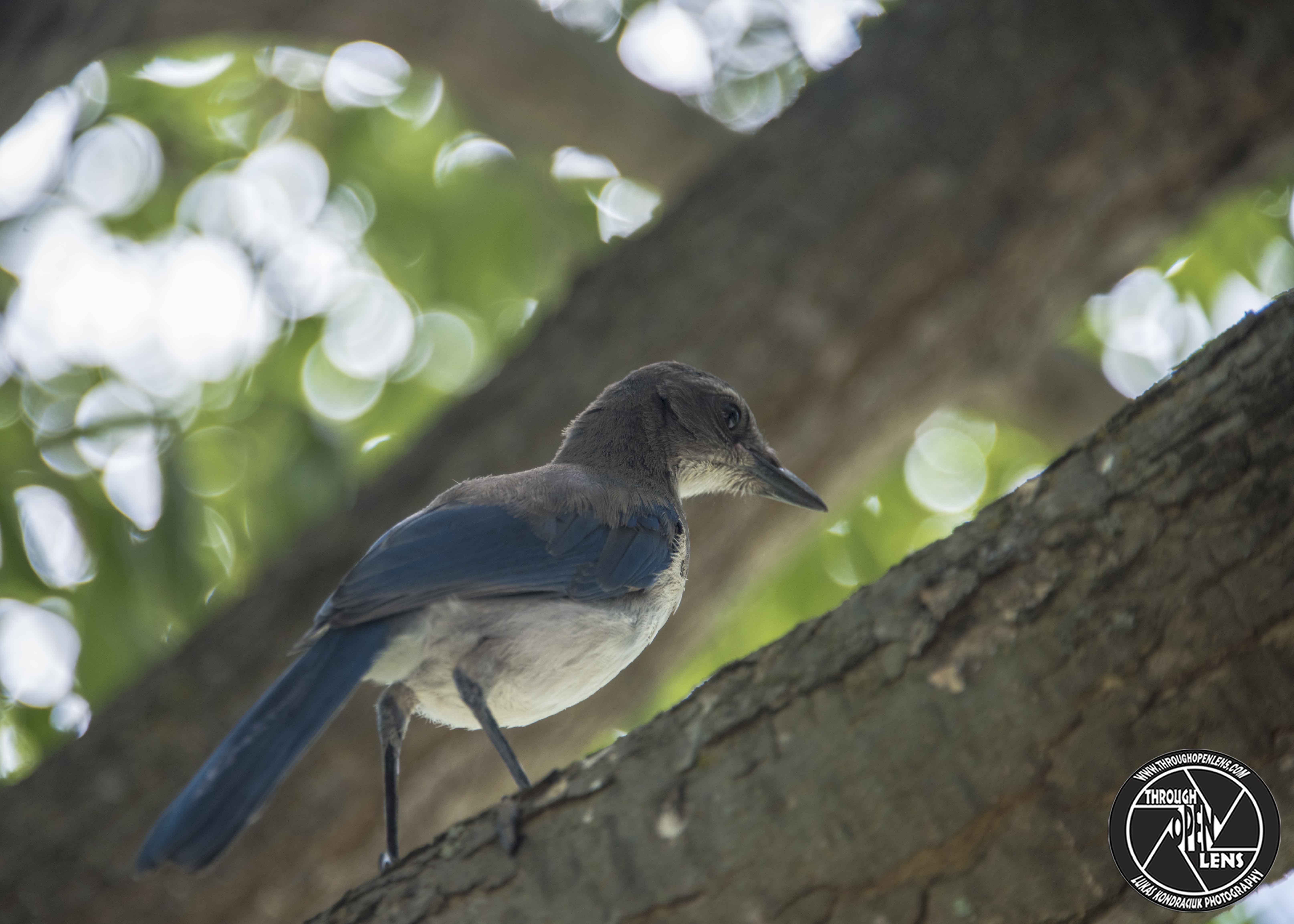
Blue Looks Good On You!

F/5.6, 1/160, ISO 320.

California Scrub-Jay

Why did Papa Smurf send Smurfette to see a doctor???

She was always feeling blue…

Interesting Fact: Look closely, and you’ll see an intriguing difference between the California Scrub-Jay and its close relative, Woodhouse’s Scrub-Jay. The bill of a California Scrub-Jay is stout and hooked, giving it extra power and grip as the birds hammer open acorns in their oak woodland habitats. By comparison, Woodhouse’s have thinner, more pointed bills that nimbly reach deep into pinyon pine cones to pull out the pine nuts inside. ( https://www.allaboutbirds.org/guide/California_Scrub-Jay )

When I Am Knocking, You Better Open Up!

F/9.0, 1/320, ISO 250.

Red-Bellied Woodpecker

A police officer caught two kids playing with a firework and a car battery.

He charged one and let the other one off.

Interesting Fact: A Red-bellied Woodpecker can stick out its tongue nearly 2 inches past the end of its beak. The tip is barbed and the bird’s spit is sticky, making it easier to snatch prey from deep crevices. Males have longer, wider-tipped tongues than females, possibly allowing a breeding pair to forage in slightly different places on their territory and maximize their use of available food.  ( https://www.allaboutbirds.org/guide/Red-bellied_Woodpecker/lifehistory )

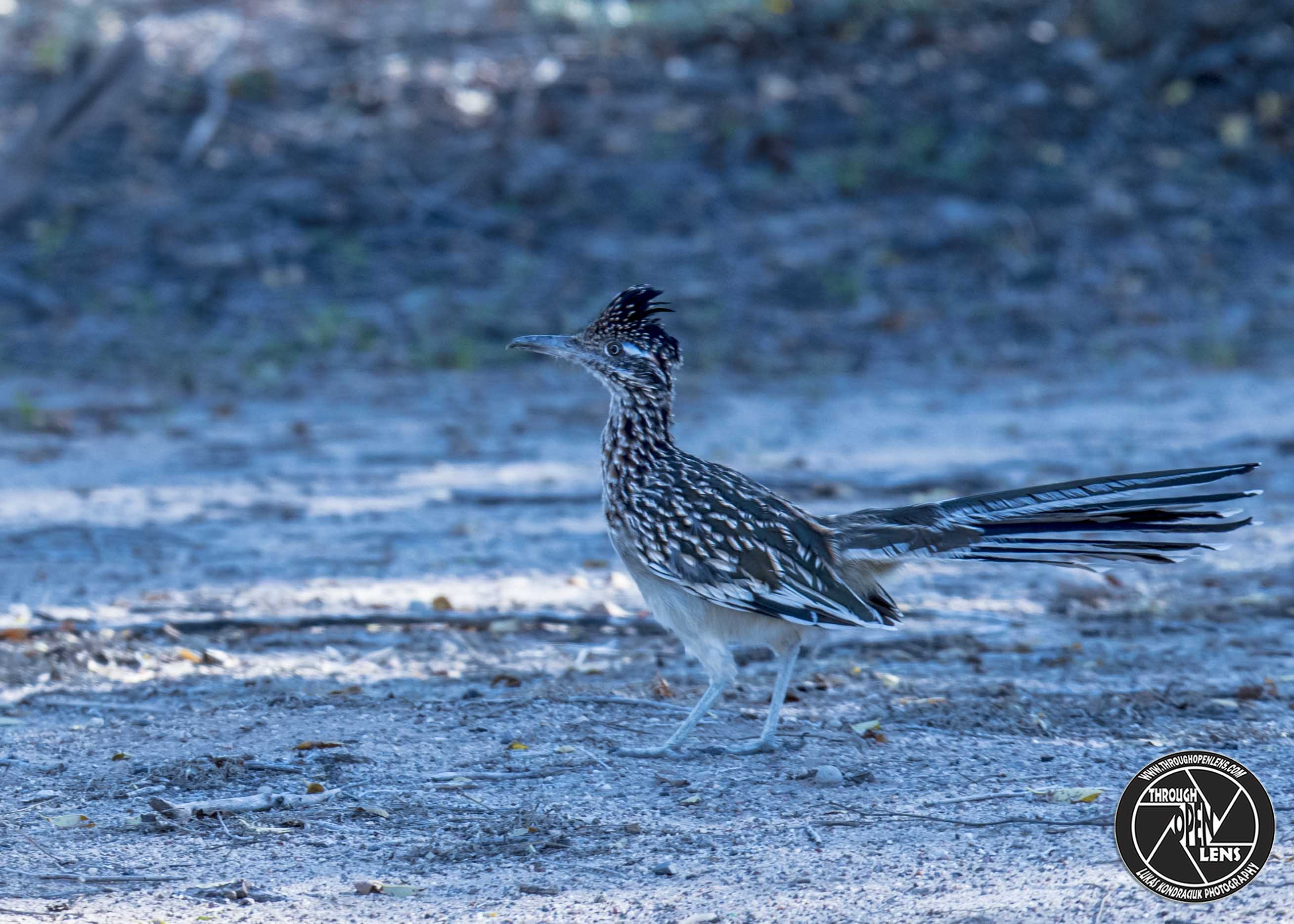
Beep, Beep!

F/7.1, 1/200, ISO 250.

Greater Roadrunner

Why can you never trust atoms?

They make up everything!

Interesting Fact: Roadrunners have evolved a range of adaptations to deal with the extremes of desert living. Like seabirds, they secrete a solution of highly concentrated salt through a gland just in front of each eye, which uses less water than excreting it via their kidneys and urinary tract. Moisture-rich prey including mammals and reptiles supply them otherwise-scarce water in their diet. Both chicks and adults flutter the unfeathered area beneath the chin (gular fluttering) to dissipate heat. ( https://www.allaboutbirds.org/guide/Greater_Roadrunner/overview

I Claim This Rock!

F/5.6, 1/250, ISO 800.

Muskrat

Why did the cookie go to the hospital?

He felt crummy!

Interesting Fact: Muskrats are most active at night or near dawn and dusk. They feed on cattails and other aquatic vegetation. They do not store food for the winter, but sometimes eat the insides of their push-ups. While they may appear to steal food beavers have stored, more seemingly cooperative partnerships with beavers exist, as featured in the BBC David Attenborough wildlife documentary The Life of Mammals.[22][23] Plant materials compose about 95% of their diets, but they also eat small animals, such as freshwater mussels, frogs, crayfish, fish, and small turtles.[5][6] Muskrats follow trails they make in swamps and ponds. When the water freezes, they continue to follow their trails under the ice. ( https://en.wikipedia.org/wiki/Muskrat#Behavior )

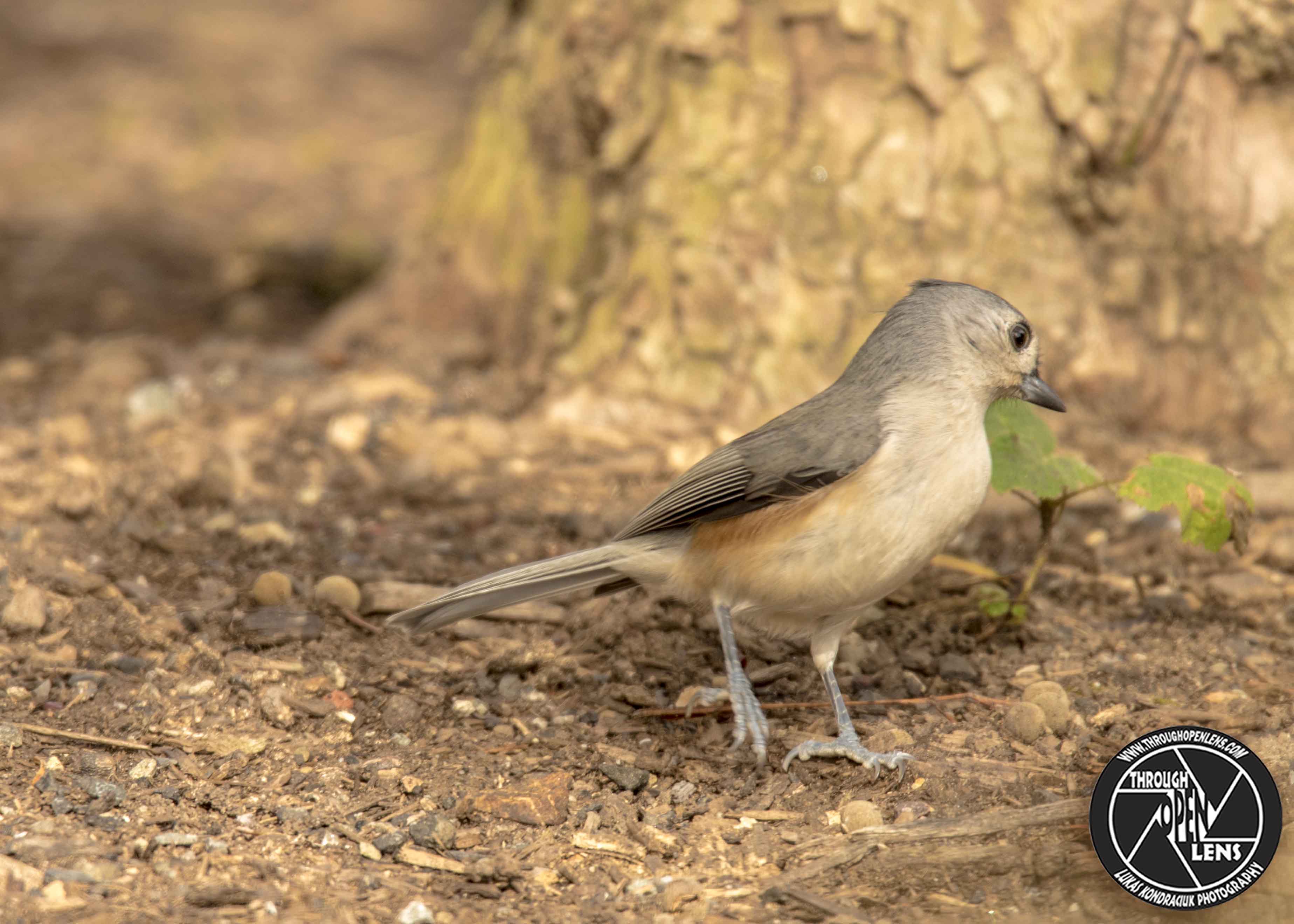
Well…, I Don’t Believe You!

F/7.1, 1/200, ISO 320.

Tufted Titmouse

A tourist was being led through the swamps of Florida.

“Is it true,” he asked, “that an alligator won’t attack you if you carry a flashlight?”

“That depends,” replied the guide, “on how fast you carry the flashlight.”

Interesting Fact: The oldest known wild Tufted Titmouse was at least 13 years, 3 months old. It was banded in Virginia in 1962, and found in the same state in 1974. ( https://www.allaboutbirds.org/guide/Tufted_Titmouse/lifehistory )

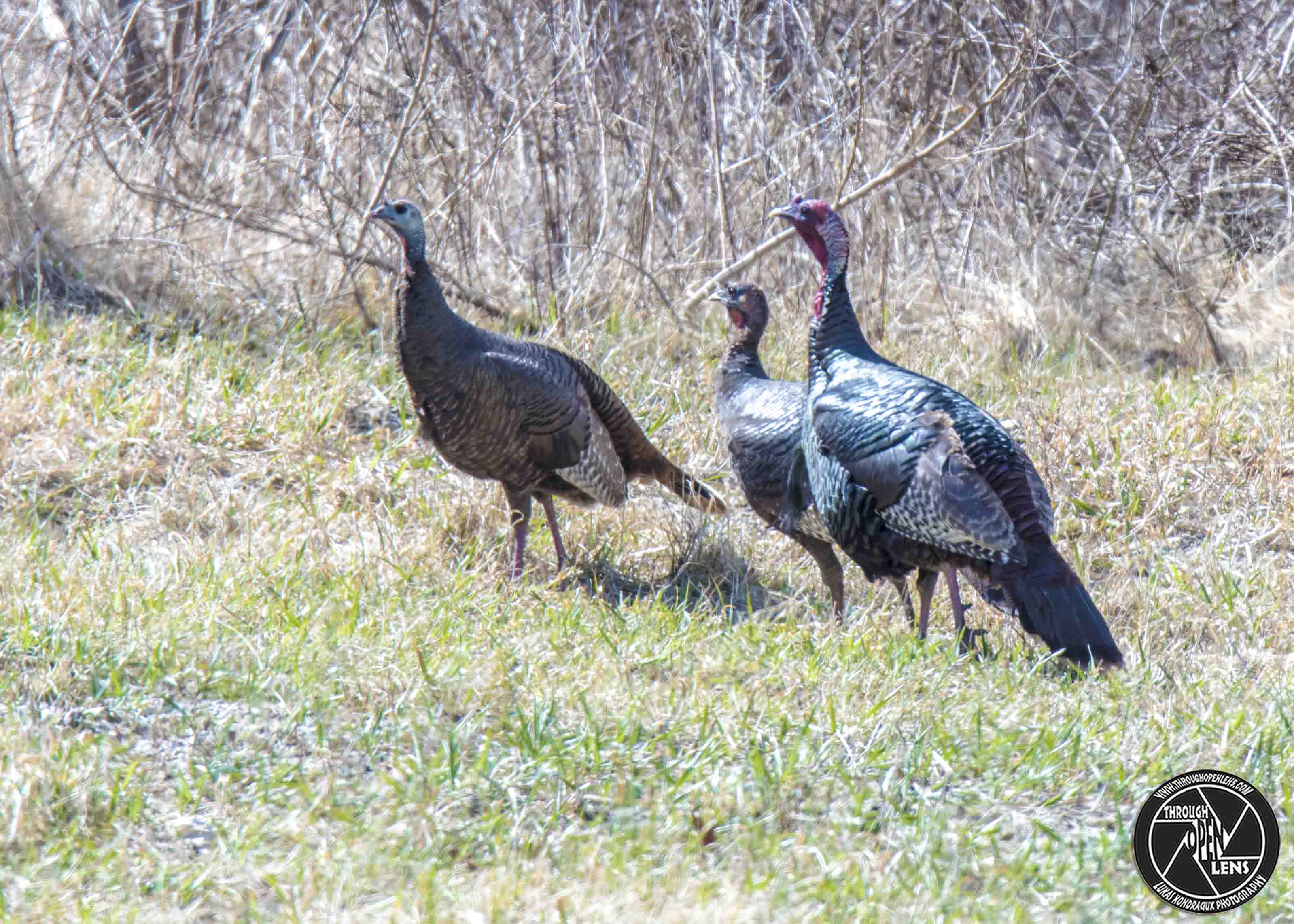
Wild Bunch!

F/9.0, 1/320, ISO 320.

Wild Turkeys

Why couldn’t the leopard play hide and seek?

Because he was always spotted.

Interesting Fact: The female scratches a shallow depression in the soil, about 1 inch deep, 8–11 inches wide, and 9–13 inches long. Wild Turkeys use only the dead leaves or other plant materials already present at the nest site. ( https://www.allaboutbirds.org/guide/Wild_Turkey/lifehistory )