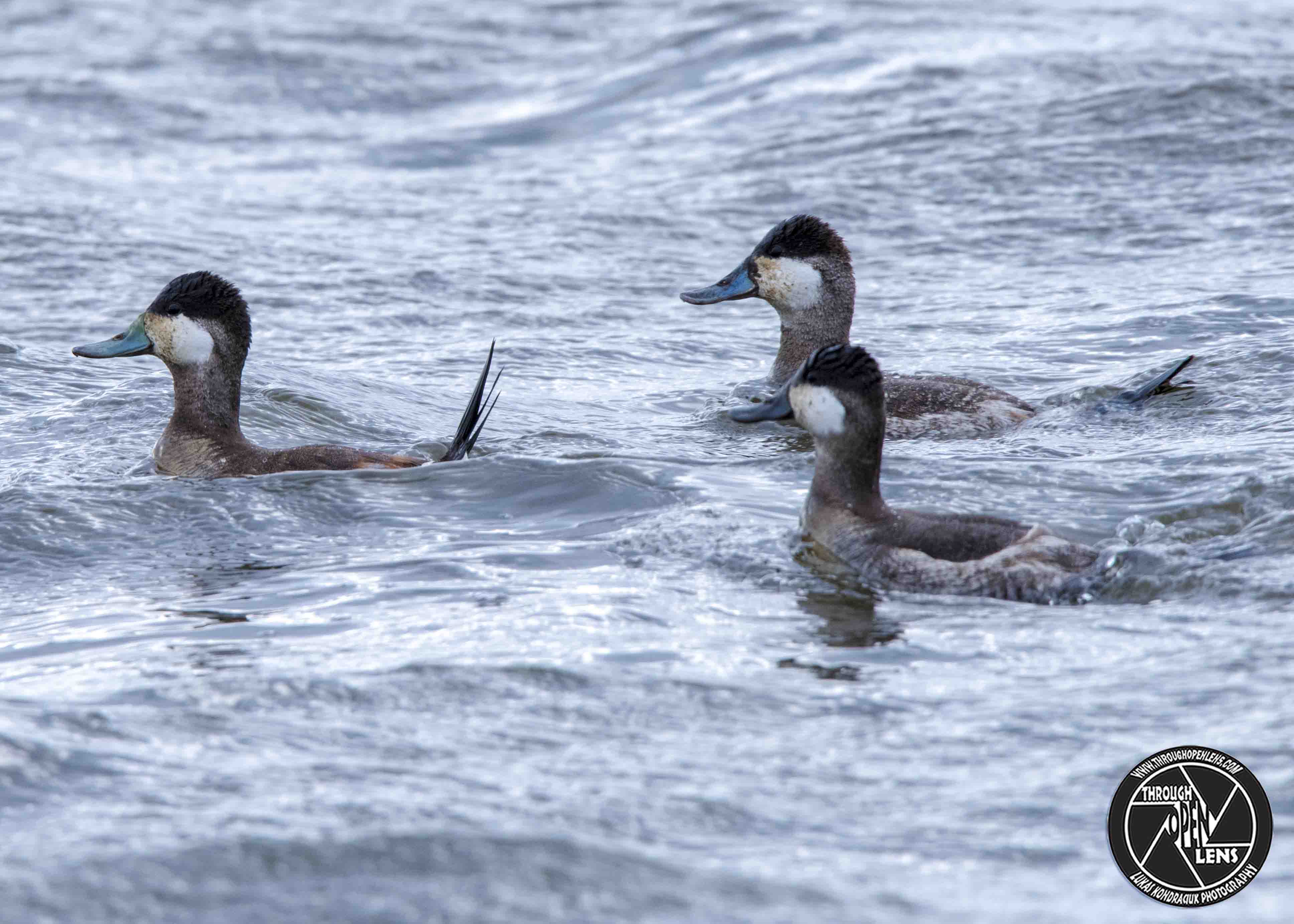
Always Stretch Before Swimming!

F/11.0, 1/500, ISO 500.

Ruddy Duck

What is crazy and walks along the sides of buildings?

A walnut.

Interesting Fact: Ruddy Ducks are very aggressive toward each other and toward other species, especially during the breeding season. Unlike most ducks, they form pairs only after arriving on the breeding grounds each year. ( https://www.allaboutbirds.org/guide/Ruddy_Duck/lifehistory )
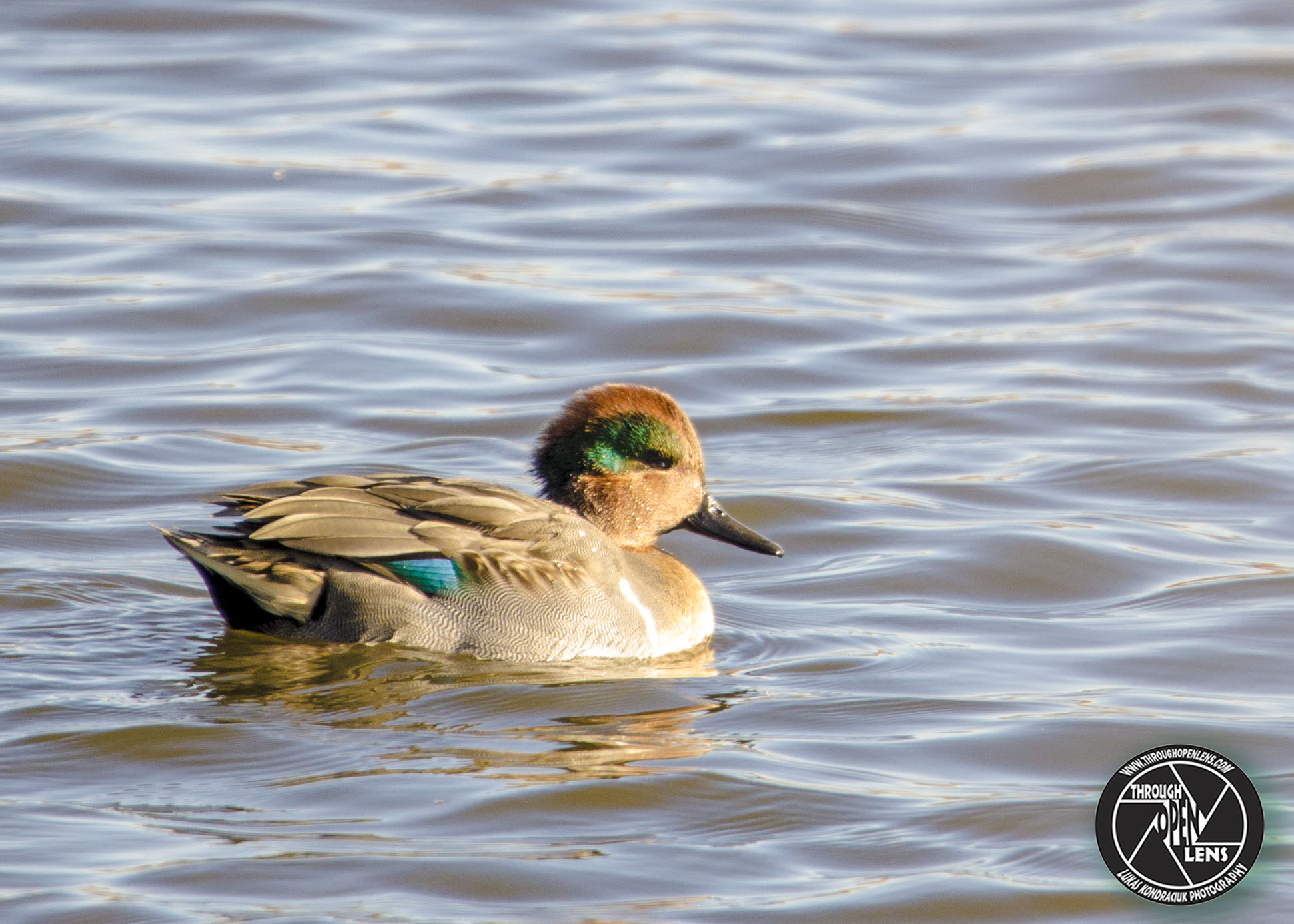
Be Like A Duck And QUACK!

F/6.3, 1/400, ISO 400.

Green-Winged Teal

How do you make a tissue dance?

Put a little boogie in it.

Interesting Fact: The Aleutian Islands of Alaska support their own race of Green-winged Teal, Anas crecca nimia. Unlike other Green-winged Teal populations, this race doesn’t migrate. In winter the birds move from summering sites on ponds and lakes to the islands’ beaches, where they forage in tide pools and on shallow-water reefs. ( https://www.allaboutbirds.org/guide/Green-winged_Teal/lifehistory )

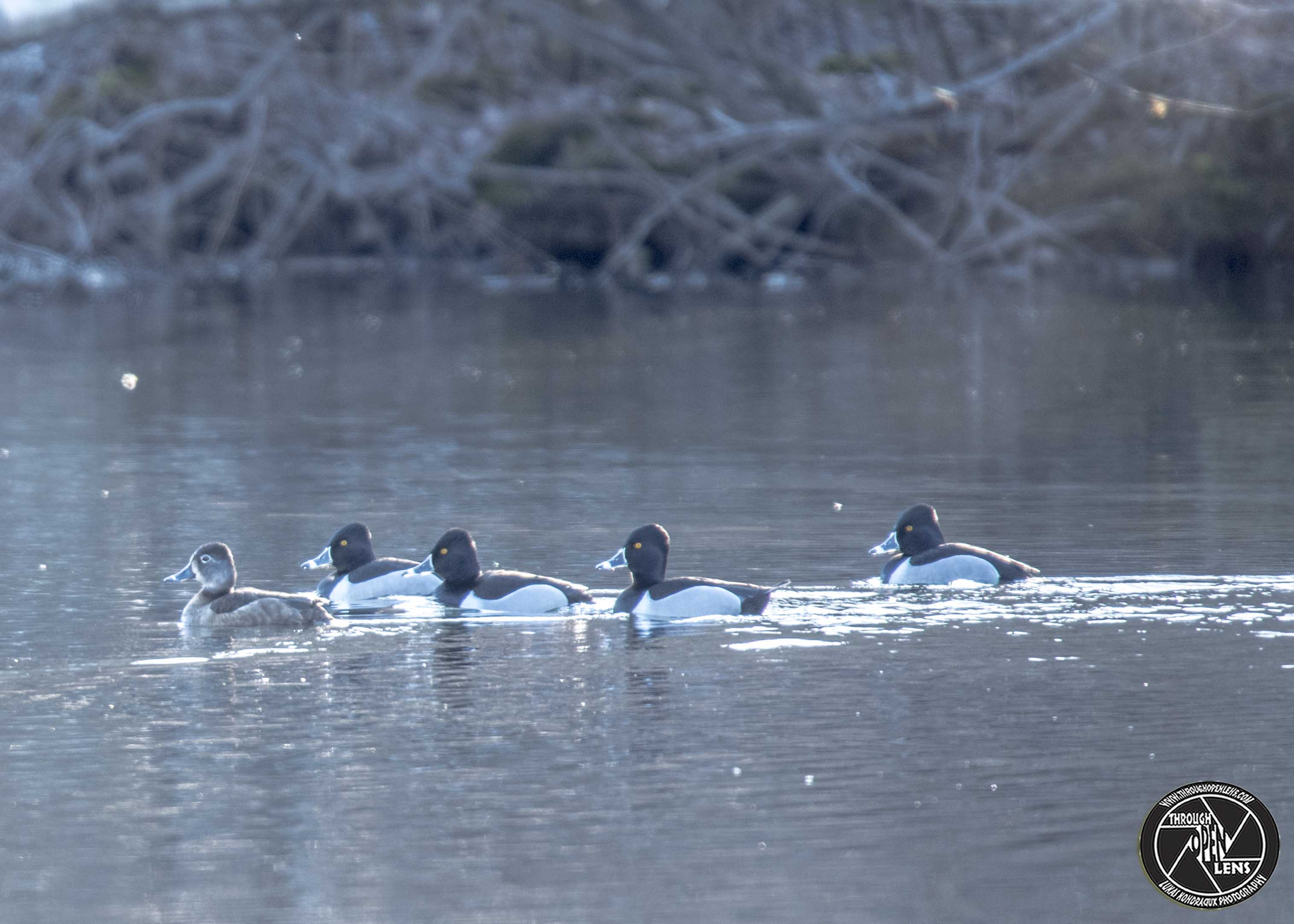
I Quack You Quack We Quack Together

F/10.0, 1/400, ISO 320.

Ring-necked Ducks

Why did the old woman put roller skates on her rocking chair?

Because she wanted to rock and roll.

Interesting Fact: This bird’s common name (and its scientific name “collaris,” too) refer to the Ring-necked Duck’s hard-to-see chestnut collar on its black neck. It’s not a good field mark to use for identifying the bird, but it jumped out to the nineteenth century biologists that described the species using dead specimens.  ( https://www.allaboutbirds.org/guide/Ring-necked_Duck/lifehistory )


When you are with the right person, every day is Valentine’s Day!

Happy Valentines Day

F/5.6, 1/1600, ISO 400.

Mute Swan

What’s the best part about Valentines Day?

The day after when all the chocolate goes on sale.

Interesting Fact:  The Mute Swan is reported to mate for life. However, changing of mates does occur infrequently, and swans will remate if their partner dies. If a male loses his mate and pairs with a young female, she joins him on his territory. If he mates with an older female, they go to hers. If a female loses her mate, she remates quickly and usually chooses a younger male.  ( https://www.allaboutbirds.org/guide/Mute_Swan/lifehistory )

One Lucky Gal!

F/6.3, 1/250, ISO 500.

Ring-necked Duck

Why can’t you hear a pterodactyl in the bathroom?

Because it has a silent pee.

Interesting Fact: Ring-necked Ducks put their nests among dense sedges and other emergent plants in marshes. Pairs choose these sites by swimming at the vegetation edge or by making low circling flights over potential spots. They typically build their nests directly over the water or on floating vegetation; this helps protect the nests from land-based predators. ( https://www.allaboutbirds.org/guide/Ring-necked_Duck/lifehistory )

Take Off And See Whats Out There!

F/7.1, 1/200, ISO 400.

Common Merganser ( Female )

Why was the baby strawberry crying?

Because her mom and dad were in a jam.

Interesting Fact: The female chooses the nest site, which is usually in a natural cavity or woodpecker hole in a live or dead tree, up to 100 feet off the ground and within a mile of water. Common Mergansers nest less frequently in rock crevices, old sheds, chimneys, lighthouses, holes in banks, holes in the ground, hollow logs, and burrows. They readily nest in boxes, including those designed for the much smaller Common Goldeneye. Sometimes they nest on the ground. ( https://www.allaboutbirds.org/guide/Common_Merganser/lifehistory )

Grow Old With Me.

F/9.0, 1/320, ISO 200.

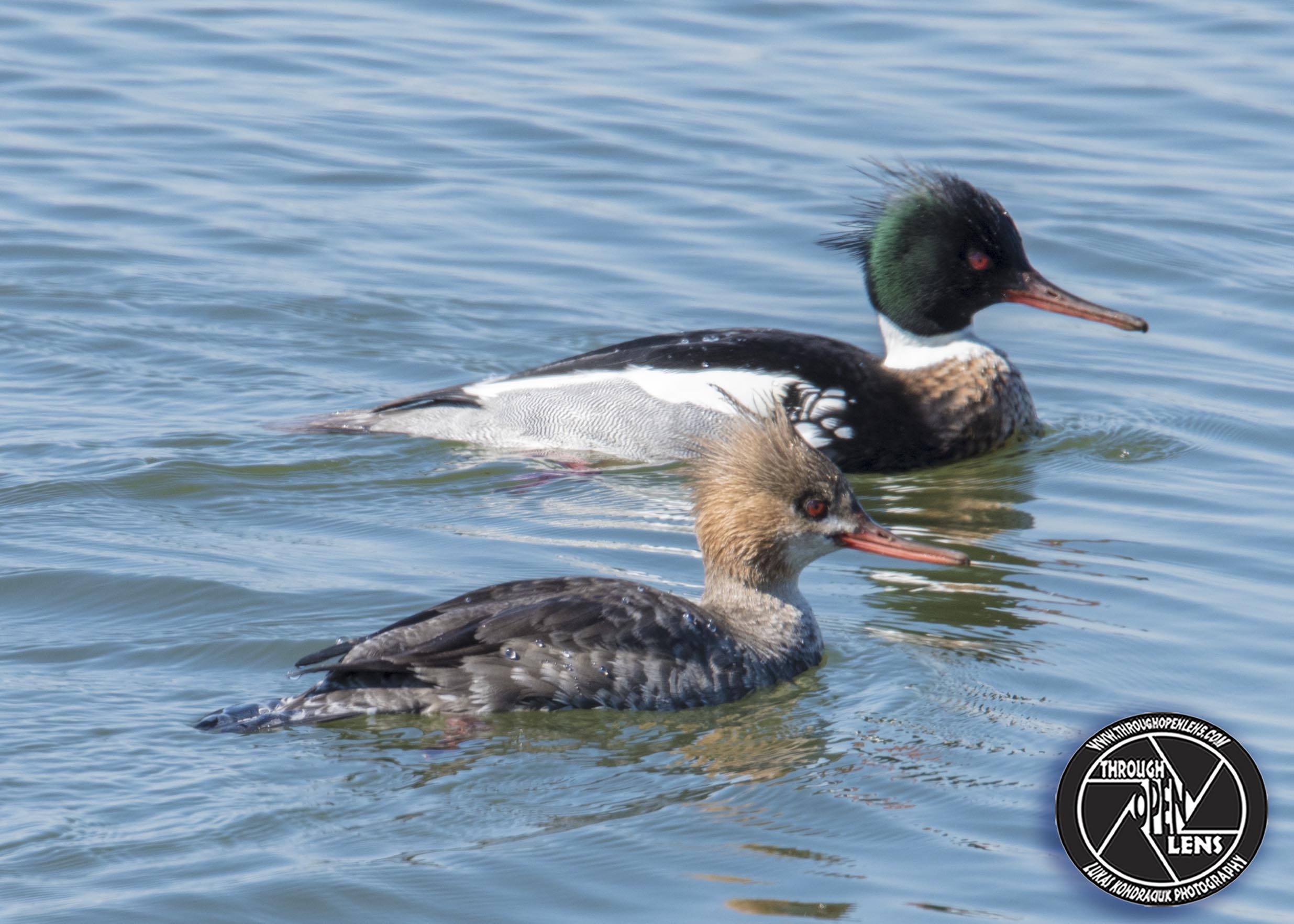
Red-breasted Mergansers

Why did the boy eat his homework?

Because his teacher said it was a piece of cake!

Interesting Fact: The oldest recorded Red-breasted Merganser was a female, and at least 9 years, 6 months old when she was shot in Alaska, the same state where she had been banded. ( https://www.allaboutbirds.org/guide/Red-breasted_Merganser/lifehistory )

You Really Quack Me Up!

F/10.0, 1/400, ISO 320.

Ruddy Duck

Did you hear about the duck who thought he was a squirrel?

It was one tough nut to quack.

Interesting Fact: Migrating Ruddy Ducks stop in a variety of habitats, most often on large, permanent wetlands, lakes, and reservoirs. They spend the winter throughout the southern half of the breeding range, also moving into wintering habitat that spans most of the United States and extends through Mexico to Central America. Their wintering habitat includes freshwater wetlands, lakes, and reservoirs as well as brackish bays, coastal marshes, and tidal estuaries. ( https://www.allaboutbirds.org/guide/Ruddy_Duck/lifehistory )
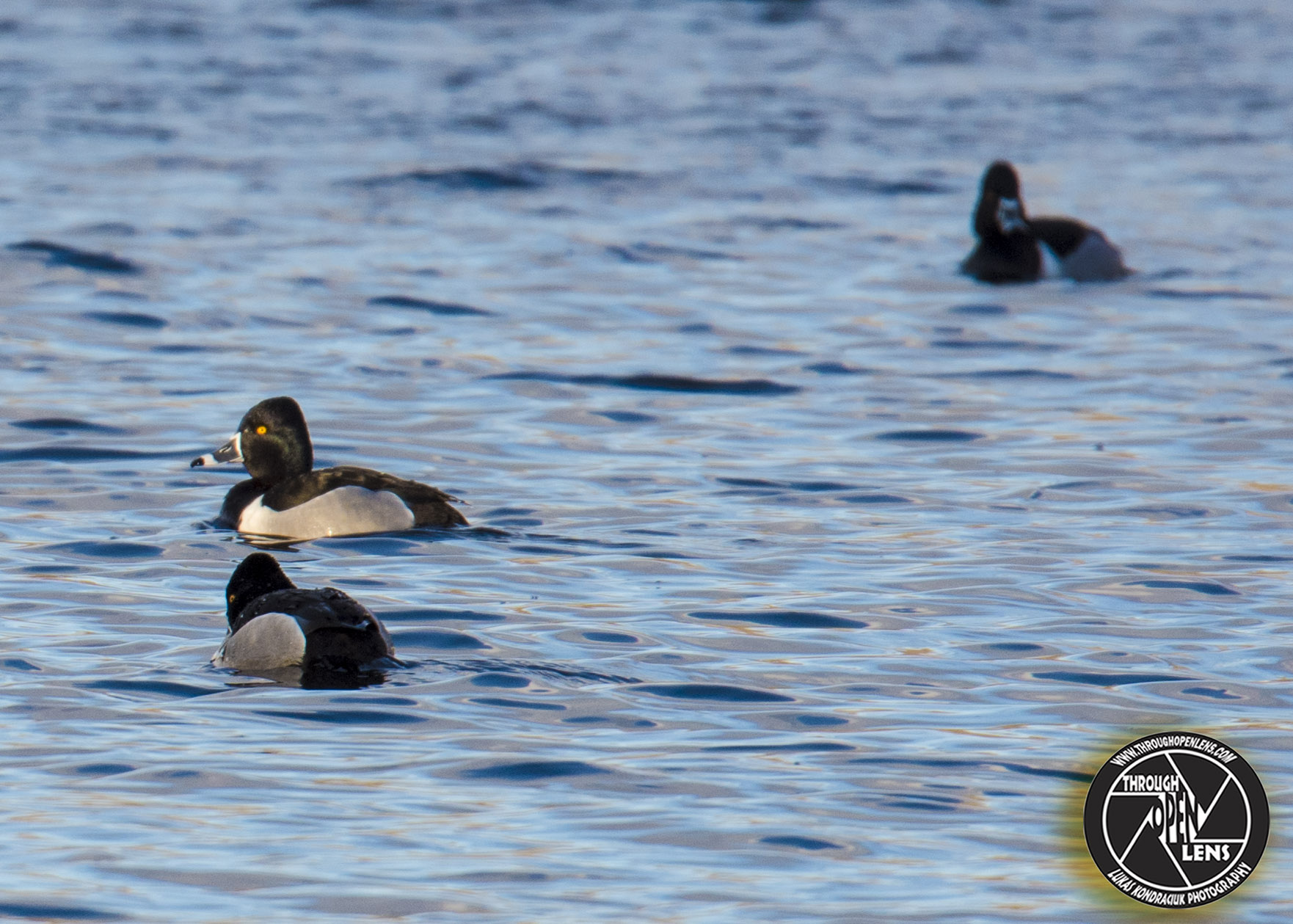
My Eyes Always Come Out Red In Photos

F/ 6.3, 1/640, ISO 200.

Canvasback

“Doctor, doctor, my wife thinks she’s a duck.”

“You better bring her in to see me straight away.”

“I can’t do that – she’s already flown south for the winter.”  

Interesting Fact: The species name of the Canvasback, Aythya valisineria, comes from Vallisneria americana, or wild celery, whose winter buds and rhizomes are its preferred food during the nonbreeding period.  ( https://www.allaboutbirds.org/guide/Canvasback/lifehistory )

You Know What Guys I Am Getting Sick Of The V Formation!

F/10.0, 1/400, ISO 640.

Ruddy Duck

What do you get when you put four ducks in a box?

A box of quackers!

Interesting Fact: The Ruddy Duck has spiky tail feathers that are used in courtship displays. ( http://identify.whatbird.com/obj/116/overview/Ruddy_Duck.aspx )