Do You Feel Ducky, Punk!

F/13.0, 1/640, ISO 400.

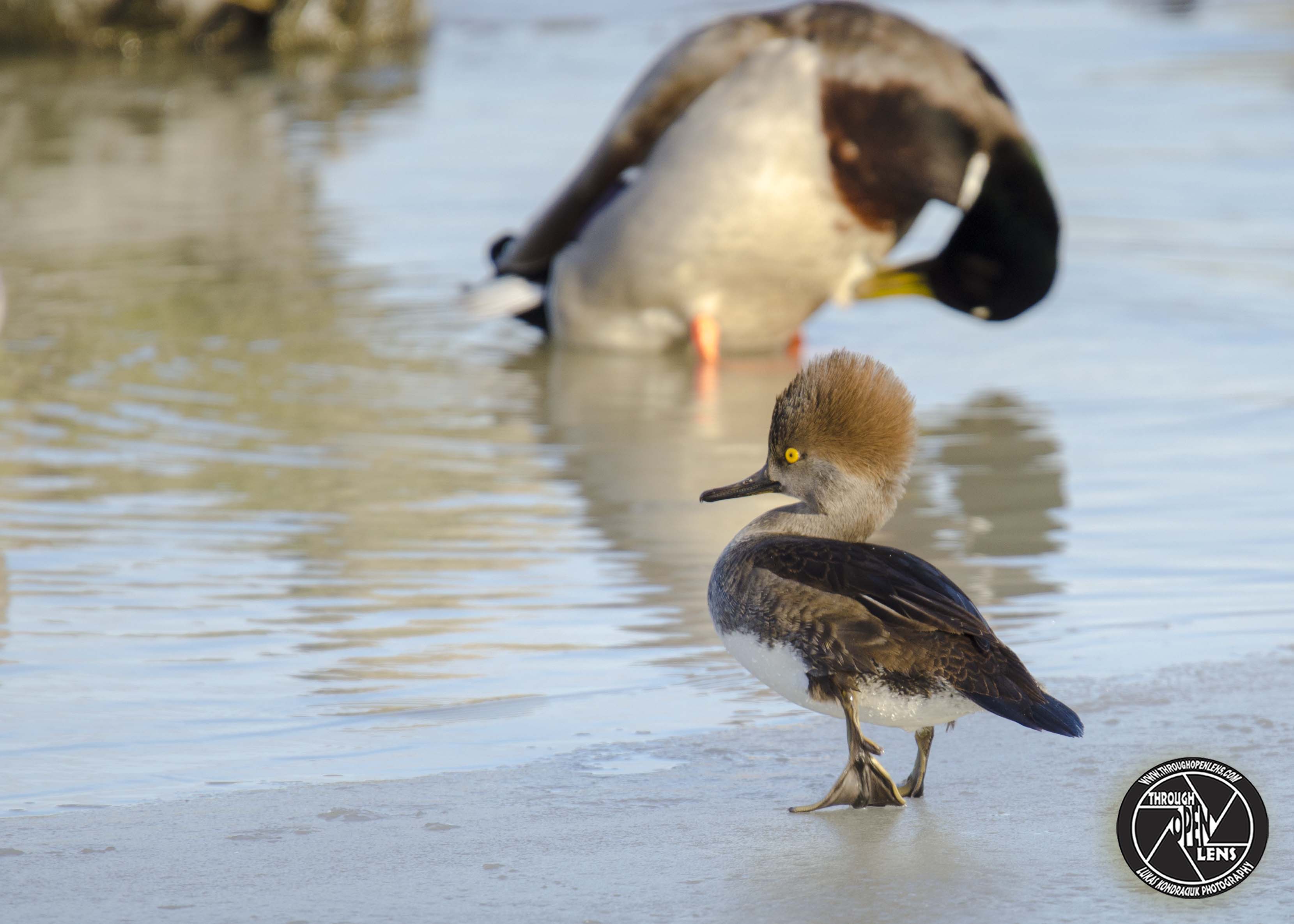
Hooded Merganser Male

Where do you take a sick boat?

To the dock.

Interesting Fact: Unlike dabbling ducks, Hooded Mergansers swim low in the water. Their legs are far back on their bodies, which helps in diving but makes them awkward on land. They take flight by running across the water, flying with fast wingbeats and never gliding until they are about to land (by skidding to a stop on the water). ( Hooded Merganser Life History, All About Birds, Cornell Lab of Ornithology )


We Go Together Like Copy And Paste.

F/10.0, 1/1600, ISO 800.

Common Mergansers

Why can’t you trust an atom?

They make up everything.

Interesting Fact: The female chooses the nest site, which is usually in a natural cavity or woodpecker hole in a live or dead tree, up to 100 feet off the ground and within a mile of water. Common Mergansers nest less frequently in rock crevices, old sheds, chimneys, lighthouses, holes in banks, holes in the ground, hollow logs, and burrows. ( Common Merganser Life History, All About Birds, Cornell Lab of Ornithology)


50 Shades Of Red In My Eyes

F/ 6.3, 1/640, ISO 200.

Canvasback 

What type of book has only characters and no story?

A telephone book.

Interesting Fact: A large diving duck, the Canvasback breeds in prairie potholes and winters on ocean bays. Its sloping profile distinguishes it from other ducks. ( https://www.allaboutbirds.org/guide/Canvasback/id )

Double Trouble!

Mute Swan

F/ 5.6, 1/1250, ISO 400.

Mute Swan 

What did the nose say to the finger?

Stop picking on me. 

Interesting Fact: The Mute Swan is reported to mate for life. However, changing of mates does occur infrequently, and swans will remate if their partner dies. If a male loses his mate and pairs with a young female, she joins him on his territory. If he mates with an older female, they go to hers. If a female loses her mate, she remates quickly and usually chooses a younger male.  ( https://www.allaboutbirds.org/guide/Mute_Swan/lifehistory )

Are You Loon-ely Tonight?

F/8.0, 1/250, ISO 250.

Common Loon ( Nonbreeding adult )

What do Snowmen call their offspring?

Chill-dren.

Interesting Fact: Loons are water birds, only going ashore to mate and incubate eggs. Their legs are placed far back on their bodies, allowing efficient swimming but only awkward movement on land. ( https://www.allaboutbirds.org/guide/Common_Loon/lifehistory )

Splash Down!

F/8.0, 1/2000, ISO 800.

Common Merganser 

Why was the math book so sad?

It had a lot of problems.

Interesting Fact: Common Mergansers spend much of their time afloat, loafing, fishing, and often sleeping on open water. They may form flocks of up to 75 individuals. They often swim in small groups along the shoreline, dipping their heads underwater to search for prey and then diving with a slight leap. Often when one bird dives in a large group, the others follow the leader and disappear. ( Common Merganser Life History, All About Birds, Cornell Lab of Ornithology )


I’m A Duck That Does Not Give A Quack!

F/6.3, 1/500, ISO 250.

Hooded Merganser ( Female )

2 Guys walking down the street.

One walks into a bar, the other ducks.

Interesting Fact:  The female chooses the nest site, and may start scouting for next year’s tree cavity at the end of each breeding season. Nest cavities can be in live or dead trees and are usually close to water. Cavities are typically 10–50 feet off the ground, up to about 90 feet. Hooded Mergansers nest readily in boxes, preferring those with wood shavings or nest material from previous uses. They prefer cavities with 3–5 inch openings. ( https://www.allaboutbirds.org/guide/Hooded_Merganser/overview )

A Good Joke Always Quacks Me Up!

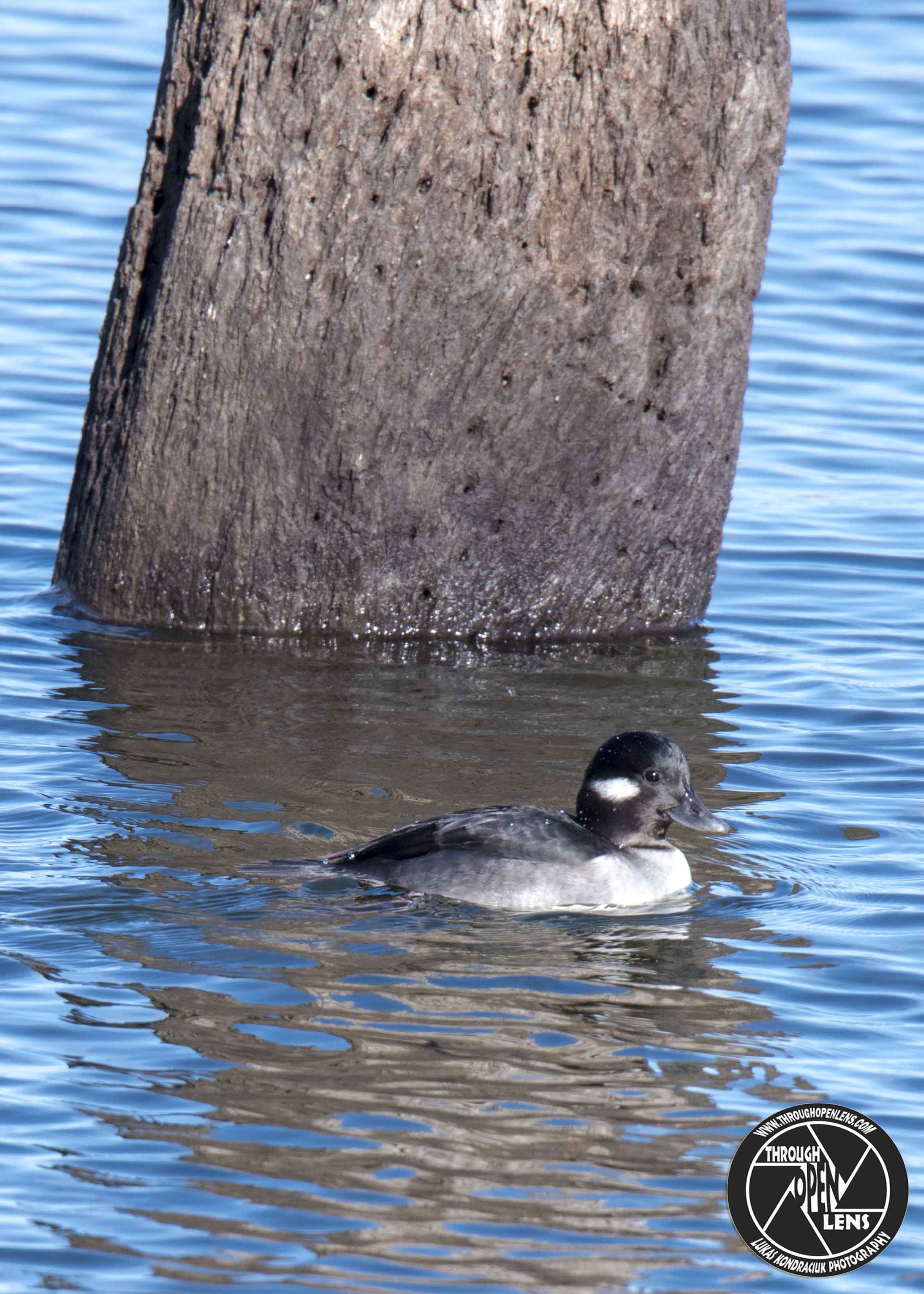
F/10.0, 1/400, ISO 320.

Bufflehead Duck ( Female )

Why couldn’t the bicycle stand up by itself?

It was two tired.

Interesting Fact: They hold their wings tightly against their bodies underwater and use only their feet to propel themselves. At the end of a dive, they may bob to the surface like a cork. Throughout the day they alternate between bouts of feeding, swimming alertly, preening, and sleeping. ( Bufflehead Life History, All About Birds, Cornell Lab of Ornithology )


Stand Tall, Stand Proud. Know That You Are Unique And Magnificent. You Do Not Need The Approval Of Others.

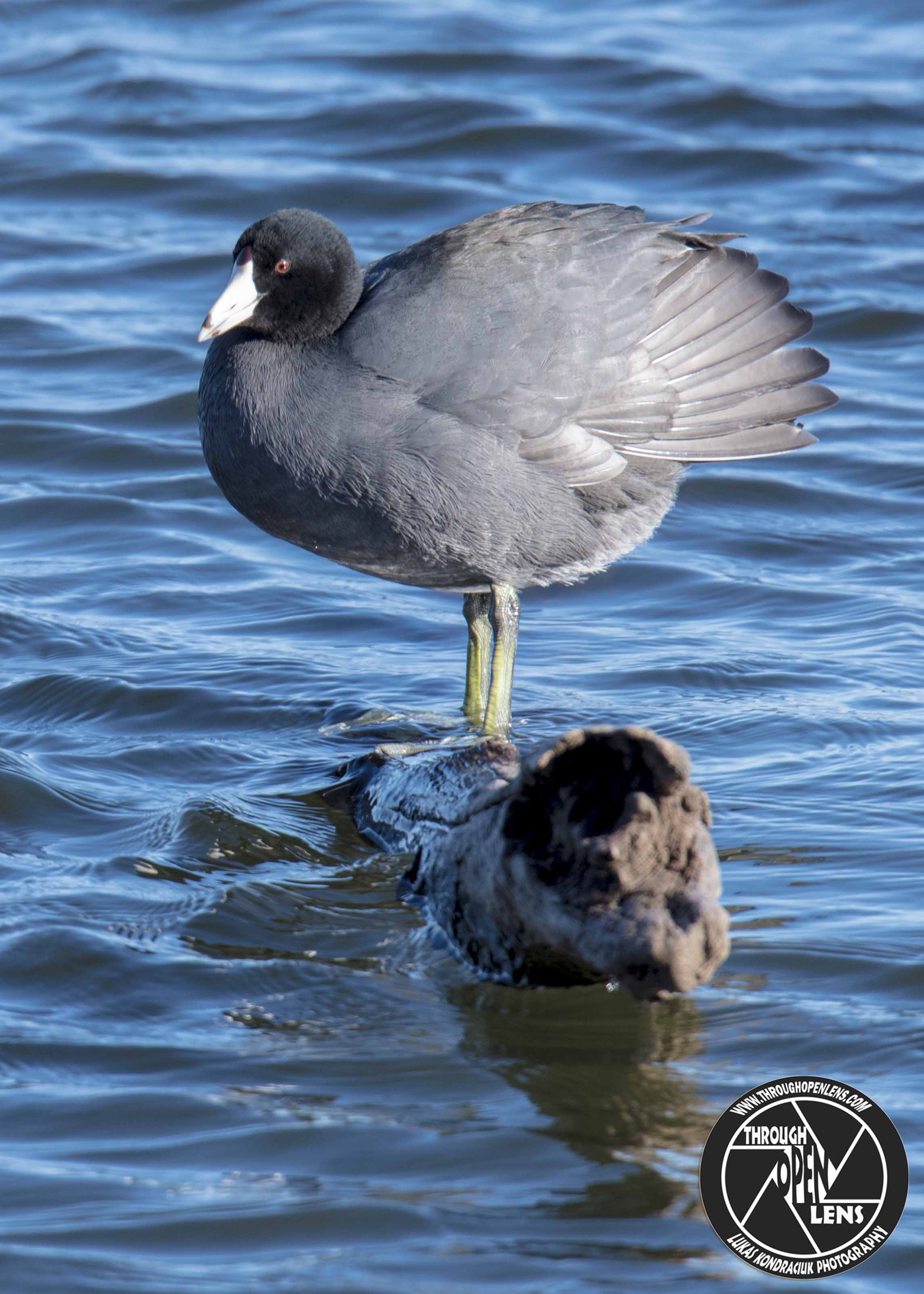
F/9.0, 1/320, ISO 320.

American Coot 

How do you get a squirrel to like you?

Act like a nut.

Interesting Fact: The ecological impact of common animals, like this ubiquitous waterbird, can be impressive when you add it all up. One estimate from Back Bay, Virginia, suggested that the local coot population ate 216 tons (in dry weight) of vegetation per winter. ( American Coot Overview, All About Birds, Cornell Lab of Ornithology )


If You Keep Chasing Your Dreams, One Day You’ll Catch Them.

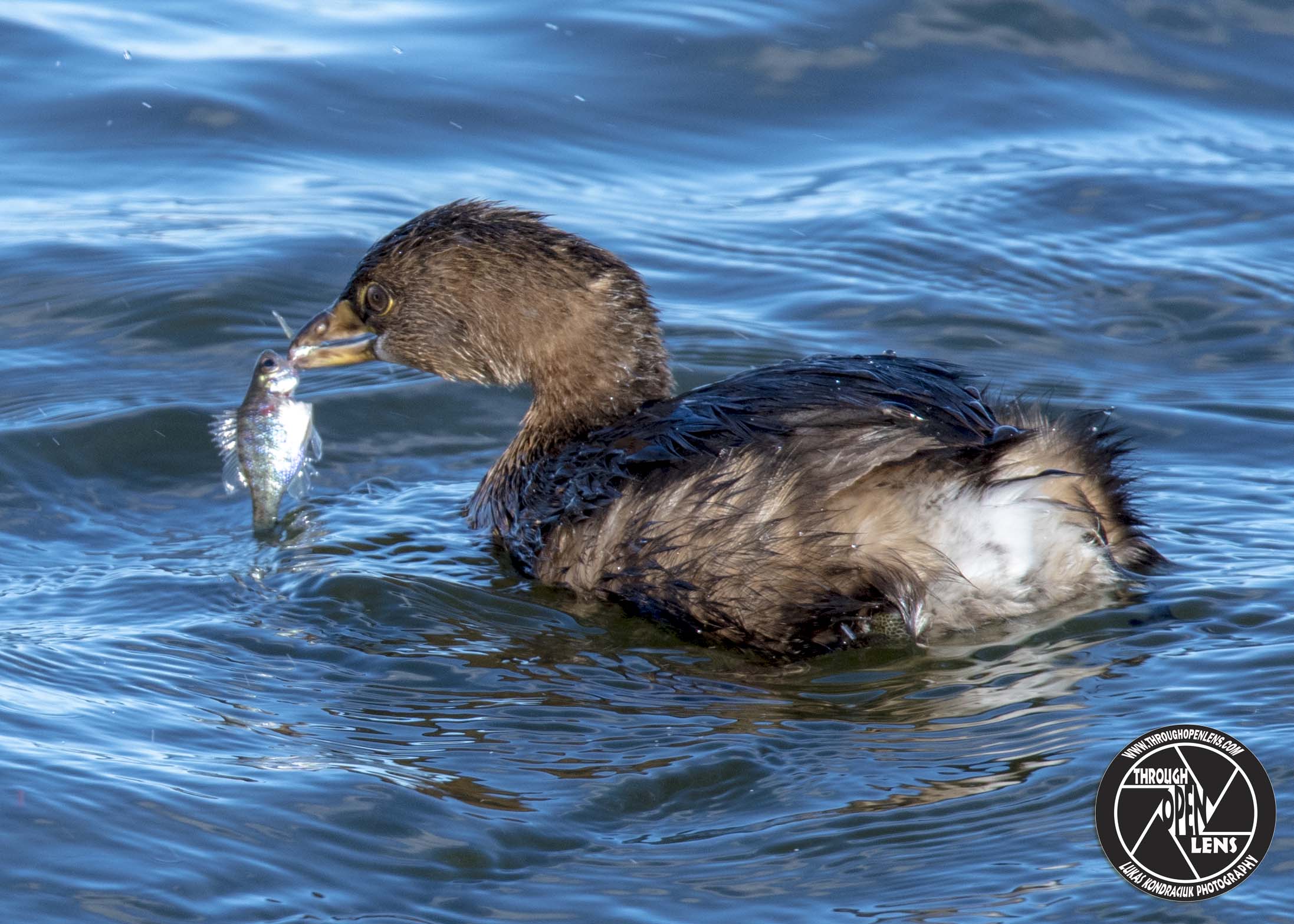
F/10.0, 1/400, ISO 320. 

Pied-Billed Grebe

What happened to the car with an engine made of wood?

It wooden go.

Interesting Fact: The Latin genus name for “grebe” means “feet at the buttocks”—an apt descriptor for these birds, whose feet are indeed located near their rear ends. This body plan, a common feature of many diving birds, helps grebes propel themselves through water. Lobed (not webbed) toes further assist with swimming. Pied-billed Grebes pay for their aquatic prowess on land, where they walk awkwardly. ( Pied-billed Grebe Overview, All About Birds, Cornell Lab of Ornithology )