Just Out And About!

F/7.1, 1/200, ISO 400.

Pied-Billed Grebe

How is being at a singles bar different from going to the circus?

At the circus the clowns don’t talk.

Interesting Fact: When in danger, Pied-billed Grebes sometimes make a dramatic “crash-dive” to get away. A crash-diving grebe pushes its body down with its wings thrust outward. Its tail and head disappears last, while the bird kicks water several feet into the air. ( https://www.allaboutbirds.org/guide/Pied-billed_Grebe/ )

Let’s Get Soaking Wet!

F/5.6, 1/500, ISO320.

American Robin

What did the bartender say after a book walked into the bar?

“Please, no stories!”

Interesting Fact: Robins eat a lot of fruit in fall and winter. When they eat honeysuckle berries exclusively, they sometimes become intoxicated. ( https://www.allaboutbirds.org/guide/American_Robin )

Kick Your Feet Back Its The Weekend!

F/9.0, 1/320, ISO 200.

Hispaniolan slider

Why do you measure snakes in inches?

Because they don’t have any feet.

Interesting Fact: Whether this creature is found in the wild or in captivity, it has been known to urinate when picked up. This is considered a sign of distress. It also may bite or scratch, but has not been known to cause any severe harm. If found in the wild, the turtle may be more likely to do any one of these. ( https://en.wikipedia.org/wiki/Hispaniolan_slider )


Quack, Damn You!

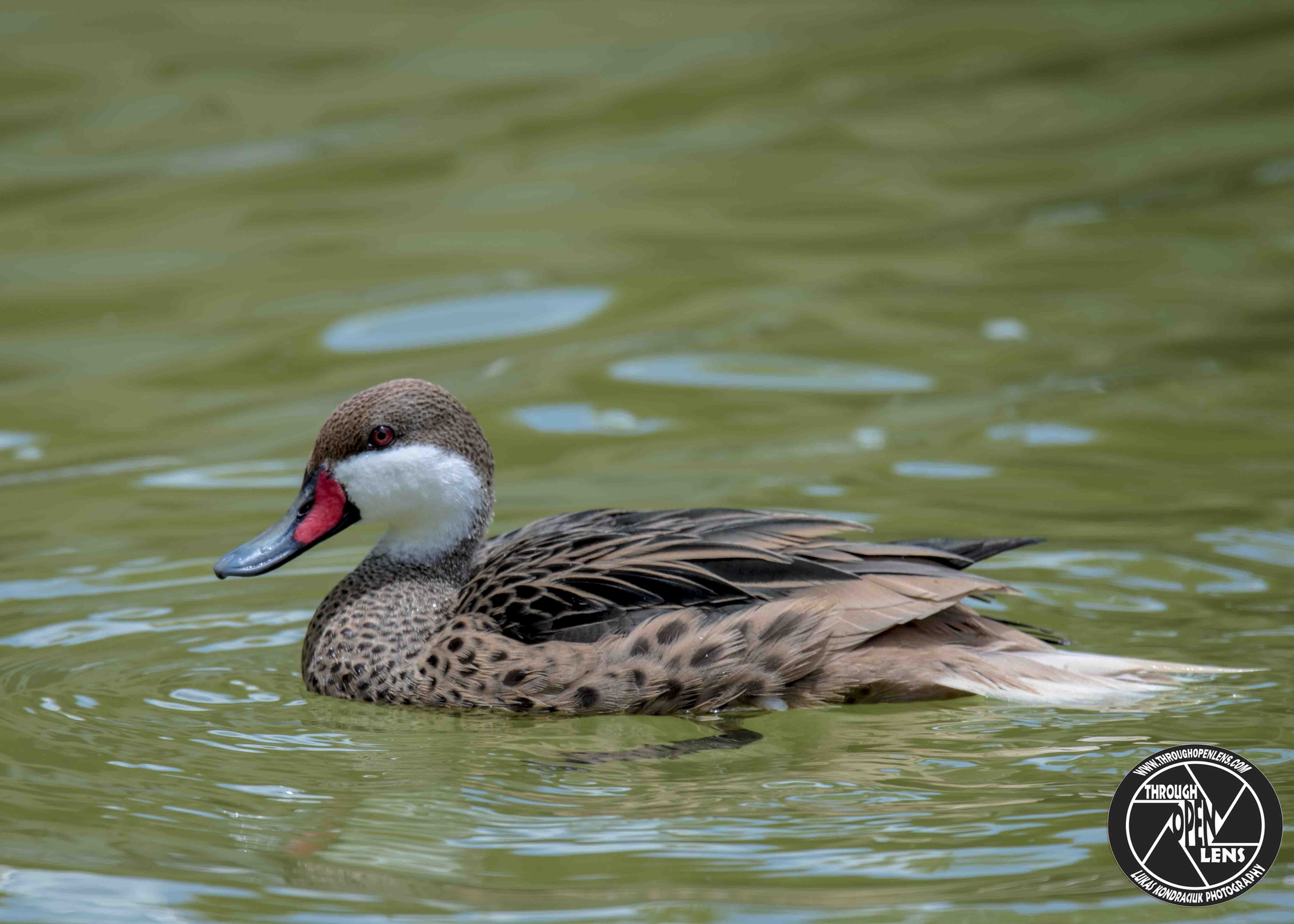
F/7.1, 1/200, ISO 160.

White-Cheeked Pintail 

Did you hear the one about the airplane?

Oh, never mind, it’s probably over your head.

Joke provided by:  Russell Smith ecstaticeclectica.com

Interesting Fact: The White-cheeked Pintail was first described in 1758 by Carolus Linnaeus, Swedish botanist, physician and zoologist. ( http://identify.whatbird.com/obj/1029/overview/White-cheeked_Pintail.aspx )


I Enjoy Long Romantic Walks On The Beach

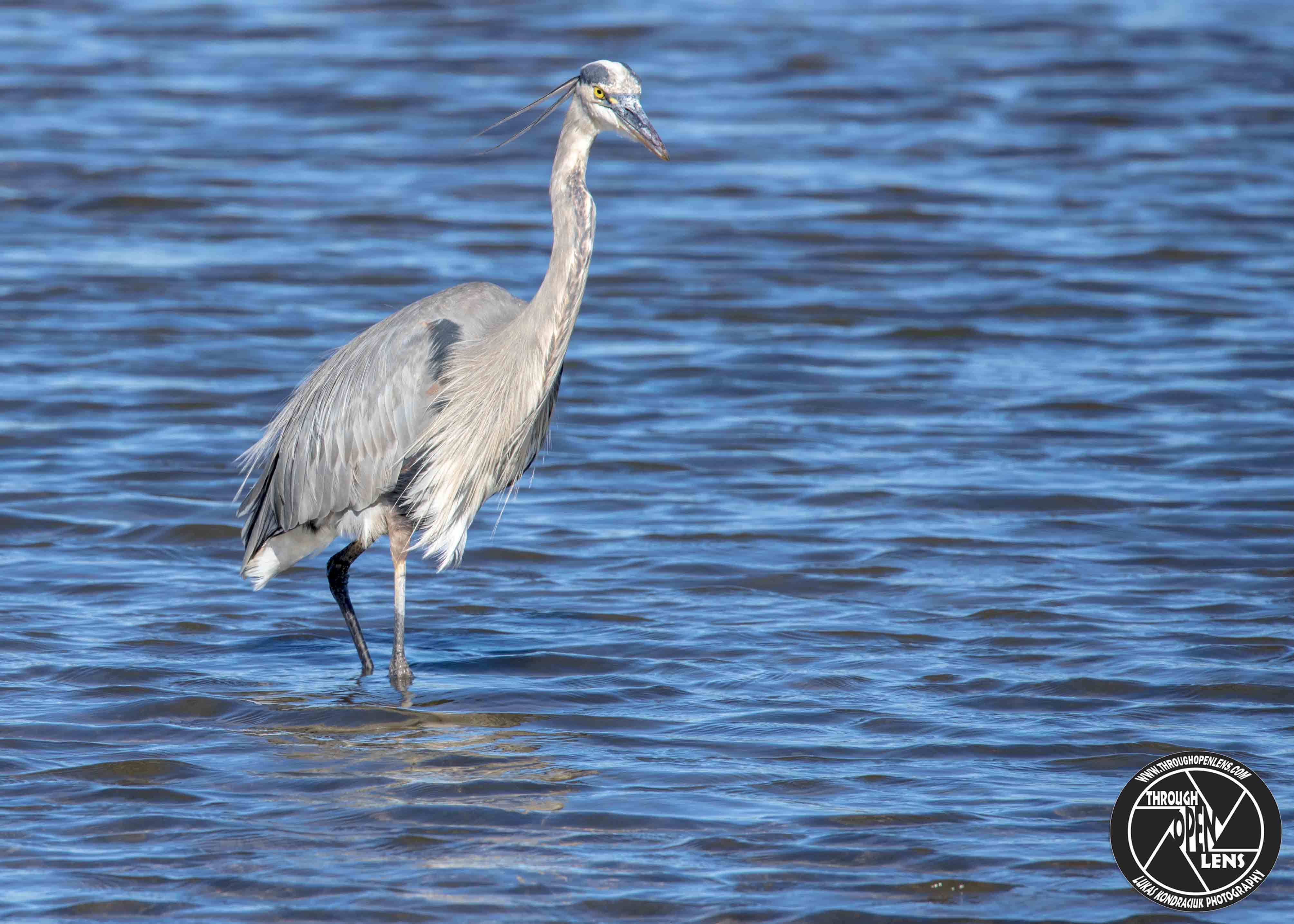
F/10.0, 1/400, ISO 250.

Great Blue Heron 

Why did the fish blush?

Because it saw the ocean’s bottom.

Interesting Fact: Great Blue Herons forage, usually alone, across much of the U.S. This largest of the North American herons wades slowly or stands stock still, peering into the water for prey. In flight the Great Blue Heron folds it neck into an “S” shape and trails its long legs behind, dangling them as it prepares to land or when courting. ( https://www.allaboutbirds.org/guide/Great_Blue_Heron/lifehistory )


Time To Start Dabbling!

F/10.0, 1/400, ISO 400.

Northern Shoveler 

What do you call a dinosaur that sits on nails?

Megasaurus (mega sore ass).

Interesting Fact: Northern Shoveler pairs are monogamous, and remain together longer than pairs of other dabbling duck species. ( https://www.allaboutbirds.org/guide/Northern_Shoveler/lifehistory )


When I Dip You Dip We Dip!

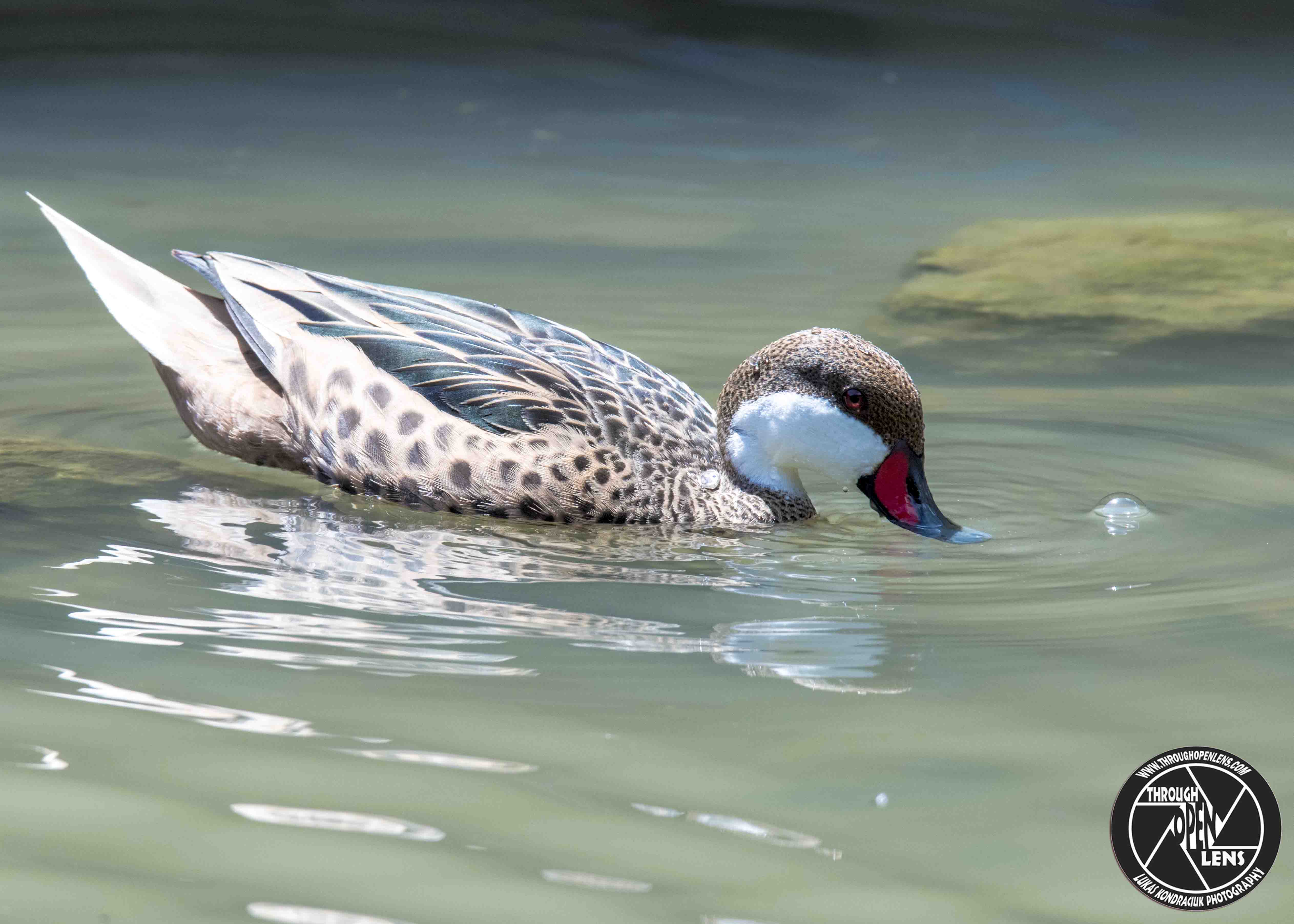
F/11.0, 1/500, ISO 800.

White-Cheeked Pintail 

Why did the coffee taste like mud?

It was fresh ground

Interesting Fact: White-cheeked Pintail: This species is a native of the Caribbean Islands, South America, and the Galapagos Islands. Within the United States, it is a rare to casual visitor in southern Florida. This bird is found near rivers, lakes, and ponds, as well as along costal marshes and rocky or sandy seashores. The White-cheeked Pintail was first described in 1758 by Carolus Linnaeus, Swedish botanist, physician and zoologist. ( http://identify.whatbird.com/obj/1029/overview/White-cheeked_Pintail.aspx )

We Are Not Talking If You Are Wondering!

F/6.3, 1/640, ISO 200.

Greater Yellowlegs

What’s invisible and smells like carrots?

Bunny Farts!

Interesting Fact: The Greater Yellowlegs walks with a distinctive high-stepping gait across wetlands when foraging, occasionally dashing forward in pursuit of a prey item. Compared to other shorebirds, the Greater Yellowlegs is often rather solitary.  ( https://www.allaboutbirds.org/guide/Greater_Yellowlegs/lifehistory )

Money Comes Like A Turtle And Goes Like A Rabbit.

F/11.0, 1/500, ISO 250.

Red-Eared Slider Turtle 

What do you get if cross a Turtle with a Giraffe?

A Turtle-Neck

Interesting Fact: Courtship and mating activities for red-eared sliders usually occur between March and July, and take place under water. During courtship, the male swims around the female and flutters or vibrates the back side of his long claws on and around her face and head, possibly to direct pheromones towards her.[29] The female swims toward the male and, if she is receptive, sinks to the bottom for mating. If the female is not receptive, she may become aggressive towards the male. Courtship can last 45 minutes, but mating takes only 10 minutes. ( https://en.wikipedia.org/wiki/Red-eared_slider )

The Fish Was This Big! I Swear!

F/7.1, 1/200, ISO 320.

Canada Goose

What does a pig put on its paper cut?

Oinkment!

Interesting Fact:  At least 11 subspecies of Canada Goose have been recognized, although only a couple are distinctive. In general, the geese get smaller as you move northward, and darker as you go westward. The four smallest forms are now considered a different species: the Cackling Goose. ( https://www.allaboutbirds.org/guide/Canada_Goose/lifehistory )