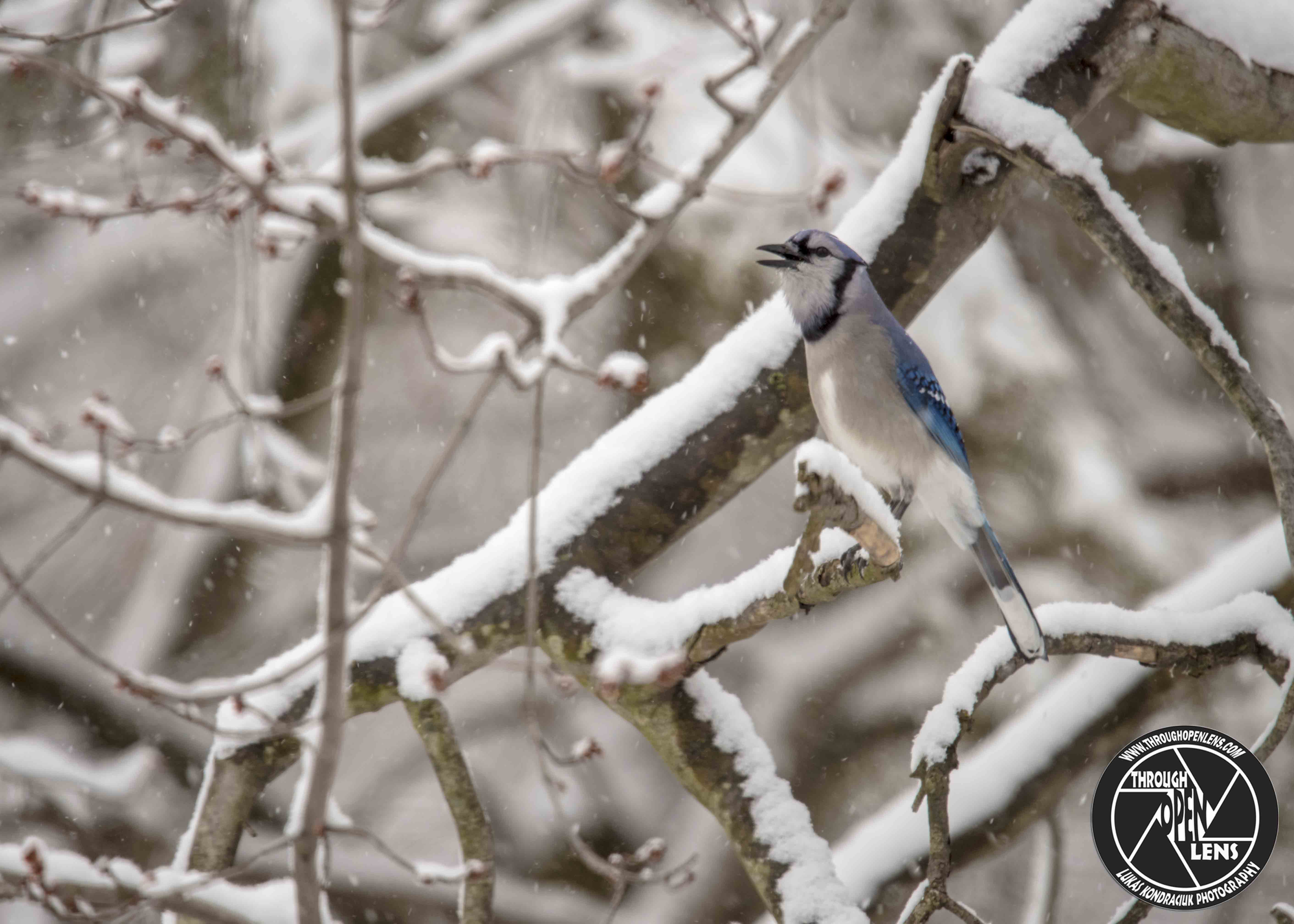
Let It Snow! Let It Snow! The Cold Never Bothered Me Anyway!

F/6.3, 1/160, ISO 400.

Blue Jay

Bobby went in to a pet shop.

He asked the employee, “Can I buy a goldfish?”

The employee: “Do you want an aquarium?”

Bobby: “I don’t care what star sign it is.”

Interesting Fact: Blue Jays are known to take and eat eggs and nestlings of other birds, but we don’t know how common this is. In an extensive study of Blue Jay feeding habits, only 1% of jays had evidence of eggs or birds in their stomachs. Most of their diet was composed of insects and nuts. (  https://www.allaboutbirds.org/guide/Blue_Jay )

With The New Day Comes New Strength And New Thoughts

F/11.0, 1/500, ISO 400.

Cedar Waxwing

What do you call a cow that eats your grass?

A lawn moo-er.

Interesting Fact: The name “waxwing” comes from the waxy red secretions found on the tips of the secondaries of some birds. The exact function of these tips is not known, but they may help attract mates. ( https://www.allaboutbirds.org/guide/Cedar_Waxwing/lifehistory )

I Am As Low As Your Lowrider!

F/9.0, 1/320, ISO 250.

Carolina Wren 

How do you drown a Hipster?

In the mainstream.

Interesting Fact: They are known to build multiple nests to confuse predators. ( http://identify.whatbird.com/obj/677/overview/Carolina_Wren.aspx )


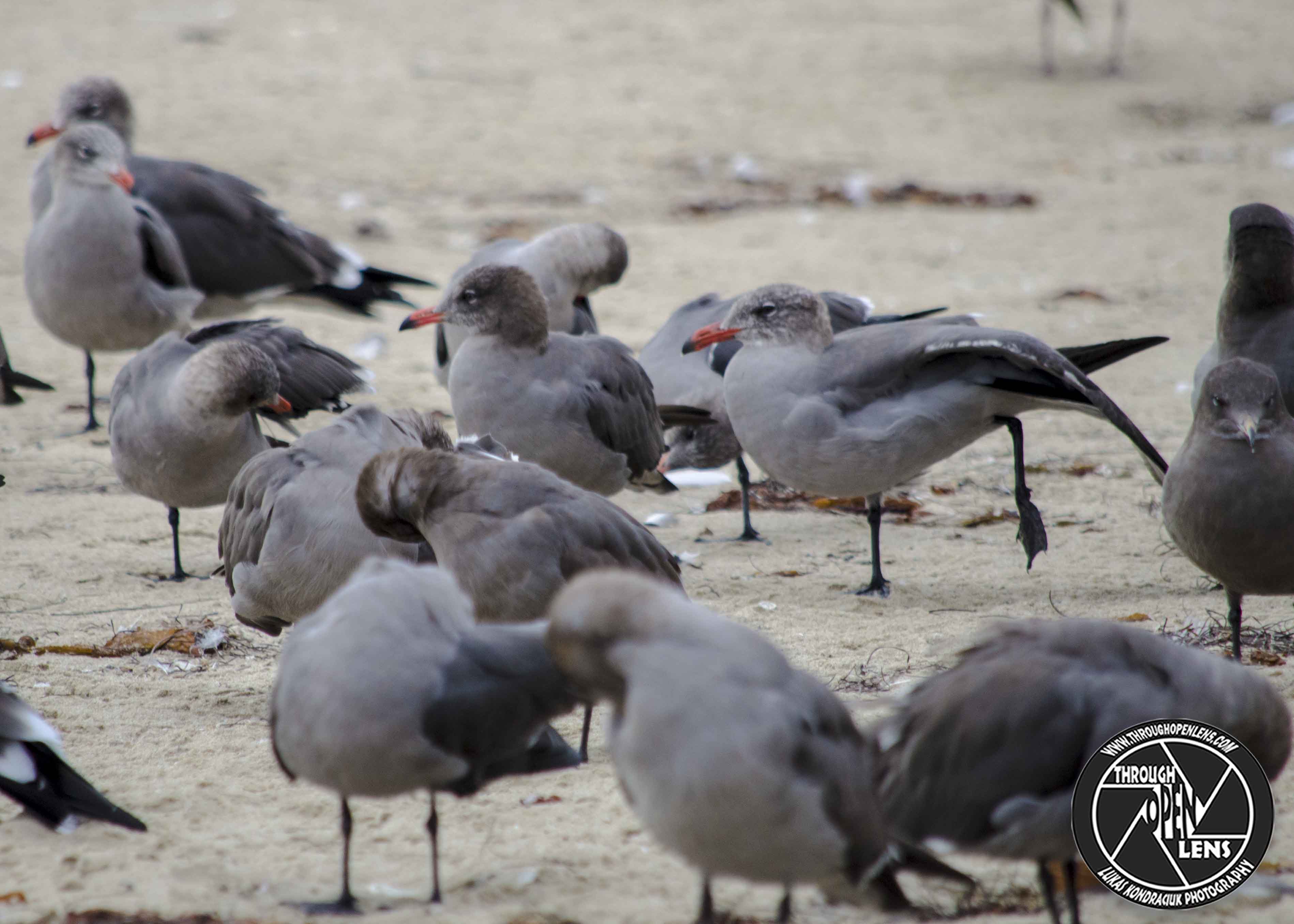
Simon Sez Stand On One Leg!

F/5.6, 1/500, ISO 400.

Heermann’s Gull

How do you communicate with a fish?

Drop him a line!

Interesting Fact: The Heermann’s Gull is the only North American gull that breeds south of the United States and comes north to spend the nonbreeding season. After breeding is over in July, the gull quickly comes north all the way to southern Canada. It heads back southward by December, and most breeders are at the breeding islands by March. ( https://www.allaboutbirds.org/guide/Heermanns_Gull/lifehistory )

I Give Out Swimming Lessons

F/8.0, 1/250, ISO 640.

Double-crested Cormorant

What do you call a bear with no socks on?

Bare-foot.

Interesting Fact: Large pebbles are occasionally found in cormorant nests, and the cormorants treat them as eggs. ( https://www.allaboutbirds.org/guide/Double-crested_Cormorant )

Swim At Your Own Risk

mute-swan-swimming

F/5.6, 1/125, ISO 320.

Mute Swan

Why did the teacher jump into the water?

She wanted to test the water!

Interesting Fact: The black knob at the base of the male Mute Swan’s bill swells during the breeding season and becomes noticeably larger than the female’s. The rest of the year the difference between the sexes is not obvious.  ( https://www.allaboutbirds.org/guide/Mute_Swan/lifehistory )

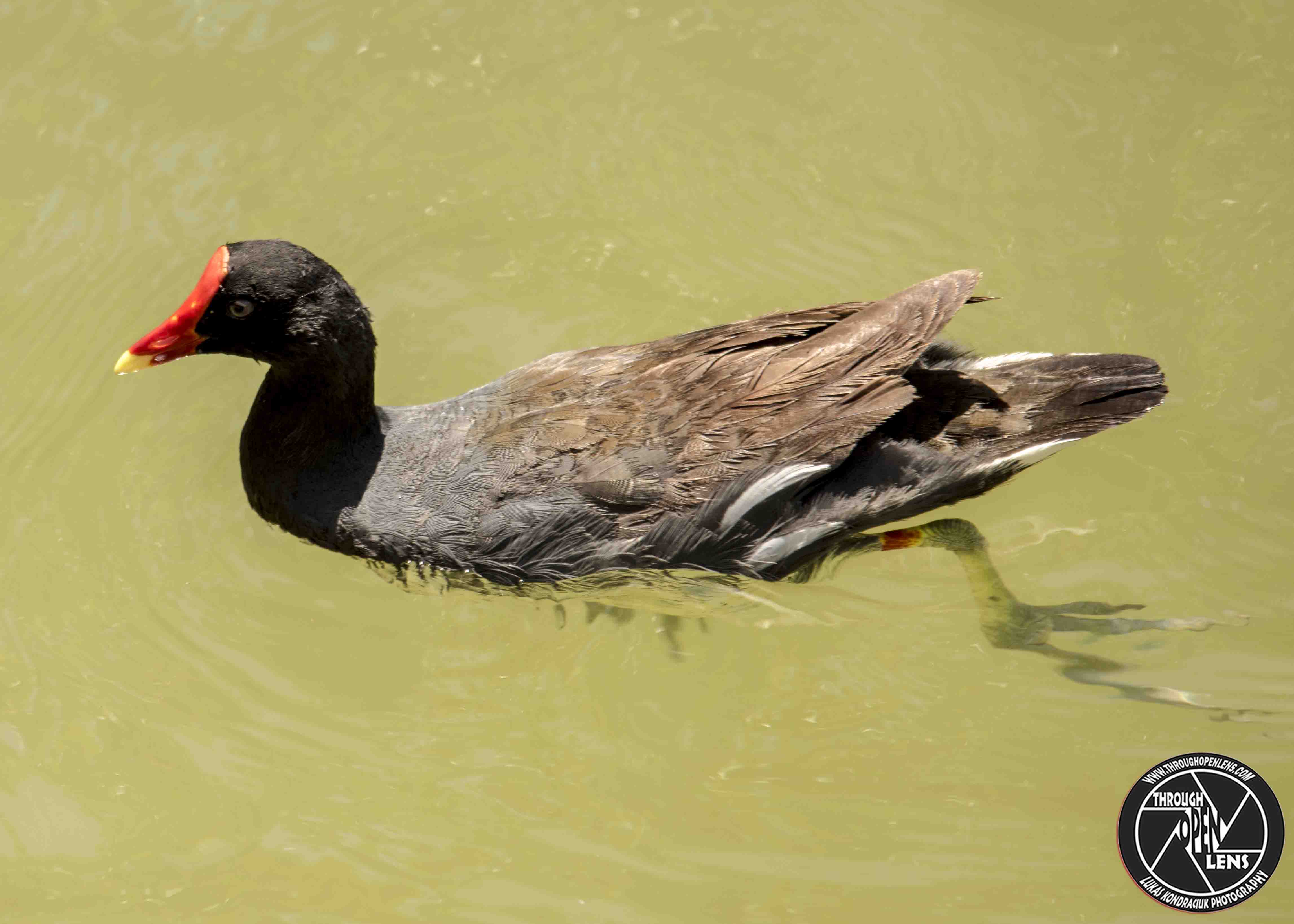
Change Is Hard. Have You Ever Tried To Bend A Coin?

F/7.1, 1/200, ISO 160.

Common Gallinule

Why didn’t the skeleton go to the dance?

Because he had no-body to go with

Interesting Fact: Common Gallinules build nests to raise their young, but they also build platforms of matted vegetation to display for potential mates. ( https://www.allaboutbirds.org/guide/Common_Gallinule )

I Want To Swim Away!

Red-Necked Grebe

F/5.6, 1/200, ISO 100.

Red-Necked Grebe

One day, two thieves stole a bunch of money from a house. First thief: Let us count the money we have stolen. Second thief: Leave, why we will count and waste our time. We can see in the newspaper, tomorrow.

Interesting Fact: The Red-necked Grebe migrates over land strictly at night. It sometimes migrates over water or along coasts by day, in large flocks. ( https://www.allaboutbirds.org/guide/Red-necked_Grebe/lifehistory )

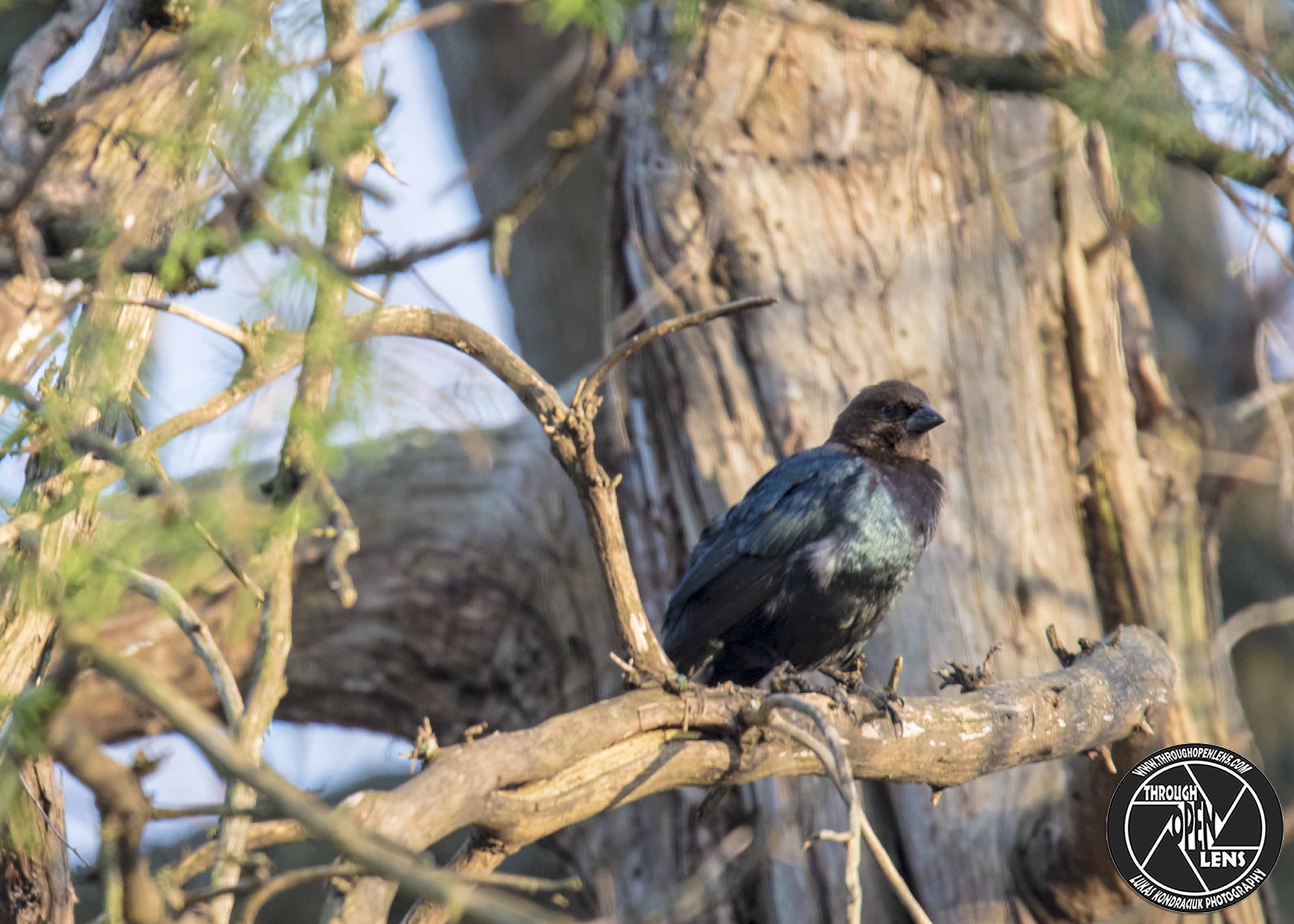
Don’t Questions My Parenting!

F/6.3, 1/80, ISO 500.

Brown-headed Cowbird

I’ve just opened a new restaurant called Karma.

There’s no menu, we just give you what you deserve.

Interesting Fact: The Brown-headed Cowbird is North America’s most common “brood parasite.” A female cowbird makes no nest of her own, but instead lays her eggs in the nests of other bird species, who then raise the young cowbirds. ( https://www.allaboutbirds.org/guide/Brown-headed_Cowbird )

Together We Can Quack Everything!

F/9.0, 1/320, ISO 500.

Canvasback 

Did you hear about the duck with a drug problem?

He was a quackhead.

Interesting Fact: Canvasbacks are social outside of the breeding season; they gather in large rafts by the thousands to tens of thousands. Only when winter food is scarce or clumped do they defend foraging areas against other Canvasbacks. During spring and early in the breeding season, they act more aggressively. Threat displays include putting the bill in the water or on the chest, jabbing, pumping the head, or chasing.  ( https://www.allaboutbirds.org/guide/Canvasback/lifehistory )