Ehh, What’s Up Duck?

F/5.6, 1/500, ISO 200.

Mallard 

Why did the duck cross the road?

Because there was a quack in the sidewalk. 

Interesting Fact:  Ducks have webbed feet, which they use for paddling beneath the water. Their feet have no nerves or blood vessels, which mean that they won’t feel chill from swimming in icy water. ( https://americanexpedition.us/mallard-duck-information-facts-photos-and-artwork )
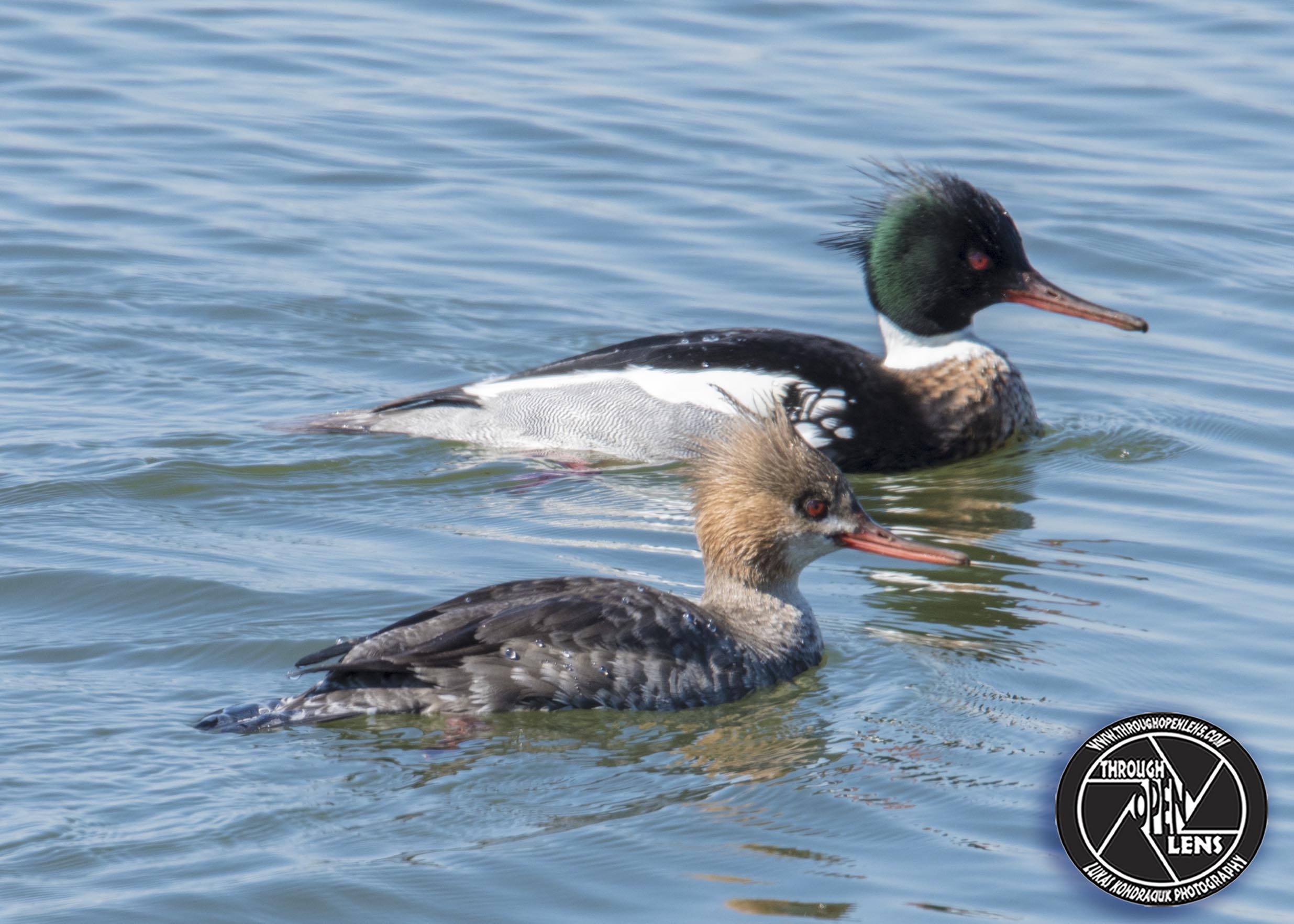
Grow Old With Me.

F/9.0, 1/320, ISO 200.

Red-breasted Mergansers

Why did the boy eat his homework?

Because his teacher said it was a piece of cake!

Interesting Fact: The oldest recorded Red-breasted Merganser was a female, and at least 9 years, 6 months old when she was shot in Alaska, the same state where she had been banded. ( https://www.allaboutbirds.org/guide/Red-breasted_Merganser/lifehistory )

My Eyes Always Come Out Red In Photos

F/ 6.3, 1/640, ISO 200.

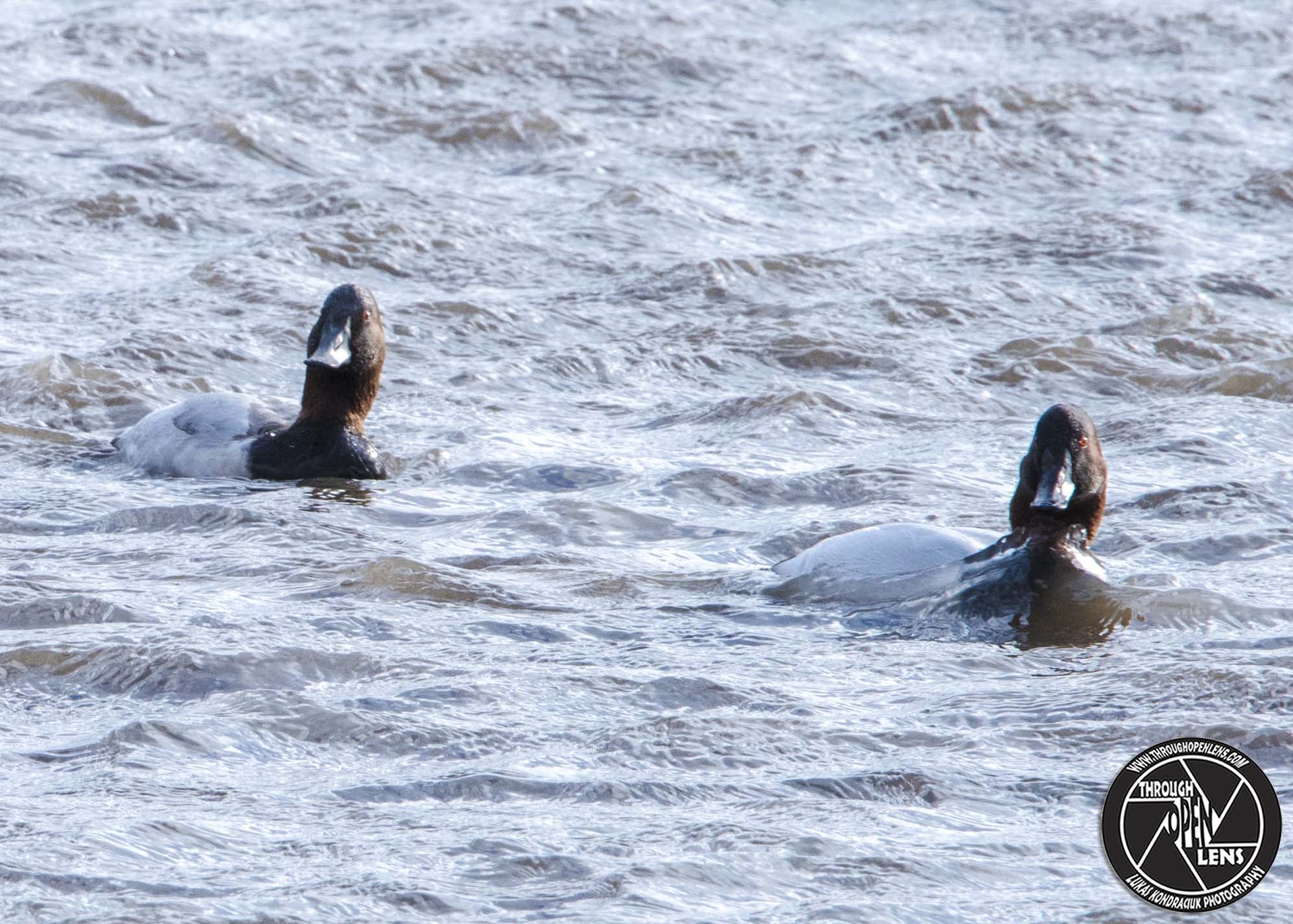
Canvasback

“Doctor, doctor, my wife thinks she’s a duck.”

“You better bring her in to see me straight away.”

“I can’t do that – she’s already flown south for the winter.”  

Interesting Fact: The species name of the Canvasback, Aythya valisineria, comes from Vallisneria americana, or wild celery, whose winter buds and rhizomes are its preferred food during the nonbreeding period.  ( https://www.allaboutbirds.org/guide/Canvasback/lifehistory )

You Wanna Fly You Got To Give Up The Shit That Weighs You Down.

F/9.0, 1/320, ISO 640.

Double-crested Cormorant 

How does NASA organize a party?

They planet

Interesting Fact: The male chooses the nest site and then attracts a female. Nests can be on the ground, on rocks or reefs with no vegetation, or atop trees, which may be alive when a cormorant colony first forms but typically die after a few years from the guano build-up. Nests are built in the center of a colony first, then expand outward. ( https://www.allaboutbirds.org/guide/Double-crested_Cormorant/lifehistory )

A song told me to Deck the Halls…so I did! Mr.and Mrs. Hall are not very happy!

F/11.0, 1/500, ISO 500.

Canvasback 

Did you hear the joke about the roof?

Never mind, it’s over your head!

Interesting Fact: Canvasbacks are diving ducks at home in the water, seldom going ashore to dry land. They sleep on the water with their bill tucked under the wing, and they nest on floating mats of vegetation. To get airborne Canvasbacks need a running start, but once in the air they are strong and fast fliers, clocking airspeeds of up to 56 miles per hour. ( https://www.allaboutbirds.org/guide/Canvasback/lifehistory )

I Give Out Swimming Lessons

F/8.0, 1/250, ISO 640.

Double-crested Cormorant

What do you call a bear with no socks on?

Bare-foot.

Interesting Fact: Large pebbles are occasionally found in cormorant nests, and the cormorants treat them as eggs. ( https://www.allaboutbirds.org/guide/Double-crested_Cormorant )

Together We Can Quack Everything!

F/9.0, 1/320, ISO 500.

Canvasback 

Did you hear about the duck with a drug problem?

He was a quackhead.

Interesting Fact: Canvasbacks are social outside of the breeding season; they gather in large rafts by the thousands to tens of thousands. Only when winter food is scarce or clumped do they defend foraging areas against other Canvasbacks. During spring and early in the breeding season, they act more aggressively. Threat displays include putting the bill in the water or on the chest, jabbing, pumping the head, or chasing.  ( https://www.allaboutbirds.org/guide/Canvasback/lifehistory )

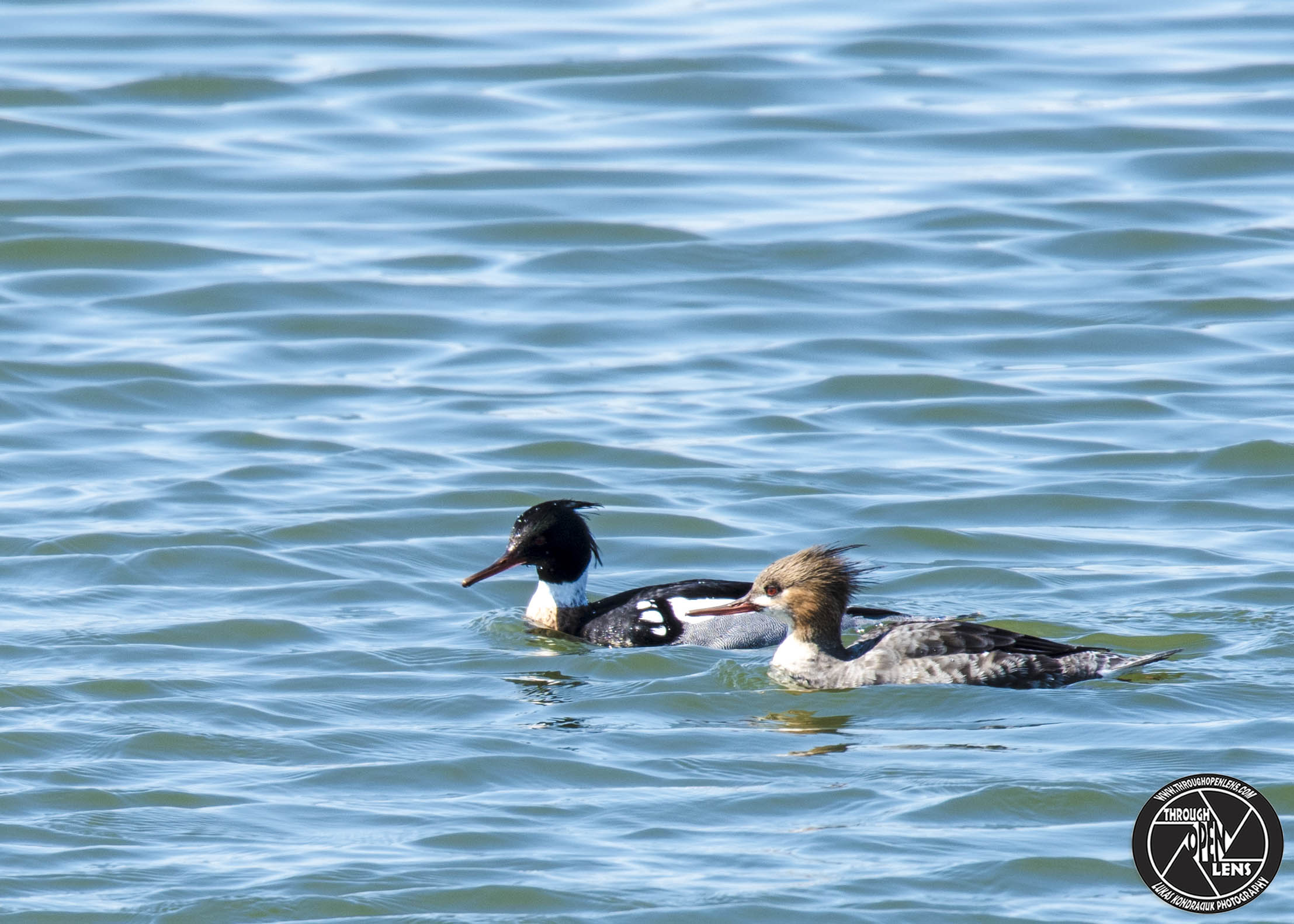
Alone We Are Strong… Together We Are Stronger!

F/9.0, 1/320, ISO 200.

Red-breasted Merganser

Why can’t a leopard hide?

Because he’s always spotted!

Interesting Fact:  The Red-breasted Merganser breeds farther north and winters farther south than the other American mergansers. ( https://www.allaboutbirds.org/guide/Red-breasted_Merganser/lifehistory )

If I’m Going To Get Wet, I May As Well Swim.

horned-grebe

F/5.6, 1/200, ISO 500.

Horned Grebe

Why won’t they allow elephants in public swimming pools?

Because they might let down their trunks.

Interesting Fact: The Horned Grebe regularly eats some of its own feathers, enough that its stomach usually contains a matted plug of them. This plug may function as a filter or may hold fish bones in the stomach until they can be digested. The parents even feed feathers to their chicks to get the plug started early. ( https://www.allaboutbirds.org/guide/Horned_Grebe/lifehistory )

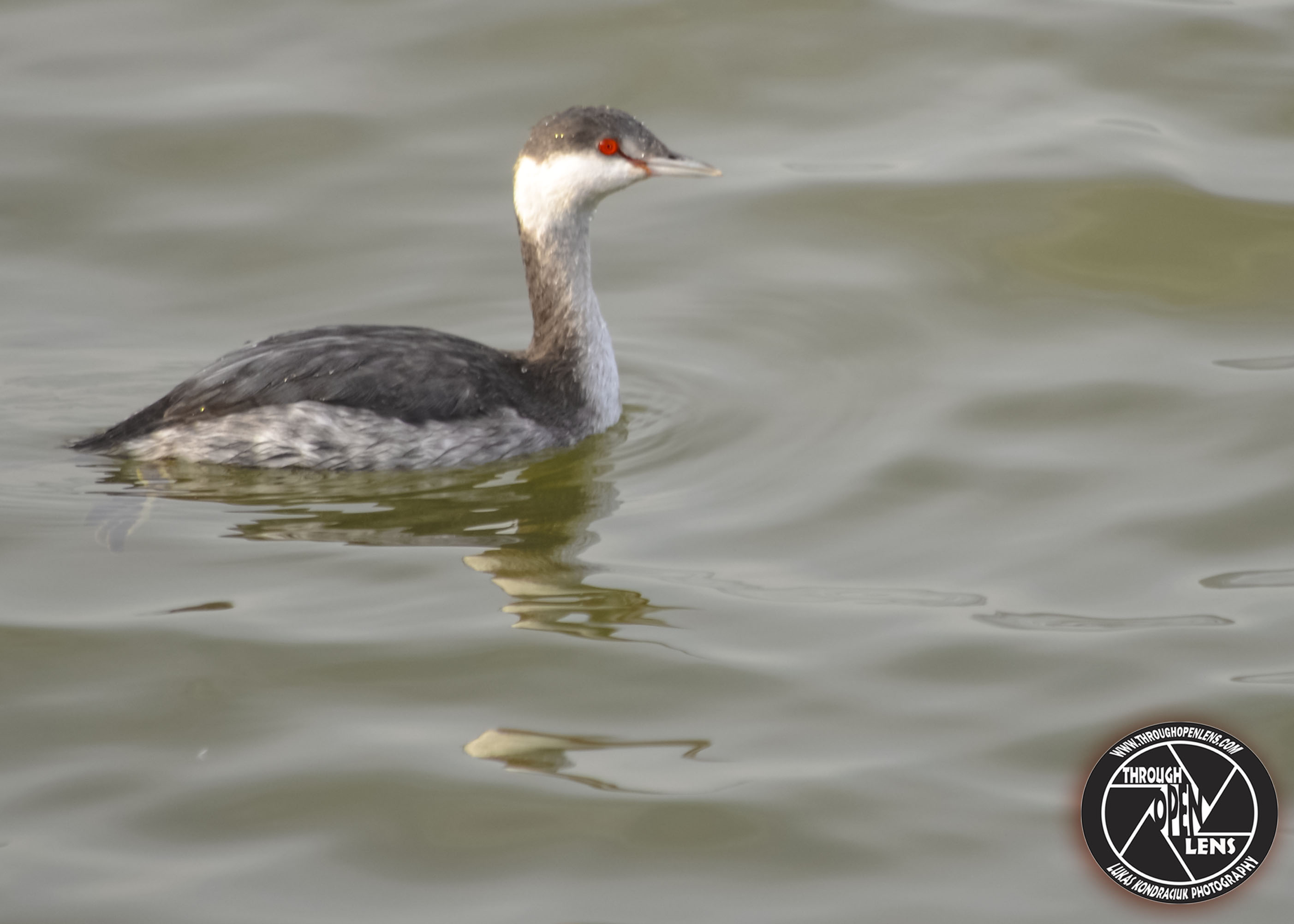
I Swim Because I Am Too SEXY For A Sport That Requires Clothes

F/6.3, 1/500, ISO 250.

Horned Grebe

Little Red Riding Hood walks all alone through the deep dark wood. Suddenly she hears rustling in a thick bush. Cautiously she moves the branches aside and finds herself facing the big bad wolf.

Little Red Riding Hood: “Oh, Big Bad Wolf, why do you have such huge red eyes?”

Big Bad Wolf: “Go away! I’m crapping!”

Interesting Fact: Dives underwater for food, in open water and among aquatic vegetation. Picks insects off water surface. ( https://www.allaboutbirds.org/guide/Horned_Grebe/lifehistory )