I Had A Very Unhappy Egghood…

F/10.0, 1/320, ISO 320

Brown-headed Cowbird

What did the traffic light say to the car?

Don’t look, I’m changing.

Interesting Fact: Cowbird eggs hatch faster than other species eggs, giving cowbird nestlings a head start in getting food from the parents. Young cowbirds also develop at a faster pace than their nest mates, and they sometimes toss out eggs and young nestlings or smother them in the bottom of the nest. ( https://www.allaboutbirds.org/guide/Brown-headed_Cowbird/lifehistory )


It’s Better To Swallow Words Than To Have To Eat Them Later

F/11.0, 1/500, ISO 250.

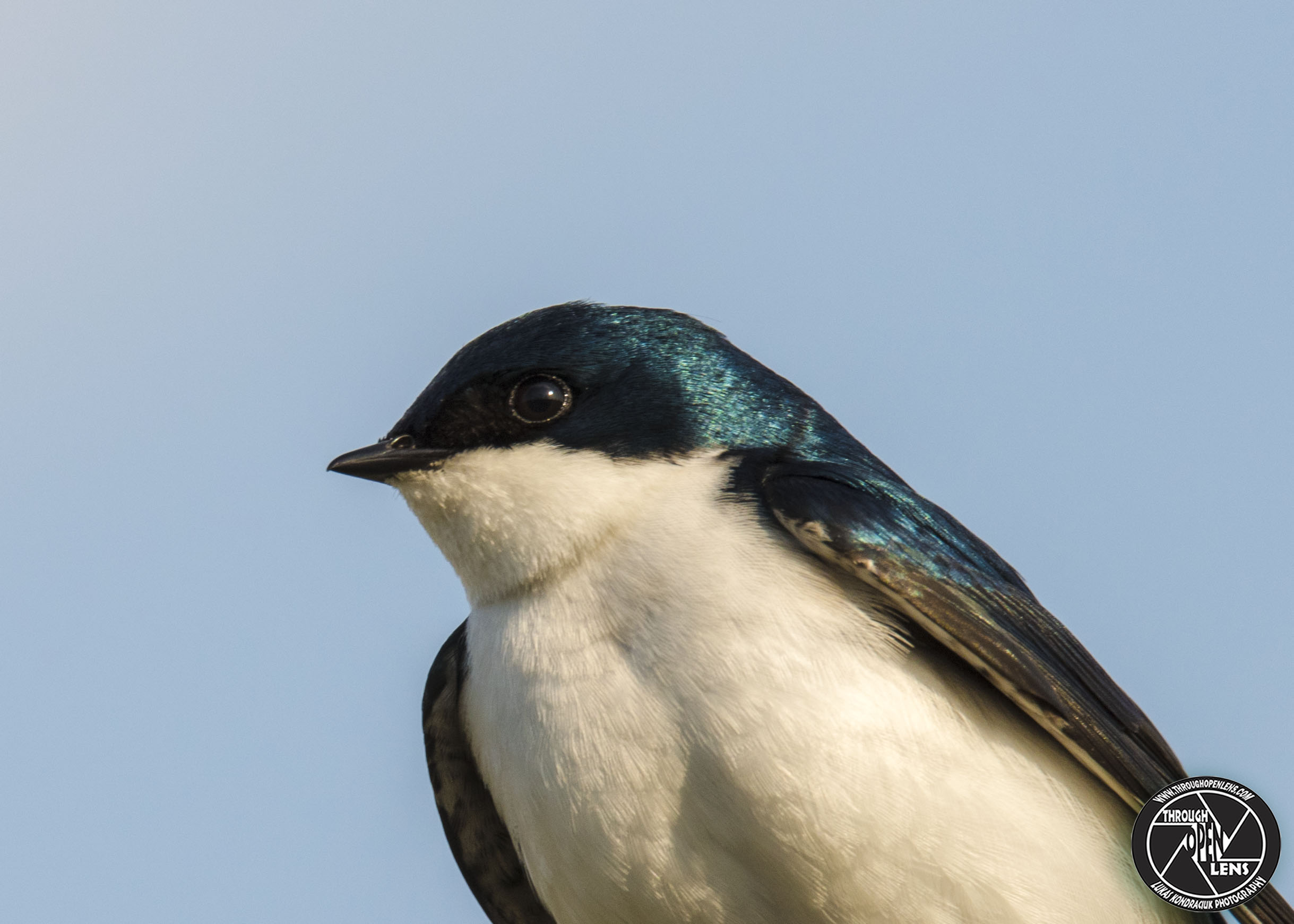
Tree Swallow

What kind of lights did Noah use on the Ark?

Flood lights!

Interesting Fact: Tree Swallows have helped researchers make major advances in several branches of ecology, and they are among the best-studied bird species in North America. Still, we know little about their lives during migration and winter. ( https://www.allaboutbirds.org/guide/Tree_Swallow/lifehistory )

Do Not Cross Me I Have My Fancy Pants On Today!

F/5.6, 1/500, ISO 200.

Snowy Egret

What did the triangle say to the circle?

You are pointless!

Interesting Fact: Male Snowy Egrets fight for breeding territories, choose nest sites, and perform noisy courtship displays to attract mates. A ring of other egrets often gathers around a displaying male as he pumps his body up and down, points his bill skyward, and calls. He also performs aerial displays, including one that ends with him dropping toward the ground while tumbling around and around. After pairing up, Snowy Egrets continue defending the immediate area around the nest, raising their crests and giving rasping calls. Some of their nest predators include raccoons, Great Horned Owls, Barred Owls, American Crows, Fish Crows, American alligators, and gray rat snakes. Highly social all year long, Snowy Egrets forage with gulls, terns, ibises, and other herons, and they nest in colonies alongside many other species, including Great Egrets, night-herons, Glossy Ibises, Little Blue Herons, Tricolored Herons, Cattle Egrets, and Roseate Spoonbills. ( https://www.allaboutbirds.org/guide/Snowy_Egret/lifehistory )

If You’re Feeling Blue Try Painting Yourself A Different Color

F/6.3, 1/160, ISO 1000.

Eastern Bluebird

What starts with a P, ends with an E, and has a million letters in it?

Post Office!

Interesting Fact: The male Eastern Bluebird displays at his nest cavity to attract a female. He brings nest material to the hole, goes in and out, and waves his wings while perched above it. That is pretty much his contribution to nest building; only the female Eastern Bluebird builds the nest and incubates the eggs.  ( https://www.allaboutbirds.org/guide/Eastern_Bluebird/lifehistory )

I Claim This Branch!

F/7.1, 1/200, ISO 200.

Eastern Phoebe 

Why can’t you take a nap during a race?

Because if you snooze, you loose!

Interesting Fact: The Eastern Phoebe is a loner, rarely coming in contact with other phoebes. Even members of a mated pair do not spend much time together. They may roost together early in pair formation, but even during egg laying the female frequently chases the male away from her. ( https://www.allaboutbirds.org/guide/Eastern_Phoebe/lifehistory )

Staring Contest, GO!

F/6.3, 1/125, ISO 320.

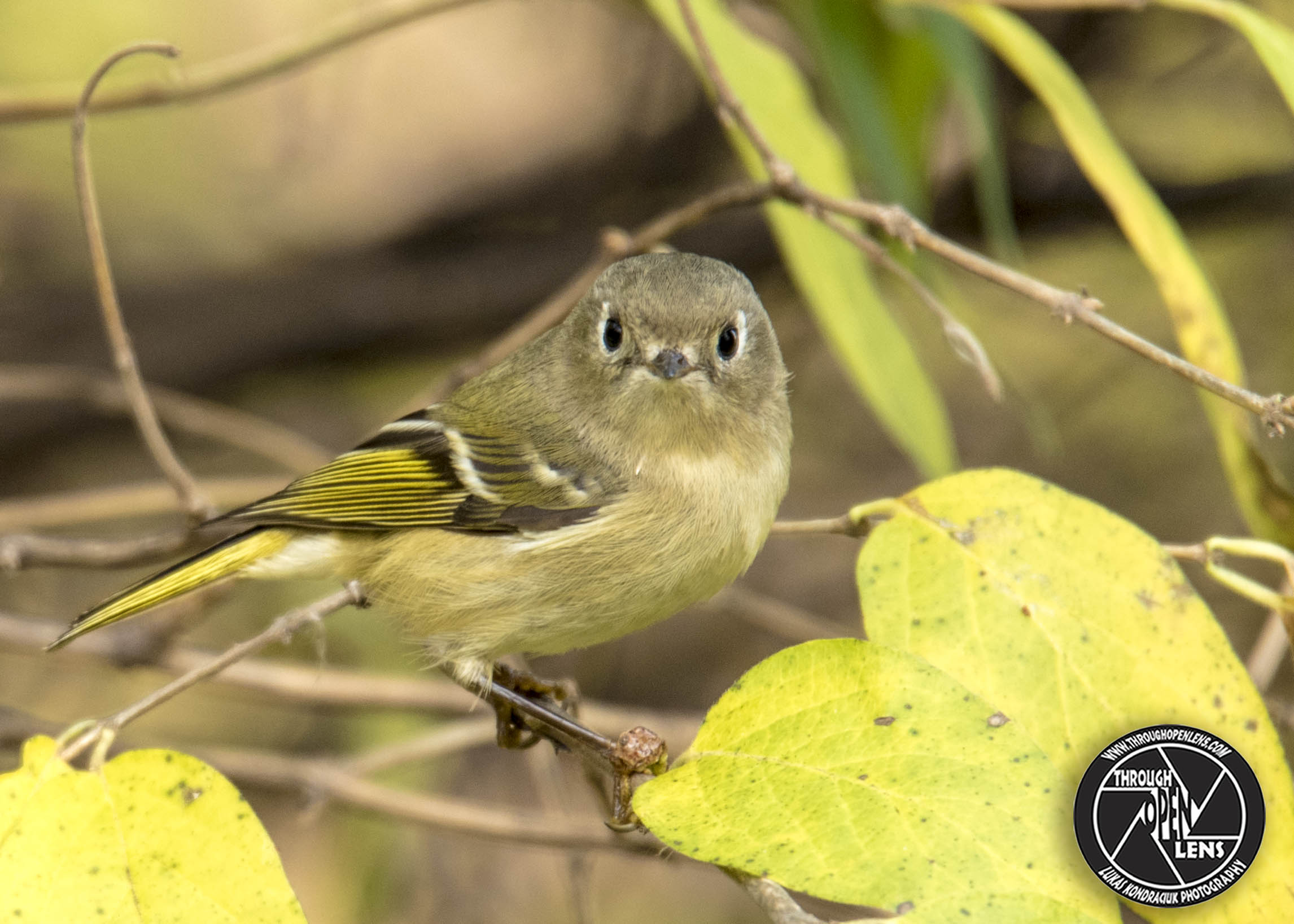
Ruby-crowned Kinglet

What did the candle say to the other candle?

I’m going out tonight.

Interesting Fact: Metabolic studies on Ruby-crowned Kinglets suggest that these tiny birds use only about 10 calories (technically, kilocalories) per day. ( https://www.allaboutbirds.org/guide/Ruby-crowned_Kinglet/lifehistory )

This Is Really Hard To Swallow

F/13.0, 1/640, ISO 320.

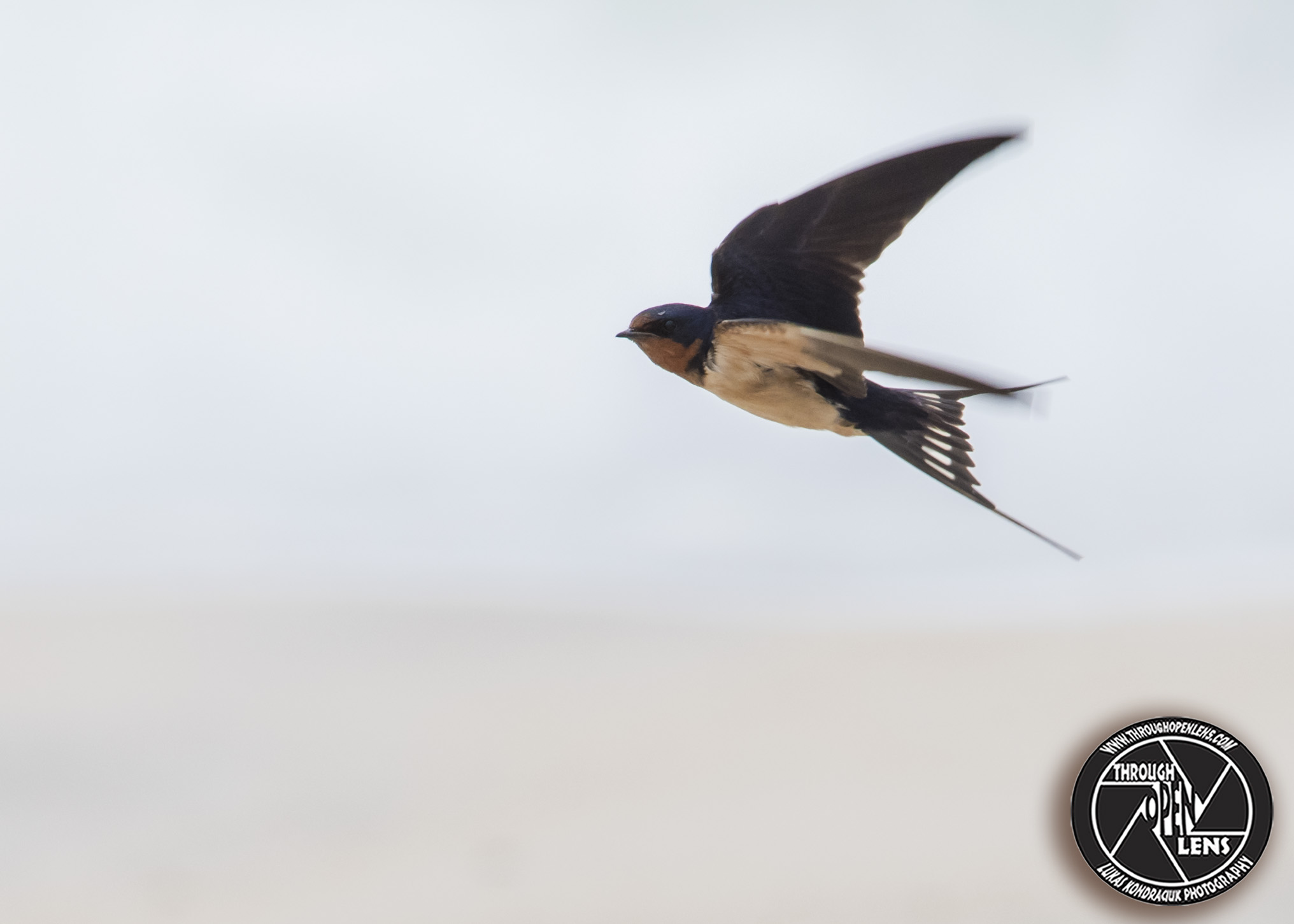
Barn Swallow

Why did the computer break up with the internet?

There was no “Connection”.

Interesting Fact: Long-distance migrant. Barn Swallows fly from North American breeding grounds to wintering areas in Central and South America. Southbound fall migration may begin by late June in Florida or early July in Massachusetts. They return as early as late January in southern California to mid-May at Alaskan breeding sites. ( https://www.allaboutbirds.org/guide/Barn_Swallow/lifehistory )

Holy Smokes Batman Your Zipper Is Down!

F/9.0, 1/320, ISO 250.

American Robin

What happens when Batman and Robin fight a steamroller?

They become Flatman and Ribbon.

Interesting Fact: Although robins are considered harbingers of spring, many American Robins spend the whole winter in their breeding range. But because they spend more time roosting in trees and less time in your yard, you’re much less likely to see them. The number of robins present in the northern parts of the range varies each year with the local conditions. ( https://www.allaboutbirds.org/guide/American_Robin/lifehistory )

I Had A Very Unhappy Egghood…

F/5.6, 1/125, ISO 200.

Helmeted guineafowl

Why was the man running around his bed?

He wanted to catch up on his sleep.

Interesting Fact: The helmeted guineafowl (Numida meleagris) is the best known of the guineafowl bird family, Numididae, and the only member of the genus Numida. It is native to Africa, mainly south of the Sahara, and has been widely introduced into the West Indies, Brazil, Australia and Europe (e.g. southern France).  ( https://en.wikipedia.org/wiki/Helmeted_guineafowl )

I Am Looking Up To You!

F/5.6, 1/500, ISO 320.

Elegant Tern

How do you organize an outer space party?

You planet.

Interesting Fact: The oldest recorded Elegant Tern was at least 20 years, 11 months old when it was found in California in 2010, the same state where it had been banded in 1989. ( https://www.allaboutbirds.org/guide/Elegant_Tern )