What Drives You Nuts?!

F/6.3, 1/100, ISO 320.

American Red Squirrel

Why do squirrels swim on there back?

To keep their nuts dry!

Interesting Fact: Red squirrels can be easily distinguished from other North American tree squirrels by their smaller size, 28–35 cm (11–14 in) total length (including tail), territorial behavior, and reddish fur with a white venter (underbelly).[6] Red squirrels are somewhat larger than chipmunks. The Douglas squirrel is morphologically similar to the American red squirrels, but has a rust-colored venter and is restricted to the southwestern coast of British Columbia and in the Pacific Northwest of the United States. These species’ ranges do not overlap.  ( https://en.wikipedia.org/wiki/American_red_squirrel )
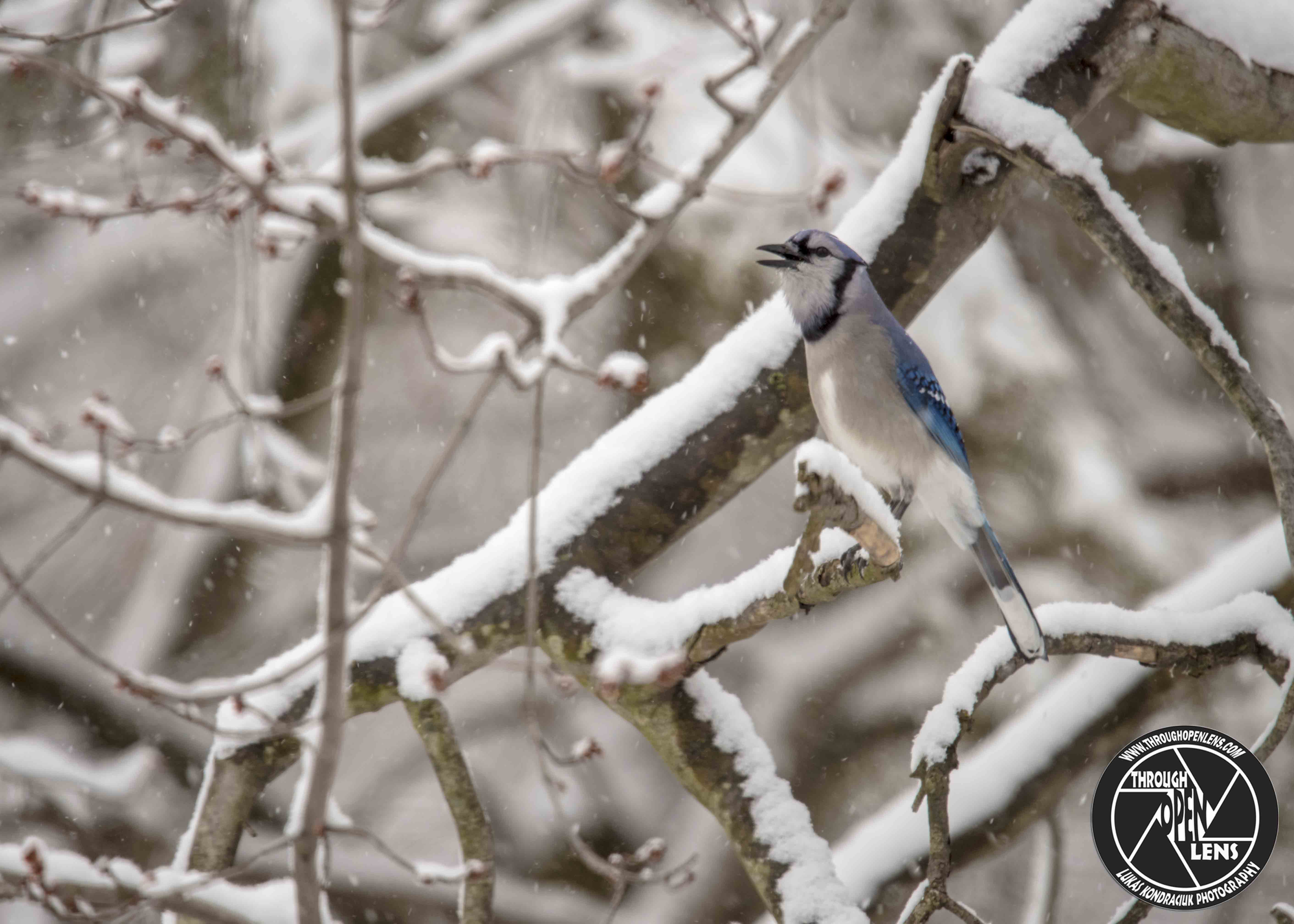
Let It Snow! Let It Snow! The Cold Never Bothered Me Anyway!

F/6.3, 1/160, ISO 400.

Blue Jay

Bobby went in to a pet shop.

He asked the employee, “Can I buy a goldfish?”

The employee: “Do you want an aquarium?”

Bobby: “I don’t care what star sign it is.”

Interesting Fact: Blue Jays are known to take and eat eggs and nestlings of other birds, but we don’t know how common this is. In an extensive study of Blue Jay feeding habits, only 1% of jays had evidence of eggs or birds in their stomachs. Most of their diet was composed of insects and nuts. (  https://www.allaboutbirds.org/guide/Blue_Jay )

With The New Day Comes New Strength And New Thoughts

F/11.0, 1/500, ISO 400.

Cedar Waxwing

What do you call a cow that eats your grass?

A lawn moo-er.

Interesting Fact: The name “waxwing” comes from the waxy red secretions found on the tips of the secondaries of some birds. The exact function of these tips is not known, but they may help attract mates. ( https://www.allaboutbirds.org/guide/Cedar_Waxwing/lifehistory )

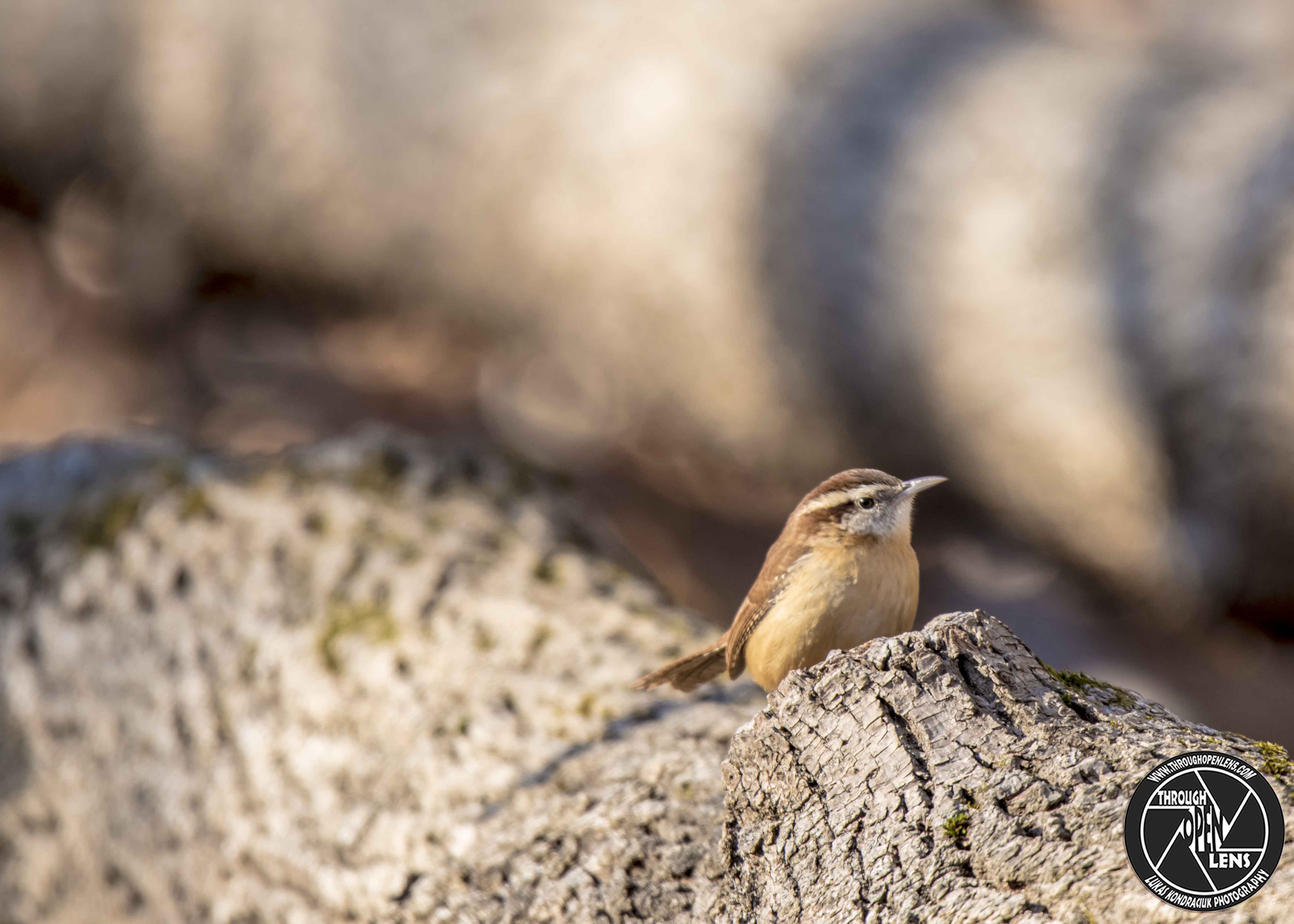
I Am As Low As Your Lowrider!

F/9.0, 1/320, ISO 250.

Carolina Wren 

How do you drown a Hipster?

In the mainstream.

Interesting Fact: They are known to build multiple nests to confuse predators. ( http://identify.whatbird.com/obj/677/overview/Carolina_Wren.aspx )


Swim At Your Own Risk

mute-swan-swimming

F/5.6, 1/125, ISO 320.

Mute Swan

Why did the teacher jump into the water?

She wanted to test the water!

Interesting Fact: The black knob at the base of the male Mute Swan’s bill swells during the breeding season and becomes noticeably larger than the female’s. The rest of the year the difference between the sexes is not obvious.  ( https://www.allaboutbirds.org/guide/Mute_Swan/lifehistory )

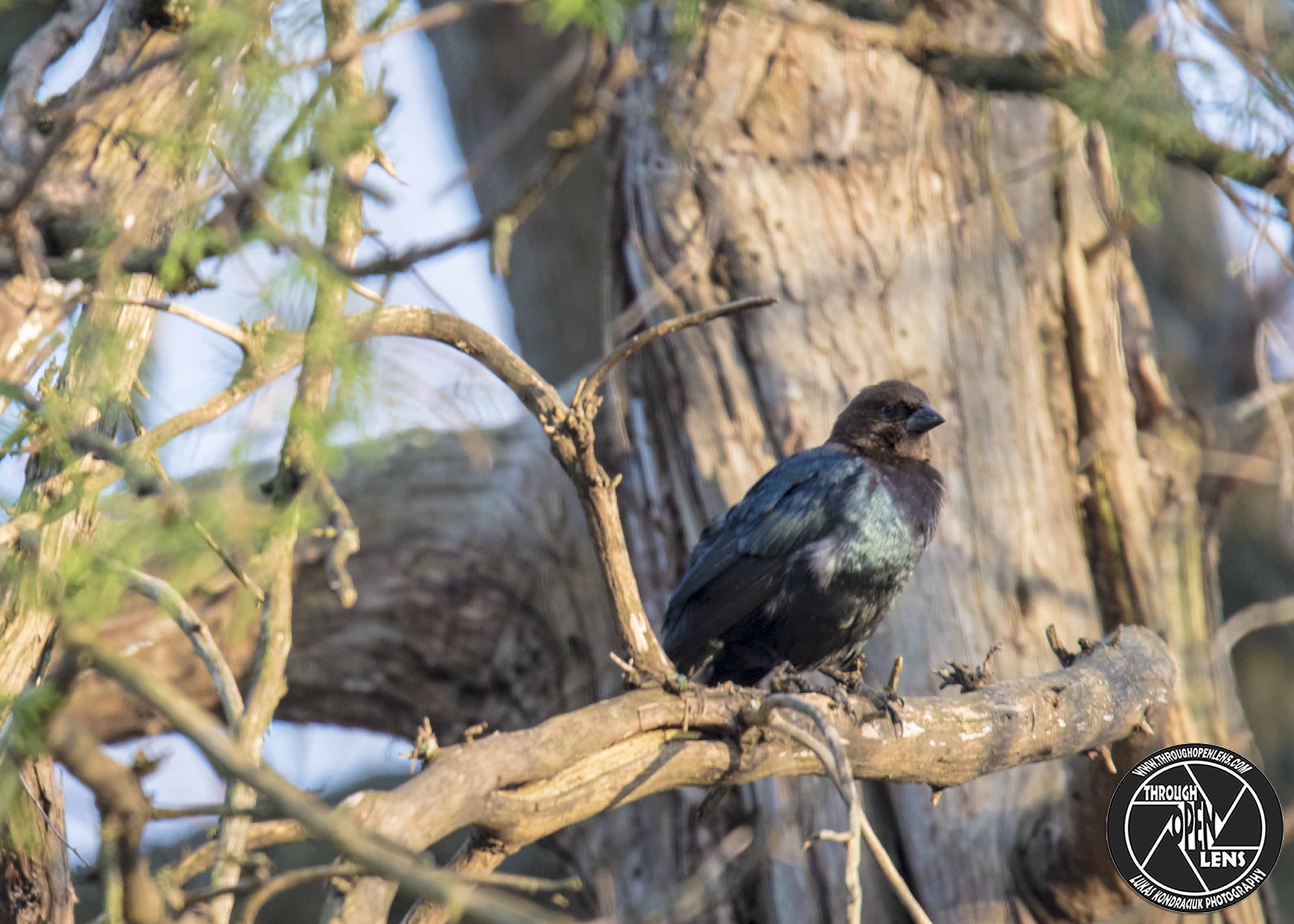
Don’t Questions My Parenting!

F/6.3, 1/80, ISO 500.

Brown-headed Cowbird

I’ve just opened a new restaurant called Karma.

There’s no menu, we just give you what you deserve.

Interesting Fact: The Brown-headed Cowbird is North America’s most common “brood parasite.” A female cowbird makes no nest of her own, but instead lays her eggs in the nests of other bird species, who then raise the young cowbirds. ( https://www.allaboutbirds.org/guide/Brown-headed_Cowbird )

Together We Can Quack Everything!

F/9.0, 1/320, ISO 500.

Canvasback 

Did you hear about the duck with a drug problem?

He was a quackhead.

Interesting Fact: Canvasbacks are social outside of the breeding season; they gather in large rafts by the thousands to tens of thousands. Only when winter food is scarce or clumped do they defend foraging areas against other Canvasbacks. During spring and early in the breeding season, they act more aggressively. Threat displays include putting the bill in the water or on the chest, jabbing, pumping the head, or chasing.  ( https://www.allaboutbirds.org/guide/Canvasback/lifehistory )

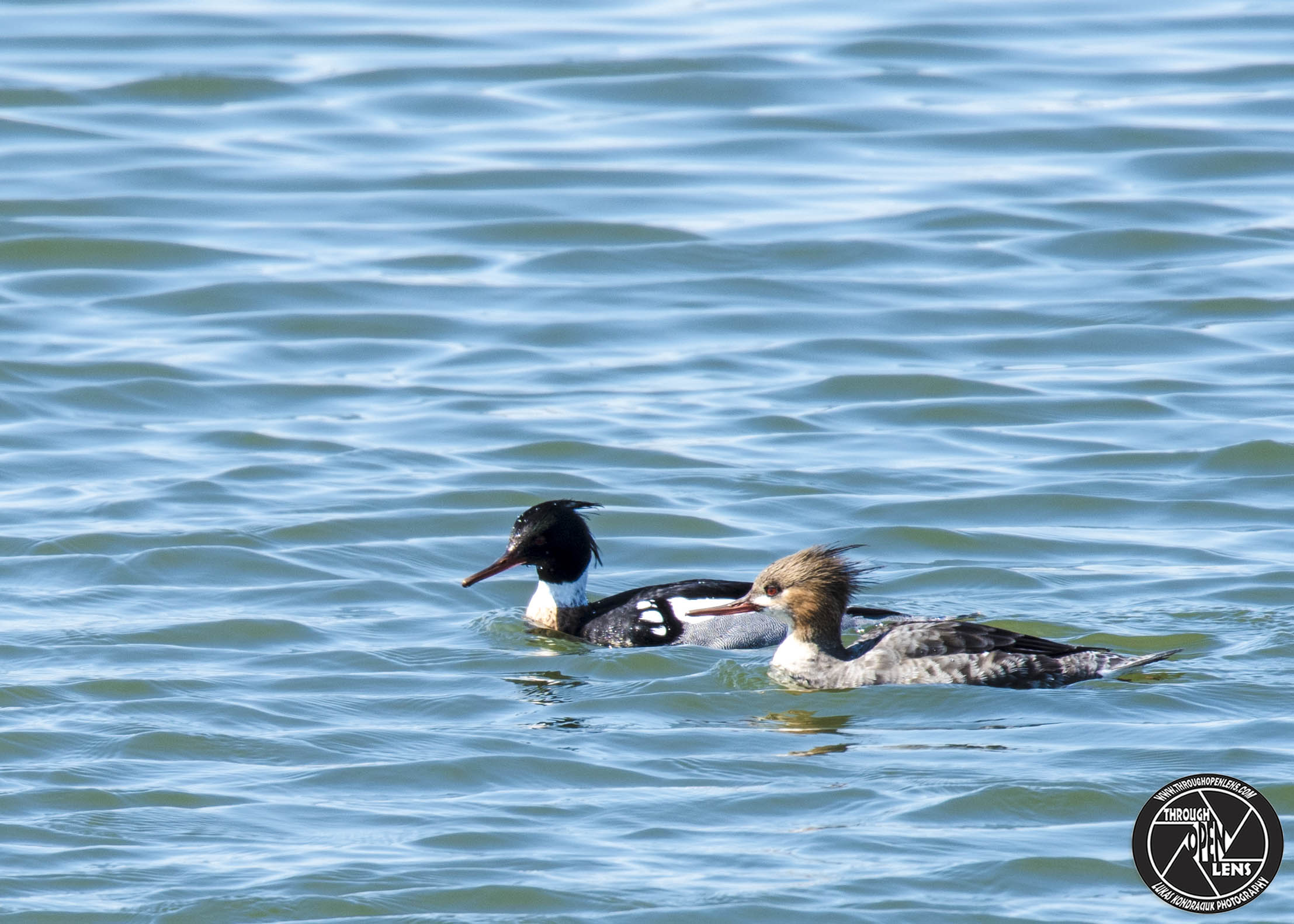
Alone We Are Strong… Together We Are Stronger!

F/9.0, 1/320, ISO 200.

Red-breasted Merganser

Why can’t a leopard hide?

Because he’s always spotted!

Interesting Fact:  The Red-breasted Merganser breeds farther north and winters farther south than the other American mergansers. ( https://www.allaboutbirds.org/guide/Red-breasted_Merganser/lifehistory )

Here I Am Rock You Like A Hurricane!

F/8.0, 1/125, ISO 400.

Carolina Wren

What did one autumn leaf say to the other?

I’m falling for you.

Interesting Fact: They climb up vines, trunks, and branches, poking into squirrel nests and probing nooks and crannies in search of insects. Carolina Wrens use their curved bills to turn over decaying vegetation and to hammer and shake apart large bugs. They roost in bird boxes, abandoned hornet nests, hanging plants, garages, barns, old nests, and other shelters. A weak flyer, this wren makes brief, quick aerial forays over short distances. Pairs stay bonded year-round, with no vacation from singing or defending territory. ( https://www.allaboutbirds.org/guide/Carolina_Wren/lifehistory )

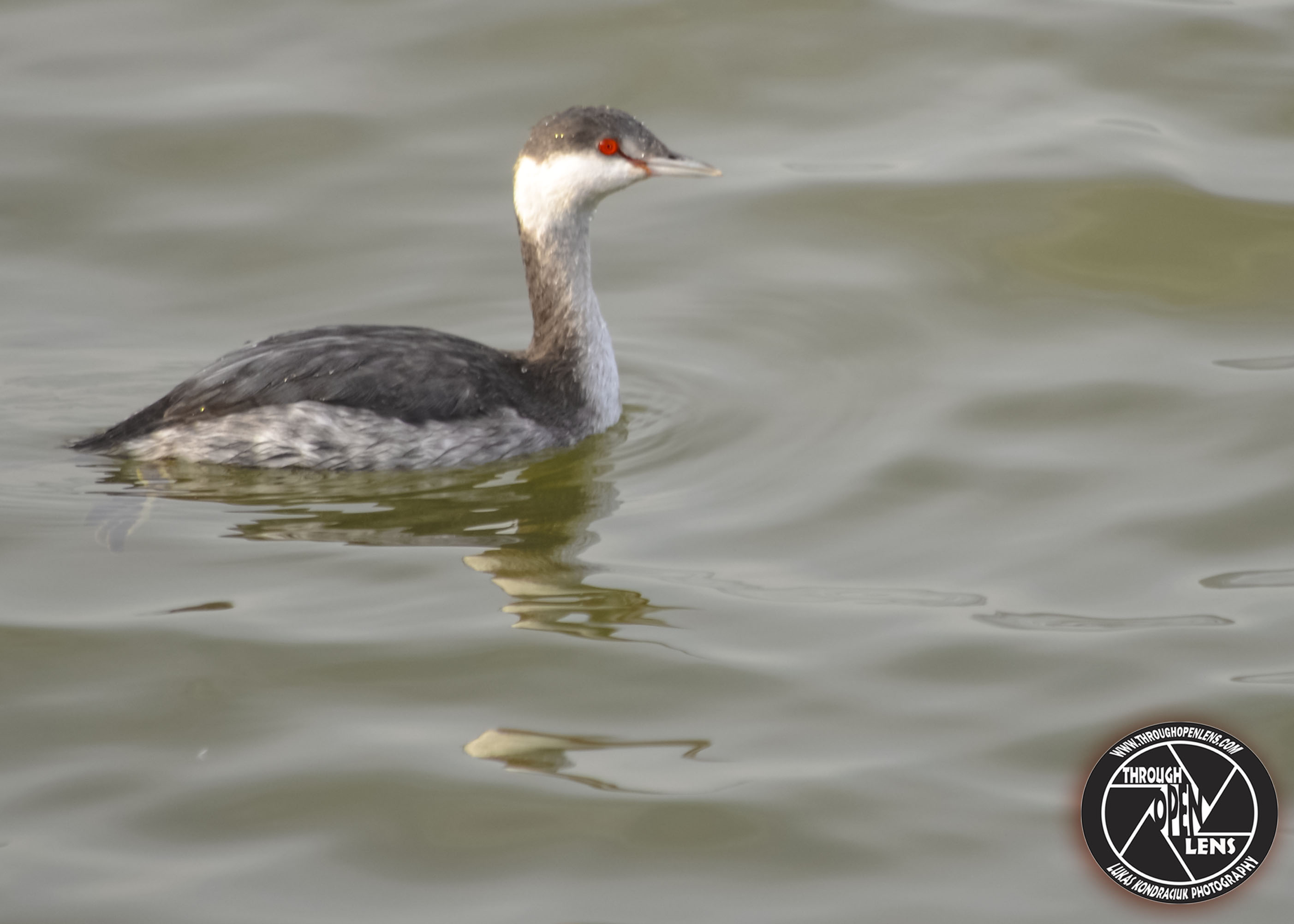
If I’m Going To Get Wet, I May As Well Swim.

horned-grebe

F/5.6, 1/200, ISO 500.

Horned Grebe

Why won’t they allow elephants in public swimming pools?

Because they might let down their trunks.

Interesting Fact: The Horned Grebe regularly eats some of its own feathers, enough that its stomach usually contains a matted plug of them. This plug may function as a filter or may hold fish bones in the stomach until they can be digested. The parents even feed feathers to their chicks to get the plug started early. ( https://www.allaboutbirds.org/guide/Horned_Grebe/lifehistory )