Pleeeease!

F/6.3, 1/160, ISO 320.

Chipmunk

Why don’t chipmunks wear skinny jeans?

Because their nuts won’t fit.

Interesting Fact: Chipmunks generally gather food on the ground in areas with underbrush, rocks, and logs, where they can hide from predators like hawks, foxes, coyotes, weasels, and snakes. They feed on insects, nuts, berries, seeds, fruit, and grain which they stuff into their generous cheek pouches and carry to their burrow or nest to store. ( http://www.nationalgeographic.com/animals/mammals/group/chipmunks/ )
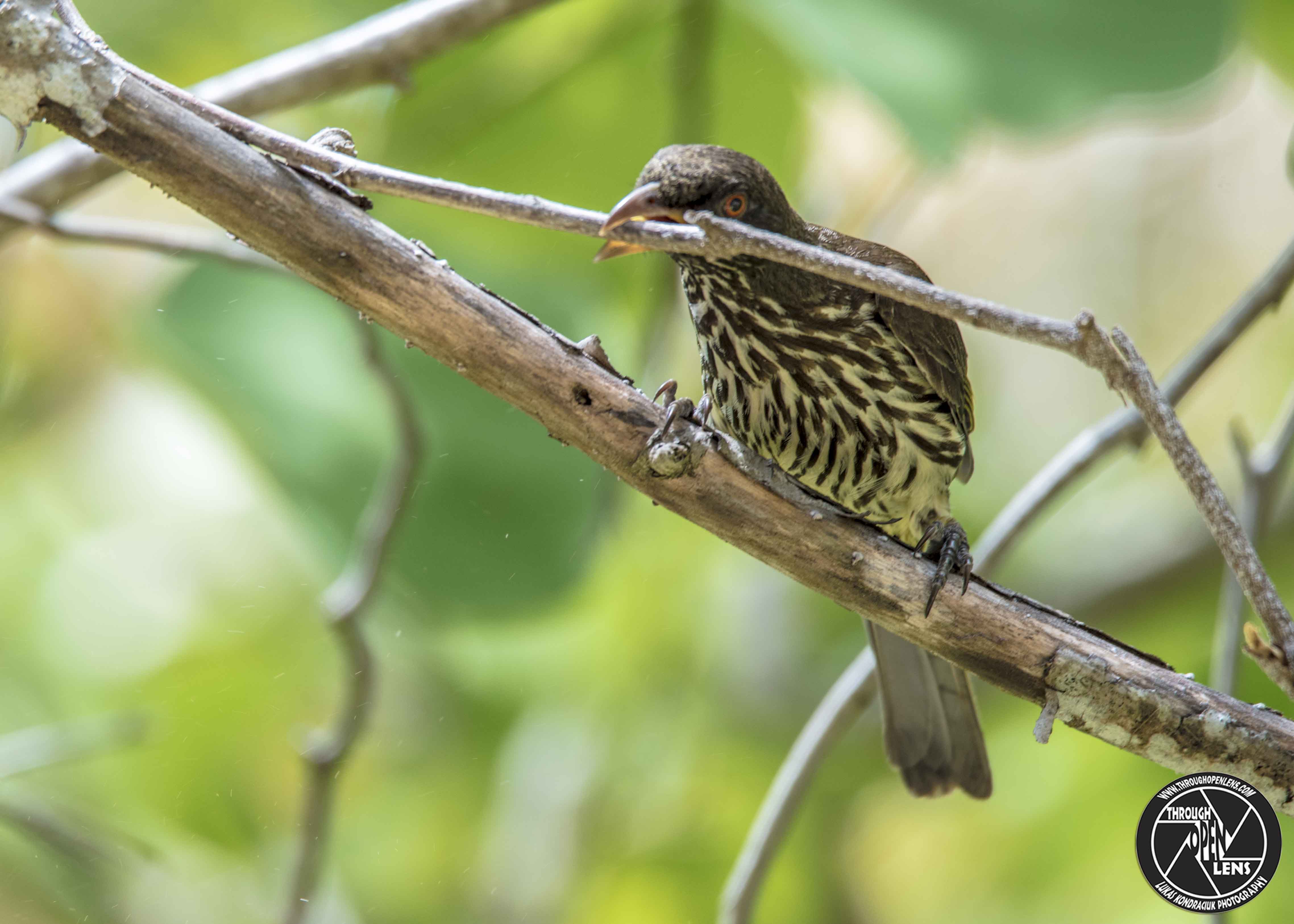
Careful I Bite!

F/7.1, 1/200, ISO 160.

Palmchat

What did the Zen Buddhist say to the hotdog vendor?

Make me one with everything.

Interesting Fact: Palmchats are about 20 cm (8 in) in length. They are olive-brown above, and cream-buff, heavily streaked with brown, below. Their rumps and the edges of their primary feathers are dark yellow-green. They have strong yellow bills and russet eyes. They lack the soft silky plumage of the waxwings or silky-flycatchers. Adults are alike in appearance; immature birds have dark throats. ( https://en.wikipedia.org/wiki/Palmchat )

Don’t Drink And Fly!

F/7.1, 1/200, ISO 320.

Bumblebee

Why Did The Bee Go To The Doctor?

It Had Hives!

Interesting Fact:  Only queen and worker bees have stingers. Besides lack of stingers, drones can be identified by size – they are the smallest type of bumblebees in the colony. ( http://www.softschools.com/facts/animals/bumblebee_facts/582/ )

So High!

F/11.0, 1/500, ISO 320.

Hispaniolan Amazon Parrot

What did the cat say after eating two robins lying in the sun?

I just love baskin’ robins.

Interesting Fact: As with other amazons, it prefers forested areas where food is plentiful. This parrot lives in the wood forests in Haiti and the Dominican Republic. However over the recent years they have been captured out of their natural habitat illegally for pet trades or just to keep them as pets which are very popular in the Dominican Republic. Right now[when?] the population ranges from 10,000 to 19,000 in the wild and decreasing. ( https://en.wikipedia.org/wiki/Hispaniolan_amazon )

Sometime You Have To Flip Out And Go Crazy To Make A Point!

F/9.0, 1/320, ISO 320.

Greater Antillean grackle

Where does a bee keep his stinger?

In his honey!

Interesting Fact: The Greater antillean Grackle will eat anything that can fit in its mouth.They eat fruits,bread, plant matter,and small Vertebrates and invertebrates. ( https://en.wikipedia.org/wiki/Greater_Antillean_grackle )

If You Want A Pet Bee, You Must Be Called A Wanna-Bee.

F/6.3, 1/100, ISO 250.

Bumblebee

What do you call a wasp?

A wanna-bee!

Interesting Fact: Bumblebees use sense of smell to detect flowers rich in nectar. Sense of smell is located on the antennas on the head. ( http://www.softschools.com/facts/animals/bumblebee_facts/582/ )

Quit Staring AT Me!

F/6.3, 1/80, ISO 500.

Common Gallinule

What do u call a police officer that works in bed?

A undercover cop.

Interesting Fact: Males and females construct a wide bowl of grasses and sedges. Males tend to collect most of the nesting material while females arrange and anchor it to emergent vegetation near the water’s edge. Common Gallinule nests are around 10–12 inches wide.  ( https://www.allaboutbirds.org/guide/Common_Gallinule/lifehistory )

You Like My Legs?

F/7.1, 1/200, ISO 250.

Greater Yellowlegs

A bear walks into a bar. He says, “I’ll have a gin… … … … … … … and tonic.”

The bartender says, “Sure, but what about the big pause?”

The bear says, “I was born with them.”

Interesting Fact: A common, tall, long-legged shorebird of freshwater ponds and tidal marshes, the Greater Yellowlegs frequently announces its presence by its piercing alarm calls. ( https://www.allaboutbirds.org/guide/Greater_Yellowlegs/lifehistory )

What Does The Fox Say?

F/6.0, 1/30, ISO 400.

Red Fox

What do you call a fox with a carrot in each ear?

Anything you want as he can’t hear you!

Interesting Fact: Red foxes are solitary hunters who feed on rodents, rabbits, birds, and other small game—but their diet can be as flexible as their home habitat. Foxes will eat fruit and vegetables, fish, frogs, and even worms. If living among humans, foxes will opportunistically dine on garbage and pet food. ( http://www.nationalgeographic.com/animals/mammals/r/red-fox/ )

Wait! STOP Scrolling! I Just Wanted To Say Hello!

F/5.6, 1/100, ISO 640.

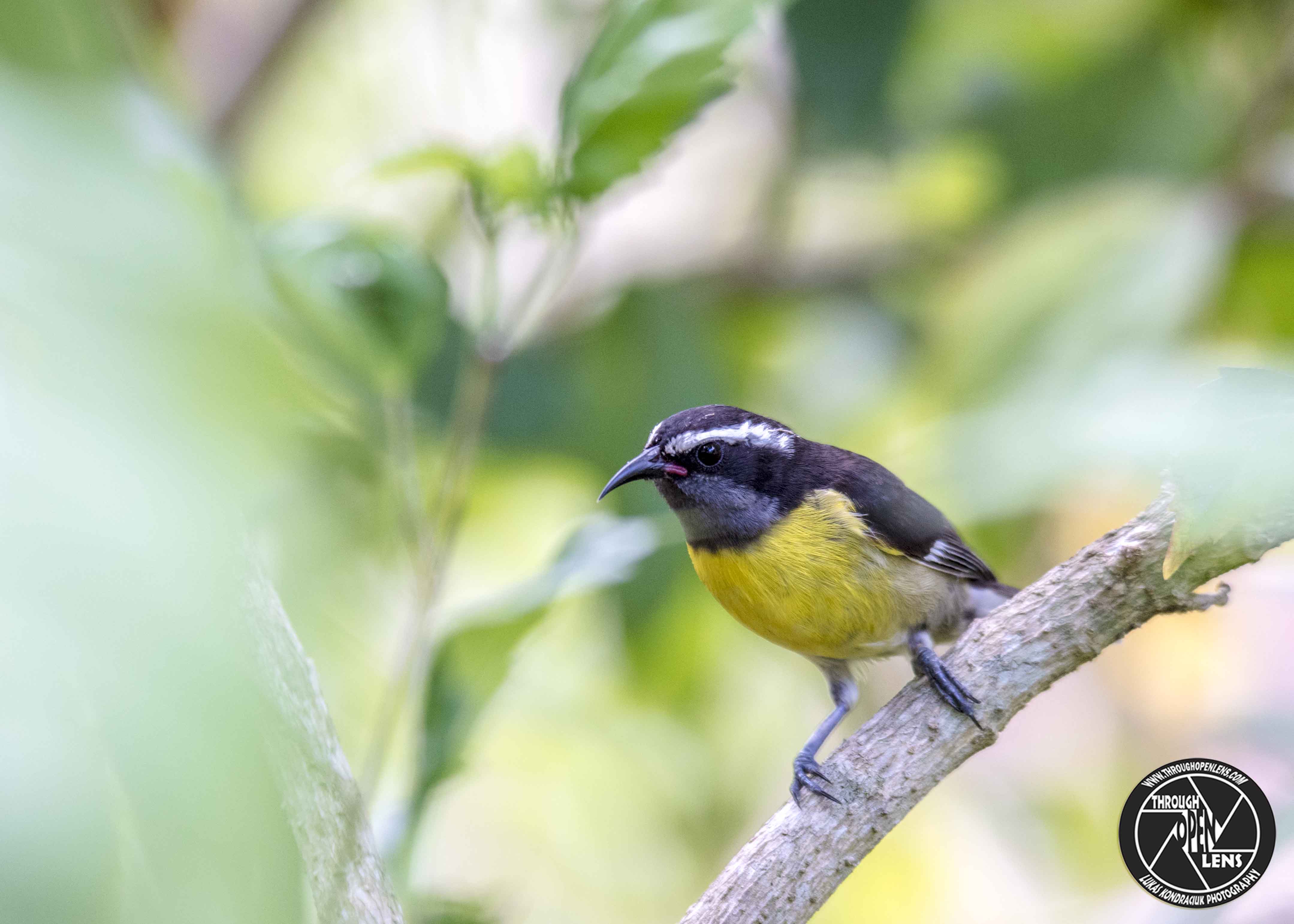
Bananaquit

What does a baby computer call its dad?

Data

Interesting Fact: Its nickname, the sugar bird, comes from its affinity for bowls or bird feeders stocked with granular sugar, a common method of attracting these birds in the USVI. ( http://identify.whatbird.com/obj/1014/overview/Bananaquit.aspx )