Life Is So Much Easier When You Just Chill Out.

F/8.0, 1/250, ISO 500.

Greater Yellowlegs

Why are trees very forgiving?

Because in the Fall they “Let It Go” and in the Spring they “turn over a new leaf”.

Interesting Fact: The Greater Yellowlegs nest is a simple depression in the moss or peat, sometimes lined with leaves and lichen. The finished nest is about 6 inches across and the inner cup is about an inch deep. ( https://www.allaboutbirds.org/guide/Greater_Yellowlegs/lifehistory )

Come Swim With Me!

F/5.6, 1/500, ISO 250.

Horned Grebe

What is a witch’s favorite subject in school?

Spelling.

Interesting Fact:  Like most grebes, the small chicks of the Horned Grebe frequently ride on the backs of their swimming parents. The young ride between the wings on the parent’s back, and may even go underwater with them during dives. ( https://www.allaboutbirds.org/guide/Horned_Grebe/lifehistory )

Life Begins At Night

F/22.0, 6.0, ISO 250.

New York State Capitol

What do you call a man with no nose and no body?

Nobody nose.

Interesting Fact: Legislative sessions had been held at different buildings in different places before Albany was declared the State capital in 1797. From that time until 1811, the State Legislature met at the Old Albany City Hall. The first State Capitol was designed by Albany native Philip Hooker, started in 1804, inaugurated in 1812 and remained in use until 1879 when the current building was inaugurated.  ( https://en.wikipedia.org/wiki/New_York_State_Capitol )

Should We Drink Today… Or Drink Today And Tomorrow… We are Confused!

F/6.3, 1/640, ISO 200.

Greater Yellowlegs

Why do ghosts carry tissues?

Because they have BOOOOgers.

Interesting Fact: The Greater Yellowlegs nests on the ground often at the base of short, coniferous trees. Nests from the previous year are occasionally reused in subsequent years.  ( https://www.allaboutbirds.org/guide/Greater_Yellowlegs/lifehistory )


I Need A Hug!

F/5.6, 1/500, ISO 200.

Double-Crested Cormorant 

What do birds do on their free time?

They check their Twitter account.

Interesting Fact: Double-crested cormorants are gregarious birds that are almost always near water. Their main two activities are fishing and resting, with more than half their day spent on the latter. When at rest, a cormorant will choose an exposed spot on a bare branch or a windblown rock, and often spread its wings out, which is thought to be a means of drying their feathers after fishing. ( https://www.allaboutbirds.org/guide/Double-crested_Cormorant/lifehistory )


By Invitation Only!

F/5.6, 1/500, ISO 200.

Mallard Female

Why do barbers make good drivers?

They know all the shortcuts.

Interesting Fact: During egg-laying phase, she lines the nest with grasses, leaves, and twigs from nearby. She also pulls tall vegetation over to conceal herself and her nest. After incubation begins, she plucks down feathers from her breast to line the nest and cover her eggs. The finished nest is about a foot across, with a bowl for the eggs that is 1–6 inches deep and 6–9 inches across. ( https://www.allaboutbirds.org/guide/Mallard/lifehistory )

You Can’t Control Everything Your Hair Was Put On Your Head To Remind You Of That!

F/11.0, 1/500, ISO 200.

Snowy Egret

Did you hear about the restaurant on the moon?

They’ve got great food, but no atmosphere.

Interesting Fact: The Snowy Egret eats mostly aquatic animals, including fish, frogs, worms, crustaceans, and insects. It often uses its bright yellow feet to paddle in the water or probe in the mud, rounding up prey before striking with its bill.  ( https://www.allaboutbirds.org/guide/Snowy_Egret/lifehistory )


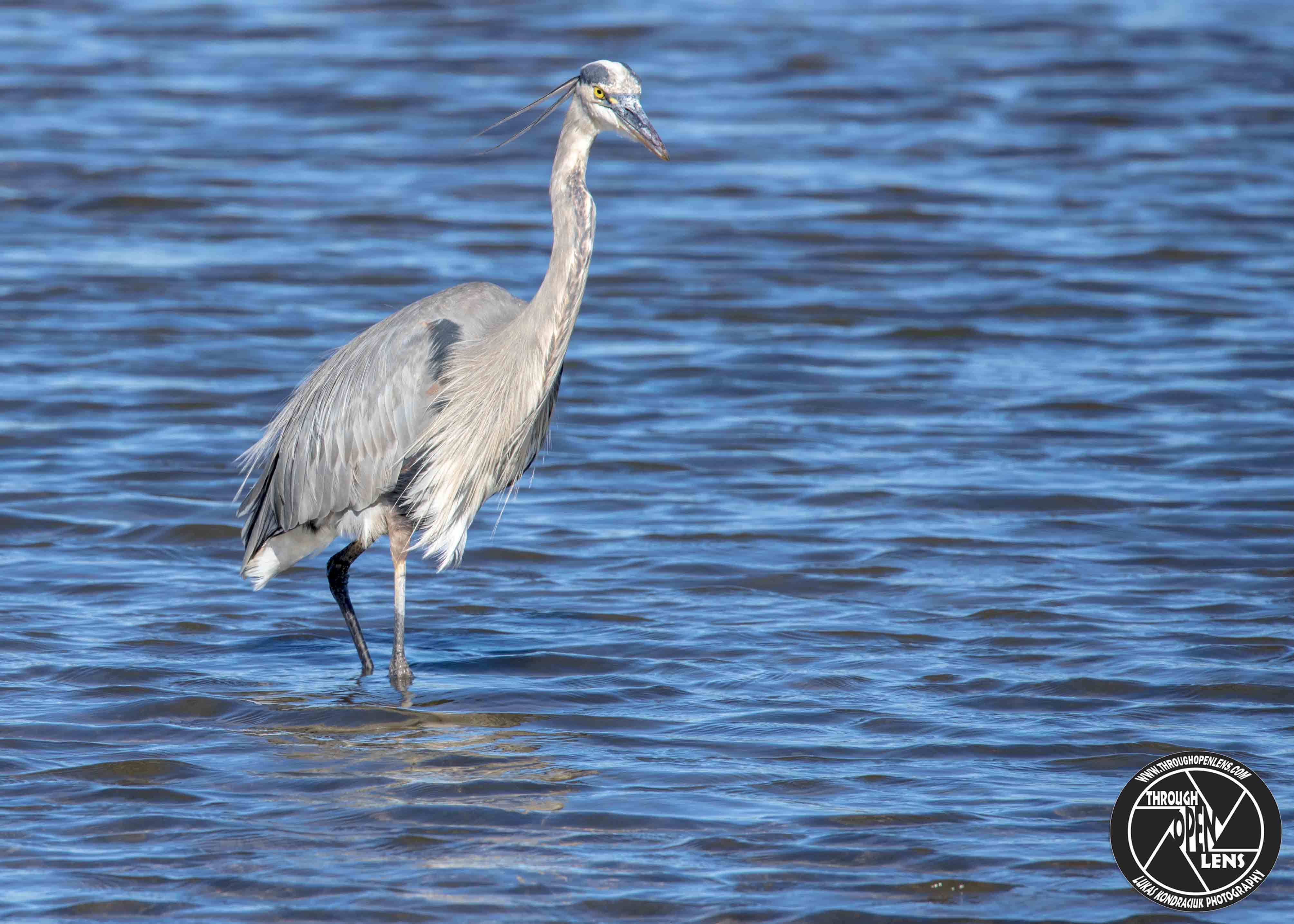
I Enjoy Long Romantic Walks On The Beach

F/10.0, 1/400, ISO 250.

Great Blue Heron 

Why did the fish blush?

Because it saw the ocean’s bottom.

Interesting Fact: Great Blue Herons forage, usually alone, across much of the U.S. This largest of the North American herons wades slowly or stands stock still, peering into the water for prey. In flight the Great Blue Heron folds it neck into an “S” shape and trails its long legs behind, dangling them as it prepares to land or when courting. ( https://www.allaboutbirds.org/guide/Great_Blue_Heron/lifehistory )


We Are Not Talking If You Are Wondering!

F/6.3, 1/640, ISO 200.

Greater Yellowlegs

What’s invisible and smells like carrots?

Bunny Farts!

Interesting Fact: The Greater Yellowlegs walks with a distinctive high-stepping gait across wetlands when foraging, occasionally dashing forward in pursuit of a prey item. Compared to other shorebirds, the Greater Yellowlegs is often rather solitary.  ( https://www.allaboutbirds.org/guide/Greater_Yellowlegs/lifehistory )

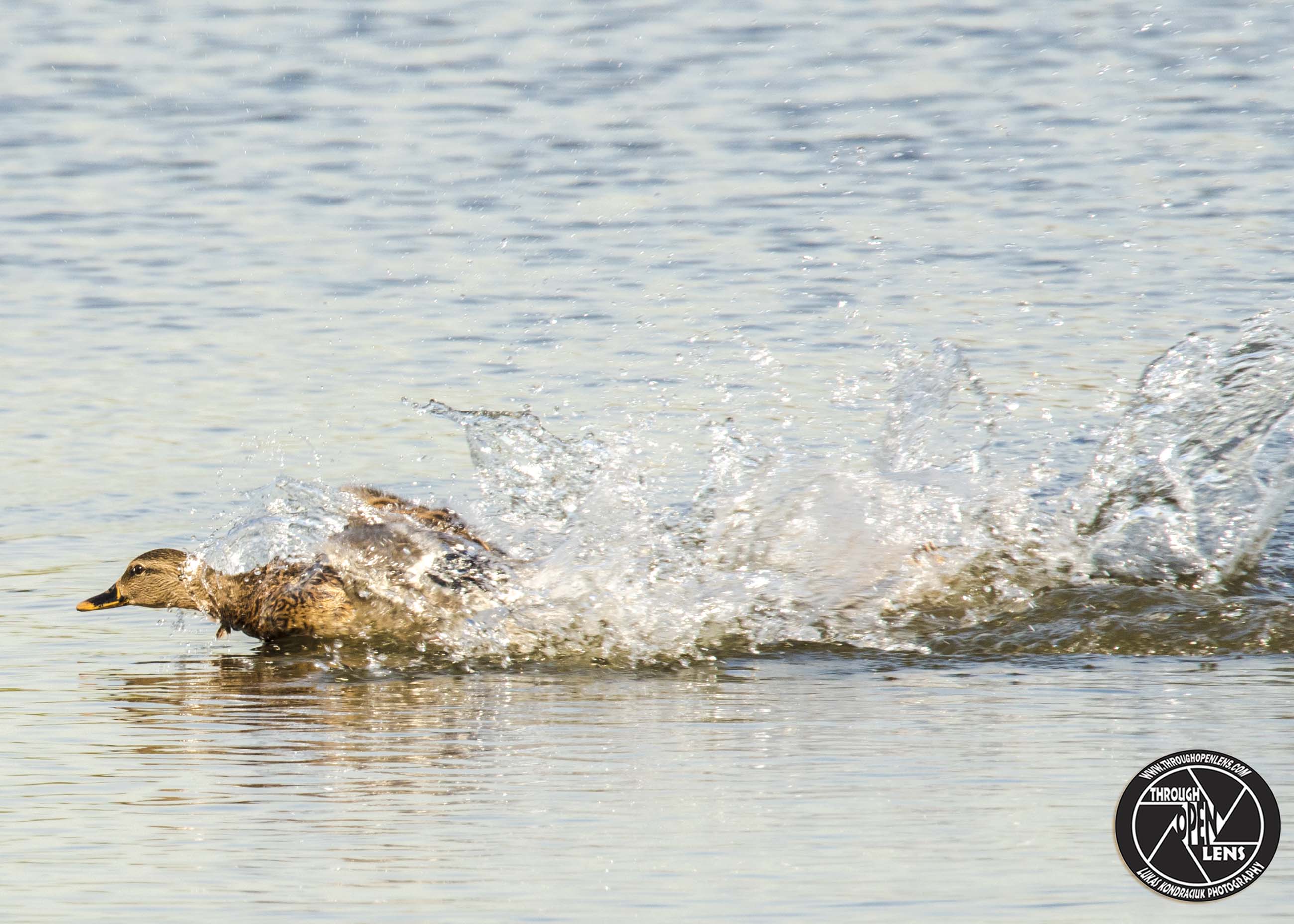
Motorboating Is My Thing!

F/11.0, 1/500, ISO 250.

Mallard Female

Which day of the week do chickens hate most?

Fry-day!

Interesting Fact: The female forms a shallow depression or bowl on the ground in moist earth. She does not carry material to the nest but rather pulls vegetation she can reach toward her while sitting on nest. During egg-laying phase, she lines the nest with grasses, leaves, and twigs from nearby. She also pulls tall vegetation over to conceal herself and her nest. ( https://www.allaboutbirds.org/guide/Mallard/lifehistory )