Up In The Air

F/13.0, 1/640, ISO 320.

Blue-gray Gnatcatcher

Why is the barn so noisy?

Because the cows have horns.

Interesting Fact: Occasionally, significant numbers of Blue-gray Gnatcatchers “overshoot” on their spring migrations and end up much further north than usual. They may be carried past their target by strong southwest winds in warm regions, and by strong northerly winds on the west side of high pressure systems. Most probably make their way back south before nesting.  ( https://www.allaboutbirds.org/guide/Blue-gray_Gnatcatcher/lifehistory )

Buck Off!

F/6.3, 1/125, ISO 640.

White-Tailed Deer

I give a dead battery away today…

Free of charge!

Interesting Fact: Males regrow their antlers every year. About one in 10,000 females also has antlers, although this is usually associated with freemartinism.https://en.wikipedia.org/wiki/White-tailed_deer

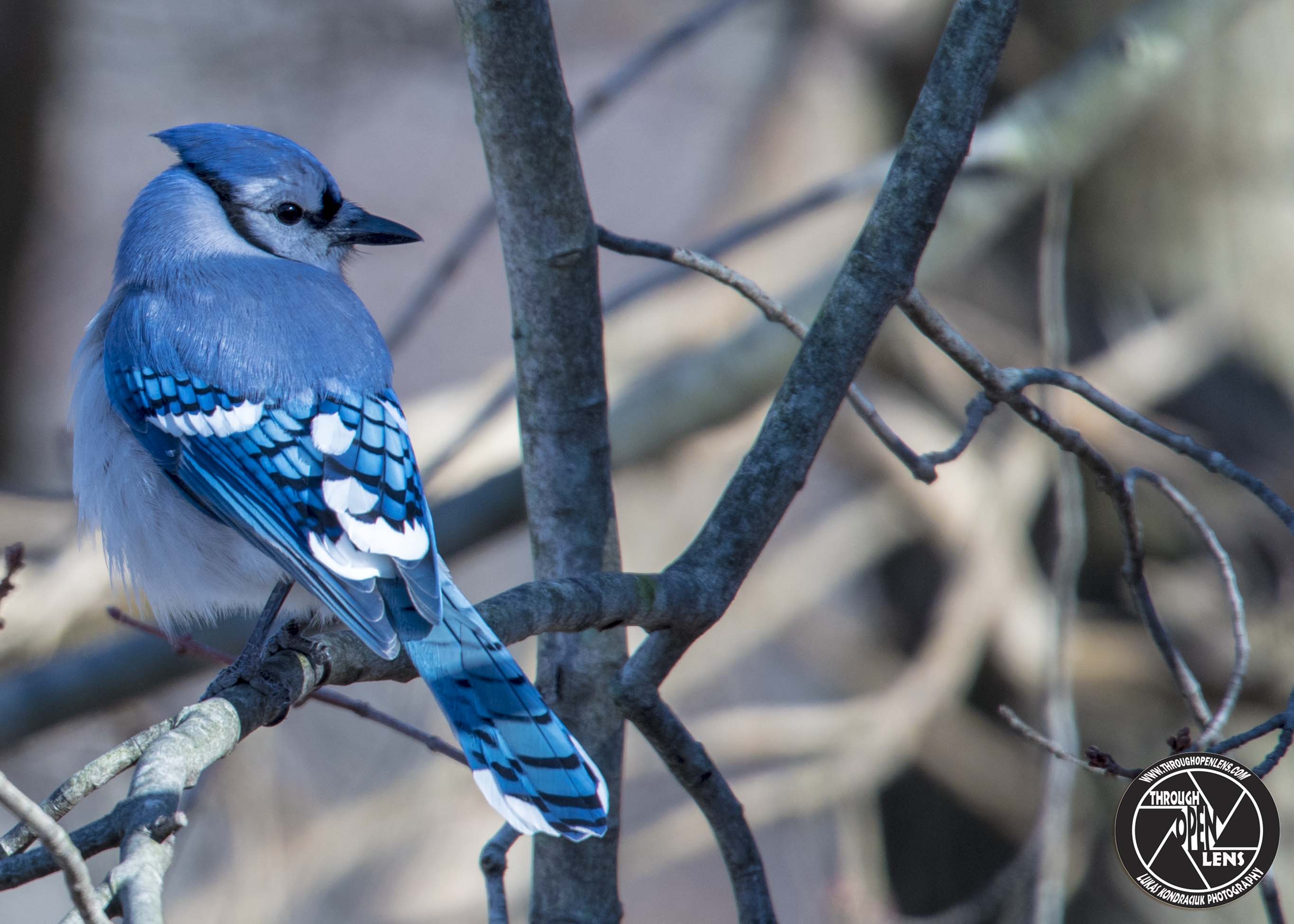
Blue You Away!

F/7.1, 1/200, ISO 250.

Blue Jay 

Why do ghosts have so much trouble dating?

Women can see right through them.

Interesting Fact: This common, large songbird is familiar to many people, with its perky crest; blue, white, gray, and black plumage; and noisy calls. Blue Jays are known for their intelligence and complex social systems, and have tight family bonds. They often mate for life, remaining with their social mate throughout the year. ( https://www.allaboutbirds.org/guide/Blue_Jay/lifehistory )


Giggity, Giggity, Quack!

F/11.0, 1/500, ISO 500.

Ruddy Duck

What did the calculator say to the cashier?

You can count on me.

Interesting Fact:  Most males pair up with one female each for the duration of the breeding season, but some take multiple mates. Their eggs are proportionally the largest of all waterfowl. The ducklings hatch well-developed and active, receiving minimal care from the mother and none from the father. ( https://www.allaboutbirds.org/guide/Ruddy_Duck/lifehistory )

Hi I Exist!

F/6.3, 1/80, ISO400.

White-Tailed Deer

Who won the skeleton beauty contest?

Nobody.

Interesting Fact: The conversion of land adjacent to the Canadian Rockies into agriculture use and partial clear-cutting of coniferous trees (resulting in widespread deciduous vegetation) has been favorable to the white-tailed deer and has pushed its distribution to as far north as Yukon. Populations of deer around the Great Lakes have also expanded their range northwards, due to conversion of land to agricultural uses favoring more deciduous vegetation, and local caribou and moose populations. The westernmost population of the species, known as the Columbian white-tailed deer, once was widespread in the mixed forests along the Willamette and Cowlitz River valleys of western Oregon and southwestern Washington, but today its numbers have been considerably reduced, and it is classified as near-threatened. This population is separated from other white-tailed deer populations. ( https://en.wikipedia.org/wiki/White-tailed_deer )


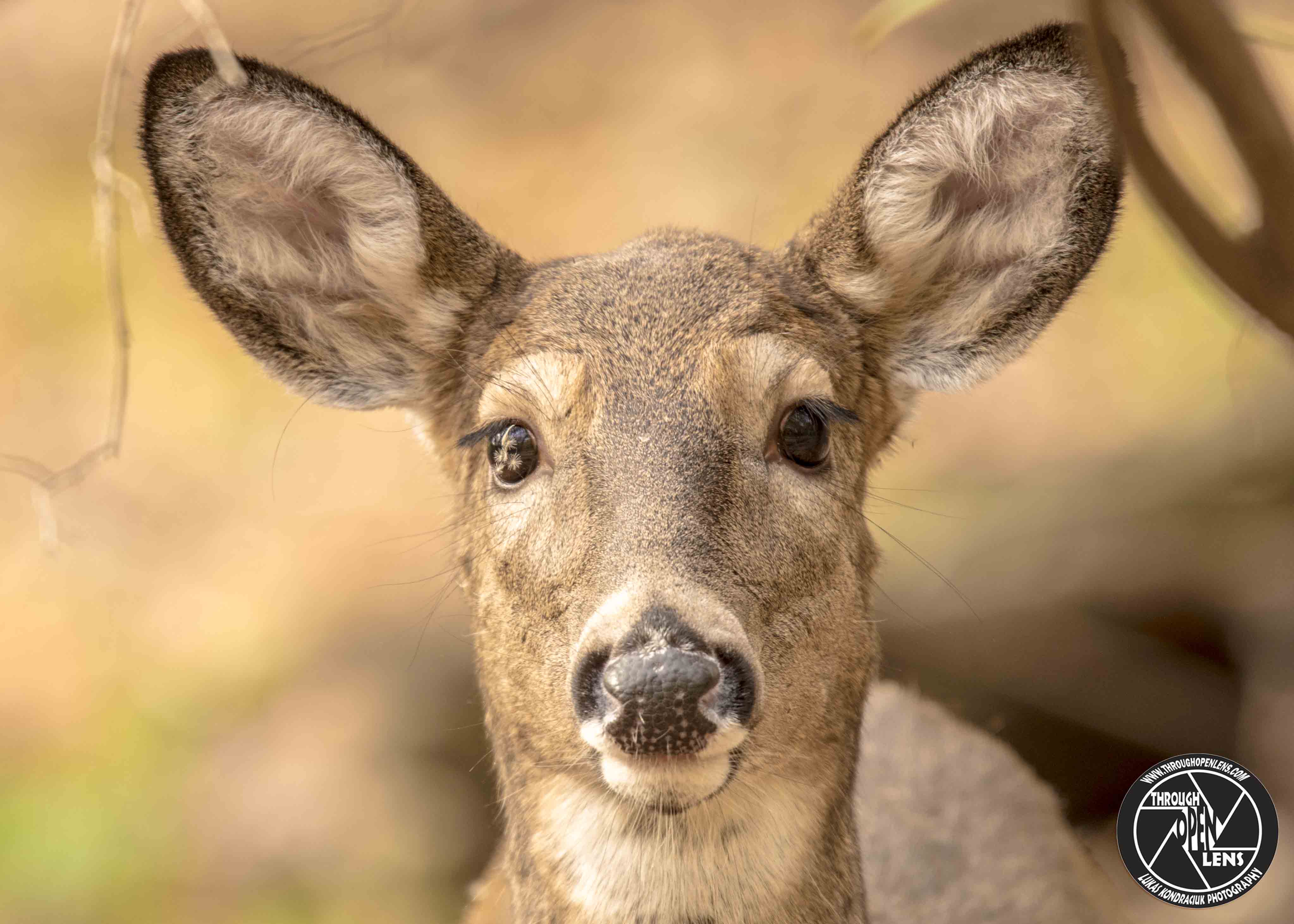
Oh My Deer…

F/5.6, 1/250, ISO 400

White-Tailed Deer

What is it called when a tree takes time off from work in autumn?

Paid leaf.

Interesting Fact: Deer have a great sense of hearing and can even move their ears in any direction, without moving the head. Deer have an excellent sense of smell and can detect predators from a long distance away.

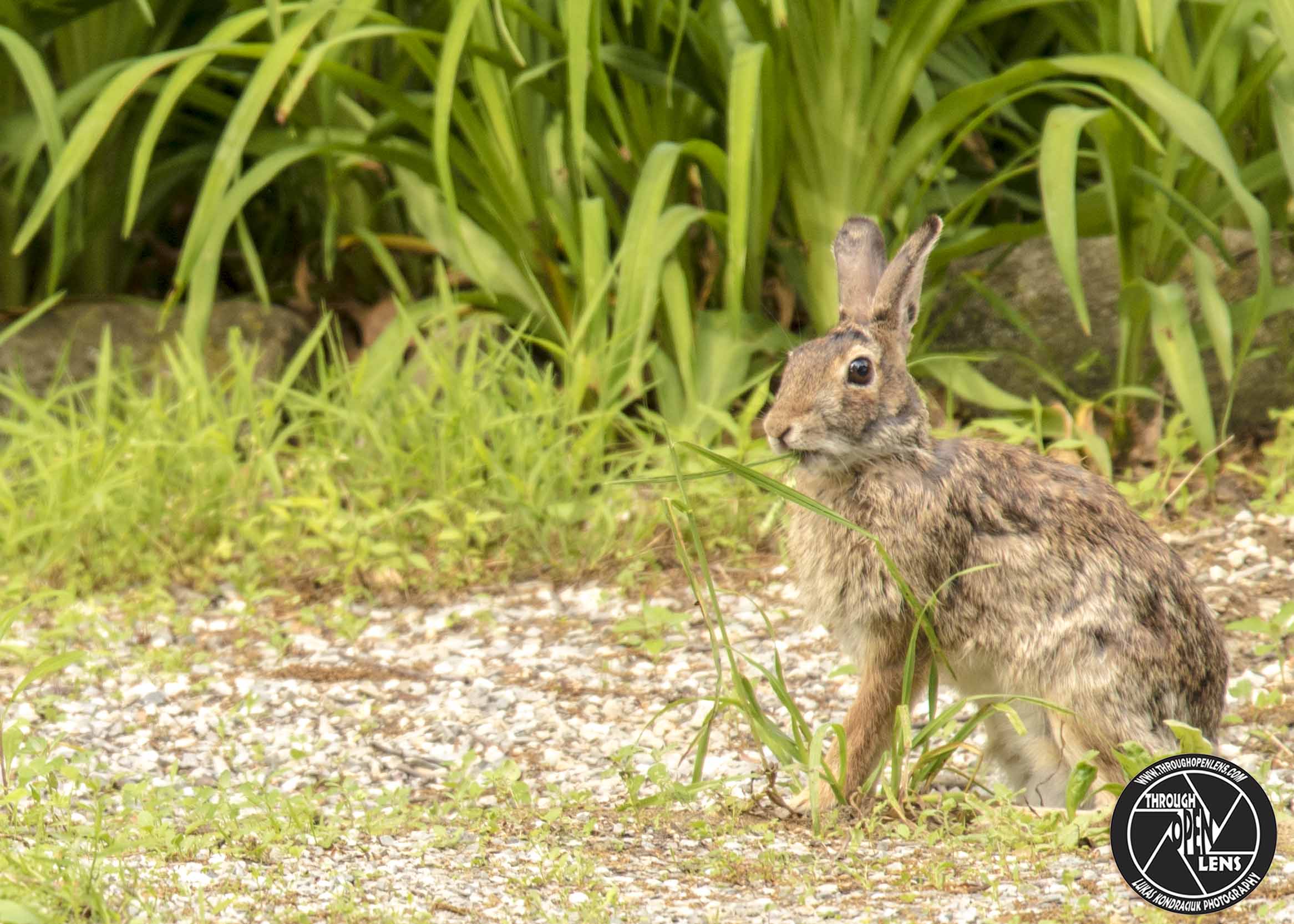
I’m Not Mean. You’re Just A Sissy!

F/7.1, 1/200, ISO 250.

Eastern Cottontail Rabbit

What do rabbits say before they eat?

Lettuce pray.

Interesting Fact: Females give birth in shallow ground nests, to young so helpless that perhaps only 15 percent survive their first year. Fortunately, rabbits breed three or four times every year and produce three to eight young each time.  ( https://www.nationalgeographic.com/animals/mammals/e/eastern-cottontail-rabbit/ )

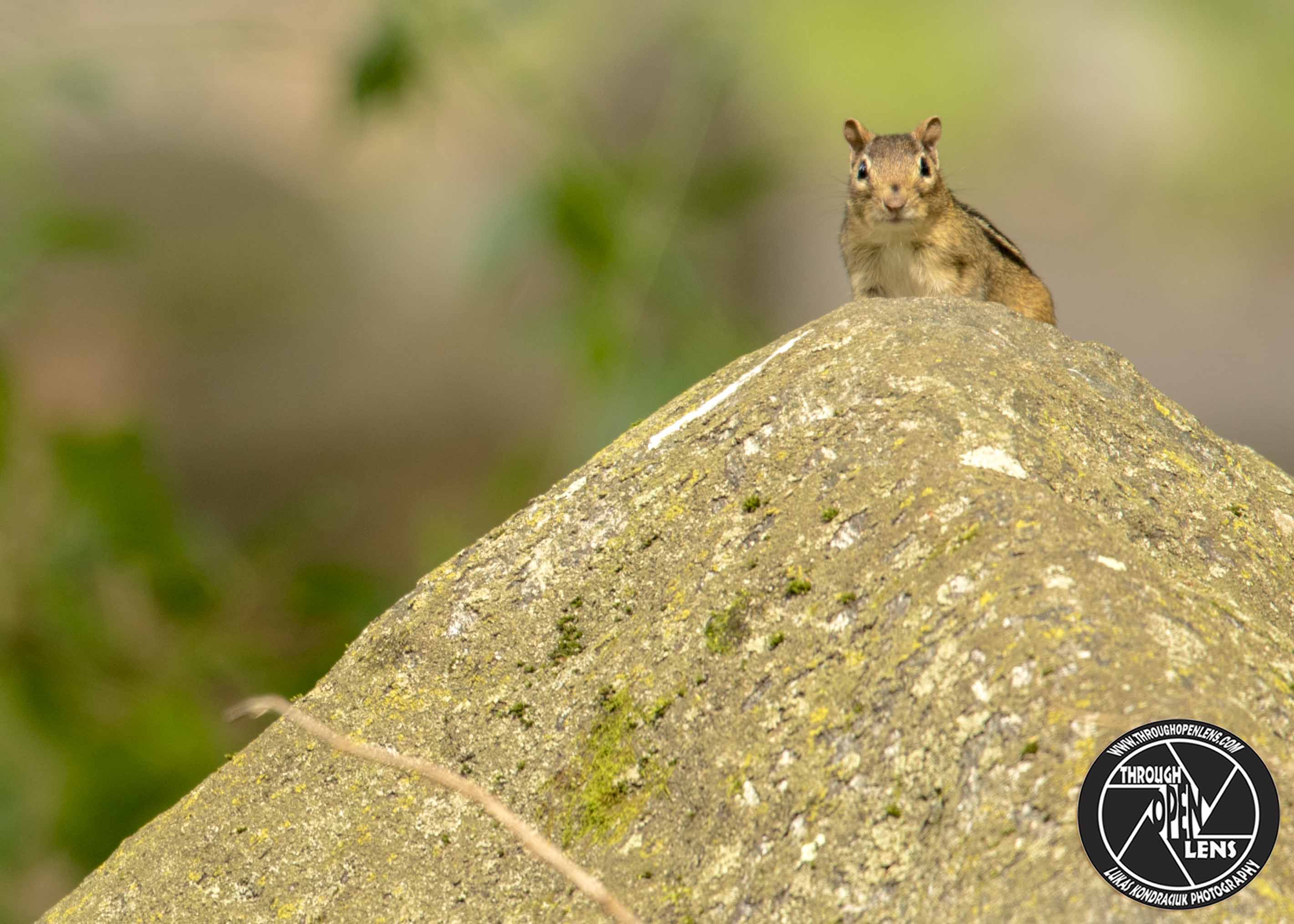
Im On Top Of The World!

F/6.3, 1/100, ISO 250.

Chipmunk

Why was the chipmunk late for work?

Traffic was NUTS.

Interesting Fact: Their shrill, repeated, birdlike chirp is usually made upon sensing a threat but is also thought to be used as a mating call by females. Chipmunks are solitary creatures and normally ignore one another except during the spring, when mating takes place. After a 30-day gestation, a litter of two to eight is born. The young stay with their parents for two months before they begin to gather their own provisions for the winter ahead. ( https://www.nationalgeographic.com/animals/mammals/group/chipmunks/ )

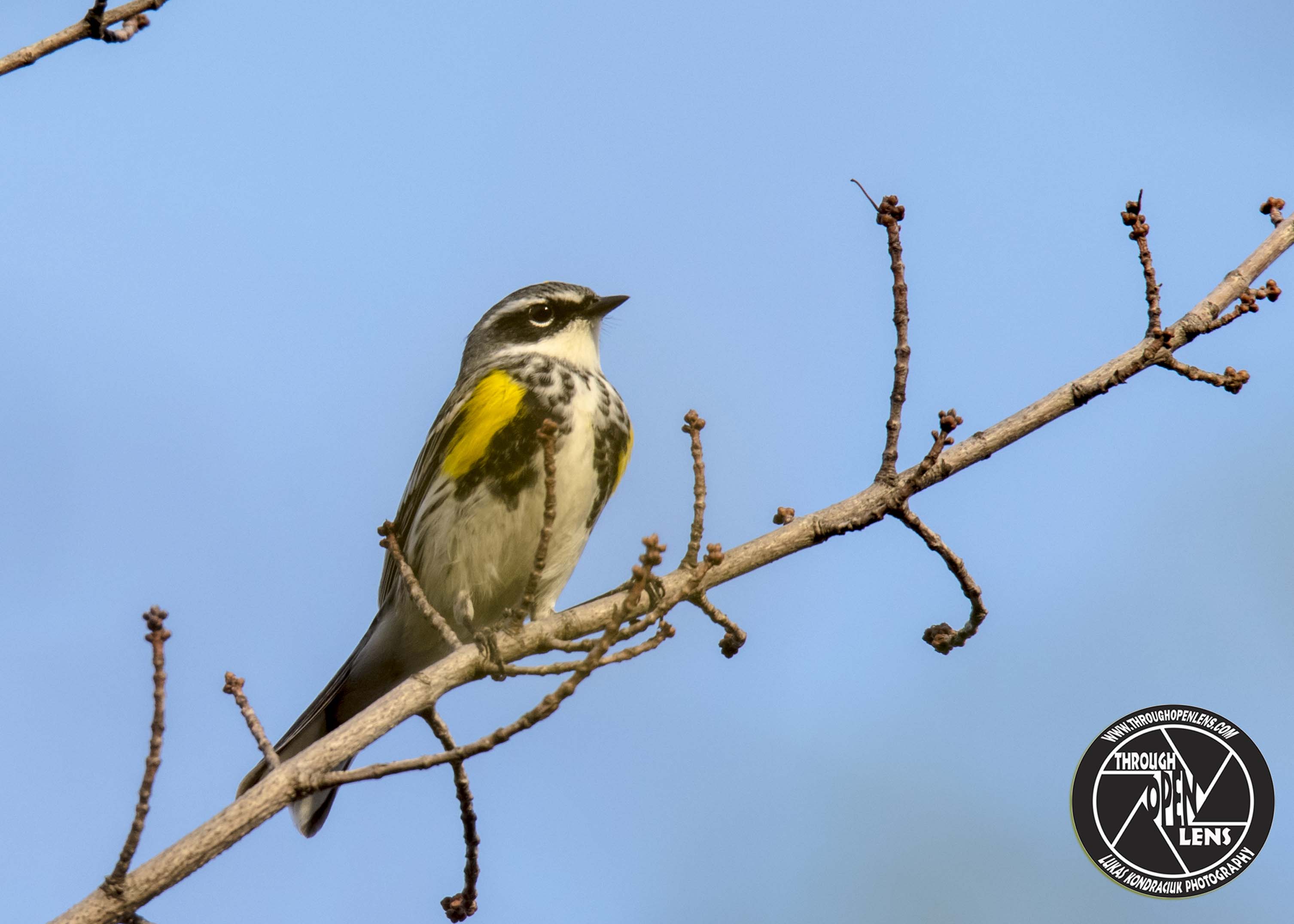
Sometimes I pretend To Be Normal. But It Gets Boaring. So I Go Back To Being Me.

F/9.0, 1/320, ISO 400.

 Yellow-Rumped Warbler

I just got fired from my job at the keyboard factory.

They told me I wasn’t putting in enough shifts.

Interesting Fact: When males court females, they fluff their feathers, raise their wings and the feathers of the crown, and hop from perch to perch, chipping. They may also make display flights in which they glide back and forth or fly slowly with exaggerated wingbeats. The Yellow-rumped Warbler’s flight is agile and swift, and the birds often call as they change direction. ( https://www.allaboutbirds.org/guide/Yellow-rumped_Warbler/lifehistory#behavior )

I Don’t Give A Fox!

F/6.3, 1/20, ISO 400.

Red Fox

What did one shark say to the other after eating a clown fish?

“Not only does it look funny, but it tastes funny too.”

Interesting Fact: Red foxes live around the world in many diverse habitats including forests, grasslands, mountains, and deserts. They also adapt well to human environments such as farms, suburban areas, and even large communities. The red fox’s resourcefulness has earned it a legendary reputation for intelligence and cunning. ( https://www.nationalgeographic.com/animals/mammals/r/red-fox/ )