I Am Happy To See You!

F11.0, 1/500, ISO 400.

Ruddy Ducks

What do you call a bee that lives in America?

A USB

Interesting Fact: Ruddy Ducks are very aggressive toward each other and toward other species, especially during the breeding season. Unlike most ducks, they form pairs only after arriving on the breeding grounds each year. Males perform unusual courtship displays in which they stick their tails straight up while striking their bills against their inflated necks, creating bubbles in the water as air is forced from their feathers. They punctuate the end of the display with a belch-like call. ( https://www.allaboutbirds.org/guide/Ruddy_Duck/lifehistory )


Don’t Talk With Your Mouth Full!

F/6.3, 1/160, ISO 160.

Green Heron

What is the only time a man thinks about a candlelight dinner?

When the power goes off.

Interesting Fact: They defend breeding areas from each other and from birds like crows and grackles that prey on their nests. Other predators include snakes and raccoons. Both the male and female brood and feed the chicks, which may stay with their parents for more than a month after leaving the nest, as they learn to forage. ( https://www.allaboutbirds.org/guide/Green_Heron/lifehistory )

Just Out And About!

F/7.1, 1/200, ISO 400.

Pied-Billed Grebe

How is being at a singles bar different from going to the circus?

At the circus the clowns don’t talk.

Interesting Fact: When in danger, Pied-billed Grebes sometimes make a dramatic “crash-dive” to get away. A crash-diving grebe pushes its body down with its wings thrust outward. Its tail and head disappears last, while the bird kicks water several feet into the air. ( https://www.allaboutbirds.org/guide/Pied-billed_Grebe/ )

Let’s Get Soaking Wet!

F/5.6, 1/500, ISO320.

American Robin

What did the bartender say after a book walked into the bar?

“Please, no stories!”

Interesting Fact: Robins eat a lot of fruit in fall and winter. When they eat honeysuckle berries exclusively, they sometimes become intoxicated. ( https://www.allaboutbirds.org/guide/American_Robin )

Kick Your Feet Back Its The Weekend!

F/9.0, 1/320, ISO 200.

Hispaniolan slider

Why do you measure snakes in inches?

Because they don’t have any feet.

Interesting Fact: Whether this creature is found in the wild or in captivity, it has been known to urinate when picked up. This is considered a sign of distress. It also may bite or scratch, but has not been known to cause any severe harm. If found in the wild, the turtle may be more likely to do any one of these. ( https://en.wikipedia.org/wiki/Hispaniolan_slider )


Caution Chicks At Play! 

F/5.6, 1/1000, ISO 200.

Wild Turkeys Chicks

What did the mama turkey say to her naughty son?

If your papa could see you now, he’d turn over in his gravy!

Interesting Fact: Male Wild Turkeys provide no parental care. Newly hatched chicks follow the female, who feeds them for a few days until they learn to find food on their own. As the chicks grow, they band into groups composed of several hens and their broods. Winter groups sometimes exceed 200 turkeys. ( https://www.allaboutbirds.org/guide/Wild_Turkey/lifehistory )

Hanging Out Is Highly Recommended In This Area

F/8.0, 1/250, ISO 250.

Marsh Wren

What did one brick say to the one above it?

You’re too hard on me.

Interesting Fact: Marsh Wrens pick insects and spiders from stems and leaves of marsh vegetation. They tend to forage close to water, but occasionally fly up to catch a passing insect.  ( https://www.allaboutbirds.org/guide/Marsh_Wren/lifehistory )

You Can’t Control Everything Your Hair Was Put On Your Head To Remind You Of That!

F/11.0, 1/500, ISO 200.

Snowy Egret

Did you hear about the restaurant on the moon?

They’ve got great food, but no atmosphere.

Interesting Fact: The Snowy Egret eats mostly aquatic animals, including fish, frogs, worms, crustaceans, and insects. It often uses its bright yellow feet to paddle in the water or probe in the mud, rounding up prey before striking with its bill.  ( https://www.allaboutbirds.org/guide/Snowy_Egret/lifehistory )


I Have Chills All Over My Body.

F/10.0, 1/400, ISO 320.

Red-winged Blackbird

Which runs faster, hot or cold?

Hot. Everyone can catch cold.

One California subspecies of the Red-winged Blackbird lacks the yellow borders to the red shoulders (epaulets) and has been dubbed the “bicolored blackbird.” Some scientists think this plumage difference may help Red-winged Blackbirds recognize each other where their range overlaps with the similar Tricolored Blackbird. ( https://www.allaboutbirds.org/guide/Red-winged_Blackbird/lifehistory )


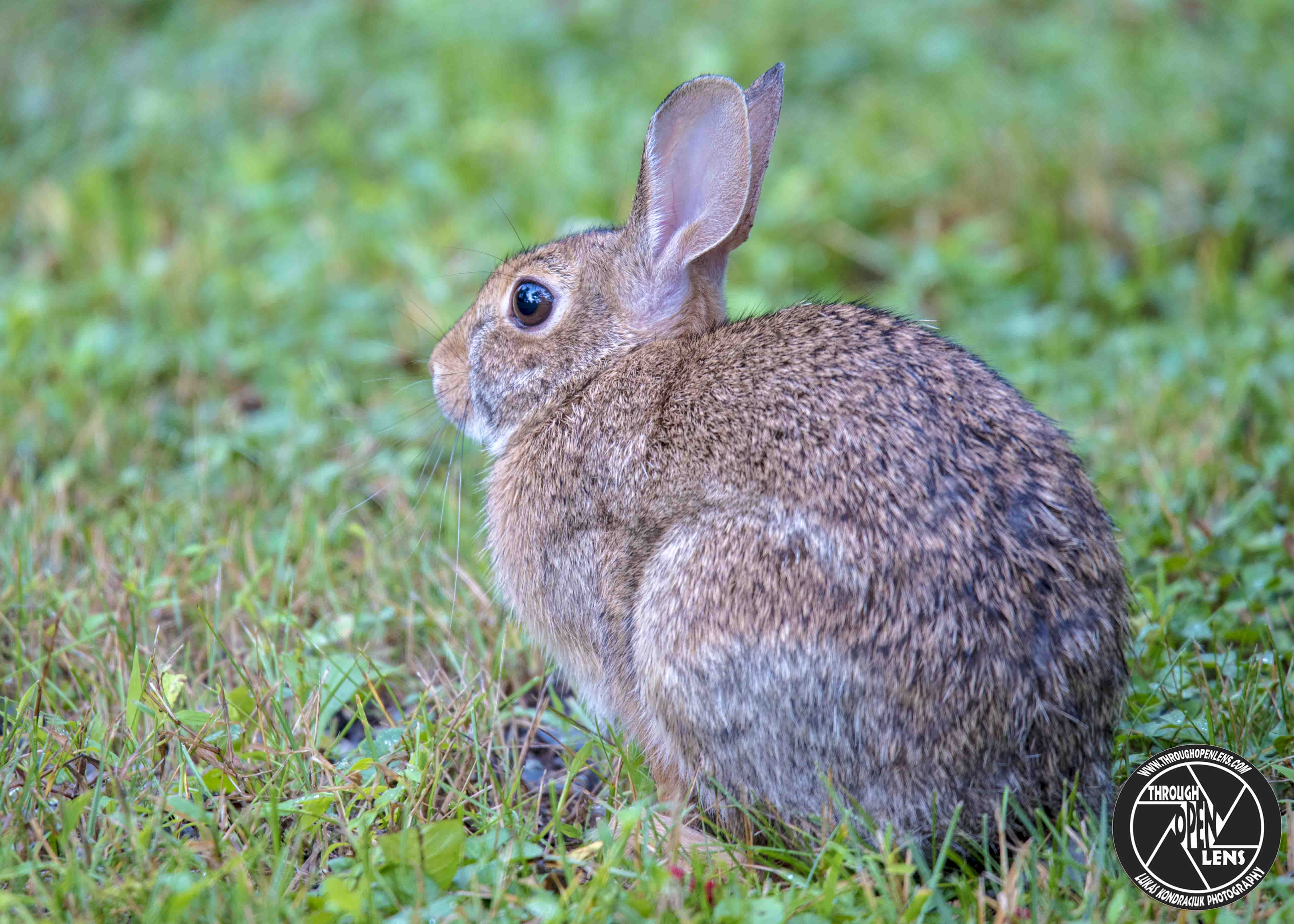
I Said A Hip Hop The Hippity To The Hip Hip Hop!

F/6.3, 1/100, ISO 400.

Eastern Cottontail Rabbit

Teacher:  Why are you late?

Student:  Because of the sign.

Teacher:  What sign?

Student:  The one that says, “School Ahead, Go Slow. ”  That’s what I did.

Interesting Fact: Eastern Cottontail Rabbit When chased, it runs in a zigzag pattern, running up to 18 mph (29 km/h). ( https://en.wikipedia.org/wiki/Eastern_cottontail )