Haven’t You Heard That The Bird Is The Word ?!

F/5.6, 1/125, ISO 125.

Anna’s Hummingbird

What did the summer say to the spring?

Help! I’m going to fall.

Interesting Fact: Hummingbirds are very smart and they can remember every flower they have been to, and how long it will take a flower to refill. ( http://www.worldofhummingbirds.com/facts.php )

When you are with the right person, every day is Valentine’s Day!

Happy Valentines Day

F/5.6, 1/1600, ISO 400.

Mute Swan

What’s the best part about Valentines Day?

The day after when all the chocolate goes on sale.

Interesting Fact:  The Mute Swan is reported to mate for life. However, changing of mates does occur infrequently, and swans will remate if their partner dies. If a male loses his mate and pairs with a young female, she joins him on his territory. If he mates with an older female, they go to hers. If a female loses her mate, she remates quickly and usually chooses a younger male.  ( https://www.allaboutbirds.org/guide/Mute_Swan/lifehistory )

What Would You Like For Christmas?

F/5.6, 1/100, ISO 320.

Happy Christmas Eve Everyone

Santa Claus

What do you call a kid who doesn’t believe in Santa?

A rebel without a Claus!

Interesting Fact: Santa Claus is generally depicted as a portly, jolly, white-bearded man—sometimes with spectacles—wearing a red coat with white fur collar and cuffs, white-fur-cuffed red trousers, red hat with white fur, and black leather belt and boots and carrying a bag full of gifts for children. This image became popular in the United States and Canada in the 19th century due to the significant influence of the 1823 poem “A Visit from St. Nicholas” and of caricaturist and political cartoonist Thomas Nast.[2][3][4] This image has been maintained and reinforced through song, radio, television, children’s books, films, and advertising.  ( https://en.wikipedia.org/wiki/Santa_Claus )


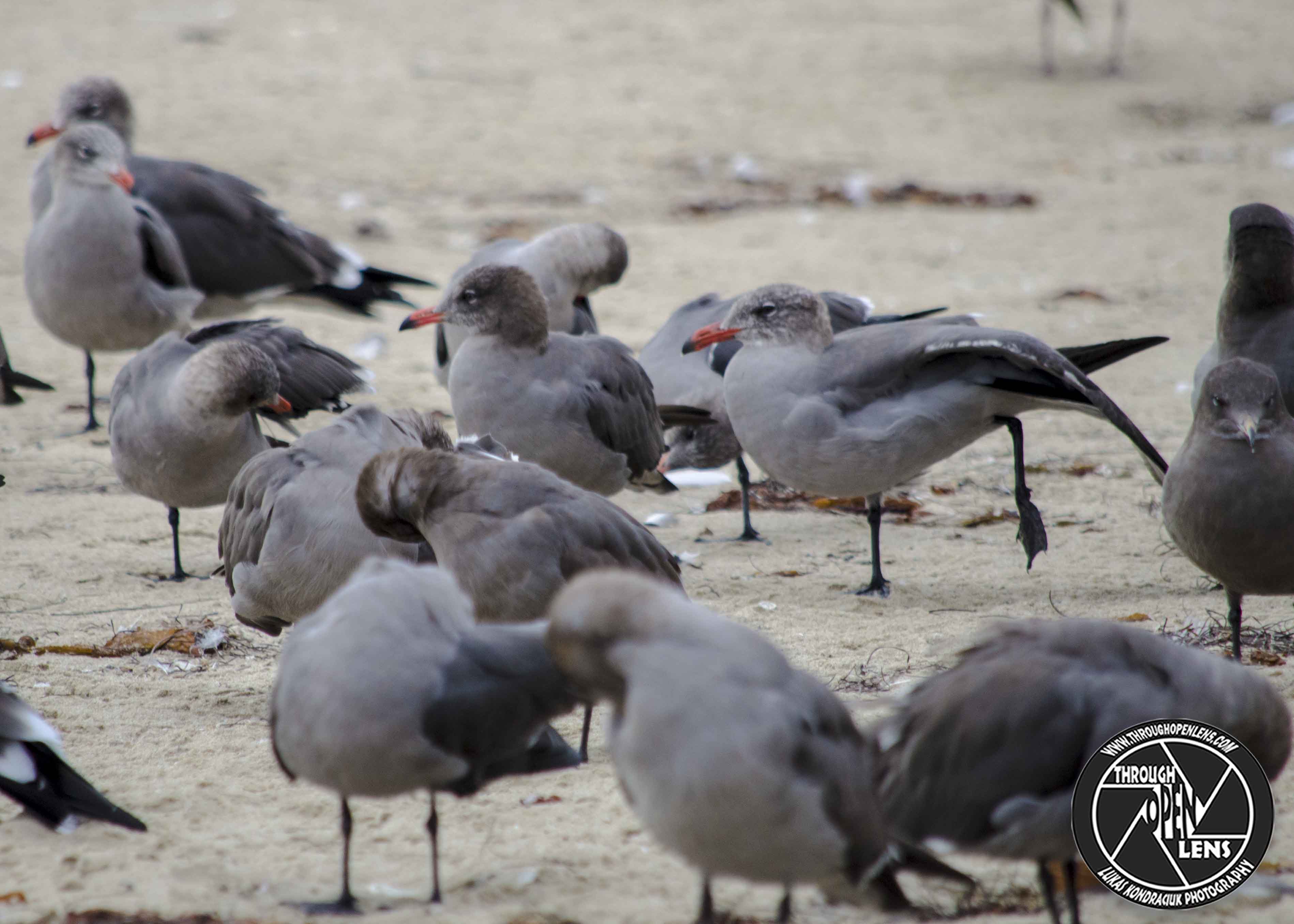
Simon Sez Stand On One Leg!

F/5.6, 1/500, ISO 400.

Heermann’s Gull

How do you communicate with a fish?

Drop him a line!

Interesting Fact: The Heermann’s Gull is the only North American gull that breeds south of the United States and comes north to spend the nonbreeding season. After breeding is over in July, the gull quickly comes north all the way to southern Canada. It heads back southward by December, and most breeders are at the breeding islands by March. ( https://www.allaboutbirds.org/guide/Heermanns_Gull/lifehistory )

Swim At Your Own Risk

mute-swan-swimming

F/5.6, 1/125, ISO 320.

Mute Swan

Why did the teacher jump into the water?

She wanted to test the water!

Interesting Fact: The black knob at the base of the male Mute Swan’s bill swells during the breeding season and becomes noticeably larger than the female’s. The rest of the year the difference between the sexes is not obvious.  ( https://www.allaboutbirds.org/guide/Mute_Swan/lifehistory )

I Want To Swim Away!

Red-Necked Grebe

F/5.6, 1/200, ISO 100.

Red-Necked Grebe

One day, two thieves stole a bunch of money from a house. First thief: Let us count the money we have stolen. Second thief: Leave, why we will count and waste our time. We can see in the newspaper, tomorrow.

Interesting Fact: The Red-necked Grebe migrates over land strictly at night. It sometimes migrates over water or along coasts by day, in large flocks. ( https://www.allaboutbirds.org/guide/Red-necked_Grebe/lifehistory )

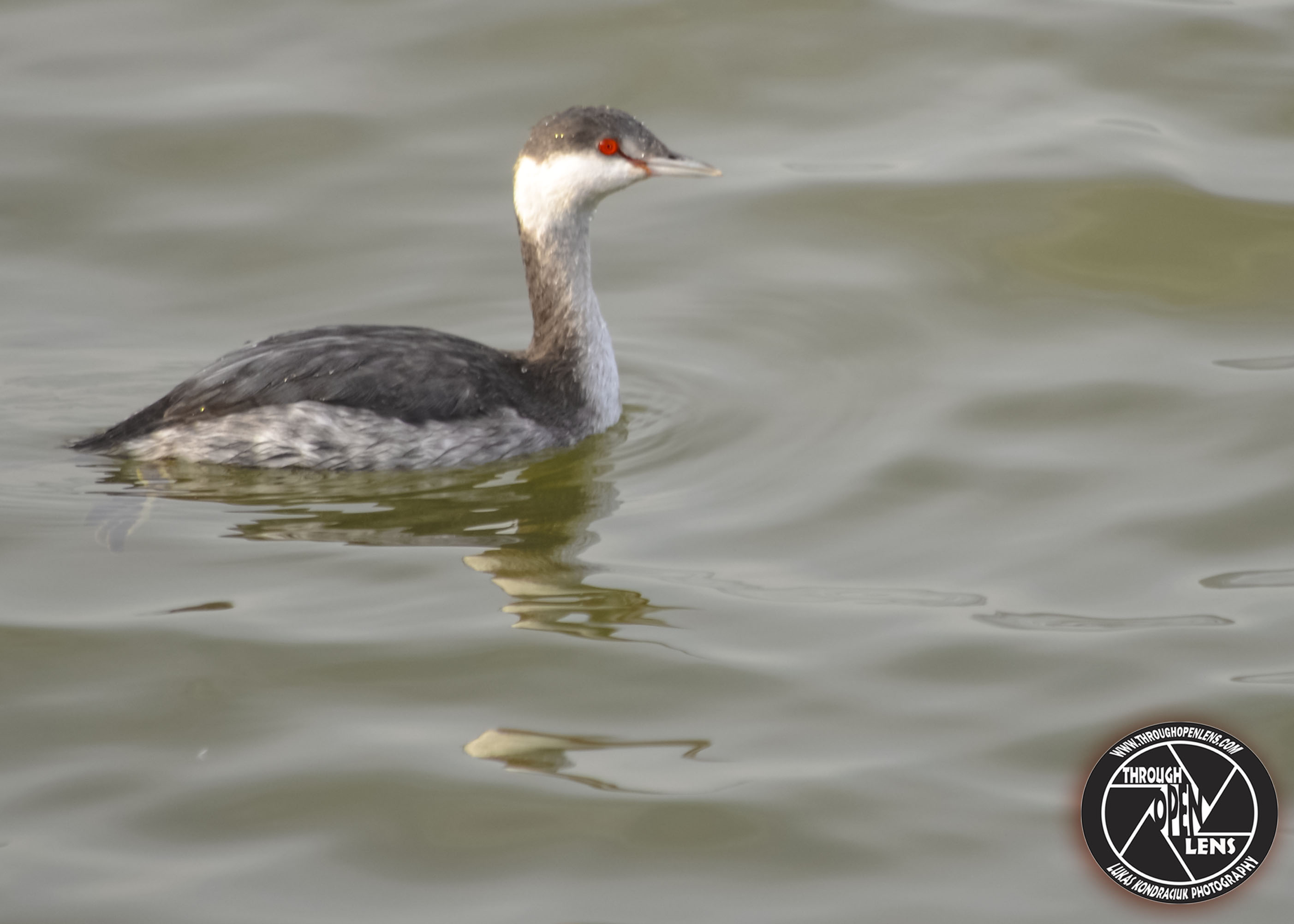
If I’m Going To Get Wet, I May As Well Swim.

horned-grebe

F/5.6, 1/200, ISO 500.

Horned Grebe

Why won’t they allow elephants in public swimming pools?

Because they might let down their trunks.

Interesting Fact: The Horned Grebe regularly eats some of its own feathers, enough that its stomach usually contains a matted plug of them. This plug may function as a filter or may hold fish bones in the stomach until they can be digested. The parents even feed feathers to their chicks to get the plug started early. ( https://www.allaboutbirds.org/guide/Horned_Grebe/lifehistory )

Walk Like You Talk!

F/5.6, 1/500, ISO 250.

Black-bellied Plover ( Juvenile )

I went to a seafood disco last week… and pulled a mussel.

Interesting Fact: Wary and quick to give alarm calls, the Black-bellied Plover functions worldwide as a sentinel for mixed groups of shorebirds. These qualities allowed it to resist market hunters, and it remained common when populations of other species of similar size were devastated. ( https://www.allaboutbirds.org/guide/Black-bellied_Plover/overview )

I Can Freeze Time! What’s Your Superpower?

F/5.6, 1/800, ISO 320.

Anna’s Hummingbird ( Female )

Two pickles fell out of a jar onto the floor.

What did one say to the other?

Dill with it.

Interesting Fact: Hummingbirds have tiny legs and can neither hop nor walk, though they can sort of scoot sideways while perched.  ( https://www.allaboutbirds.org/guide/Annas_Hummingbird )

I Am Going To Wing It!

double-crested-cormorant

F/ 5.6, 1/500, ISO 220.

Double-crested Cormorant

What do you call a fly without wings?

A walk

Interesting Fact: Accumulated fecal matter below nests can kill the nest trees. When this happens, the cormorants may move to a new area or they may simply shift to nesting on the ground. ( https://www.allaboutbirds.org/guide/Double-crested_Cormorant/lifehistory )