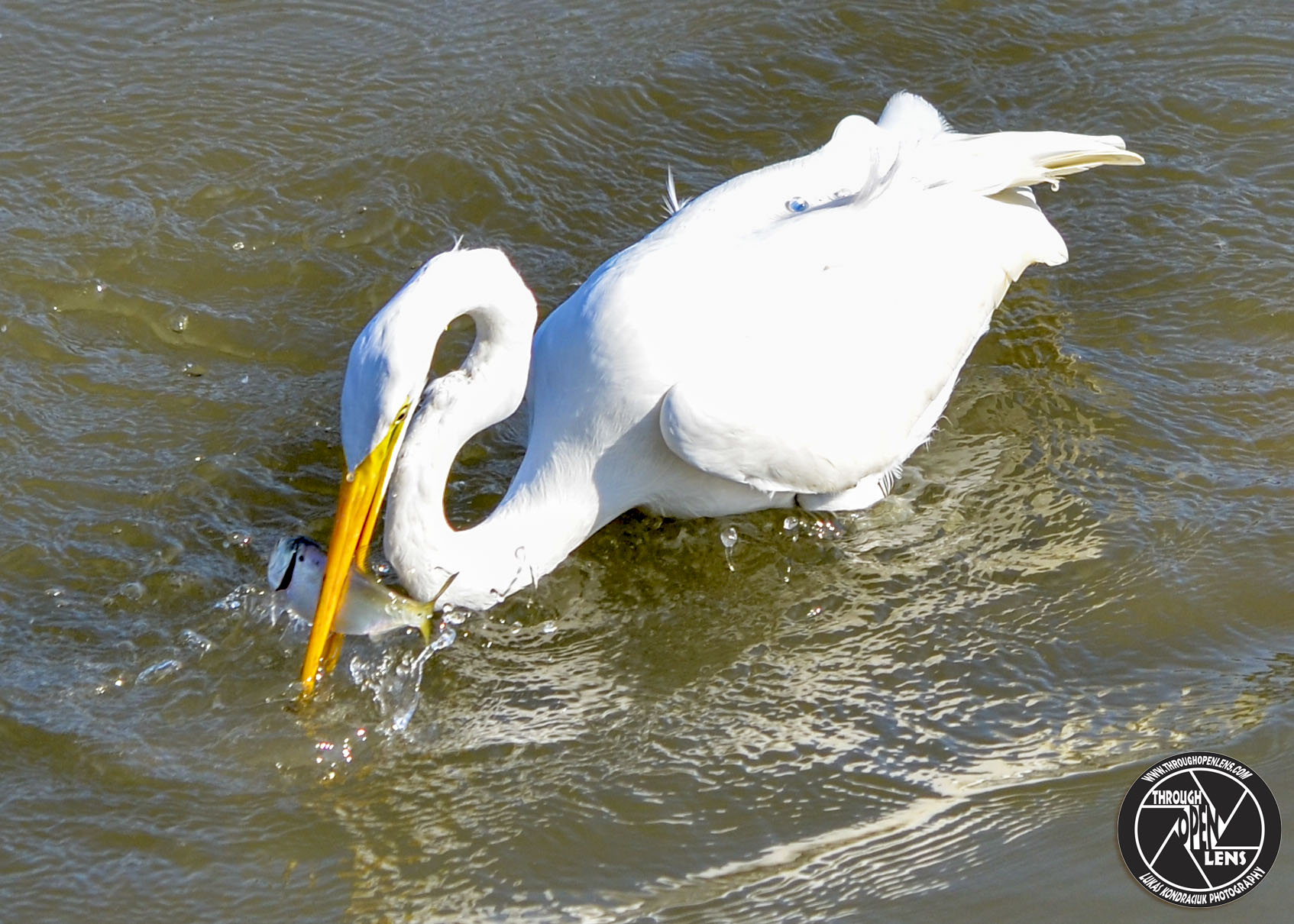
May The Fish Be With You!

F/6.3, 1/640, ISO 200.

Great Egret 

What did the ghost teacher say to her class?

Watch the board and I’ll go through it again.

Interesting Fact: Visit a pond or coastal marsh and look for an all-white bird—slightly smaller than a Great Blue Heron, with black legs and a yellow bill. It may be wading slowly or standing stock-still, peering intently at the water as it searches for fish. If you live outside of the species’ breeding range, you may still see Great Egrets in late summer as they move about widely before heading to their wintering grounds. ( https://www.allaboutbirds.org/guide/Great_Egret )

 

Gone Fishing!

F/11.0, 1/500, ISO 125.

Osprey

What did the fish say when he posted bail?

“I’m off the hook!”

Interesting Fact:  The Osprey is the only hawk on the continent that eats almost exclusively live fish. In North America, more than 80 species of live fresh- and saltwater fish account for 99 percent of the Osprey’s diet. Captured fish usually measure about 6–13 inches in length and weigh one-third to two-thirds of a pound. The largest catch on record weighed about 2.5 pounds.  (  https://www.allaboutbirds.org/guide/Osprey/lifehistory )

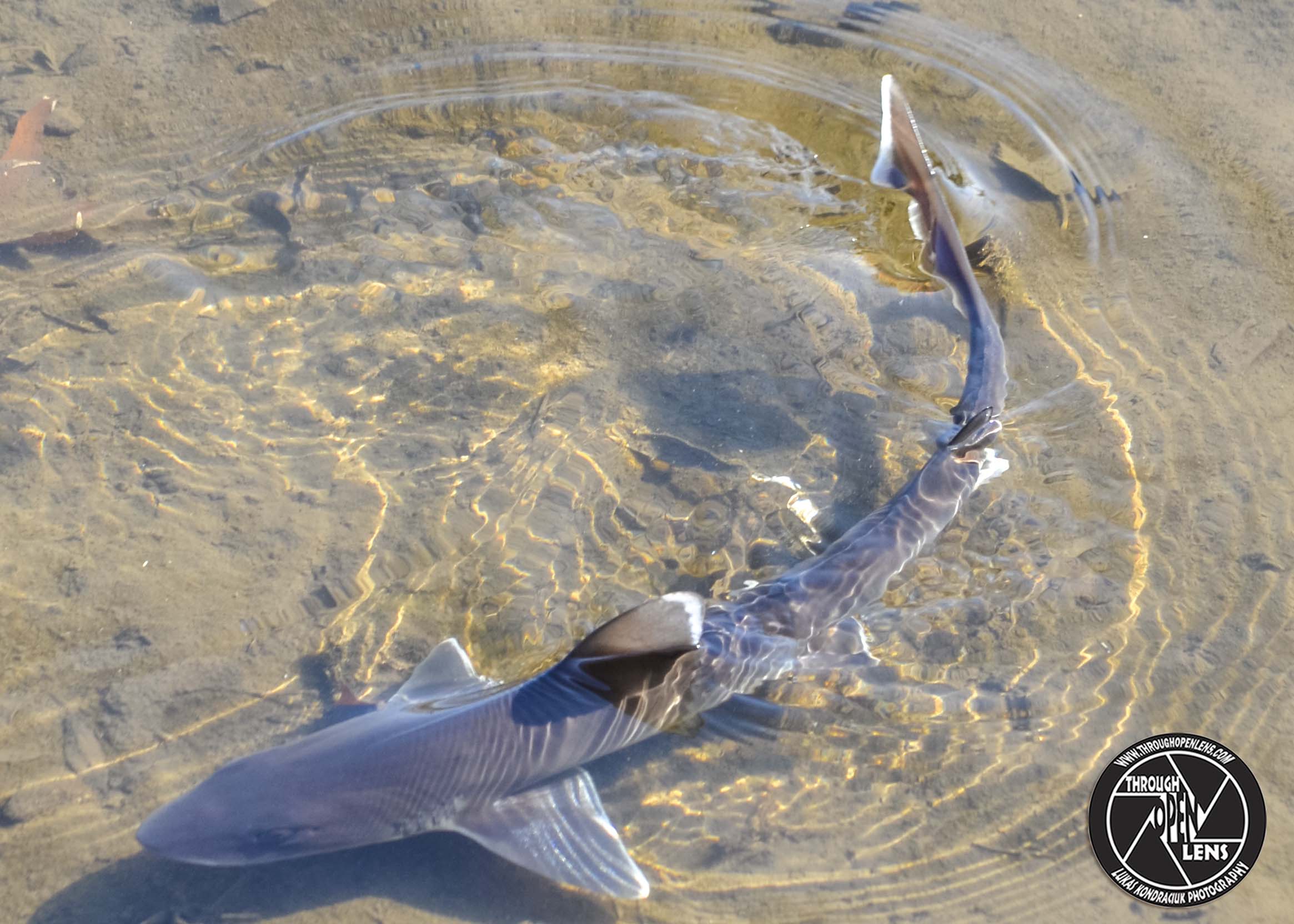
Sharks Aren’t The Bad Guys. If Some Stranger Entered My House In Just A SPEEDO, I Would Probably Attack Him Too.

Shark Week 

F/5.6, 1/500, ISO 360.

Spiny Dogfish Shark

What is a sharks favorite sci-fi show?

Shark Trek

Interesting Fact: Spiny dogfish are bottom-dwellers. They are commonly found at depths of around 50–149 m (164–489 ft), but have been found deeper than 700 m (2,300 ft). ( https://en.m.wikipedia.org/wiki/Spiny_dogfish )

If You Talking About My Neck, I’m Not Responsible For What Happens Next…

F/9.0, 1/320, ISO 160.

Great Egret 

Why are pirates so mean?

I don’t know, they just arrrrrrrrr!

Interesting Fact: Males choose the display areas, where nests are later constructed. The nest itself is up to 100 feet off the ground, often over water, usually in or near the top of a shrub or tree such as a redwood, tamarisk, live oak, eastern redcedar, yaupon holly, wax myrtle, mangrove, Australian pine, buttonwood, Brazilian pepper, black willow, or privet. Great Egrets occasionally nest on the ground or on artificial platforms. ( https://www.allaboutbirds.org/guide/Great_Egret/lifehistory )

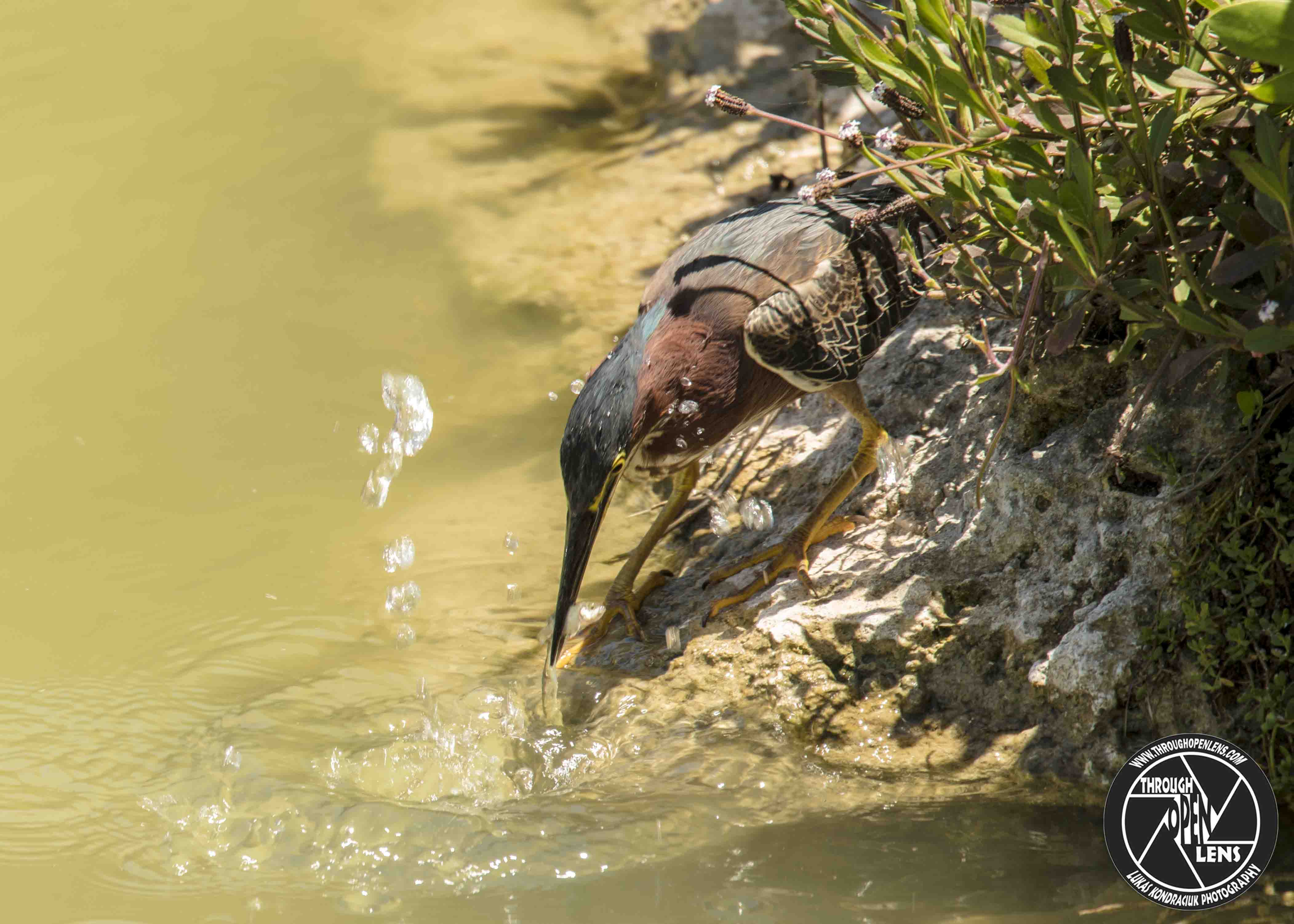
Cliffhanger!

F/9.0, 1/320, ISO 160.

Green Heron

Why did the soccer player bring string to the game?

So he could tie the score.

Interesting Fact: The oldest Green Heron on record was at least 7 years, 11 months old when it was found in Mexico in 1979. It had been banded in Oklahoma in 1971. ( https://www.allaboutbirds.org/guide/Green_Heron )

Good Things Come To Those Who Bait.

F/11.0, 1/500, ISO 125.

Osprey

In class:

Math Teacher: “If I have 5 bottles in one hand and 6 in the other hand, what do I have?”

Student: “A drinking problem.”

Interesting Fact: Osprey eggs do not hatch all at once. Rather, the first chick emerges up to five days before the last one. The older hatchling dominates its younger siblings, and can monopolize the food brought by the parents. If food is abundant, chicks share meals in relative harmony; in times of scarcity, younger ones may starve to death. ( https://www.allaboutbirds.org/guide/Osprey )

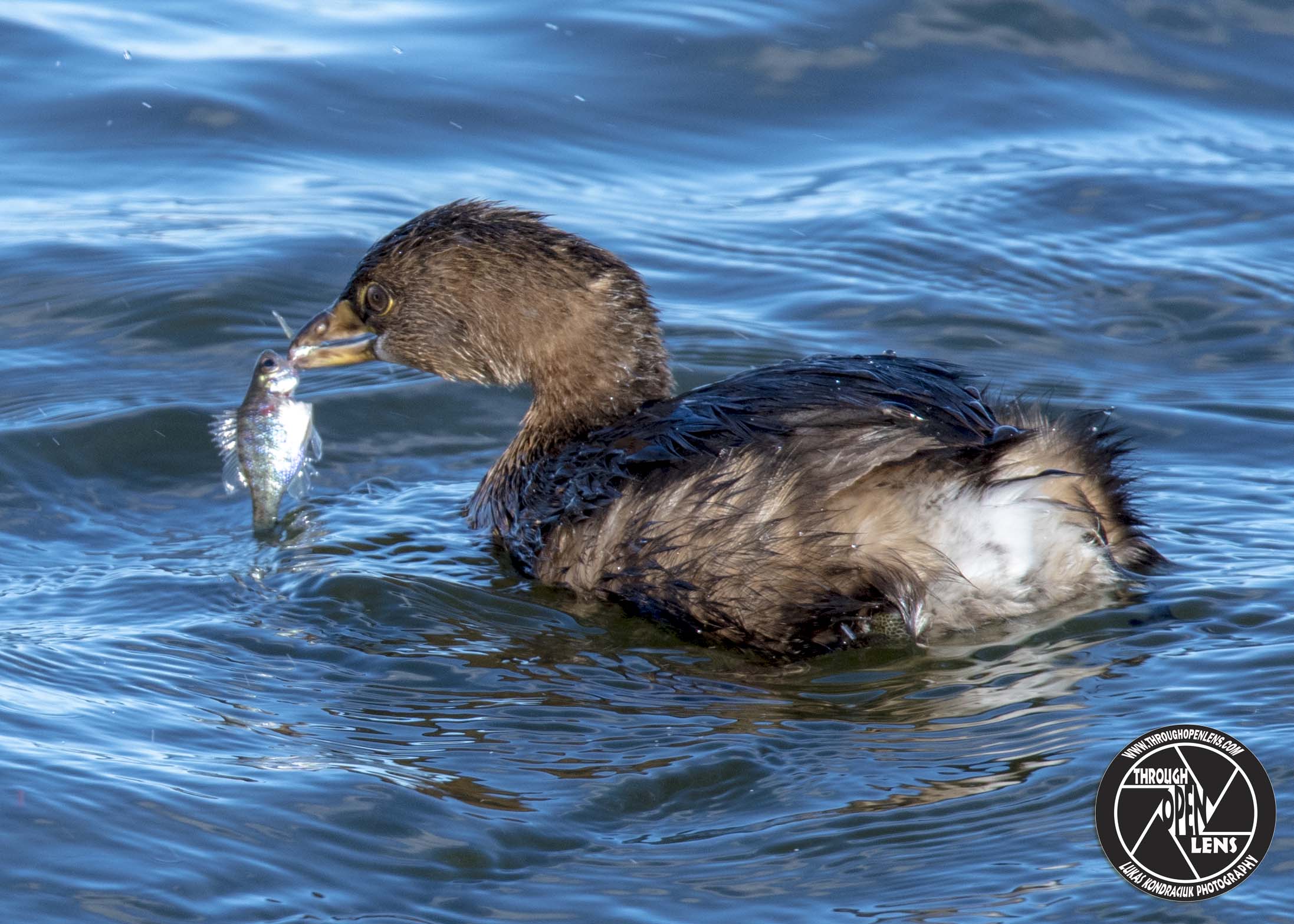
If You Keep Chasing Your Dreams, One Day You’ll Catch Them.

F/10.0, 1/400, ISO 320. 

Pied-Billed Grebe

What happened to the car with an engine made of wood?

It wooden go.

Interesting Fact: The Latin genus name for “grebe” means “feet at the buttocks”—an apt descriptor for these birds, whose feet are indeed located near their rear ends. This body plan, a common feature of many diving birds, helps grebes propel themselves through water. Lobed (not webbed) toes further assist with swimming. Pied-billed Grebes pay for their aquatic prowess on land, where they walk awkwardly. ( Pied-billed Grebe Overview, All About Birds, Cornell Lab of Ornithology )


You See Me Rollin!

F/7.1, 1/200. ISO 125.

Great Egret

What did the Buffalo say to his little boy when he dropped him off at school?

Bison.

Interesting Fact: The Great Egret walks with its neck extended and its wings held close to its body. In flight, it is graceful and buoyant, with its neck tucked back against its shoulders and its legs trailing behind. ( https://www.allaboutbirds.org/guide/Great_Egret/lifehistory )

Fish Tremble When They Hear My Name!

F/8.0, 1/200, ISO 160.

Green Heron

When do zombies go to sleep?

When they are dead tired.

Interesting Fact:  Green Herons eat mainly small fish such as minnows, sunfish, catfish, pickerel, carp, perch, gobies, shad, silverside, eels, and goldfish. They also feeds on insects, spiders, crustaceans, snails, amphibians, reptiles, and rodents. They hunt by standing still at the water’s edge, in vegetation, or by walking slowly in shallow water. When a fish approaches, the heron lunges and darts its head, grasping (or sometimes spearing) the fish with its heavy bill. ( https://www.allaboutbirds.org/guide/Green_Heron/lifehistory )

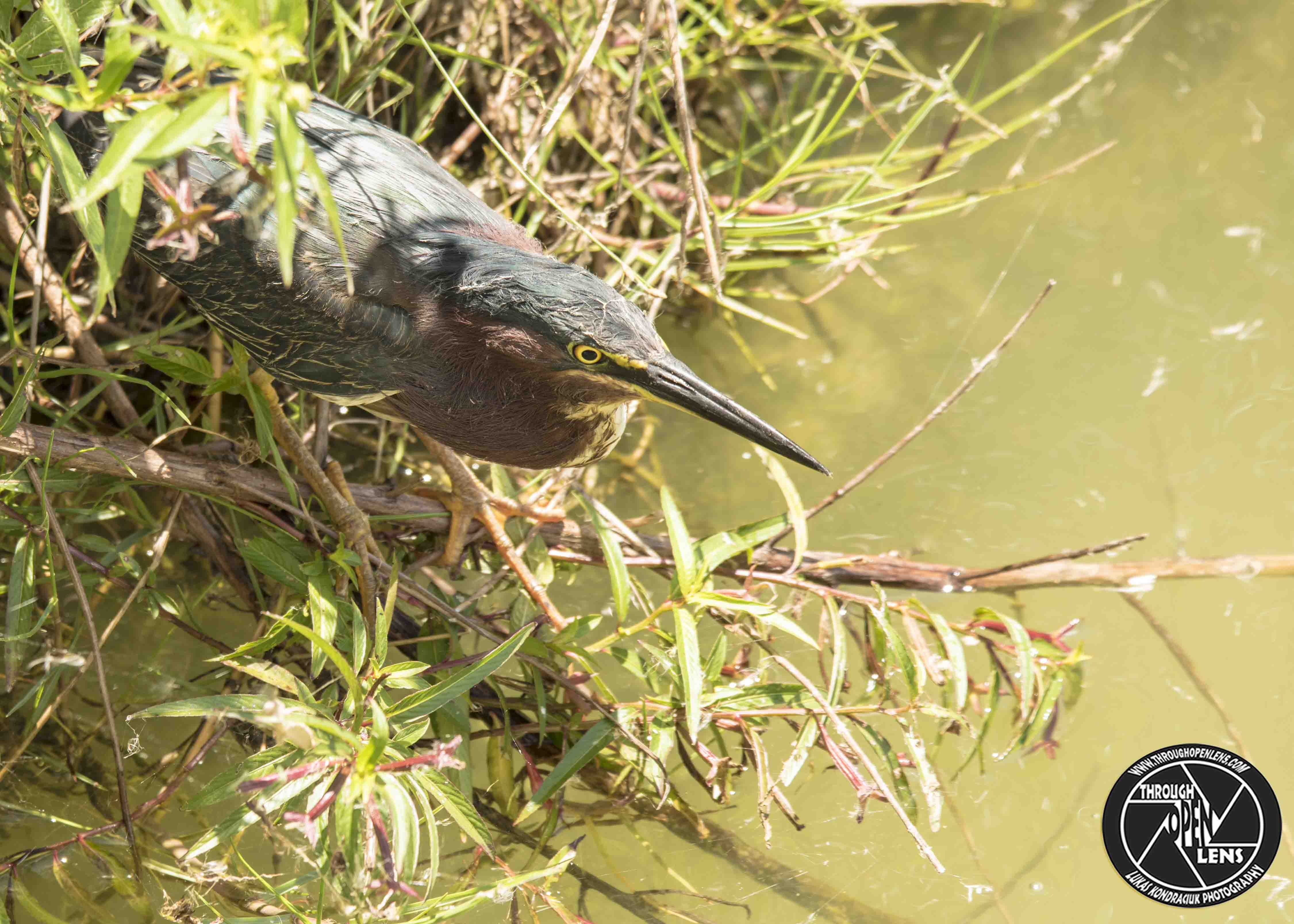
Shh… I’m Hiding From Negative People.

F/6.3, 1/160, ISO 160.

Green Heron

Why won’t sharks attack lawyers?

Professional courtesy!

Interesting Fact: Occasionally Green Herons hunt in deeper water by plunging on prey from above. They hunt at all times of the day and night in the shallows of swamps, creeks, marshes, ditches, ponds, and mangroves. They usually forage among thick vegetation in water that is less than 4 inches deep, avoiding the deeper and more open areas frequented by longer-legged herons. ( https://www.allaboutbirds.org/guide/Green_Heron/lifehistory )