DON’T PANIC!

F/5.6, 1/500, ISO 360.

Canada Goose 

A man goes to his doctor because he’s been feeling very ill for days. The doctor gives him several sets of pills.

The doctor instructs; “Take the green pill with two big glasses of water when you get up. An hour later, take the white pill with another glass of water. Take the blue pill with a big glass of water after lunch. Mid afternoon, take the orange pill with plenty of water, and repeat that at dinner. Then, just before going to bed, take the red pill with several big glasses of water.”

The man is alarmed at huge volume of medicine he has been given to take, and nervously asks, “What’s the diagnosis? What’s wrong with me?”

The doctor says, “You’re dehydrated.”

Interesting Fact: The “giant” Canada Goose, Branta canadensis maxima, bred from central Manitoba to Kentucky but was nearly driven extinct in the early 1900s. Programs to reestablish the subspecies to its original range were in many places so successful that the geese have become a nuisance in many urban and suburban areas.  ( https://www.allaboutbirds.org/guide/Canada_Goose/lifehistory )

Fly Above The Negativity!

F/6.3, 1/1000, ISO 500.

Great Blue Heron 

Why was Frosty told to leave the grocery store?

Because he was caught picking his nose in the produce isle.

Interesting Fact: Despite their impressive size, Great Blue Herons weigh only 5 to 6 pounds thanks in part to their hollow bones—a feature all birds share.  ( https://www.allaboutbirds.org/guide/Great_Blue_Heron/overview )


Well…This Is Hawkward

red-tailed-hawk-hawkward

F/13.0, 1/640, ISO 320.

Red-tailed Hawk 

Where do animals go when their tails fall off?

The retail store!

Interesting Fact: The Red-tailed Hawk has a thrilling, raspy scream that sounds exactly like a raptor should sound. At least, that’s what Hollywood directors seem to think. Whenever a hawk or eagle appears onscreen, no matter what species, the shrill cry on the soundtrack is almost always a Red-tailed Hawk. ( https://www.allaboutbirds.org/guide/Red-tailed_Hawk/lifehistory )


I Give High A New Meaning!

F/13.0, 1/640, ISO 320.

Northern Harrier

What did the eggs say when the cops showed up?

Everybody scramble!

Interesting Fact: Northern Harriers hunt mostly small mammals and small birds, but they are capable of taking bigger prey like rabbits and ducks. They sometimes subdue larger animals by drowning them. ( https://www.allaboutbirds.org/guide/Northern_Harrier )

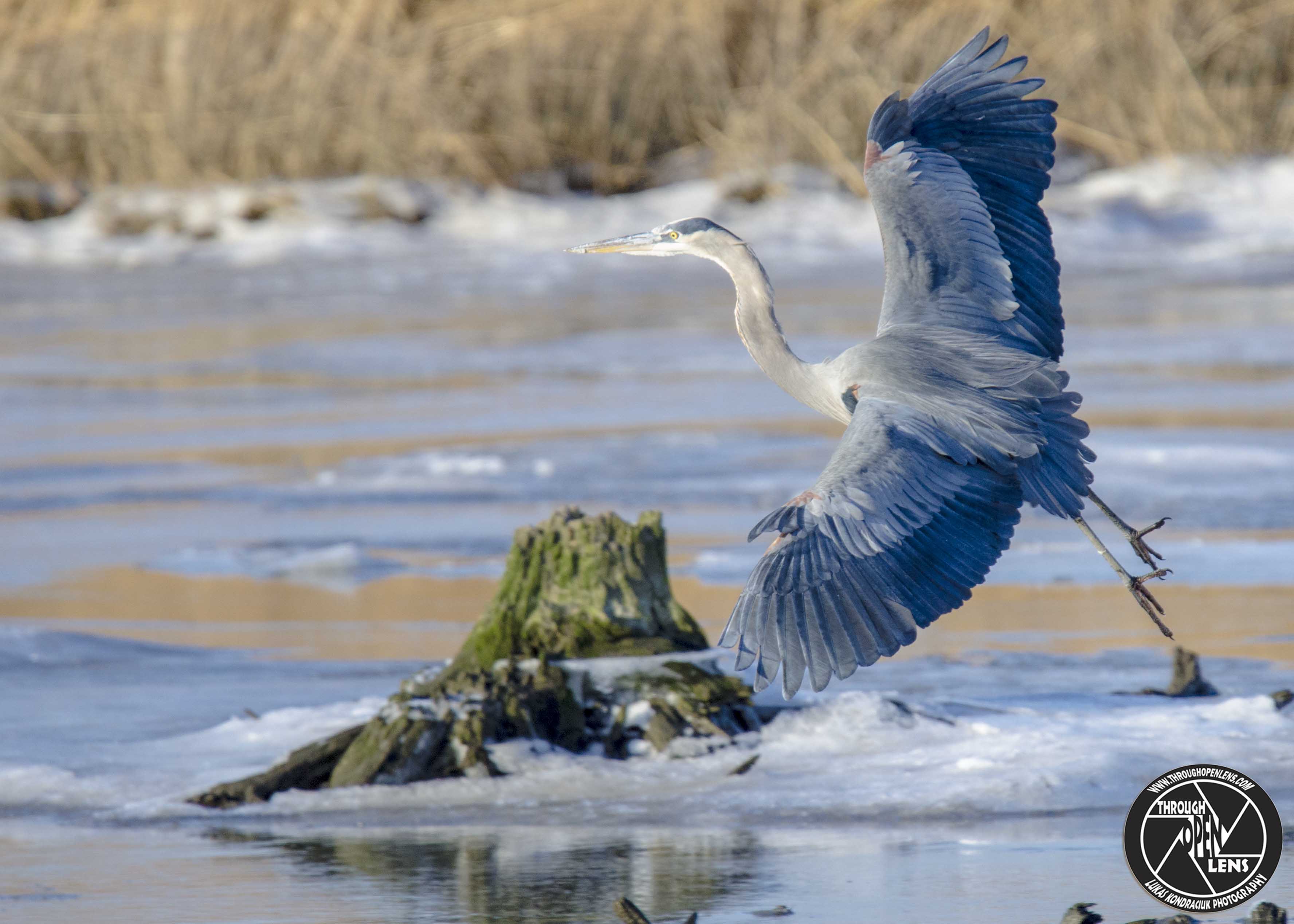
I Spread My Wings And I Fly!

F/6.3, 1/1000, ISO 640.

Great Blue Heron 

Why did the student wear eye-glasses in math class?

It improved DiVision !

Interesting Fact:  In flight the Great Blue Heron folds it neck into an “S” shape and trails its long legs behind, dangling them as it prepares to land or when courting. ( https://www.allaboutbirds.org/guide/Great_Blue_Heron/lifehistory )

I Believe I Can Fly!

Franklin's Gull 1

F/14.0, 1/640, ISO 320.

Franklin’s Gull

What did the pig say at the beach on a hot summer’s day?

I’m bacon!

Interesting Fact: In breeding plumage, and sometimes in nonbreeding plumage as well, the Franklin’s Gull often shows a rosy pink cast (rarely salmon) on its chest and abdomen. This color is most apparent on the shafts and bases of its feathers. The color fades as the breeding season progresses as the pigment is broken down by sunlight.  ( https://www.allaboutbirds.org/guide/Franklins_Gull/lifehistory )


Baby Let’s Fly Away

sunset flight

F/9.0, 1/1250, ISO 100.

A day without sunshine is like, well, night.

Interesting Fact: Neglecting atmospheric refraction and the Sun’s non-zero size, whenever and wherever sunset occurs, it is always in the northwest quadrant from the March equinox to the September equinox, and in the southwest quadrant from the September equinox to the March equinox. Sunsets occur almost exactly due west on the equinoxes for all viewers on Earth. Exact calculations of the azimuths of sunset on other dates are complex, but they can be estimated with reasonable accuracy by using the analemma. ( https://en.wikipedia.org/wiki/Sunset#Historically )

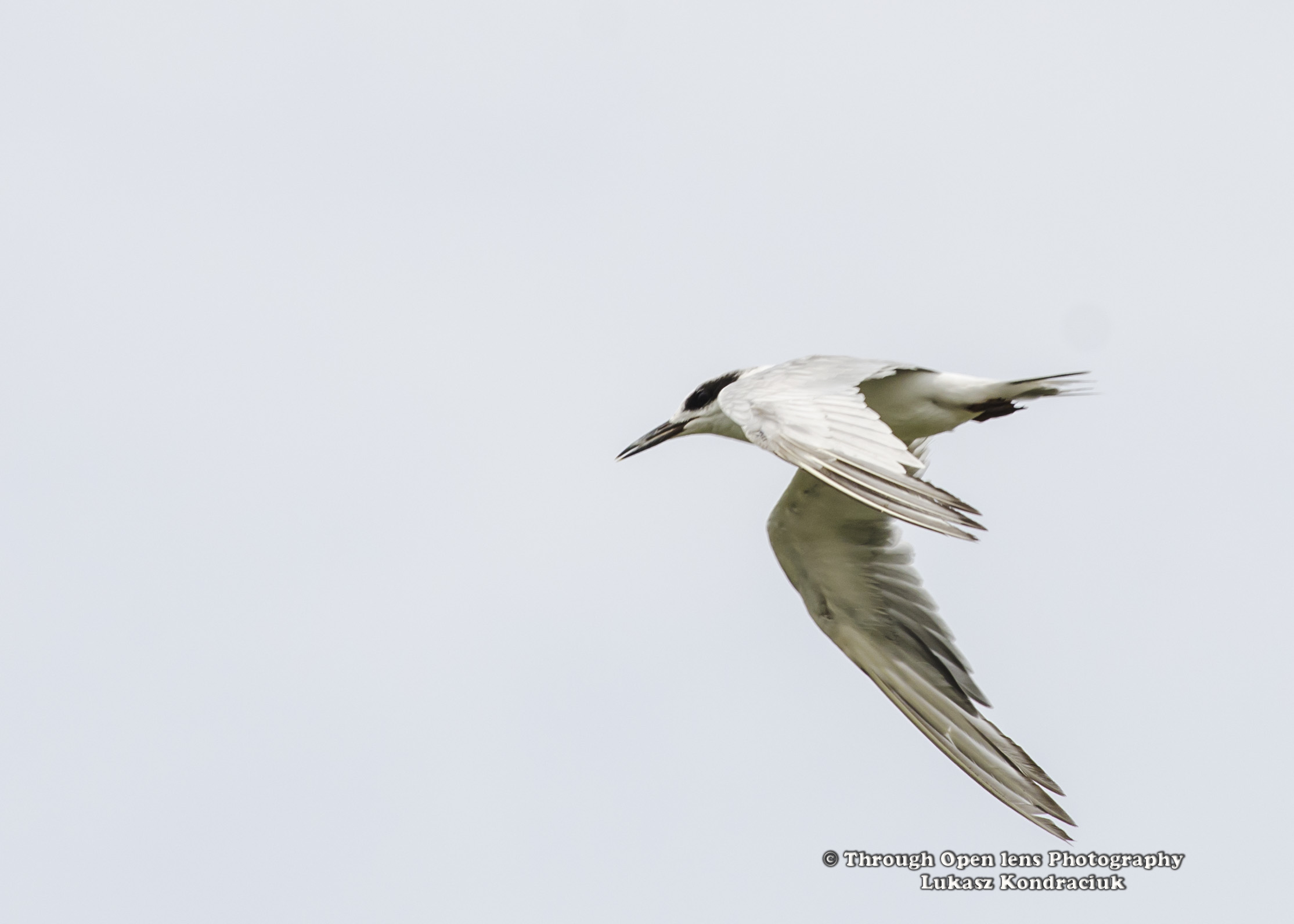
Tern It Up!

Forster's Tern

F/8.0, 1/1000, ISO 200.

Forster’s Tern

What did the bird say when her boyfriend bought her the wrong perfume?

Cheep cheep!

Interesting Fact: Forster’s Tern is the only tern restricted almost entirely to North America throughout the year. ( https://www.allaboutbirds.org/guide/Forsters_Tern/lifehistory )

I Need A Hug!

Common Tern 1

F/7.1, 1/800, ISO 200.

Common Tern

Knock! Knock!

Who’s there?

Lettuce.

Lettuce who?

Lettuce in already!

Interesting Fact: Common Terns living along the coast drink salt water. They do not seek fresh water even when it is available nearby. Like many seabirds, they have nasal glands that excrete the excess salt. ( https://www.allaboutbirds.org/guide/Common_Tern/lifehistory )

Hi I’m Steven, Steven SeaGull

Franklin's Gull

F/7.1, 1/800, ISO 200.

Franklin’s Gull

Why do sea-gulls fly over the sea?

Because if they flew over the bay they would be bagels!

Interesting Fact: The floating nest of the Franklin’s Gull gradually sinks as the material below the water surface decays, and it requires continual maintenance. Both parents add new nest material daily until one or two weeks before departing the colony. Older chicks also add nest material from the immediate vicinity of the nest. ( https://www.allaboutbirds.org/guide/Franklins_Gull/lifehistory )