Sometimes What You Looking For Comes When You’re Not Looking At All.

F/5.6, 1/2000, ISO 500.

Semipalmated Plover 

How do trees get online?

They just log on!

Interesting Fact: They are migratory and winter in coastal areas of the southern United States, the Caribbean and much of South America. They are extremely rare vagrants to western Europe, and have been found in Tierra del Fuego and the Isles of Scilly.[4] Their true status may be obscured by the difficulty in identifying them from the very similar ringed plover of Eurasia, of which it was formerly considered a subspecies. ( https://en.wikipedia.org/wiki/Semipalmated_plover )
 

Good Times And Crazy Friends Make The Best Memories.

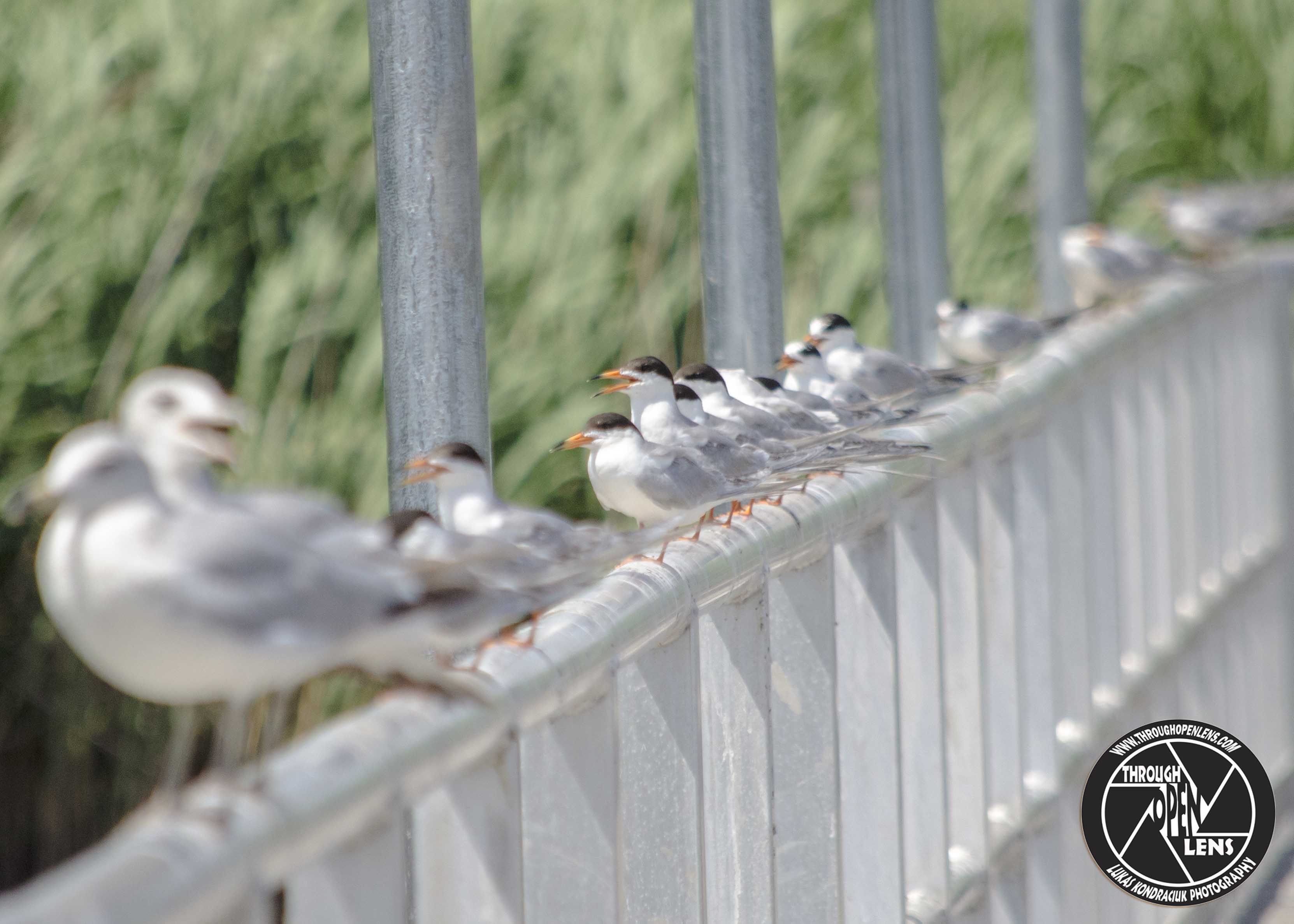
F/5.6, 1/3200, ISO 1000. d700

Common Terns 

Did you hear the rumor about butter?

Everyone’s spreading it.

Interesting Fact: Common Terns nest in colonies on the ground in areas with loose sand, gravel, shell, or cobble pebbles typically less than 350 feet from the water. They tend to choose areas with scattered, low-growing vegetation to provide cover for chicks. ( https://www.allaboutbirds.org/guide/Common_Tern/lifehistory )


Just Sitting Here On The Corner Of Awesome And Bombdiggity.

F/8.0, 1/125, ISO 100.

Peregrine Falcon

Why did Mickey Mouse go to space?

To visit Pluto.

Interesting Fact: The Peregrine Falcon is one of the most widespread birds in the world. It is found on all continents except Antarctica, and on many oceanic islands. ( https://www.allaboutbirds.org/guide/Peregrine_Falcon/lifehistory )

I Can Fly! What’s Your Superpower?

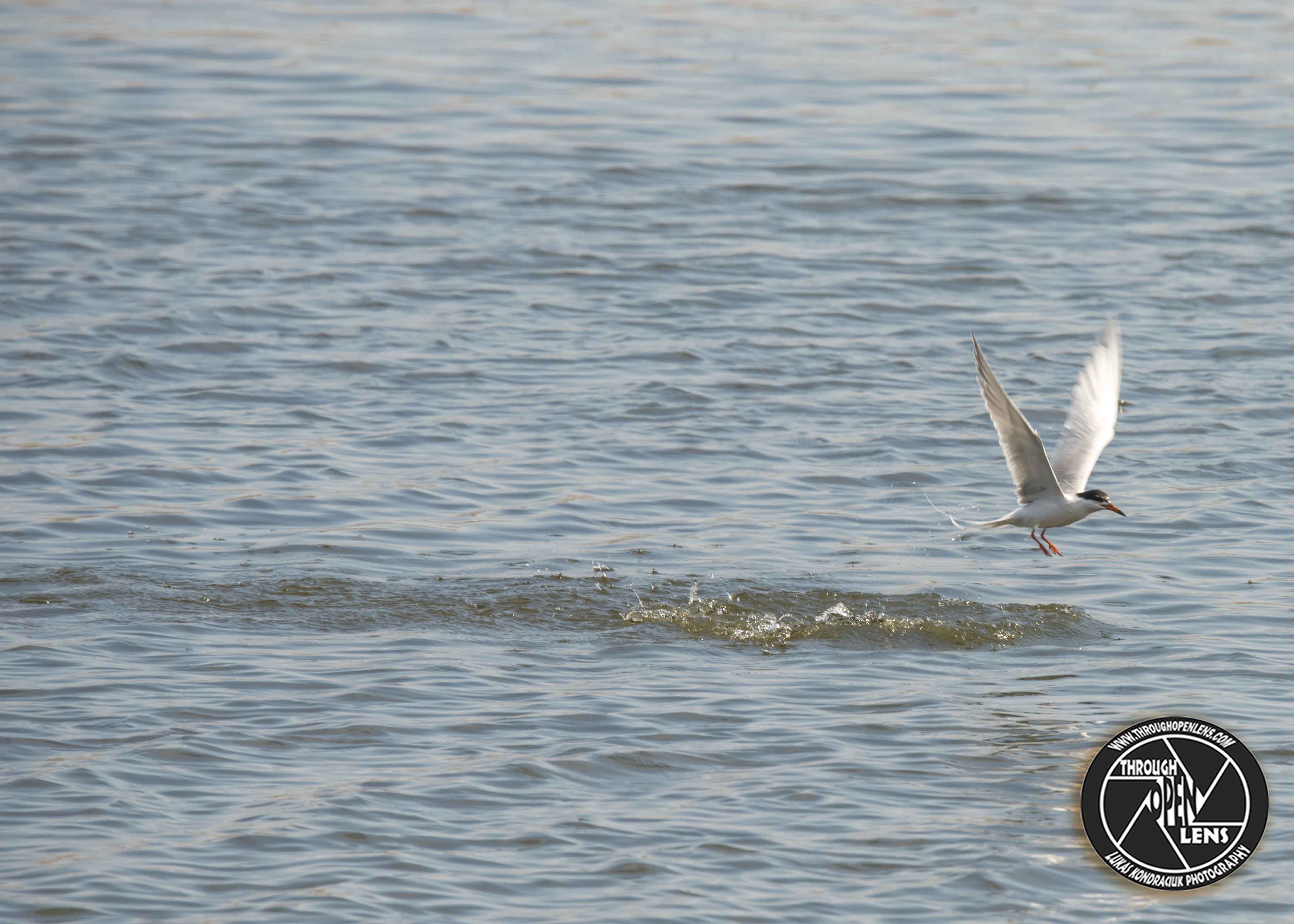
F/10.0, 1/400, ISO 160.

Common Tern

What do you call cheese that is not yours?

Nacho Cheese

Interesting Fact: Plunges into water from flight; may hover briefly before plunging. ( https://www.allaboutbirds.org/guide/Common_Tern/lifehistory )

I Run To Burn Off The Crazy!

F/11.0, 1/500, ISO 200.

Snowy Egret

Why do mummies make excellent spies?

They’re good at keeping things under wraps.

Interesting Fact: Male Snowy Egrets fight for breeding territories, choose nest sites, and perform noisy courtship displays to attract mates. A ring of other egrets often gathers around a displaying male as he pumps his body up and down, points his bill skyward, and calls. He also performs aerial displays, including one that ends with him dropping toward the ground while tumbling around and around. ( https://www.allaboutbirds.org/guide/Snowy_Egret/lifehistory )


I Don’t Need Anger Management I Need People To Stop Pissing Me Off.

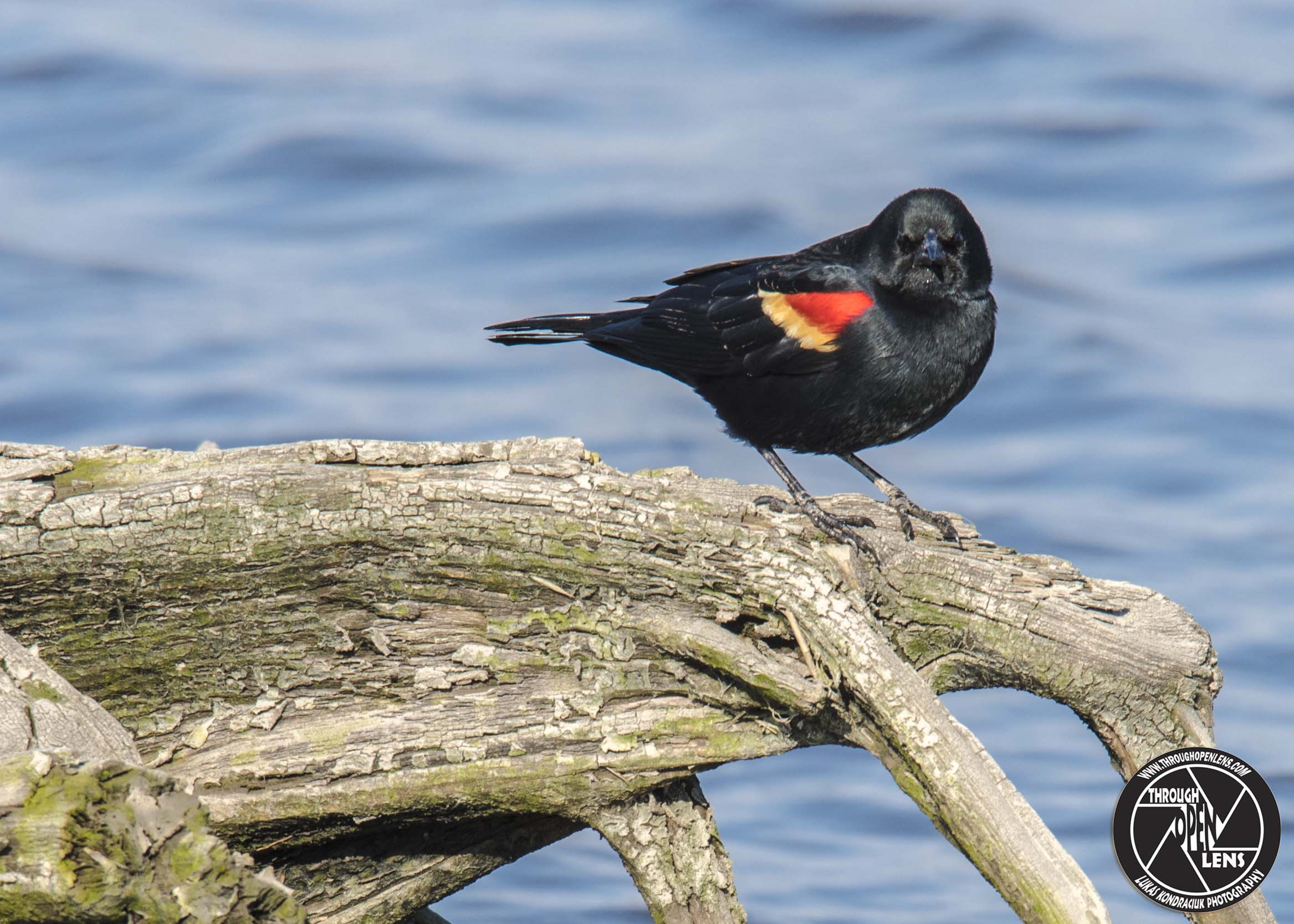
F/9.0, 1/320, ISO 320.

Red-winged Blackbird 

What did the ghost eat at his birthday party?

I scream

Interesting Fact: Male Red-winged Blackbirds spend much of the breeding season sitting on a high perch over their territories and singing their hearts out. Females tend to slink through reeds and grasses collecting food or nest material. Both males and females defend nests from intruders and predators. ( https://www.allaboutbirds.org/guide/Red-winged_Blackbird/lifehistory )

Just Checking If Gravity Still Works.

F/10.0, 1/400, ISO 200.

Great Egret

What did the inventor of the door knocker win?

The no bell prize.

Interesting Fact:  The male builds a nest platform from long sticks and twigs before pairing up with a female, and then both members of the pair may collaborate to complete the nest, though the male sometimes finishes it himself. The nest is up to 3 feet across and 1 foot deep. It is lined with pliable plant material that dries to form a cup structure. They don’t typically reuse nests from year to year. ( https://www.allaboutbirds.org/guide/Great_Egret/lifehistory )

I’m Sick Of Following My Dreams, Man. I’m Just Going To Ask Where They’re Going And Hook Up With ’em Later.

F/7.1, 1/200, ISO 320.

Palm Warbler

Why couldn’t Dracula’s wife get to sleep?

Because of his coffin.

Interesting Fact: The Palm Warbler, unlike most warblers, spends a lot of time walking on the ground and bobbing its tail as it goes—an obvious trait whether the bird is on the ground or perched in a tree or shrub. Despite its affinity for the ground it also forages and sings from taller trees and shrubs. It sometimes sallies out to grab an insect from a low shrub or tree like a flycatcher. ( https://www.allaboutbirds.org/guide/Palm_Warbler/lifehistory )


Ordinarily, Staring is Creepy. But If You Spread Your Attention Across Many Individuals, Then It’s Just People Watching.

F/7.1, 1/200, ISO 320.

Common Grackle

Tom is sitting on the ice all day fishing with no luck, not even a nibble. Cold and tired he is about to leave, when a guy walks up cuts a hole in the ice beside him, and starts pulling out fish as fast a he can drop his hook in the water. Tom cant believe it, he yells over ” whats your secret?” “woogatkakeptewrwm” he answers back. “what did you say?” replies Tom. The man spits a large ball of worms on the ice and says to Tom, ” you have to keep your worms warm”.

Interesting Fact: Those raggedy figures out in cornfields may be called scare-crows, but grackles are the #1 threat to corn. They eat ripening corn as well as corn sprouts, and their habit of foraging in big flocks means they have a multimillion dollar impact. Some people have tried to reduce their effects by spraying a foul-tasting chemical on corn sprouts or by culling grackles at their roosts. ( https://www.allaboutbirds.org/guide/Common_Grackle/lifehistory )


Happiness Is Enjoying The Little Things In Life

F/7.1, 1/200, ISO 250.

American Goldfinch 

How do cows do mathematics?

They use a cow-culator.

Interesting Fact: American Goldfinches are active, acrobatic finches that balance on the seedheads of thistles, dandelions, and other plants to pluck seeds. They have a bouncy flight during which they frequently make their po-ta-to-chip calls. Although males sing exuberantly during spring, pairs do not nest until mid-summer, when thistles and other weeds have gone to seed. Goldfinches do not join other songbirds mobbing predators. ( https://www.allaboutbirds.org/guide/American_Goldfinch/lifehistory )