Bellllyyyy Floooop!

F/11.0, 1/500, ISO 320.

Bufflehead Duck

Why are hairdressers never late for work?

Because they know all the short cuts!

Interesting Fact: Bufflehead nest only in cavities, using holes dug by Northern Flickers and sometimes Pileated Woodpeckers (as well as artificial nest boxes). In the summer, females that are too young to breed, or whose nests have failed, fly around in noisy groups and scope out the available nest holes for the following breeding season. Just before laying, females make more secretive flights to prospective holes, either alone or with their mates. They usually choose cavities in poplar or aspen trees, except in California where they often use pine trees. ( https://www.allaboutbirds.org/guide/Bufflehead/lifehistory )

Being Small Works For Me!

F/5.6, 1/500, ISO 220.

Least Sandpiper

Why did the teddy bear say no to dessert?

Because he was stuffed.

Interesting Fact: The Least Sandpiper is the smallest shorebird in the world, weighing in at about 1 ounce and measuring 5-6 inches long. Males are slightly smaller than females. ( https://www.allaboutbirds.org/guide/Least_Sandpiper )

Giggity, Giggity, Quack!

F/11.0, 1/500, ISO 500.

Ruddy Duck

What did the calculator say to the cashier?

You can count on me.

Interesting Fact:  Most males pair up with one female each for the duration of the breeding season, but some take multiple mates. Their eggs are proportionally the largest of all waterfowl. The ducklings hatch well-developed and active, receiving minimal care from the mother and none from the father. ( https://www.allaboutbirds.org/guide/Ruddy_Duck/lifehistory )

Always Stretch Before Swimming!

F/11.0, 1/500, ISO 500.

Ruddy Duck

What is crazy and walks along the sides of buildings?

A walnut.

Interesting Fact: Ruddy Ducks are very aggressive toward each other and toward other species, especially during the breeding season. Unlike most ducks, they form pairs only after arriving on the breeding grounds each year. ( https://www.allaboutbirds.org/guide/Ruddy_Duck/lifehistory )

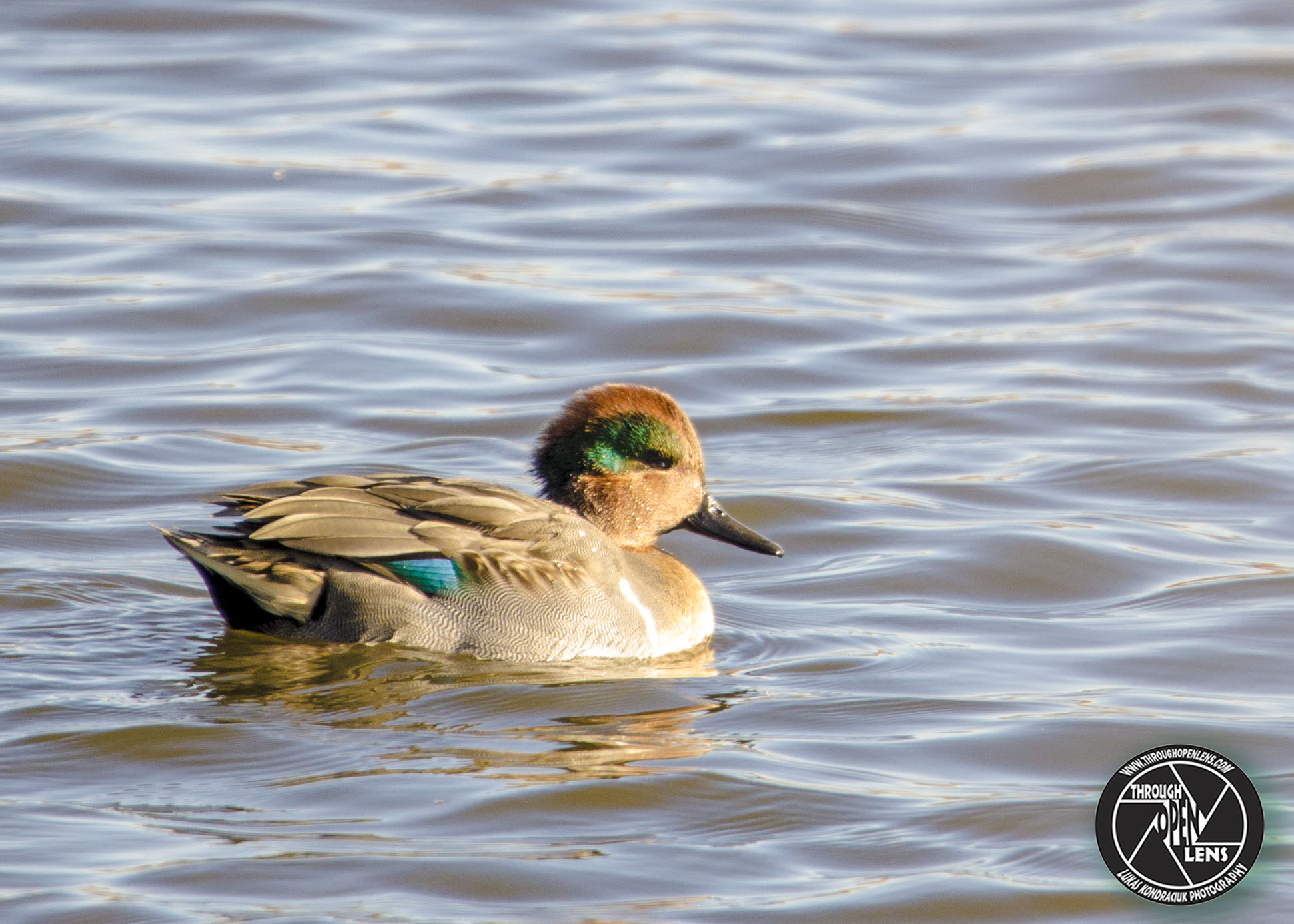
Be Like A Duck And QUACK!

F/6.3, 1/400, ISO 400.

Green-Winged Teal

How do you make a tissue dance?

Put a little boogie in it.

Interesting Fact: The Aleutian Islands of Alaska support their own race of Green-winged Teal, Anas crecca nimia. Unlike other Green-winged Teal populations, this race doesn’t migrate. In winter the birds move from summering sites on ponds and lakes to the islands’ beaches, where they forage in tide pools and on shallow-water reefs. ( https://www.allaboutbirds.org/guide/Green-winged_Teal/lifehistory )

Flap Your Wings Like Bird!

F/6.3, 1/500, ISO 1000.

Golden-crowned Kinglet

Two fish are in a tank.

One turns to the other and says, “Hey, do you know how to drive this thing?”

Interesting Fact: Although it used to nest almost exclusively in boreal spruce-fir forests, the Golden-crowned Kinglet has been expanding its breeding range southward into conifer stands of the Midwest and Appalachians. ( https://www.allaboutbirds.org/guide/Golden-crowned_Kinglet/lifehistory )

Great Ideas Need Landing Gear As Well As Wings.

F/9.0, 1/250, ISO 320.

Great Blue Heron

Why did the chicken disappoint his mother.

He wasn’t what he was cracked up to be!

Interesting Fact: Great Blue Herons eat nearly anything within striking distance, including fish, amphibians, reptiles, small mammals, insects, and other birds. They grab smaller prey in their strong mandibles or use their dagger-like bills to impale larger fish, often shaking them to break or relax the sharp spines before gulping them down. ( https://www.allaboutbirds.org/guide/Great_Blue_Heron/lifehistory )

Empty Nest? Celebrate it! You Are Now Free As A Bird!

F/8.0, 1/250, ISO 320.

Great Blue Heron

Why did the policeman smell bad?

He was on duty.

Interesting Fact: Great Blue Herons nest mainly in trees, but will also nest on the ground, on bushes, in mangroves, and on structures such as duck blinds, channel markers, or artificial nest platforms. Males arrive at the colony and settle on nest sites; from there, they court passing females. Colonies can consist of 500 or more individual nests, with multiple nests per tree built 100 or more feet off the ground. ( https://www.allaboutbirds.org/guide/Great_Blue_Heron/lifehistory )

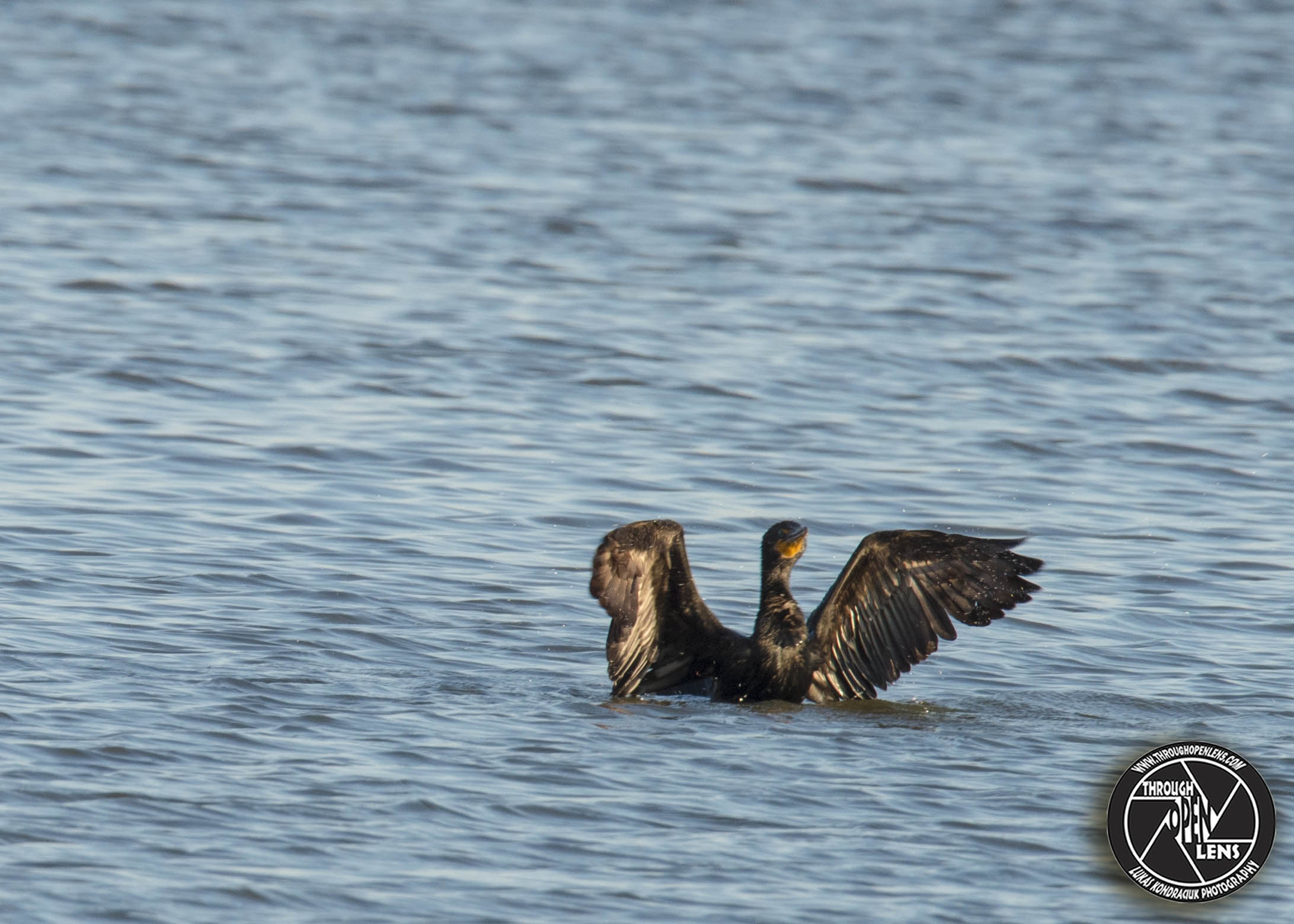
I’m Over Here!

F/13.0, 1/640, ISO 320.

Double-crested Cormorant

Teacher called on a student in the classroom:

Teacher: Name two days of the week that start with “t”.

Student: Today and Tomorrow

Interesting Fact: Double-crested Cormorant nests often are exposed to direct sun. Adults shade the chicks and also bring them water, pouring it from their mouths into those of the chicks. ( https://www.allaboutbirds.org/guide/Double-crested_Cormorant/lifehistory )

You Really Quack Me Up!

F/10.0, 1/400, ISO 320.

Ruddy Duck

Did you hear about the duck who thought he was a squirrel?

It was one tough nut to quack.

Interesting Fact: Migrating Ruddy Ducks stop in a variety of habitats, most often on large, permanent wetlands, lakes, and reservoirs. They spend the winter throughout the southern half of the breeding range, also moving into wintering habitat that spans most of the United States and extends through Mexico to Central America. Their wintering habitat includes freshwater wetlands, lakes, and reservoirs as well as brackish bays, coastal marshes, and tidal estuaries. ( https://www.allaboutbirds.org/guide/Ruddy_Duck/lifehistory )