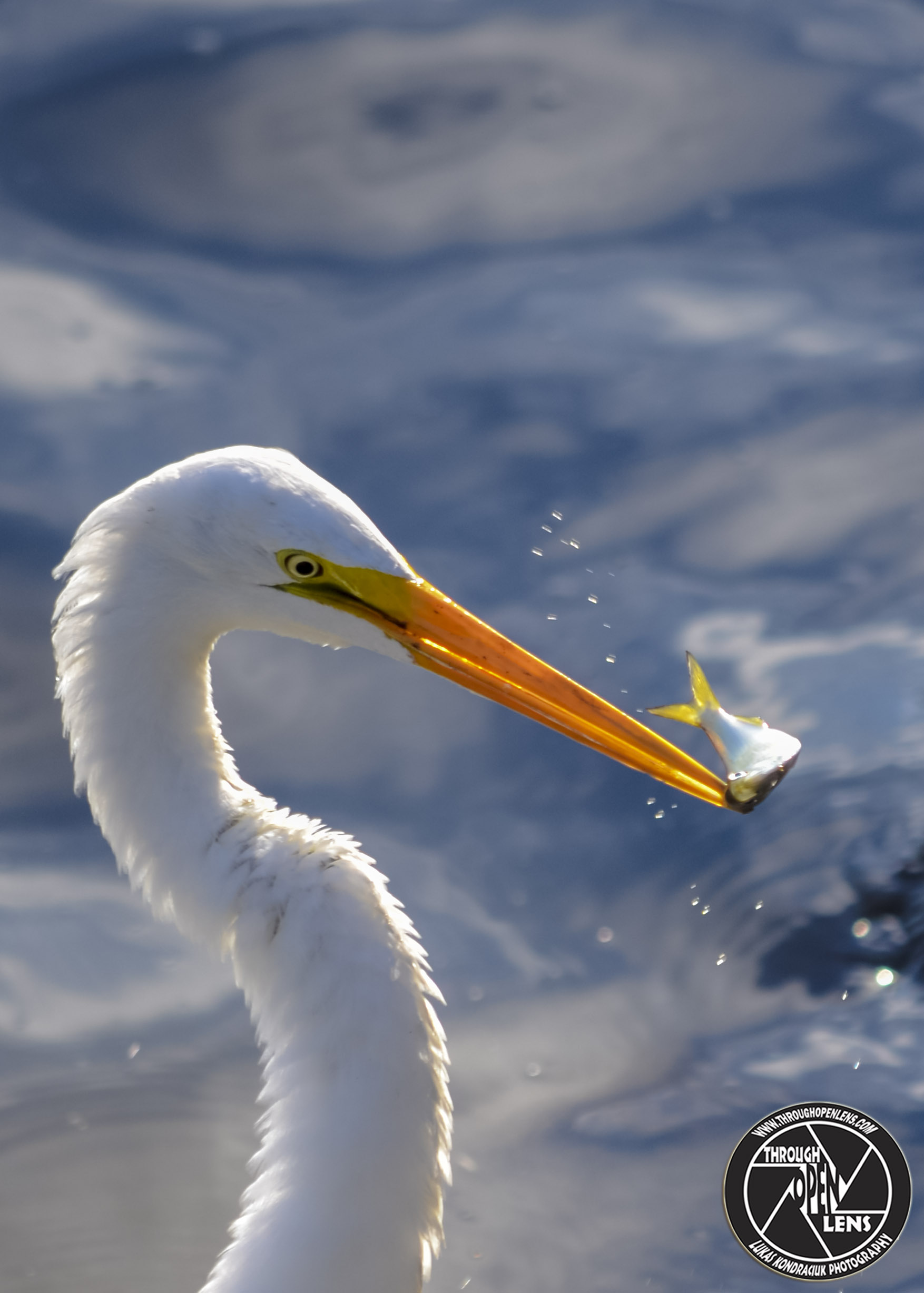
Catch Me If You Can!

F/5.6, 1/500, ISO 200.

Great Egret

What do you call a man with a rubber toe?

Roberto.

Interesting Fact: Though it mainly hunts while wading, the Great Egret occasionally swims to capture prey or hovers (somewhat laboriously) over the water and dips for fish. ( https://www.allaboutbirds.org/guide/Great_Egret

Wazzaap!

F/6.3, 1/145, ISO640.

Turkey Vulture ( Juvenile )

Why are hairdressers never late for work?

Because they know all the short cuts!

Interesting Fact: Outside of the breeding season, Turkey Vultures form roosts of dozens to a hundred individuals. When Turkey Vultures court, pairs perform a “follow flight” display where one bird leads the other through twisting, turning, and flapping flights for a minute or so, repeated over periods as long as 3 hours. Migrating flocks can number in the thousands. At carcasses, several Turkey Vultures may gather but typically only one feeds at a time, chasing the others off and making them wait their turn. Despite their size, Turkey Vultures are often driven off by smaller Black Vultures, Crested Caracaras, Zone-tailed Hawks, and other species. ( https://www.allaboutbirds.org/guide/Turkey_Vulture/lifehistory )

Friday Is My Second Favorite F Word My First Is FOOD Definitely FOOD!

F/11.0, 1/500, ISO 320.

Blue-gray Gnatcatcher

Where does a tree store their stuff?

In there Trunk!

Interesting Fact:  The Blue-gray Gnatcatcher’s grayish coloring and long tail, as well as the way it mixes snippets of other birds’ repertoires into its own high, nasal songs, have earned it the nickname “Little Mockingbird.” ( https://www.allaboutbirds.org/guide/Blue-gray_Gnatcatcher )

I Am On A Seafood Diet. I See Food, And I Eat It.

F/ 6.3, 1/80, ISO 640.

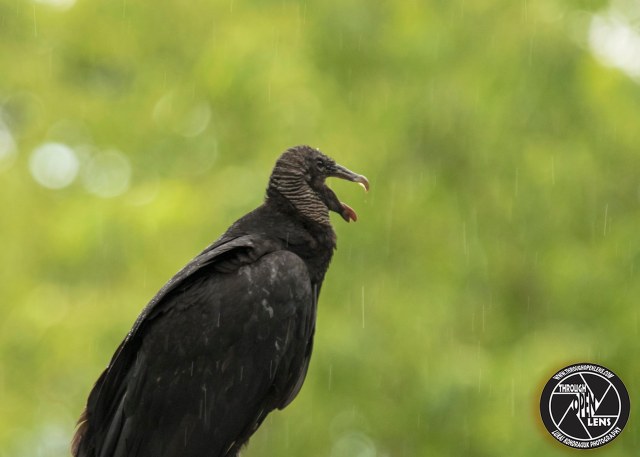
Turkey Vulture

Two vultures are in a field, eating a dead clown.

One vulture says to the other, “Does this taste funny to you?”

Interesting Fact:  Turkey Vultures nest in rock crevices, caves, ledges, thickets, mammal burrows and hollow logs, fallen trees, abandoned hawk or heron nests, and abandoned buildings. These nest sites are typically much cooler (by 13°F or more) than surroundings, and isolated from human traffic or disturbance. While they often feed near humans, Turkey Vultures prefer to nest far away from civilization. ( https://www.allaboutbirds.org/guide/Turkey_Vulture/lifehistory )

Do We Have A Problem Here!

F/6.3, 1/640, ISO800.

American Black Duck

What says “Quick, Quick”?

A duck with the hiccups.

Interesting Fact: If a mother is killed or separated from her brood, another Black Duck with ducklings of her own, regardless of their age, will quickly adopt the orphans. ( http://identify.whatbird.com/obj/392/_/American_Black_Duck.aspx )

Let Me Sing You A Song!

F/6.3, 1/640, ISO 100.

Northern Mockingbird

What’s a monsters favorite desert?

I-Scream!

Interesting Fact: Northern Mockingbirds continue to add new sounds to their repertoires throughout their lives. A male may learn around 200 songs throughout its life. ( https://www.allaboutbirds.org/guide/Northern_Mockingbird/lifehistory )

I’m Looking Forward To The Weekend. Who’s With Me?

F/9.0, 1/320, ISO 400.

White-throated Sparrow

A man asked a waiter. “What is this fly doing in my soup?”

The waiter replied. “It looks like its swimming sir.”

Interesting Fact:  During the breeding season the males are aggressive, chasing each other off their territories. “White-striped” forms tend to be more aggressive than “tan-striped” forms. Later in the breeding season this aggressiveness declines, and by fall White-throated Sparrows form large flocks that forage together. ( https://www.allaboutbirds.org/guide/White-throated_Sparrow/lifehistory  )

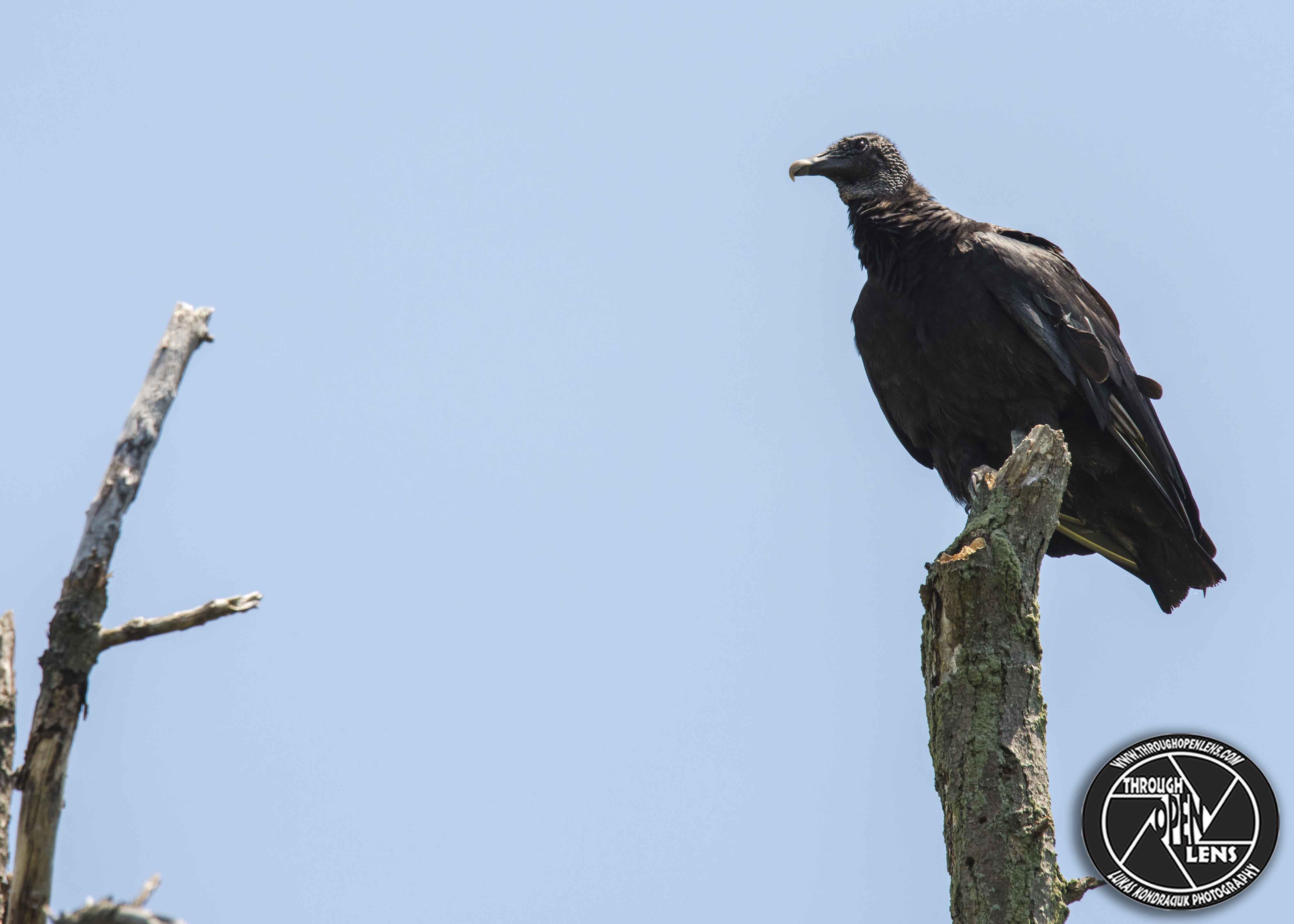
Patience Is Not The Ability To Wait But How You Act While You’re Waiting

F/10.0, 1/400, ISO 400.

Black Vulture

Why can’t you give Elsa a balloon?

Because she will Let it go.

Interesting Fact: Black Vultures lack a voice box and so their vocal abilities are limited to making raspy hisses and grunts. ( https://www.allaboutbirds.org/guide/Black_Vulture/lifehistory )

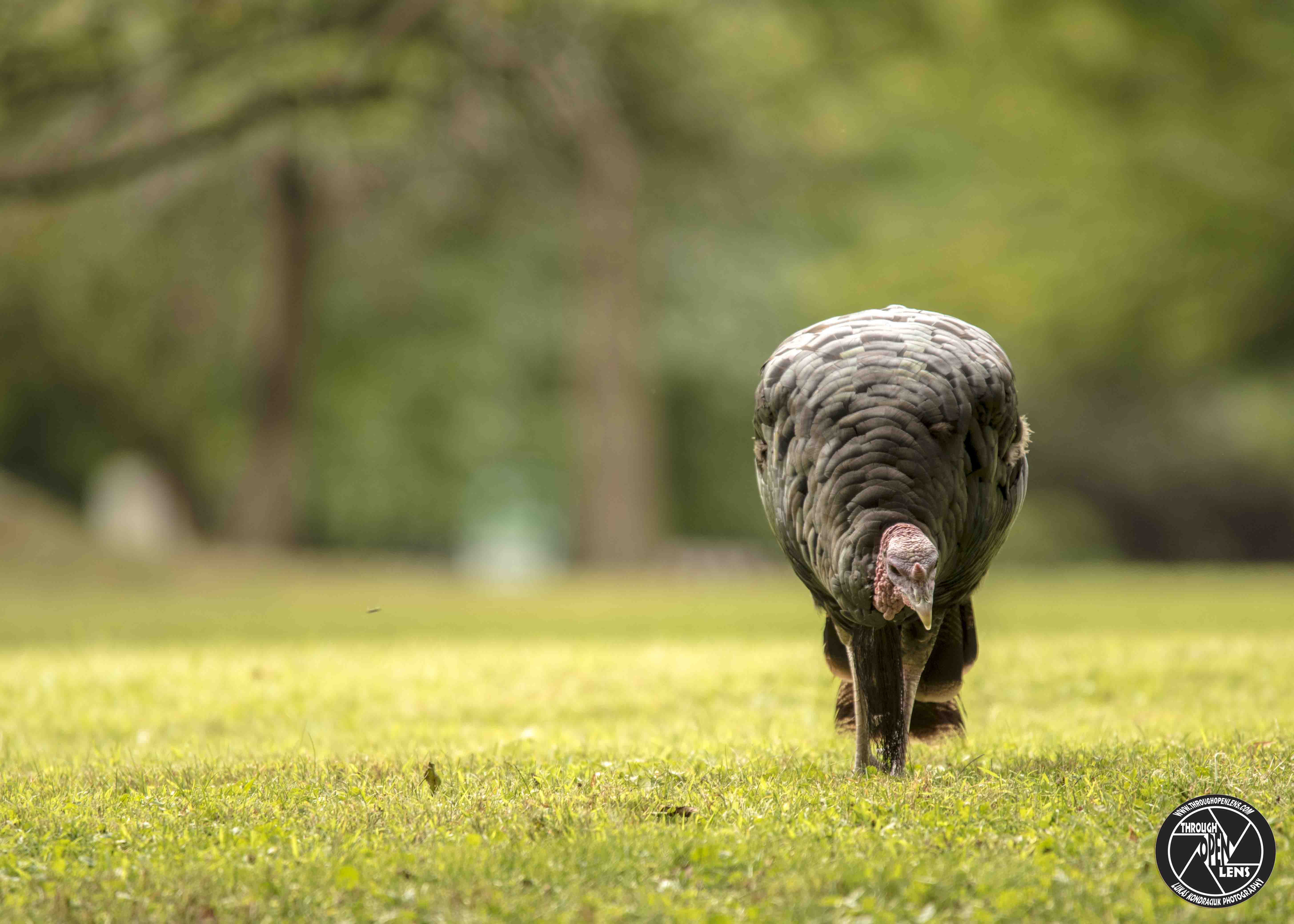
I Am Not A Patient Person

F/7.1, 1/160, ISO 320.

Wild Turkey 

How do you make an egg laugh?

Tell it a yolk.

Interesting Fact: Despite their weight, wild turkeys, unlike their domesticated counterparts, are agile, fast fliers. In ideal habitat of open woodland or wooded grasslands,[20] they may fly beneath the canopy top and find perches. They usually fly close to the ground for no more than 400 m (a quarter mile). ( https://en.wikipedia.org/wiki/Wild_turkey )


You Wanna To Go Bro!

F/7.1, 1/200, ISO 400.

Northern Flickers 

Who do you call when a giant fly attacks the city?

The SWAT team.

Interesting Fact: Nests are generally placed 6-15 feet off the ground, but on rare occasions can be over 100 feet high. Northern Flickers have been known to nest in old burrows of Belted Kingfishers or Bank Swallows. ( https://www.allaboutbirds.org/guide/Northern_Flicker/lifehistory )