Shouting Out The Wrong Part Of The Song With Confidence!

F/7.1, 1/200, ISO 320.

Ovenbird

A wife told her husband to whisper dirty things to her, the husband then replies,

“The kitchen, the living room, the conservatory and the dining room.”

Interesting Fact: On its breeding ground, the Ovenbird divides up the forest environment with the other warblers of the forest floor. The Ovenbird uses the uplands and moderately sloped areas, the Worm-eating Warbler uses the steep slopes, and the Louisiana Waterthrush and the Kentucky Warbler use the low-lying areas. ( https://www.allaboutbirds.org/guide/Ovenbird/lifehistory )

Quack Like You Mean It!

F/14.0, 1/500, ISO 800.

Black Scoter

This guy went to school and he asked
“May I use the bathroom?”
The teacher replied, ” no not unless you say your abc’s.”
The guy said “a b c d e f g h i j k l m n o q r s t u v w x y z.”
The teacher asked “Where’s the p?
He replied, ” running down my leg!”

Interesting Fact:  The Black Scoter occasionally does a “Wing-flap” display while swimming, flapping its wings with its body held up out of the water. Unlike other scoters, it almost always punctuates a Wing-flap with a characteristic downward thrust of head, as if its neck were momentarily broken. Surf and White-winged scoters keep their heads and bills pointing more or less above the horizontal throughout a Wing-flap.  ( https://www.allaboutbirds.org/guide/Black_Scoter/lifehistory )

I Meant To Behave But There Were Too Many Other Options

F/6.3, 1/160, ISO 320.

Nelson’s Sparrow

Did you hear abut the hungry clock?

It went back four seconds.

Interesting Fact: The Nelson’s Sharp-tailed Sparrow formerly was considered the same species as the Saltmarsh Sharp-tailed Sparrow, collectively known as the Sharp-tailed Sparrow. The two forms have separate breeding ranges that barely overlap in Maine. They differ in genetics, songs, and subtle plumage characters. ( https://www.allaboutbirds.org/guide/Nelsons_Sparrow/lifehistory )

TAIL Me What You Think?

F/8.0, 1/250, ISO 200.

Great-tailed Grackle

Why did Frosty the snowman want a divorce?

Because he thought his wife was a flake

Interesting Fact: In winter, enormous flocks of both male and female Great-tailed Grackles gather in “roost trees.” These winter roosts can contain thousands of individuals, with flocks of up to half a million occurring in sugarcane fields in Texas’s Rio Grande Valley. (  https://www.allaboutbirds.org/guide/Great-tailed_Grackle/overview  )

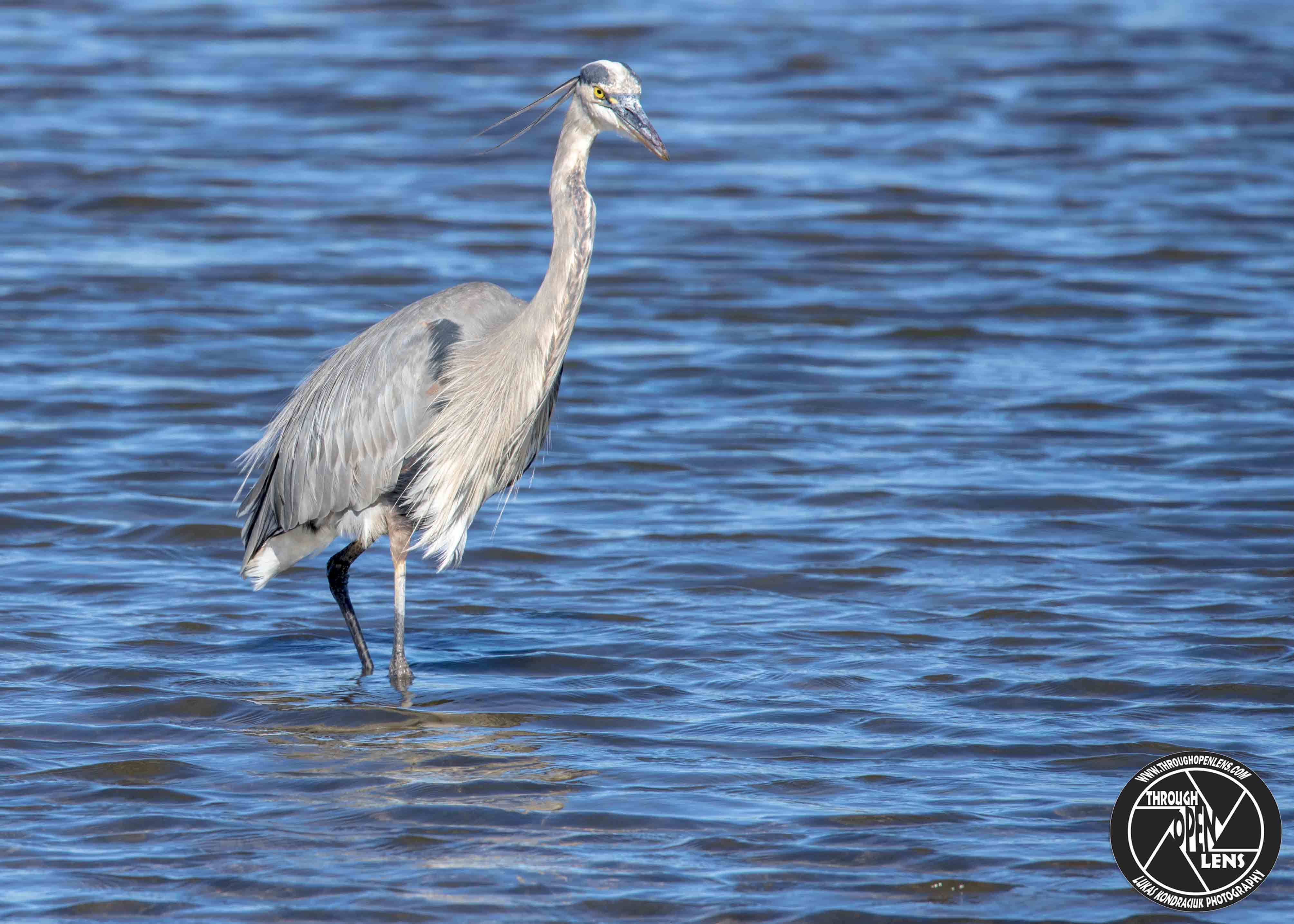
I Enjoy Long Romantic Walks On The Beach

F/10.0, 1/400, ISO 250.

Great Blue Heron 

Why did the fish blush?

Because it saw the ocean’s bottom.

Interesting Fact: Great Blue Herons forage, usually alone, across much of the U.S. This largest of the North American herons wades slowly or stands stock still, peering into the water for prey. In flight the Great Blue Heron folds it neck into an “S” shape and trails its long legs behind, dangling them as it prepares to land or when courting. ( https://www.allaboutbirds.org/guide/Great_Blue_Heron/lifehistory )


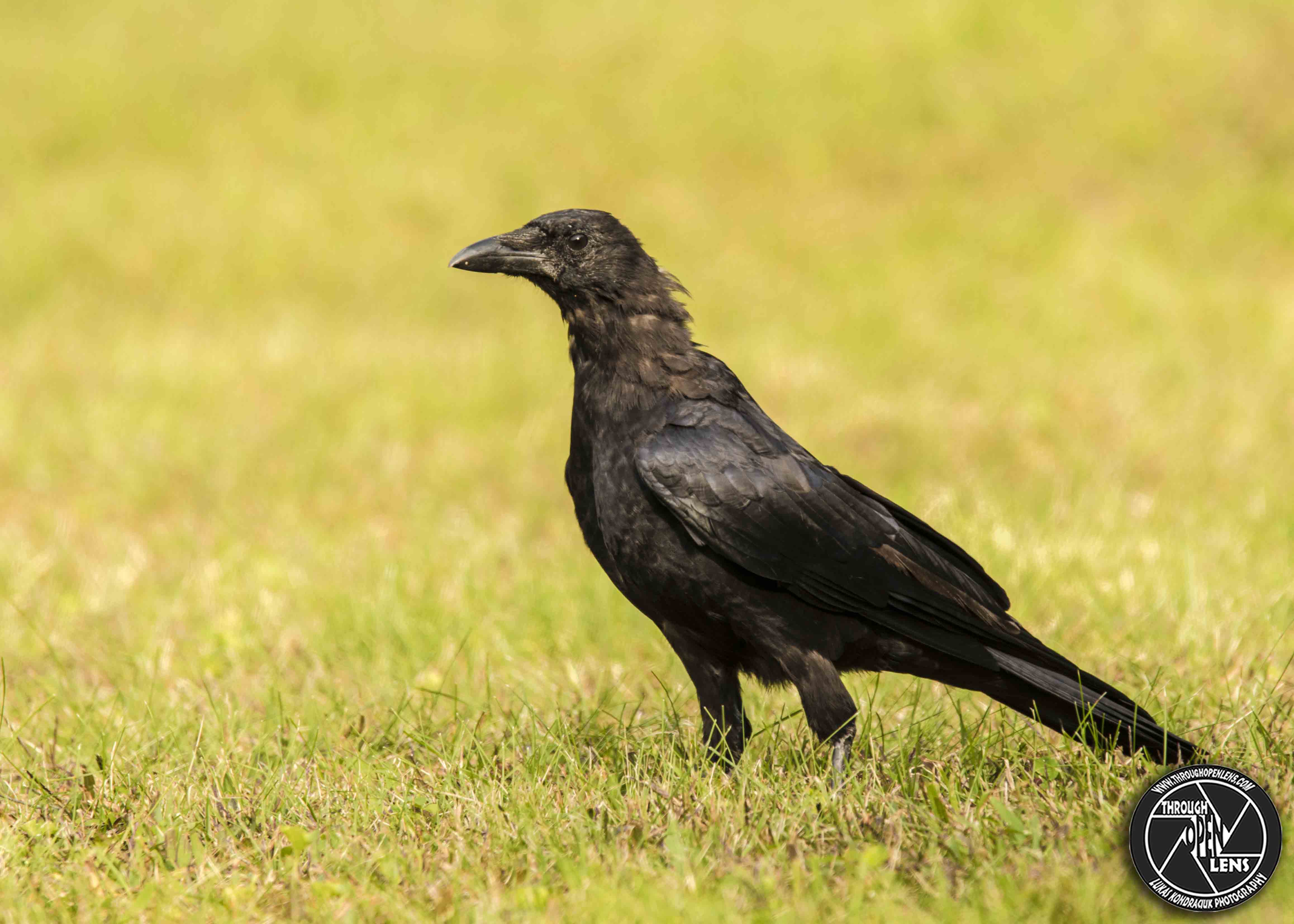
Everyone Is Annoyed With My Singing

F/8.0, 1/250, ISO 250.

American Crow

What did the crow use to break into a car?

A Crowbar.

Interesting Fact: American Crows congregate in large numbers in winter to sleep in communal roosts. These roosts can be of a few hundred up to two million crows. Some roosts have been forming in the same general area for well over 100 years. In the last few decades some of these roosts have moved into urban areas where the noise and mess cause conflicts with people. ( https://www.allaboutbirds.org/guide/American_Crow/lifehistory )

I’ve Always Loved The Idea Of Not Being What People Expect Me To Be

F/ 6.3, 1/160, ISO 200.

Willow Flycatcher

A termite walks into a bar and asks

“Is the bar tender here?”

Interesting Fact: Flycatchers don’t learn their songs from their parents like many other birds. Instead flycatchers hatch knowing their songs. Scientists tested this by raising Willow Flycatchers in captivity while letting them listen to an Alder Flycatcher sing its free beer song. Despite hearing this song all day, Willow chicks grew up to sing their species’ own fitz-bew. ( https://www.allaboutbirds.org/guide/Willow_Flycatcher/lifehistory )

Time To Start Dabbling!

F/10.0, 1/400, ISO 400.

Northern Shoveler 

What do you call a dinosaur that sits on nails?

Megasaurus (mega sore ass).

Interesting Fact: Northern Shoveler pairs are monogamous, and remain together longer than pairs of other dabbling duck species. ( https://www.allaboutbirds.org/guide/Northern_Shoveler/lifehistory )


Be Yourself Everyone Is Already Taken!

F/7.1, 1/200, ISO 320.

Killdeer

Why do golfers wear two pairs of pants?

In case they get a hole in one!

Interesting Fact: Killdeer lay their eggs into an empty nest but add other materials later on. Some of these items they pick up as they are leaving and toss over their shoulder into the nest. In one nest in Oklahoma, people found more than 1,500 pebbles had accumulated this way. ( https://www.allaboutbirds.org/guide/Killdeer/lifehistory )


The Fish Was This Big! I Swear!

F/7.1, 1/200, ISO 320.

Canada Goose

What does a pig put on its paper cut?

Oinkment!

Interesting Fact:  At least 11 subspecies of Canada Goose have been recognized, although only a couple are distinctive. In general, the geese get smaller as you move northward, and darker as you go westward. The four smallest forms are now considered a different species: the Cackling Goose. ( https://www.allaboutbirds.org/guide/Canada_Goose/lifehistory )