Bottoms Up!

F/9.0, 1/320, ISO 250.

Killdeer

What did the apple tree say to the farmer?

STOP PICKING ON ME!

Interesting Fact:  The male and female of a mated pair pick out a nesting site through a ritual known as a scrape ceremony. The male lowers his breast to the ground and scrapes a shallow depression with his feet. The female then approaches, head lowered, and takes his place. The male then stands with body tilted slightly forward, tail raised and spread, calling rapidly. Mating often follows. ( https://www.allaboutbirds.org/guide/Killdeer )

Always Stretch Before Swimming!

F/11.0, 1/500, ISO 500.

Ruddy Duck

What is crazy and walks along the sides of buildings?

A walnut.

Interesting Fact: Ruddy Ducks are very aggressive toward each other and toward other species, especially during the breeding season. Unlike most ducks, they form pairs only after arriving on the breeding grounds each year. ( https://www.allaboutbirds.org/guide/Ruddy_Duck/lifehistory )

They Were Born To Fly And Touch The Sky

F/13.0, 1/640, ISO 400.

Semipalmated Sandpipers

What is a bunny’s favorite music?

Hip-hop.

Interesting Fact: The Semipalmated Sandpiper gets its common name from the short webs between its toes (“palmated” means webbed). The Western Sandpiper is the only other small sandpiper with similarly webbed toes. ( https://www.allaboutbirds.org/guide/Semipalmated_Sandpiper/lifehistory )

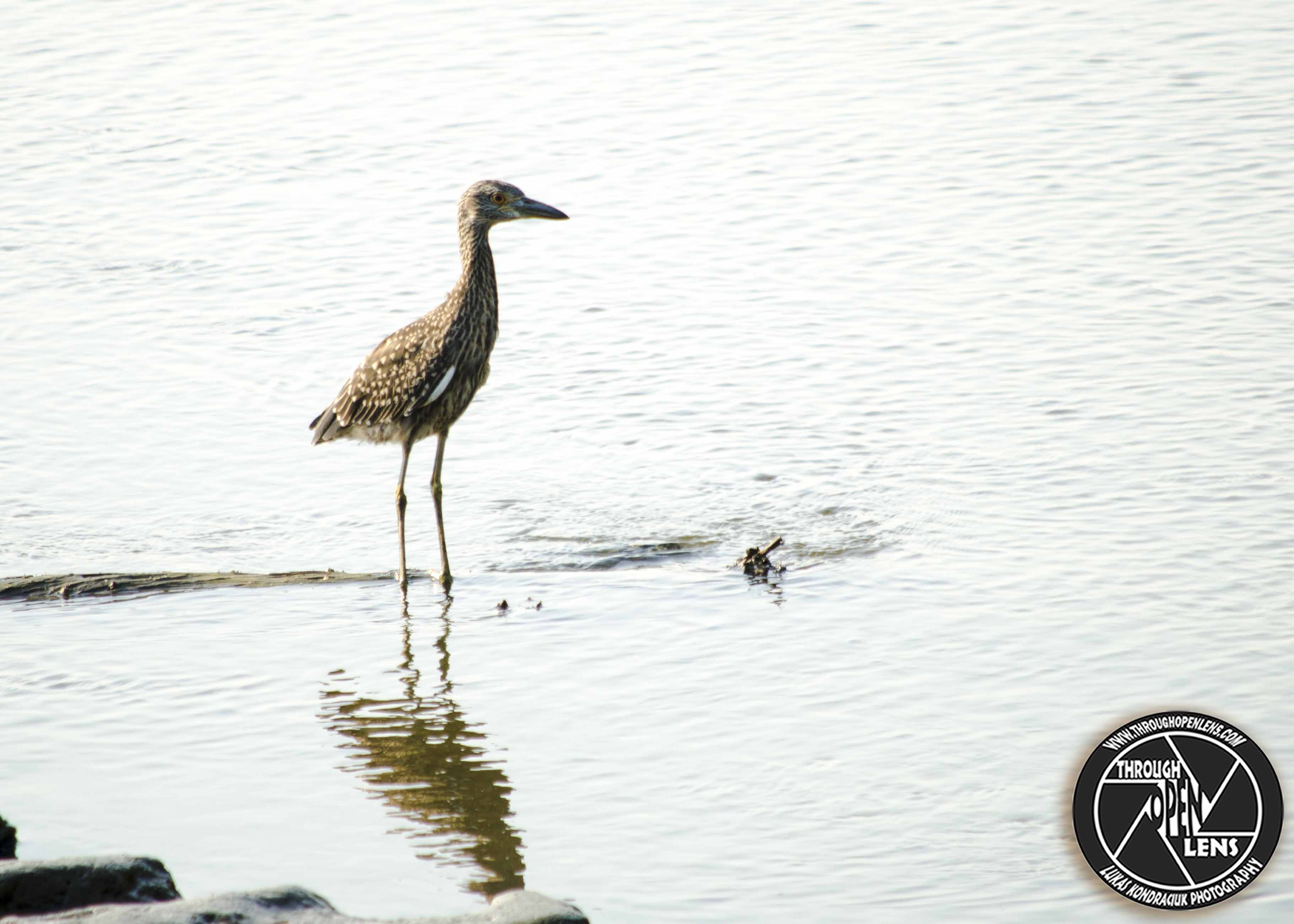
This Water Is Freezing!!!

F/5.6, 1/500, ISO 100.

Yellow-crowned Night-Heron ( Juvenile )

Why did the boy eat his homework?

Because his teacher said it was a piece of cake!

Interesting Fact: Yellow-crowned Night-Herons forage both during the day and at night—in coastal areas the tide can trump the time of day: most foraging occurs from 3 hours before high tide to 3 hours after. ( https://www.allaboutbirds.org/guide/Yellow-crowned_Night-Heron/lifehistory )


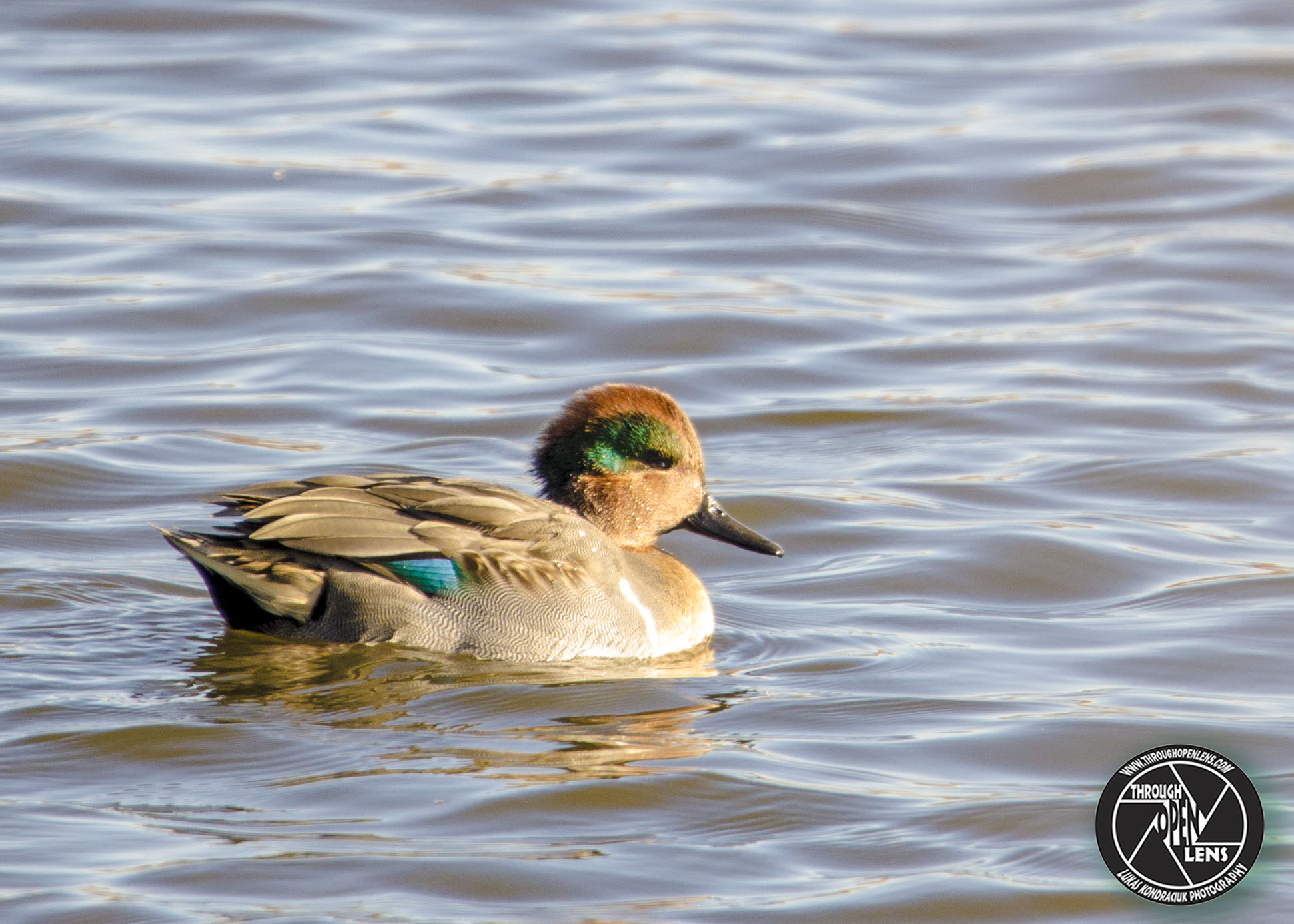
Be Like A Duck And QUACK!

F/6.3, 1/400, ISO 400.

Green-Winged Teal

How do you make a tissue dance?

Put a little boogie in it.

Interesting Fact: The Aleutian Islands of Alaska support their own race of Green-winged Teal, Anas crecca nimia. Unlike other Green-winged Teal populations, this race doesn’t migrate. In winter the birds move from summering sites on ponds and lakes to the islands’ beaches, where they forage in tide pools and on shallow-water reefs. ( https://www.allaboutbirds.org/guide/Green-winged_Teal/lifehistory )

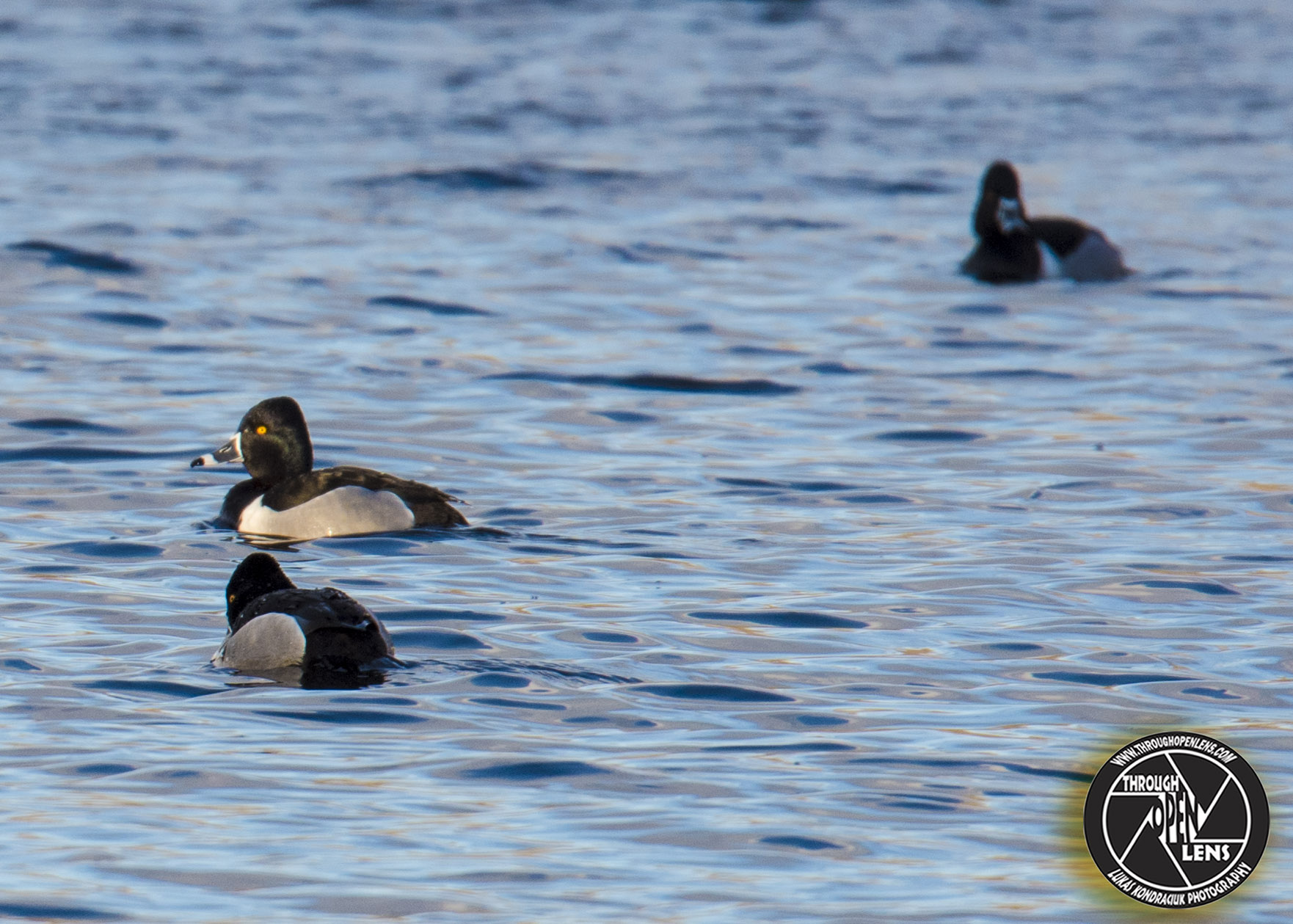
I Quack You Quack We Quack Together

F/10.0, 1/400, ISO 320.

Ring-necked Ducks

Why did the old woman put roller skates on her rocking chair?

Because she wanted to rock and roll.

Interesting Fact: This bird’s common name (and its scientific name “collaris,” too) refer to the Ring-necked Duck’s hard-to-see chestnut collar on its black neck. It’s not a good field mark to use for identifying the bird, but it jumped out to the nineteenth century biologists that described the species using dead specimens.  ( https://www.allaboutbirds.org/guide/Ring-necked_Duck/lifehistory )


Your Worries Will Float Away

gadwall

F/6.3,1/250, ISO 400.

Gadwall

Why are bad school grades like a shipwreck in the Arctic Ocean?

They’re both below C level!

Interesting Fact: Gadwall have increased in numbers since the 1980s, partly because of conservation of wetlands and adjacent uplands in their breeding habitat through the Conservation Reserve Program and the North American Waterfowl Management Plan. Their habit of nesting on islands within marshes gives them some protection from predators. ( https://www.allaboutbirds.org/guide/Gadwall/lifehistory )

Is Yellow Really The Color For Me?!

savannah-sparrow

F/10.0, 1/400, ISO 500.

Savannah Sparrow   

What can you catch but not in your hands?

A cold!

Interesting Fact: In many parts of the species’ range, especially in coastal areas and islands, Savannah Sparrows tend very strongly to return each year to the area where they hatched. This tendency, called natal philopatry, is the driving force for differentiation of numerous Savannah Sparrow subspecies. ( https://www.allaboutbirds.org/guide/Savannah_Sparrow/lifehistory )

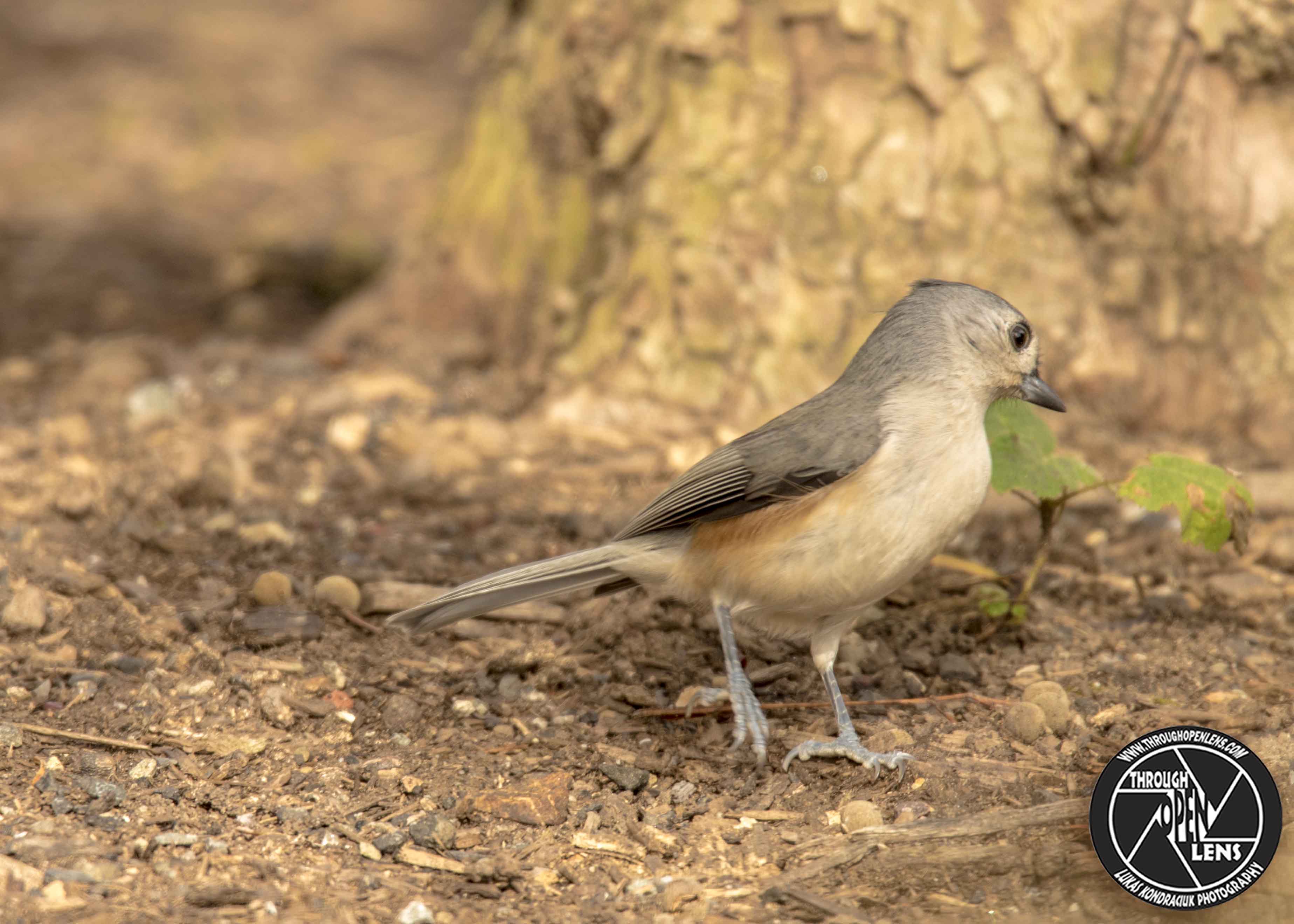
Well…, I Don’t Believe You!

F/7.1, 1/200, ISO 320.

Tufted Titmouse

A tourist was being led through the swamps of Florida.

“Is it true,” he asked, “that an alligator won’t attack you if you carry a flashlight?”

“That depends,” replied the guide, “on how fast you carry the flashlight.”

Interesting Fact: The oldest known wild Tufted Titmouse was at least 13 years, 3 months old. It was banded in Virginia in 1962, and found in the same state in 1974. ( https://www.allaboutbirds.org/guide/Tufted_Titmouse/lifehistory )

I Don’t Stalk. I Investigate!

F/7.1, 1/200, ISO 320.

Black-and-white Warbler 

What do you call a guy who never farts in public?

A private tutor.

Interesting Fact: The Black-and-white Warbler is the only member of the genus Mniotilta. The genus name means “moss-plucking,” a reference to its habit of probing bark and moss for insects.  ( https://www.allaboutbirds.org/guide/Black-and-white_Warbler )