
F/8.0, 1/1000, ISO 200.
Black-crowned Night-Heron
What did the big chimney say to the little chimney?
“You’re too young to smoke.”

F/8.0, 1/1000, ISO 200.
Black-crowned Night-Heron
What did the big chimney say to the little chimney?
“You’re too young to smoke.”
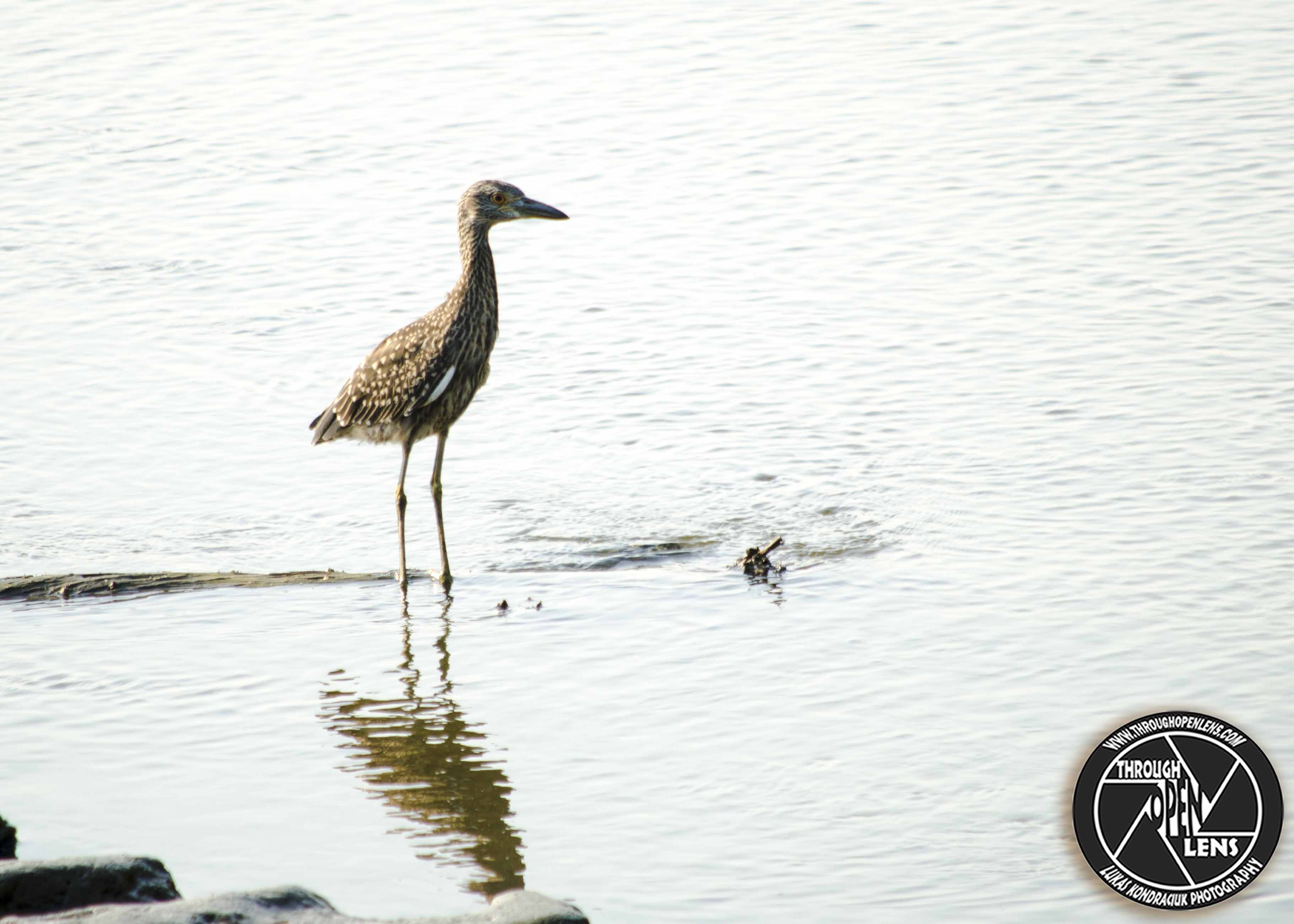
F/5.6, 1/500, ISO 100.
Yellow-crowned Night-Heron ( Juvenile )
Why did the boy eat his homework?
Because his teacher said it was a piece of cake!
Interesting Fact: Yellow-crowned Night-Herons forage both during the day and at night—in coastal areas the tide can trump the time of day: most foraging occurs from 3 hours before high tide to 3 hours after. ( https://www.allaboutbirds.org/guide/Yellow-crowned_Night-Heron/lifehistory )
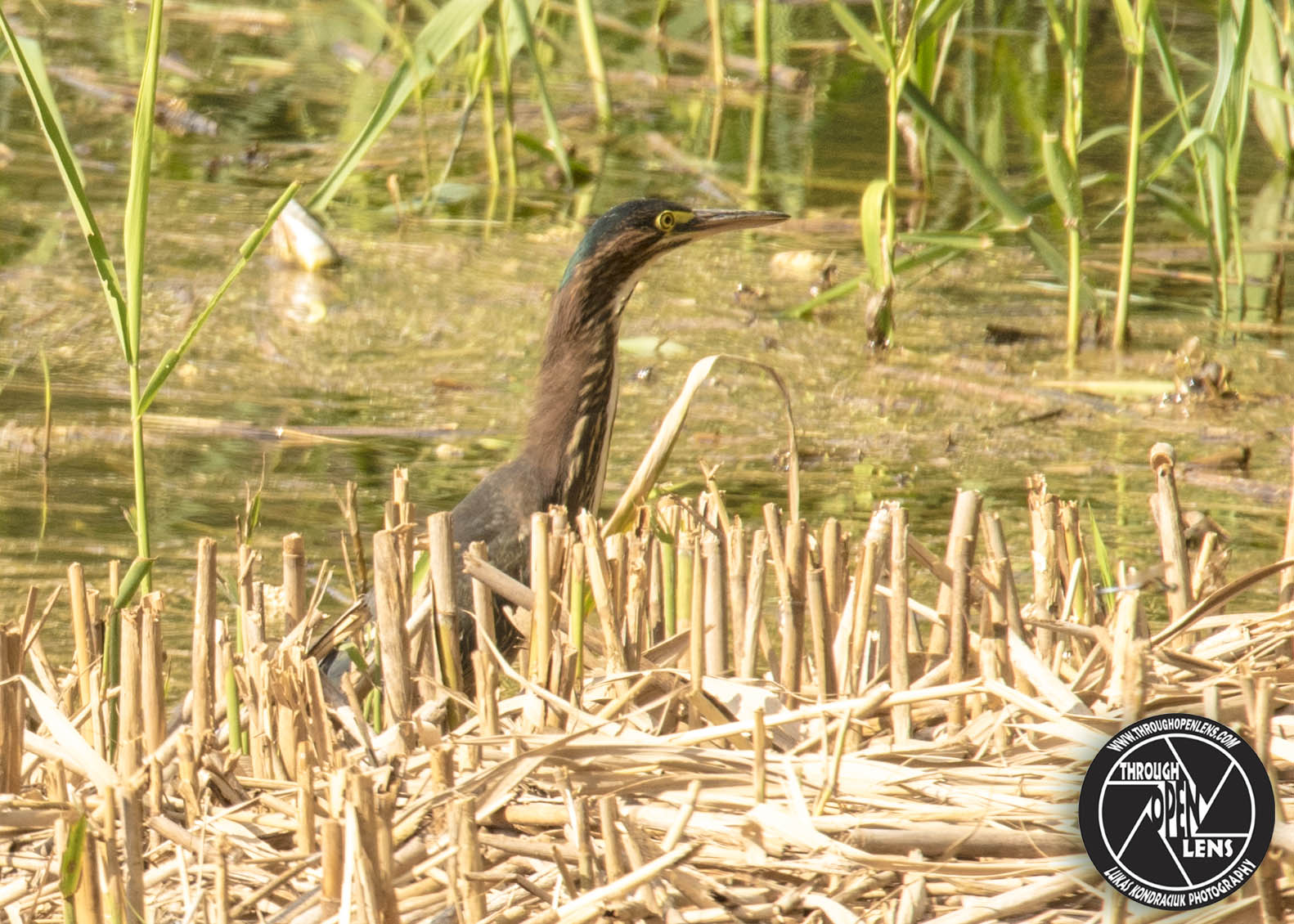
F/9.0, 1/320, ISO 250.
Green Heron
Why are ghosts so bad at lying?
Because you can see right through them!
Interesting Fact: Green Herons usually hunt by wading in shallow water, but occasionally they dive for deep-water prey and need to swim back to shore—probably with help from the webs between their middle and outer toes. One juvenile heron was seen swimming gracefully for more than 60 feet, sitting upright “like a little swan,” according to one observer. ( https://www.allaboutbirds.org/guide/Green_Heron/lifehistory )
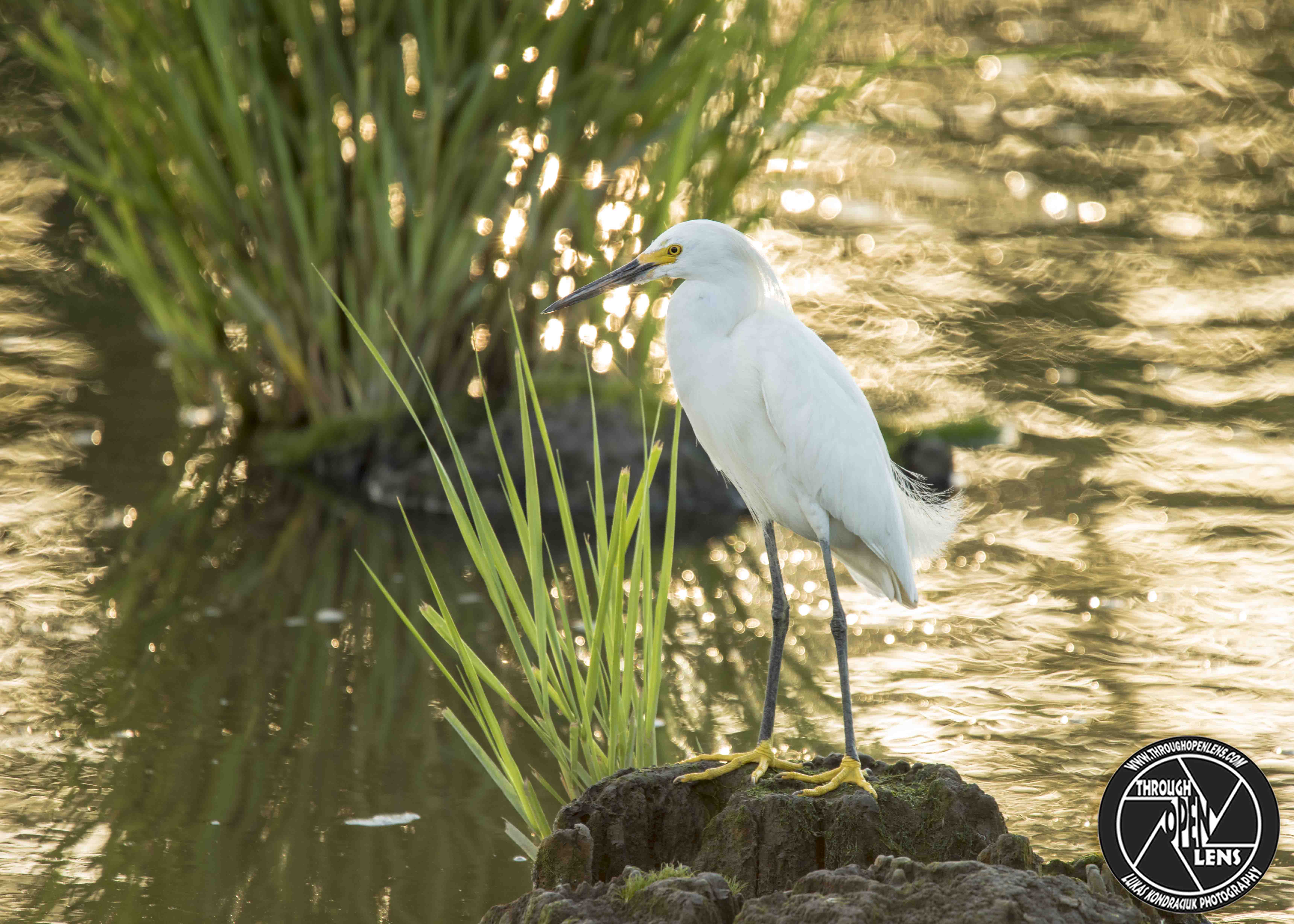
F/6.3, 1/160, ISO 250.
Snowy Egret
What does a pig put on its paper cut?
Oinkment!
Interesting Fact: The Snowy Egret eats mostly aquatic animals, including fish, frogs, worms, crustaceans, and insects. It often uses its bright yellow feet to paddle in the water or probe in the mud, rounding up prey before striking with its bill. Snowy Egrets feed while standing, walking, running, or hopping, and they may vibrate their bills, sway their heads, or flick their wings as part of prey gathering. They even forage while hovering. ( https://www.allaboutbirds.org/guide/Snowy_Egret/lifehistory )

F/9.0, 1/250, ISO 320.
Great Blue Heron
Why did the chicken disappoint his mother.
He wasn’t what he was cracked up to be!
Interesting Fact: Great Blue Herons eat nearly anything within striking distance, including fish, amphibians, reptiles, small mammals, insects, and other birds. They grab smaller prey in their strong mandibles or use their dagger-like bills to impale larger fish, often shaking them to break or relax the sharp spines before gulping them down. ( https://www.allaboutbirds.org/guide/Great_Blue_Heron/lifehistory )

F/9.0, 1/320, ISO 160.
Great Egret
Why are pirates so mean?
I don’t know, they just arrrrrrrrr!
Interesting Fact: Males choose the display areas, where nests are later constructed. The nest itself is up to 100 feet off the ground, often over water, usually in or near the top of a shrub or tree such as a redwood, tamarisk, live oak, eastern redcedar, yaupon holly, wax myrtle, mangrove, Australian pine, buttonwood, Brazilian pepper, black willow, or privet. Great Egrets occasionally nest on the ground or on artificial platforms. ( https://www.allaboutbirds.org/guide/Great_Egret/lifehistory )

F/8.0, 1/250, ISO 320.
Great Blue Heron
Why did the policeman smell bad?
He was on duty.
Interesting Fact: Great Blue Herons nest mainly in trees, but will also nest on the ground, on bushes, in mangroves, and on structures such as duck blinds, channel markers, or artificial nest platforms. Males arrive at the colony and settle on nest sites; from there, they court passing females. Colonies can consist of 500 or more individual nests, with multiple nests per tree built 100 or more feet off the ground. ( https://www.allaboutbirds.org/guide/Great_Blue_Heron/lifehistory )

F/9.0, 1/320, ISO 160.
Green Heron
Where do bees go to the bathroom?
At the BP station!
Interesting Fact: Both the male and female brood and feed the chicks, which may stay with their parents for more than a month after leaving the nest, as they learn to forage. Green Herons protect their feeding areas by driving away other species, such as American Coots, that approach too closely. ( https://www.allaboutbirds.org/guide/Green_Heron/lifehistory )

F/ 6.3, 1/1000, ISO 640.
Great Blue Heron
A magician was performing on cruise ship and each night while performing his pet parrot keeps saying:
“its up his sleeve”
” its in his pocket”.
“its in his shoe”.
“in his pants”.
Etc. and the magician was loosing his patience. one night while performing his tricks the ships boilers blew and the ship sank, the lucky magician was able to grab onto a ships table and float on the sea for a few days. the parrot in the mean time seemed non plussed and was looking quizzically at the magician for a few days whilst drifting. On the 4th day the parrots looks at his master and says:
“I give up… what did you do with the ship?”
Interesting Fact: Great Blue Herons have specialized feathers on their chest that continually grow and fray. The herons comb this “powder down” with a fringed claw on their middle toes, using the down like a washcloth to remove fish slime and other oils from their feathers as they preen. Applying the powder to their underparts protects their feathers against the slime and oils of swamps. ( https://www.allaboutbirds.org/guide/Great_Blue_Heron/lifehistory )

F/6.3, 1/6, ISO 100.
Great Blue Heron
Why couldn’t the pirate play cards?
Because he was sitting on the deck!
Interesting Fact: Great Blue Herons generally move away from the northern edge of their breeding range in winter, with some flying as far south as the Caribbean. Populations in the Pacific Northwest and south Florida are present year-round. ( https://www.allaboutbirds.org/guide/Great_Blue_Heron/maps-range )
 Through Open Lens