Life Is Only A Reflection Of What We Allow Ourselves To See

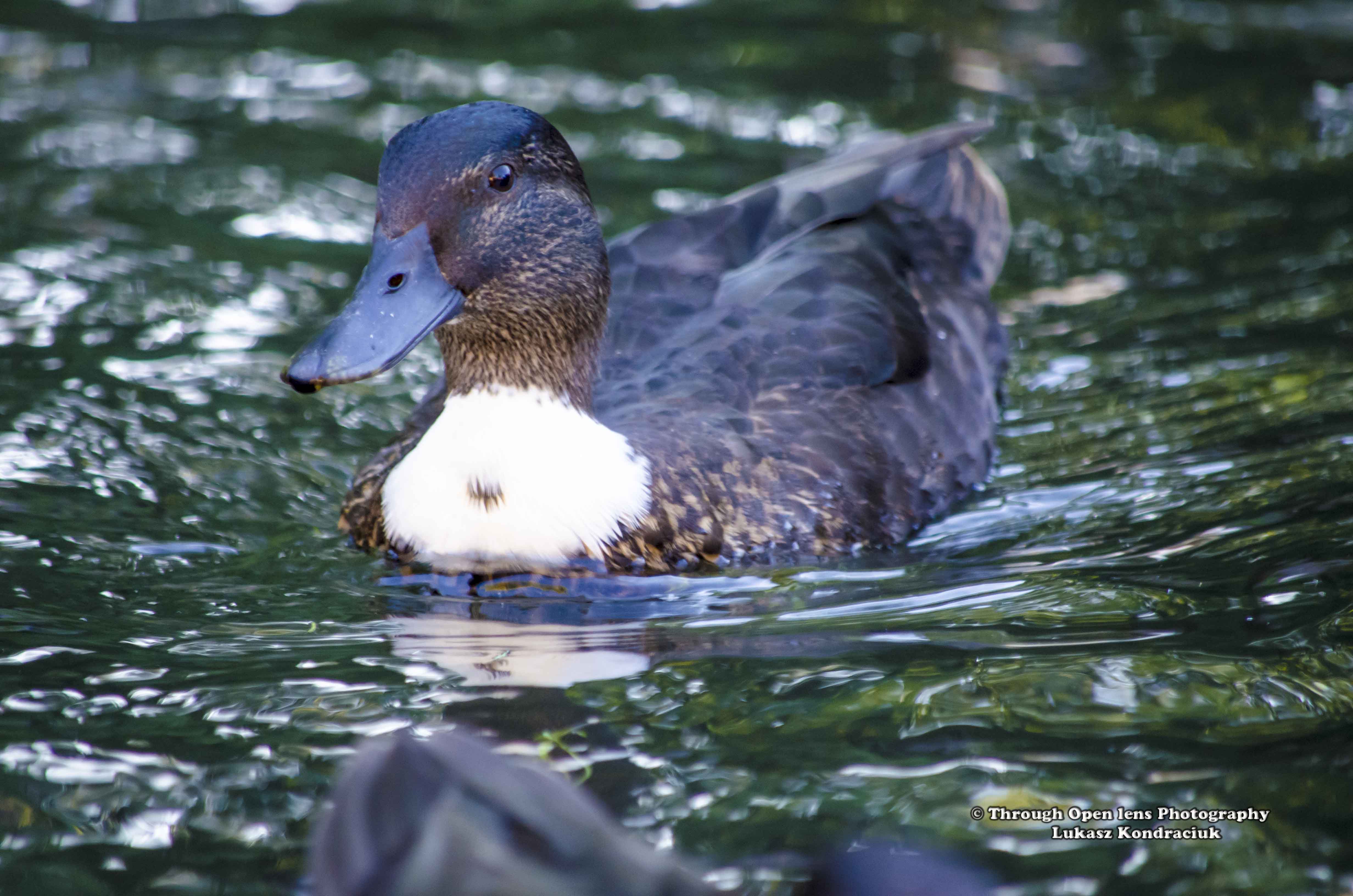
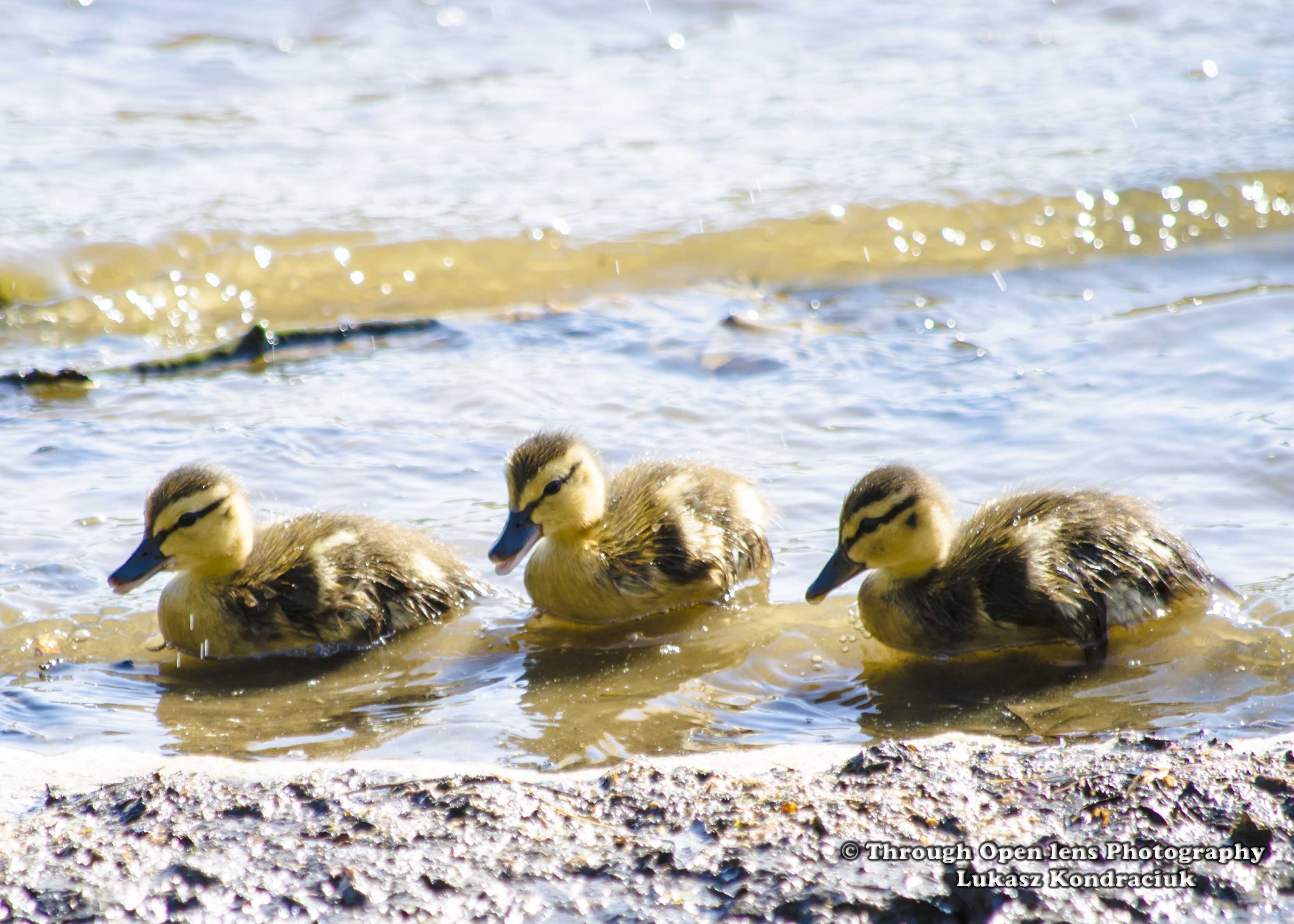
mallard-5

F/7.1, 1/200, ISO 320.

Mallard

A duck waddles into a card shop, he waddles his way to the front desk asking the clerk, Do you got any tape?

The clerk replies, No. So the duck waddles away. The very next day at the same time the same duck waddles into the Card Shop he waddles right up to that same clerk asking him, Do you have any tape?

The clerk looking irritated replying in a stern voice, No! We are a card shop we sell cards not tape! And if you ask me again I will nail your bill to the counter!

So the duck just waddles away. At the same time the next day the Duck is waddling into that same card shop He waddles right up to that same clerk asking him, do you have any nails? The clerk says, no. Then the duck replied good!! So do you have any tape?

Interesting Fact: Mallard pairs form long before the spring breeding season. Pairing takes place in the fall, but courtship can be seen all winter. Only the female incubates the eggs and takes care of the ducklings. ( https://www.allaboutbirds.org/guide/Mallard/lifehistory )
Be Like A Duck. Remain Calm On The Surface And Paddle Like Hell Underneath.

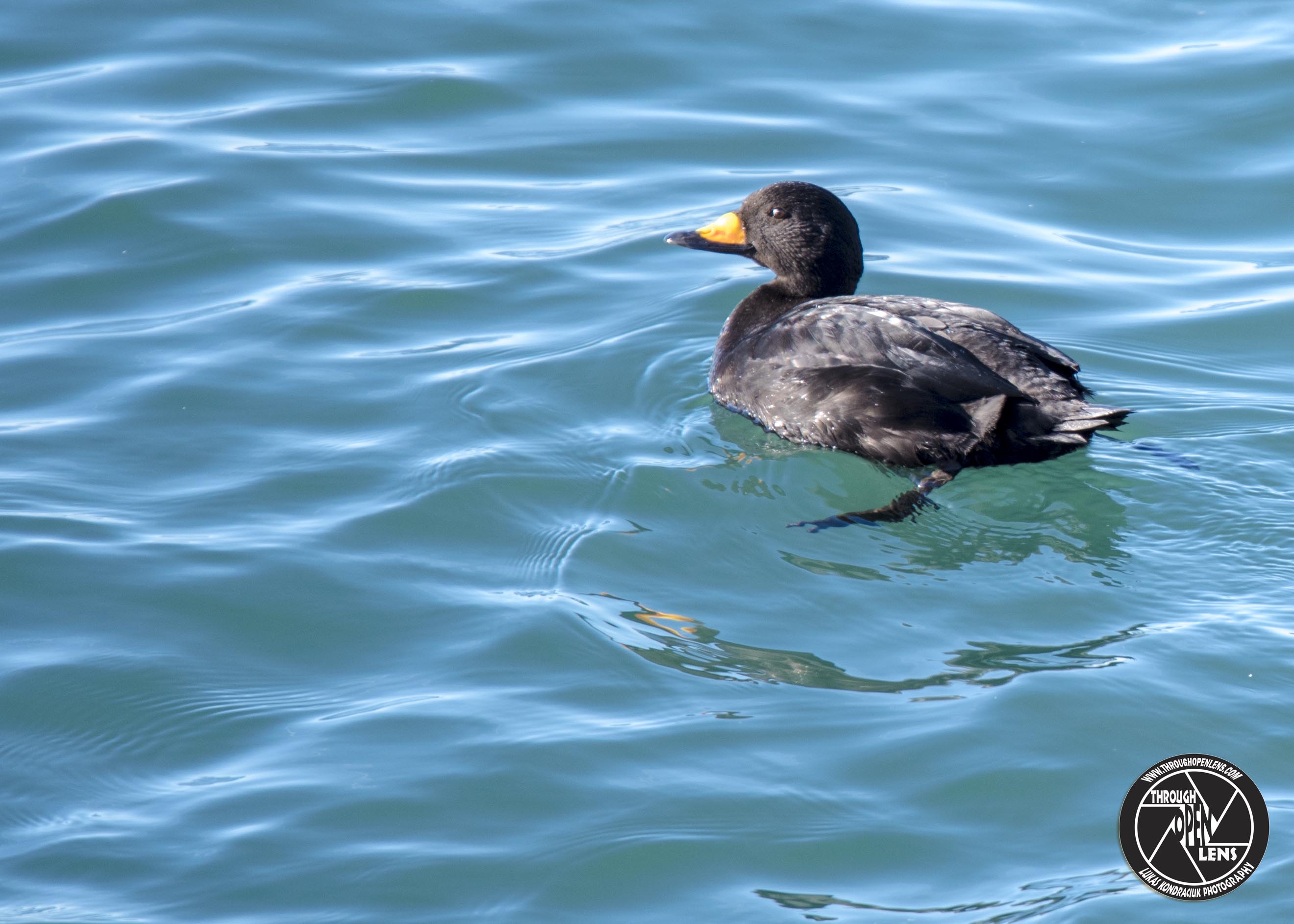
F/7.1, 1/200, ISO 200.

Black Scoter

What did the blanket say when it fell off the bed?

Oh sheet.

Interesting Facts: This species dives for crustaceans and molluscs while migrating or wintering on the sea-coasts, and feeds on insects and their larvae, especially caddisflies, fish eggs and, more rarely, vegetation such as duck weed while nesting on freshwater. It forms large flocks on suitable coastal waters in winter quarters. These are tightly packed, and the birds tend to take off together; in the breeding season they are less social. It has been suggested that in coastal waters this species prefers sheltered embayments, and possibly waters that include some mixed depths. ( https://en.wikipedia.org/wiki/Black_scoter )


Dont Be Afraid to Stick Your Neck Out!

F/9.0, 1/320, ISO 320.

Ring-necked Duck

Why is it hard for a ghost to tell a lie?

Because you can see right through him.

Interesting Fact:  Ring-necked Ducks feed by diving underwater, rather than by tipping up as “dabbling” ducks do. When diving, they leap forward in an arc to plunge underwater, and they swim using only their feet for propulsion. ( https://www.allaboutbirds.org/guide/Ring-necked_Duck/lifehistory )

A Little Mud Never Hurt Anyone!

F/10.0, 1/400, ISO 320.

Northern Pintail Ducks

What did one tube of glue say to the other tube of glue?

We have to stick together.

Interesting Fact: Males and females also lift their chins to greet each other and sometimes tip their chins when threatened. Pairs form on the wintering grounds, but males often mate with other females on the breeding grounds, and pairs only stay together for a single breeding season. Courting males stretch their necks up and tip their bills down while giving a whistle call. Males also preen behind their wing to expose the green speculum. Interested females follow males with head bobbing, preening, and clucking. ( https://www.allaboutbirds.org/guide/Northern_Pintail/lifehistory )


Steady As She Goes!

F/6.3, 1/500, ISO 250.

Northern Pintail Duck

What did the salad say to the fridge?

Shut the door, I’m dressing!

Interesting Fact: Seemingly at home on land and water, Northern Pintails waddle through fields and swim gracefully with the tail pointed upwards. They erupt in flight from the water’s surface at a moment’s notice, wheeling and darting through the air on their slender wings.  ( https://www.allaboutbirds.org/guide/Northern_Pintail/lifehistory )


I Don’t Give A Duck!

F/10.0, 1/400, ISO 250.

Bufflehead Duck male

Why was the snowman looking through the carrots?

He was picking his nose!

Interesting Fact: During the winter, look for these tiny, black-and-white ducks in sheltered coves along the Atlantic or Pacific coast, or on inland ponds in southern North America. While foraging they spend half their time underwater, so scan carefully and patiently. ( https://www.allaboutbirds.org/guide/Bufflehead/ )


Blue Ducky Wants To Quacky!

Swedish Blue

F/5.6, 125, ISO 125.

Swedish Blue

Why was the computer tired when he got home?

Because he had a hard drive.

Interesting Fact: The Swedish Blue (Swedish: Svensk blå anka)[4] or Blue Swedish is a breed of domesticated duck which emerged during the 19th century in Swedish Pomerania, near the Baltic shores of the what is now modern Germany and Poland.[5] Within the American Standard of Perfection, the “blue” is the only variety of the breed “Swedish”. ( https://en.wikipedia.org/wiki/Swedish_Blue#Description )


Quack Pack!

American Black Ducks

F/5.6, 1/320, ISO 100.

American Black Ducks

What’s the best way to ship duck eggs?

Put them in a quacker barrel.

Interesting Fact: As soon as their down feathers dry, newly hatched ducklings are able to leave the nest, a depression on the ground lined with plant materials. They follow their mother to rearing areas with a lot of invertebrates to eat and plenty of vegetation for cover. ( https://www.allaboutbirds.org/guide/American_Black_Duck/lifehistory )

That’s Quacktastic !

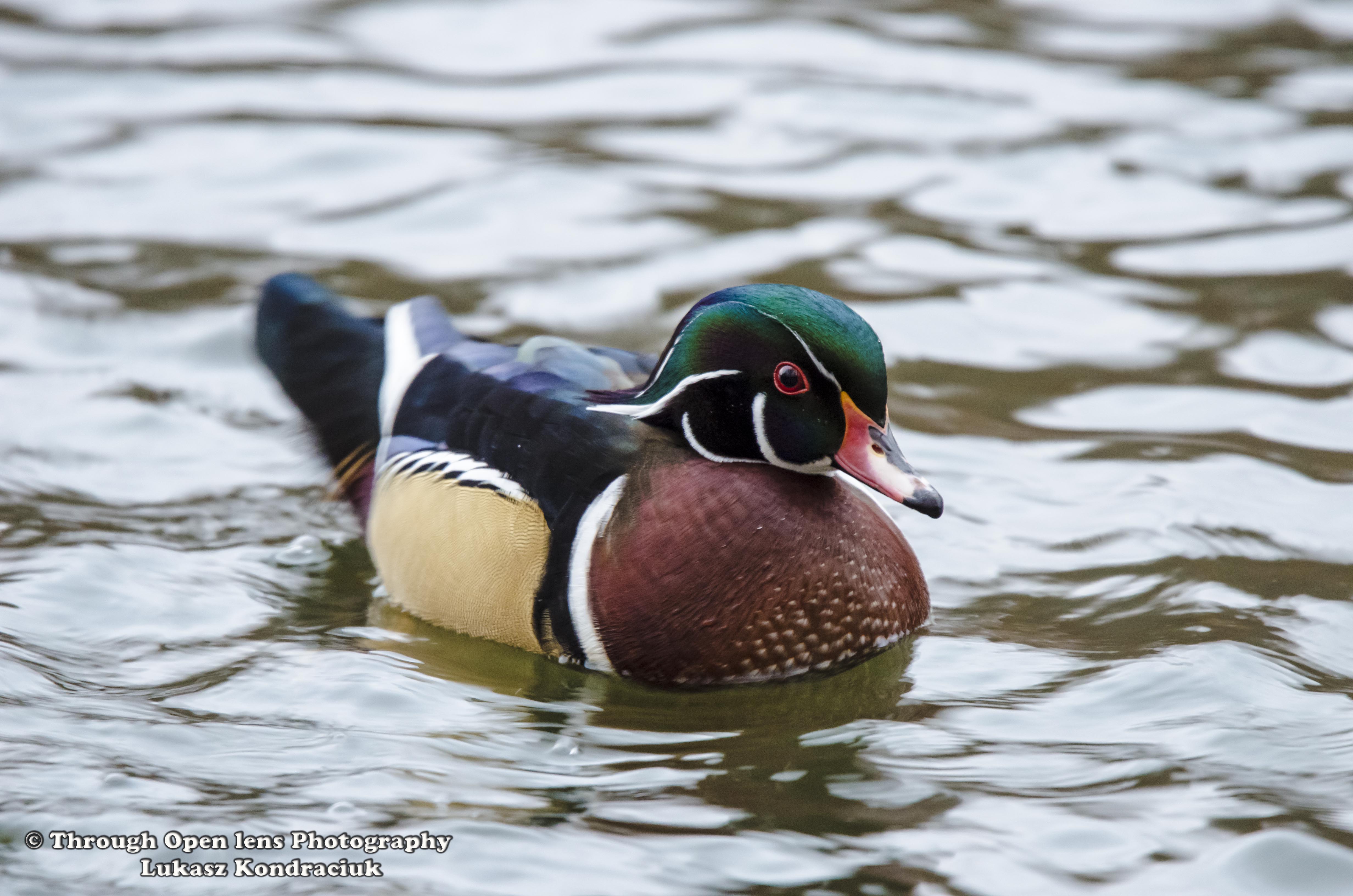
Wood Duck

F/ 6.3, 1/40, ISO 1600.

Wood Duck

Duck Week Continues!

What do you get when you cross a duck with a computer?

A quackintosh.

Interesting Fact: Wood Ducks pair up in January, and most birds arriving at the breeding grounds in the spring are already paired. The Wood Duck is the only North American duck that regularly produces two broods in one year. ( https://www.allaboutbirds.org/guide/Wood_Duck/lifehistory )

You Don’t Know Quack!

Ruddy Duck 1

F/ 13.0, 1/640, ISO 800.

Ruddy Duck

Day 298 / 365

A man and a duck are walking down the street together. Suddenly the man notices a low-flying airplane coming right for them. The man yells “DUCK!!!!” and the duck looks back at the man with an angry face and yells “MAN!!!!”

Interesting Fact: Ruddy Ducks are very aggressive toward each other and toward other species, especially during the breeding season. They are even known to chase rabbits feeding on the shore. ( https://www.allaboutbirds.org/guide/Ruddy_Duck/lifehistory )