Even Though You’re Fed Up. You Gotta Keep Your Head Up.

F/10.0, 1/400, ISO 250.

Double-crested Cormorant 

What do you call someone without a nose or a body?

Nobodynose.

Interesting Fact: Both Double-crested Cormorant mates work on the nest, with the male bringing most of the material and the female doing the building. The nest is mostly made of finger-size sticks, with some seaweed and flotsam, and lined with grass. Nests are 1.5 to 3 feet in diameter and 4 to 17 inches high; ground nests tend to be wider than tree nests, but tree nests have deeper interiors. Breeding cormorants readily steal nesting materials from a nearby nest that’s not guarded. ( https://www.allaboutbirds.org/guide/Double-crested_Cormorant/lifehistory )

I Have A Leg Up On You

F/10.0, 1/400, ISO 250.

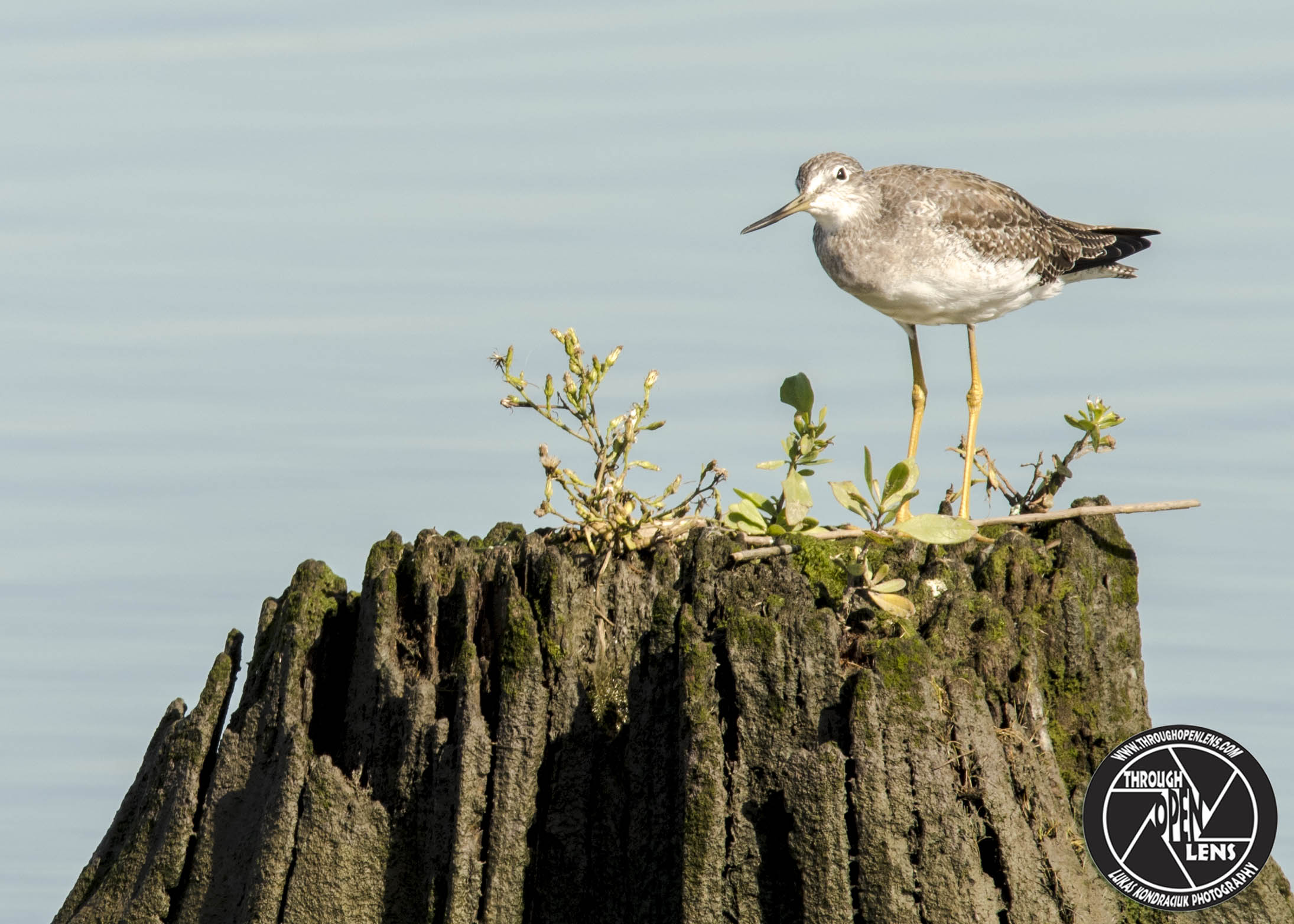
Greater Yellowlegs

Ghosts are hard to impress.

They boo everything.

Interesting Fact: Their breeding habitat is bogs and marshes in the boreal forest region of Canada and Alaska. They nest on the ground, usually in well-hidden locations near water. The three to four eggs average 50 mm (2.0 in) in length and 33 mm (1.3 in) in breadth and weigh about 28 g (0.99 oz). The incubation period is 23 days. The young leave the nest within 24 hours of hatching and then leave the vicinity of the nest within two days.( https://en.wikipedia.org/wiki/Greater_yellowlegs )

Life Always Offers You A Second Chance. It’s Called Tomorrow.

F/10.0, 1/400, ISO 250.

Greater Yellowlegs

Beer Bottle: You break me, you get 1 year of bad luck!

Mirror: You kiddin’ me? You break me, then you will get 7 years of bad luck! 

Condom: Hahaha… (Condom walks off laughing)

Interesting Fact: These birds forage in shallow water, sometimes using their bills to stir up the water. They mainly eat insects and small fish, as well as crustaceans and marine worms. It often walks in sand or mud and leaves clear tracks; it can be possible to gather information about this species using its tracks. ( https://en.wikipedia.org/wiki/Greater_yellowlegs )

Being Small Works For Me!

F/5.6, 1/500, ISO 220.

Least Sandpiper

Why did the teddy bear say no to dessert?

Because he was stuffed.

Interesting Fact: The Least Sandpiper is the smallest shorebird in the world, weighing in at about 1 ounce and measuring 5-6 inches long. Males are slightly smaller than females. ( https://www.allaboutbirds.org/guide/Least_Sandpiper )

Be Different!

F/5.6, 1/500, ISO 360.

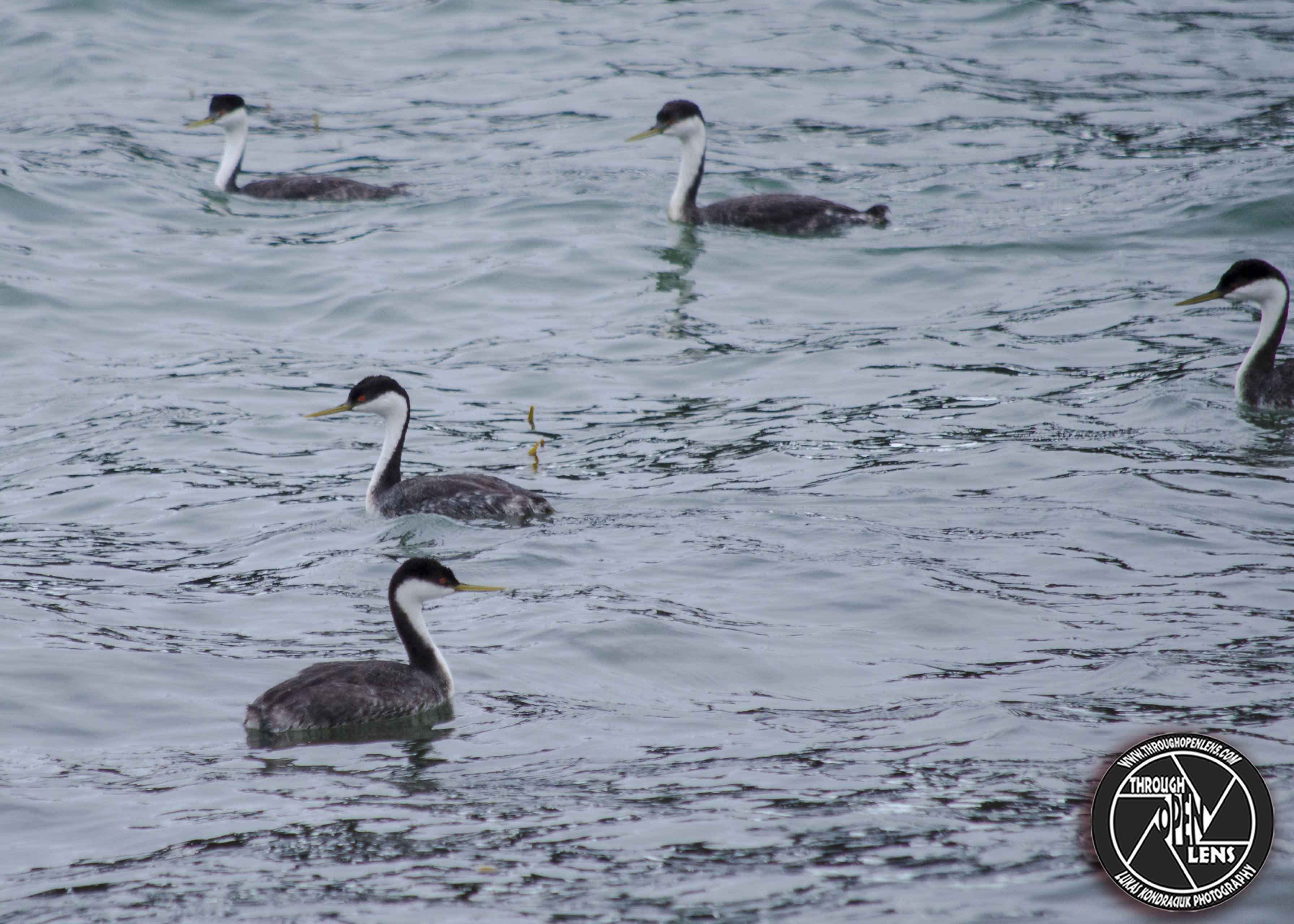
Western-Grebe

Why did the traffic light turn red?

You would too if you had to change in the middle of the street!

Interesting Fact:  The Western Grebe, like other grebes, spends almost all its time in water and is very awkward when on land. The legs are so far back on the body that walking is very difficult. Western Grebes are adept swimmers and divers. Courtship happens entirely in the water, including a well-known display known as “rushing,” where two birds turn to one side, lunge forward in synchrony, their bodies completely out of the water, and race across the water side by side with their necks curved gracefully forward. ( https://www.allaboutbirds.org/guide/Western_Grebe/lifehistory )

Where Does The Itch Goes After You Scratch It?

canada-goose-itch

F/6.3, 1/640, ISO 200.

Canada Goose

What do you call a pig that does karate?

A pork chop.

Interesting Fact: Some migratory populations of the Canada Goose are not going as far south in the winter as they used to. This northward range shift has been attributed to changes in farm practices that makes waste grain more available in fall and winter, as well as changes in hunting pressure and changes in weather. ( https://www.allaboutbirds.org/guide/Canada_Goose/lifehistory )

Mine! Mine! Mine! Mine! Mine! Mine!

ring-billed-gulls

F/5.6, 1/320, ISO 400.

Ring-billed Gull             

What do you call a man with seagull on his head?

Cliff

Interesting Fact: Migrating Ring-billed Gulls apparently use a built-in compass to navigate. When tested at only two days of age, chicks showed a preference for magnetic bearings that would take them in the appropriate direction for their fall migration. The gulls also rely on landmarks and high-altitude winds to provide directional cues.  ( https://www.allaboutbirds.org/guide/Ring-billed_Gull/lifehistory )

Always Stretch Before Swimming!

F/11.0, 1/500, ISO 500.

Ruddy Duck

What is crazy and walks along the sides of buildings?

A walnut.

Interesting Fact: Ruddy Ducks are very aggressive toward each other and toward other species, especially during the breeding season. Unlike most ducks, they form pairs only after arriving on the breeding grounds each year. ( https://www.allaboutbirds.org/guide/Ruddy_Duck/lifehistory )

Be Like A Duck And QUACK!

F/6.3, 1/400, ISO 400.

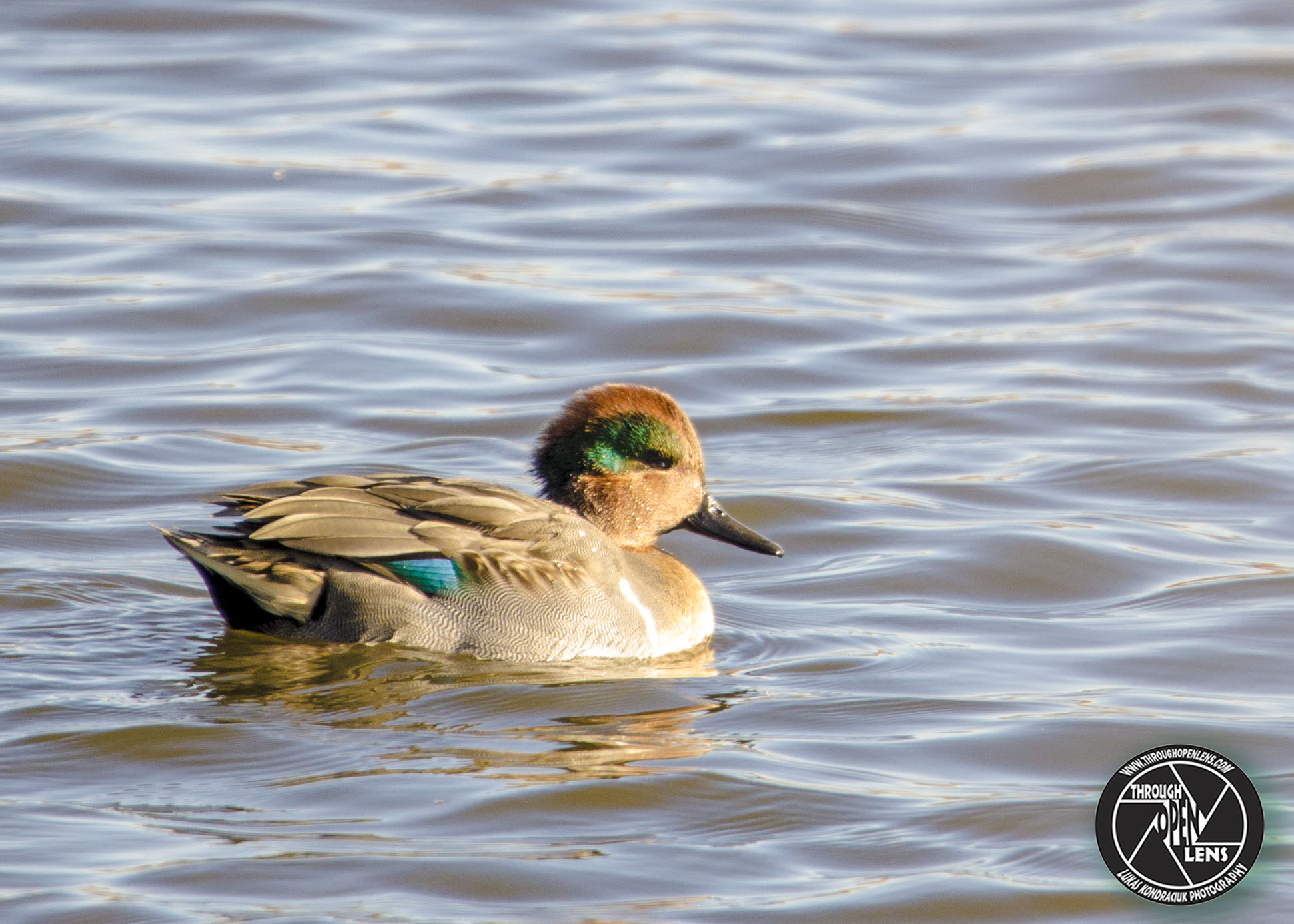
Green-Winged Teal

How do you make a tissue dance?

Put a little boogie in it.

Interesting Fact: The Aleutian Islands of Alaska support their own race of Green-winged Teal, Anas crecca nimia. Unlike other Green-winged Teal populations, this race doesn’t migrate. In winter the birds move from summering sites on ponds and lakes to the islands’ beaches, where they forage in tide pools and on shallow-water reefs. ( https://www.allaboutbirds.org/guide/Green-winged_Teal/lifehistory )

I Quack You Quack We Quack Together

F/10.0, 1/400, ISO 320.

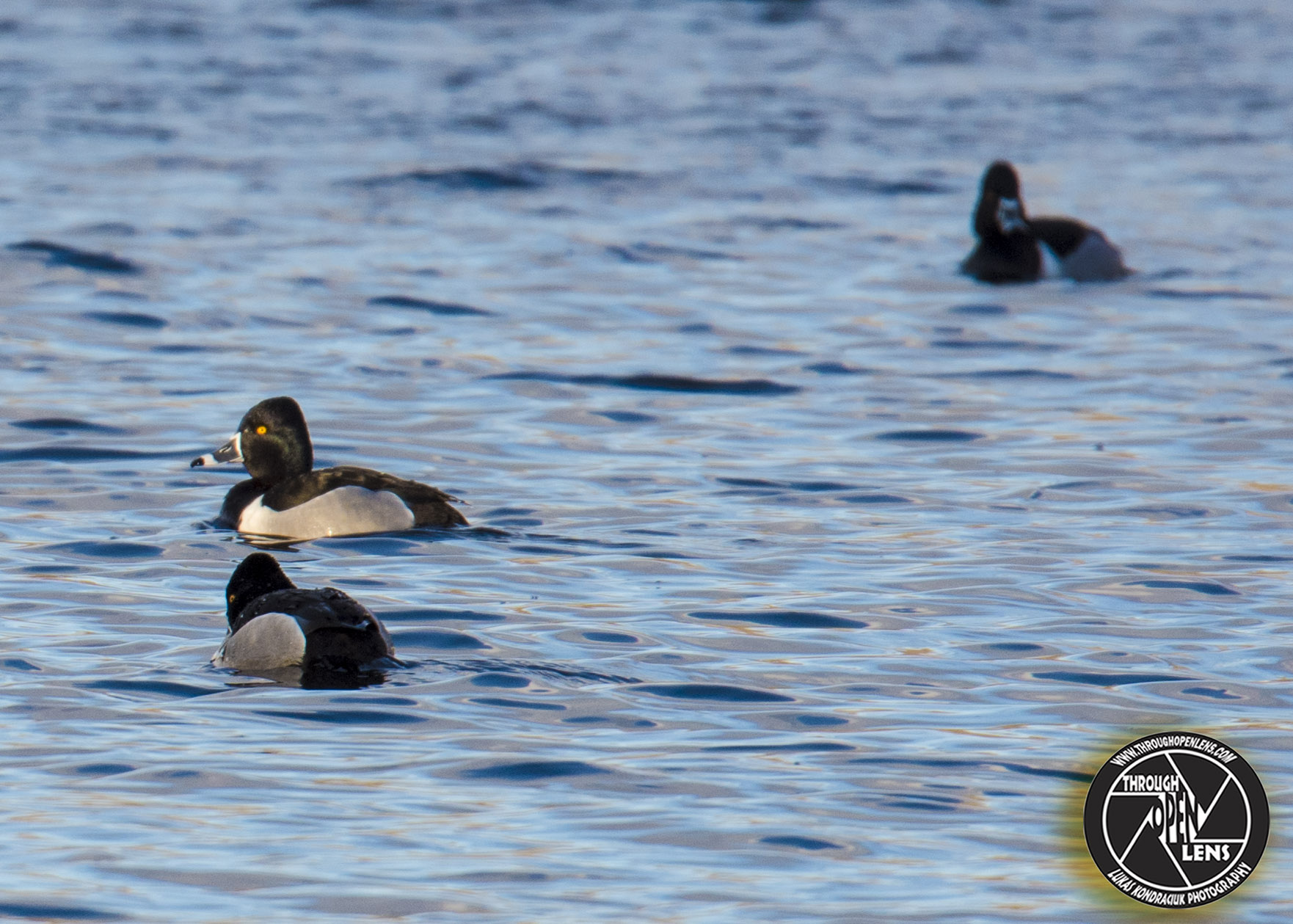
Ring-necked Ducks

Why did the old woman put roller skates on her rocking chair?

Because she wanted to rock and roll.

Interesting Fact: This bird’s common name (and its scientific name “collaris,” too) refer to the Ring-necked Duck’s hard-to-see chestnut collar on its black neck. It’s not a good field mark to use for identifying the bird, but it jumped out to the nineteenth century biologists that described the species using dead specimens.  ( https://www.allaboutbirds.org/guide/Ring-necked_Duck/lifehistory )