Yes, How Can I Help You?

F/11.0, 1/500, ISO 320.

Ruby-crowned Kinglet

What is the difference between a school teacher and a train?

The teacher says spit your gum out and the train says “chew chew chew”.

Interesting Fact: Ruby-crowned Kinglets seem nervous as they flit through the foliage, flicking their wings nearly constantly. Keeping an eye out for this habit can be a useful aid to identifying kinglets. ( https://www.allaboutbirds.org/guide/Ruby-crowned_Kinglet/lifehistory )

PAUSE For A Moment And REFLECT

F/9.0, 1/320, ISO 320.

Red breasted Merganser 

What did E.T.’s mother say to him when he got home?

Where on Earth have you been?

Interesting Fact: The female creates a depression on the ground that she covers with dead grasses, forming a shallow bowl. She plucks down feathers from her breast to help insulate the nest. ( https://www.allaboutbirds.org/guide/Red-breasted_Merganser/lifehistory )


Always Be Yourself… Unless You Can Be A Duck… Then Always Be A Duck.

F/8.0, 1/250, ISO 200. 

Red-breasted Merganser 

Two men meet on opposite sides of a river.

One shouts to the other, “I need you to help me get to the other side!”

The other guy replies, “You’re on the other side!”

Interesting Fact: Red-breasted Mergansers are among the fastest flying ducks, clocking speeds of up to 81 miles per hour.  ( https://www.allaboutbirds.org/guide/Red-breasted_Merganser/lifehistory )


Bad Hair Day: Ain’t Nobody Got Time For That!

F/9.0, 1/320, ISO 200.

Red-breasted Mergansers 

Can February March?

No, but April May.

Interesting Fact:Red-breasted Mergansers nest along forested riverbanks, marsh edges, lakeshores, coastal islands, and sandy shores with vegetation. They are never far from water. Female Red-breasted Mergansers select a spot on the ground under dense cover from low tree branches, fallen logs, or boulders. They nest alone or in colonies often with gulls and terns. ( https://www.allaboutbirds.org/guide/Red-breasted_Merganser/lifehistory )


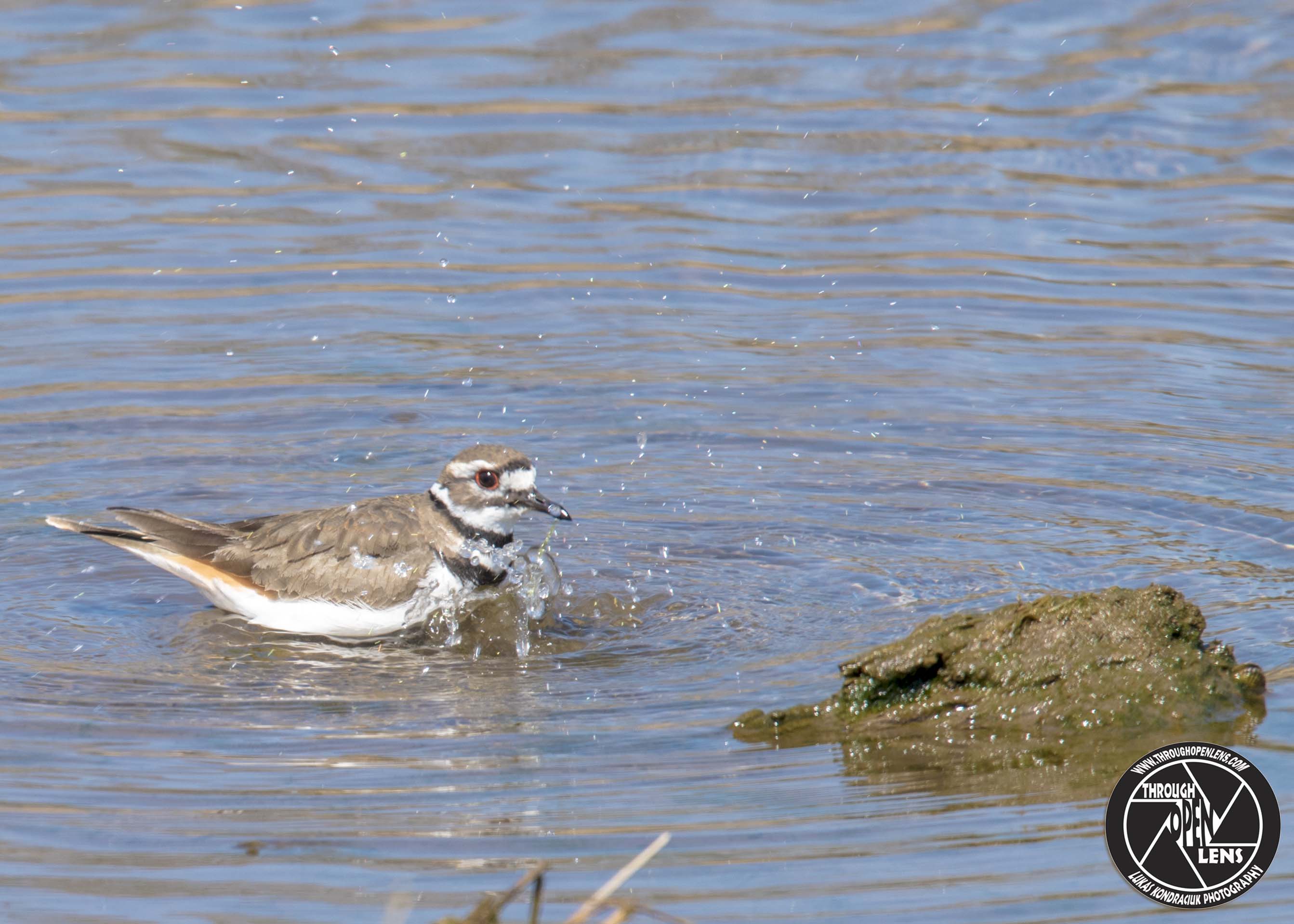
Make A Splash!

F/9.0, 1/320, ISO 200.

Killdeer

How does a man take a bubble bath?

He eats beans for dinner.

Interesting Fact: Often seen in dry, flat landscapes, running and halting on the ground in search of insects and earthworms. Although the Killdeer is common around human habitation it is often shy, at first running away rather than flying. ( https://www.allaboutbirds.org/guide/Killdeer/lifehistory )

There Is No “We” In Food, So Get Away From Me.

F/9.0, 1/320, ISO 320.

Palm Warbler

What did the janitor say when he jumped out of the closet?

“SUPPLIES!”

Interesting Fact: Despite its tropical sounding name, the Palm Warbler lives farther north than most other warblers. It breeds far to the north in Canada, and winters primarily in the southern United States and northern Caribbean. ( https://www.allaboutbirds.org/guide/Palm_Warbler/lifehistory )

If You Can’t Convince Them, Confuse Them.

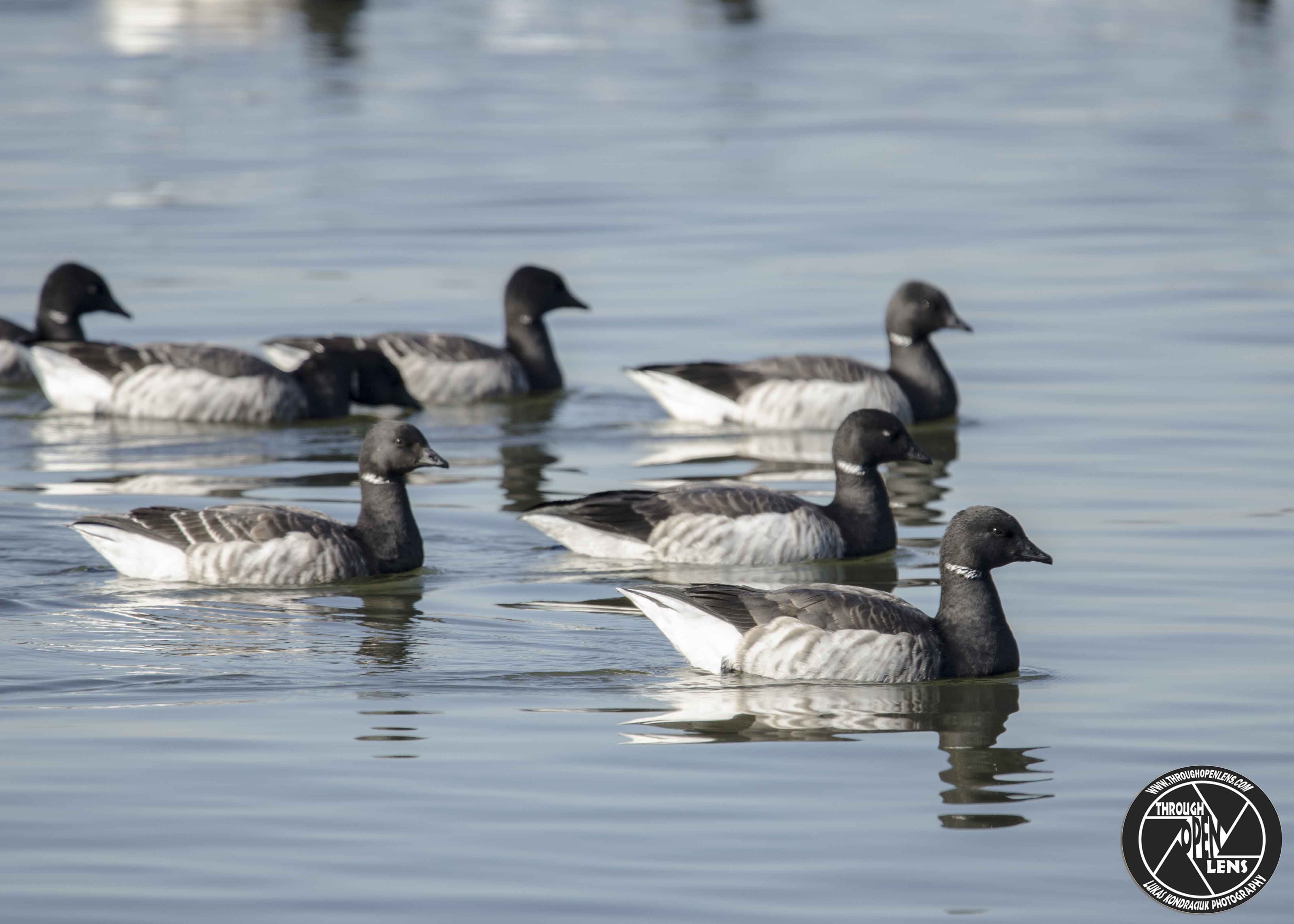
F/6.3, 1/500, ISO 200.

Brant

What kind of shoes do you make with banana skins?

Slippers!

Interesting Fact: The Brant is also known as the Brent Goose. The spelling “Brant” is the original one, with “Brent” being a later folk-etymological idea that it was derived from a classical Greek water bird name brenthos. It actually came from the guttural call note of the species. ( http://identify.whatbird.com/obj/290/overview/Brant.aspx )


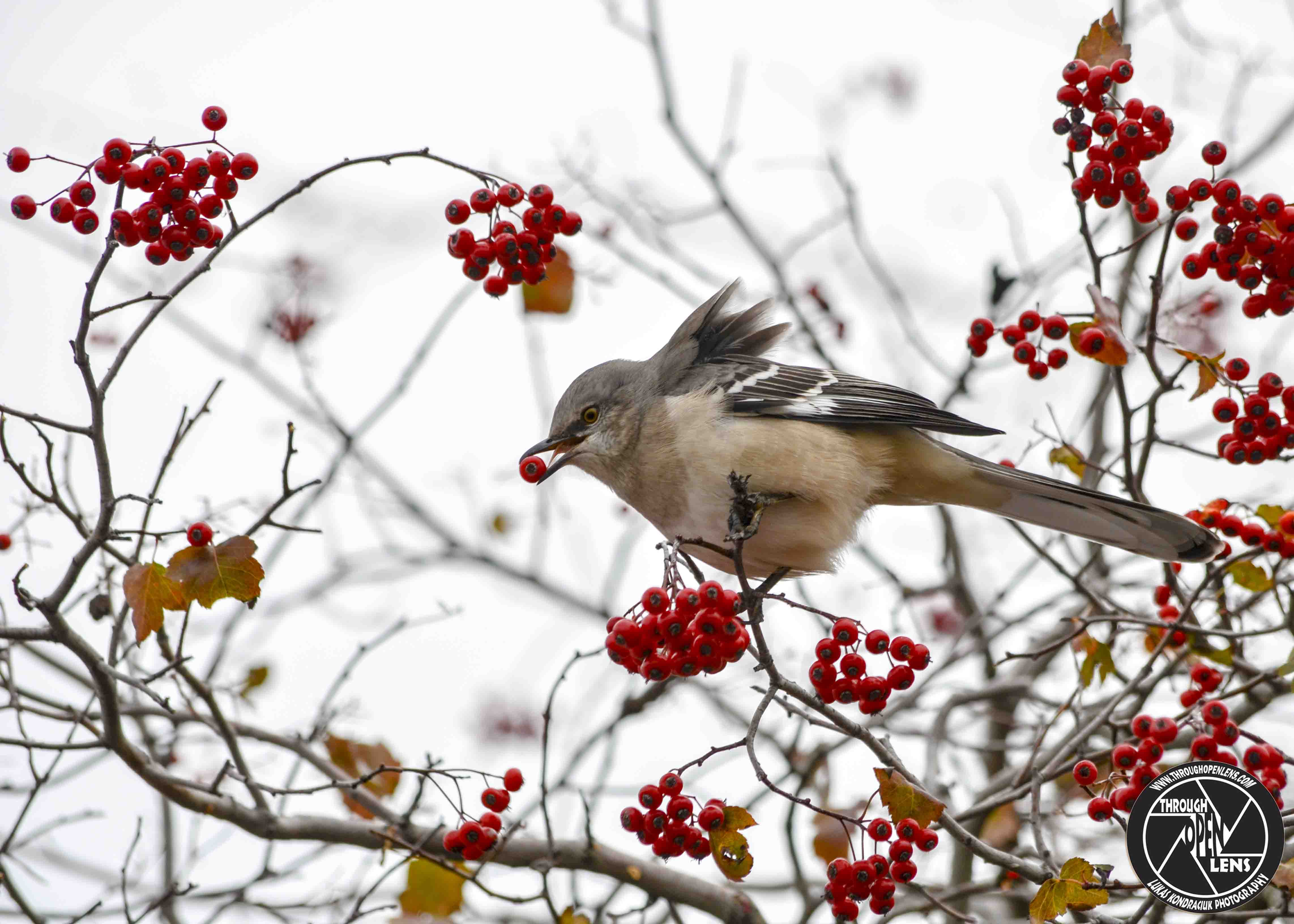
Hush, little baby, don’t say a word, Mama’s gonna buy you a mockingbird

F/7.1, 1/800, ISO 200.

Northern Mockingbird

Why shouldn’t you fart in an Apple Store?

They don’t have Windows.

Interesting Fact: Northern mockingbirds tend to imitate other birds and sounds they hear.  This bird is very territorial and will not hesitate to attack intruders.  ( https://americanexpedition.us/northern-mockingbird-facts-photos-and-information )

Duuun-Dunn-Dunn-Duh-Duh-Duh-Nuh-Nuh-Nuh-Nuuh!!!

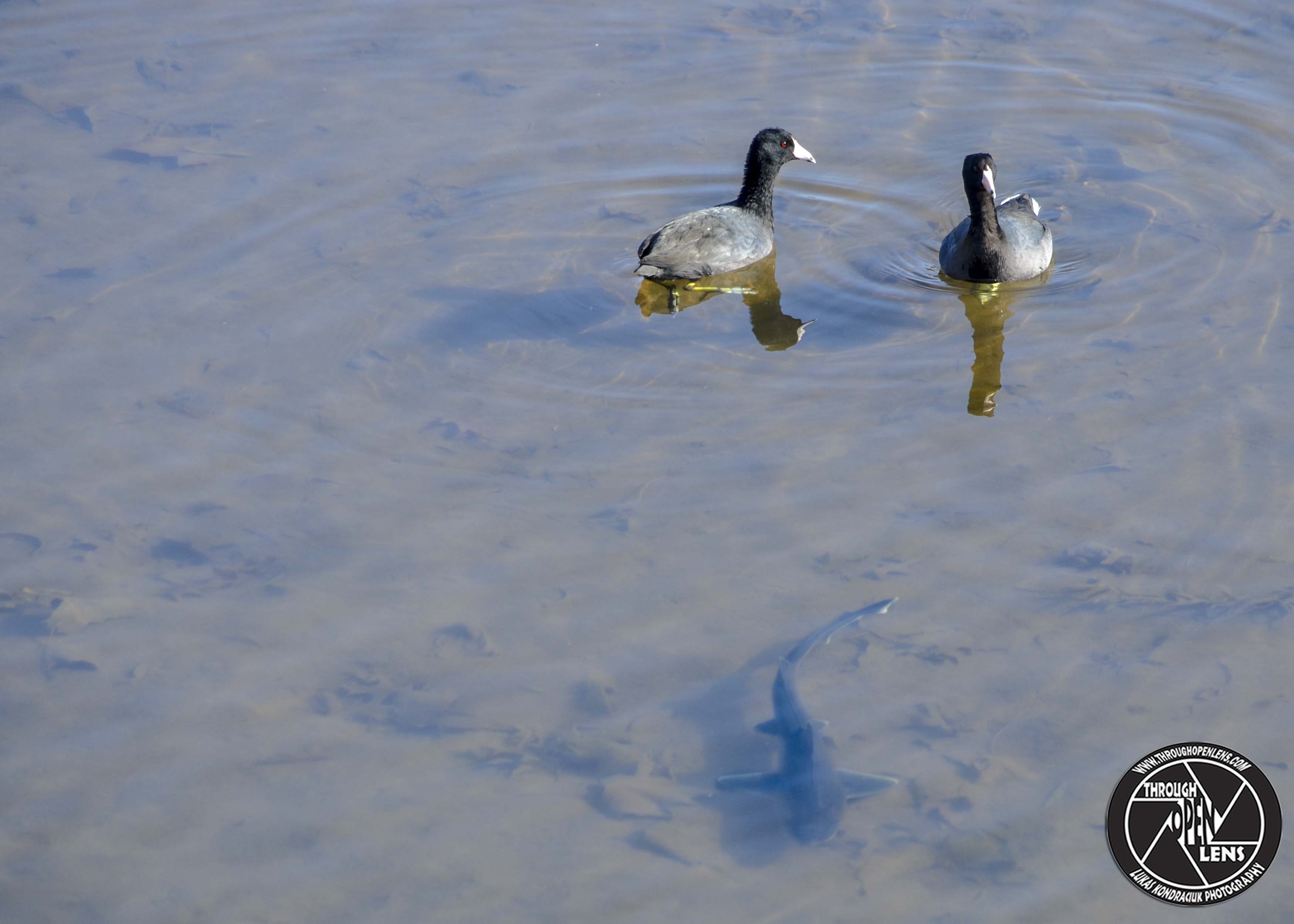
F/5.6, 1/500, ISO 250.

Shark Week 

American Coot

Spiny Dogfish Shark

Why do sharks make terrible lawyers?

They’re too nice!

Interesting Fact: Although it swims like a duck, the American Coot does not have webbed feet like a duck. Instead, each one of the coot’s long toes has broad lobes of skin that help it kick through the water. The broad lobes fold back each time the bird lifts its foot, so it doesn’t impede walking on dry land, though it supports the bird’s weight on mucky ground. ( https://www.allaboutbirds.org/guide/American_Coot )

I Fear Sharks So Much That I Just Sharted!

F/6.3, 1/640, ISO 7200.

Pied-Billed Grebe

Why do sharks make terrible lawyers?

They’re too nice!

Interesting Fact: Pied-billed Grebe chicks typically leave the nest the first day after hatching and spend much of their first week riding around on a parent’s back. They usually spend most of their first 3 weeks on or near the nest platform. ( https://www.allaboutbirds.org/guide/Pied-Billed_Grebe )