Patience Is Not The Ability To Wait But How You Act While You’re Waiting

F/10.0, 1/400, ISO 400.

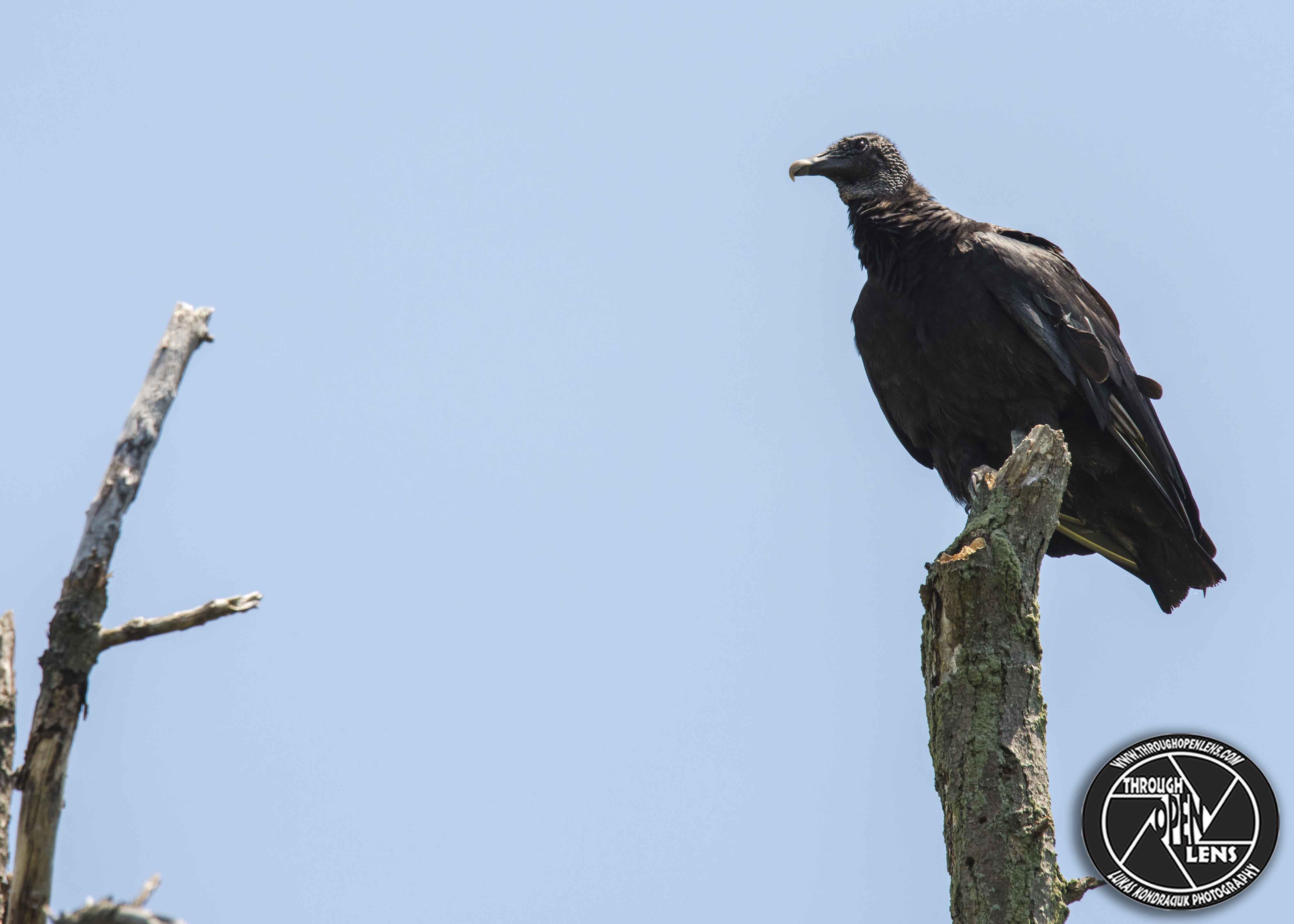
Black Vulture

Why can’t you give Elsa a balloon?

Because she will Let it go.

Interesting Fact: Black Vultures lack a voice box and so their vocal abilities are limited to making raspy hisses and grunts. ( https://www.allaboutbirds.org/guide/Black_Vulture/lifehistory )

Bambi

F/5.0, 1/60, ISO 320.

White-Tailed Deer Fawns

What do you call a deer with no eyes?

I have no I-Deer

Interesting Fact: At birth, white tail fawns have a spotted reddish coat that is fairly silky. There may be several hundred spots on the coat. The spots enable the fawn to camouflage itself, with the colors blending well with the surrounding natural environment. They usually weigh between 4 to 8 pounds at birth. The whitetail fawn loses its spots by the end of October of the same year it was born, or within 3 to 4 months after birth.  ( http://www.the-whitetail-deer.com/whitetail-deer-fawns.html )

I Might Be Too Punk Rock For You.

F/ 7.1, 1/200, ISO 1600.

Pileated Woodpecker 

When is it bad luck to be followed by a black cat?

When you’re a mouse.

Interesting Fact: When hammering into this soft wood, Pileated Woodpeckers use their long necks to pull far back from the tree, then make powerful strikes with their heavy bills, pulling with their feet to increase the strength of the blow. The sound is often audible as a heavy thunk, and large chips of wood collect on the ground below. ( https://www.allaboutbirds.org/guide/Pileated_Woodpecker/lifehistory )

I Am Not A Patient Person

F/7.1, 1/160, ISO 320.

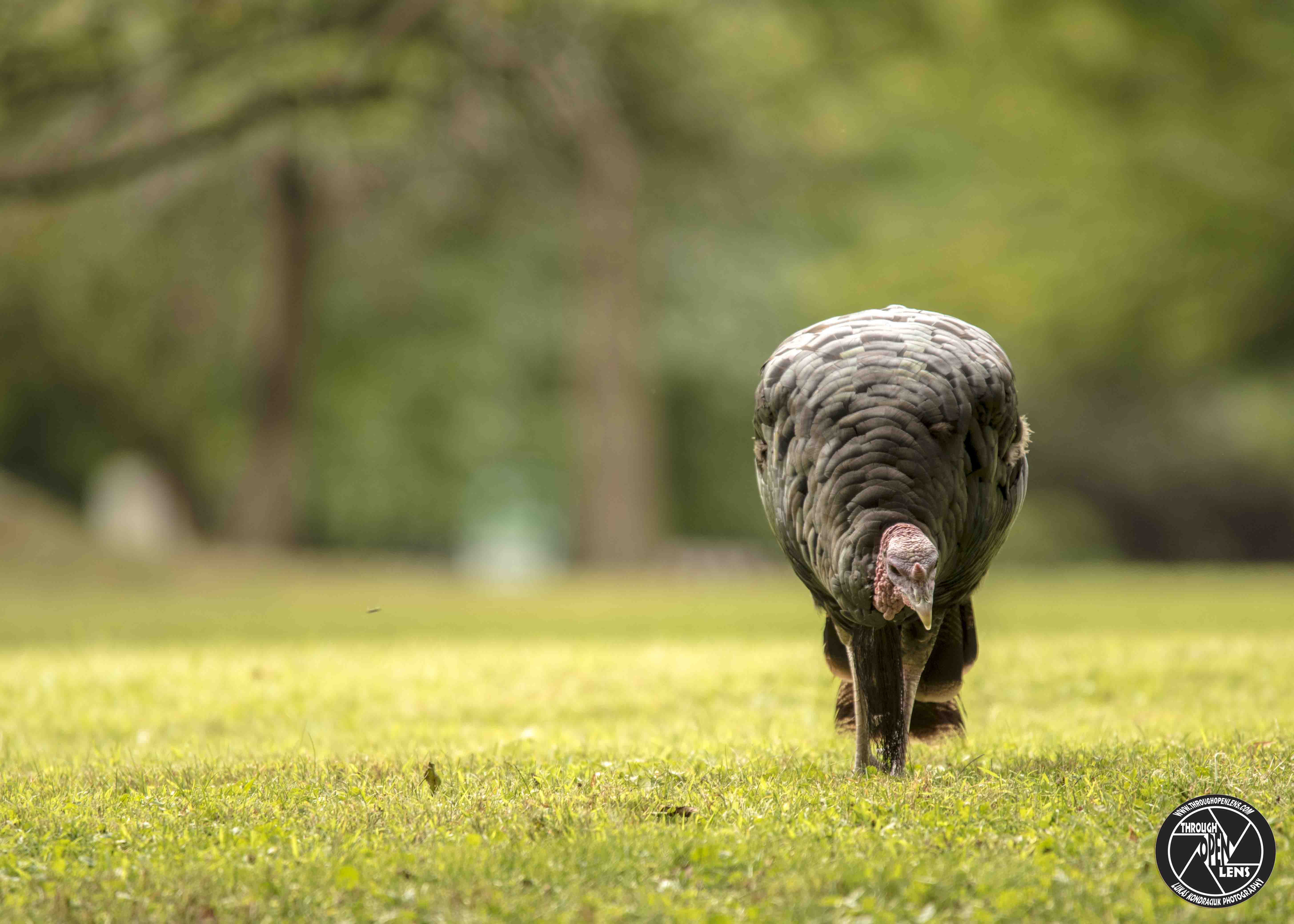
Wild Turkey 

How do you make an egg laugh?

Tell it a yolk.

Interesting Fact: Despite their weight, wild turkeys, unlike their domesticated counterparts, are agile, fast fliers. In ideal habitat of open woodland or wooded grasslands,[20] they may fly beneath the canopy top and find perches. They usually fly close to the ground for no more than 400 m (a quarter mile). ( https://en.wikipedia.org/wiki/Wild_turkey )


You Wanna To Go Bro!

F/7.1, 1/200, ISO 400.

Northern Flickers 

Who do you call when a giant fly attacks the city?

The SWAT team.

Interesting Fact: Nests are generally placed 6-15 feet off the ground, but on rare occasions can be over 100 feet high. Northern Flickers have been known to nest in old burrows of Belted Kingfishers or Bank Swallows. ( https://www.allaboutbirds.org/guide/Northern_Flicker/lifehistory )


I Always Try To Cheer Myself Up By Singing When I Get Sad. Most Of The Time It Turns Out That My Voice Is Worst Then My Problems.

F/9.0, 1/320, ISO 250.

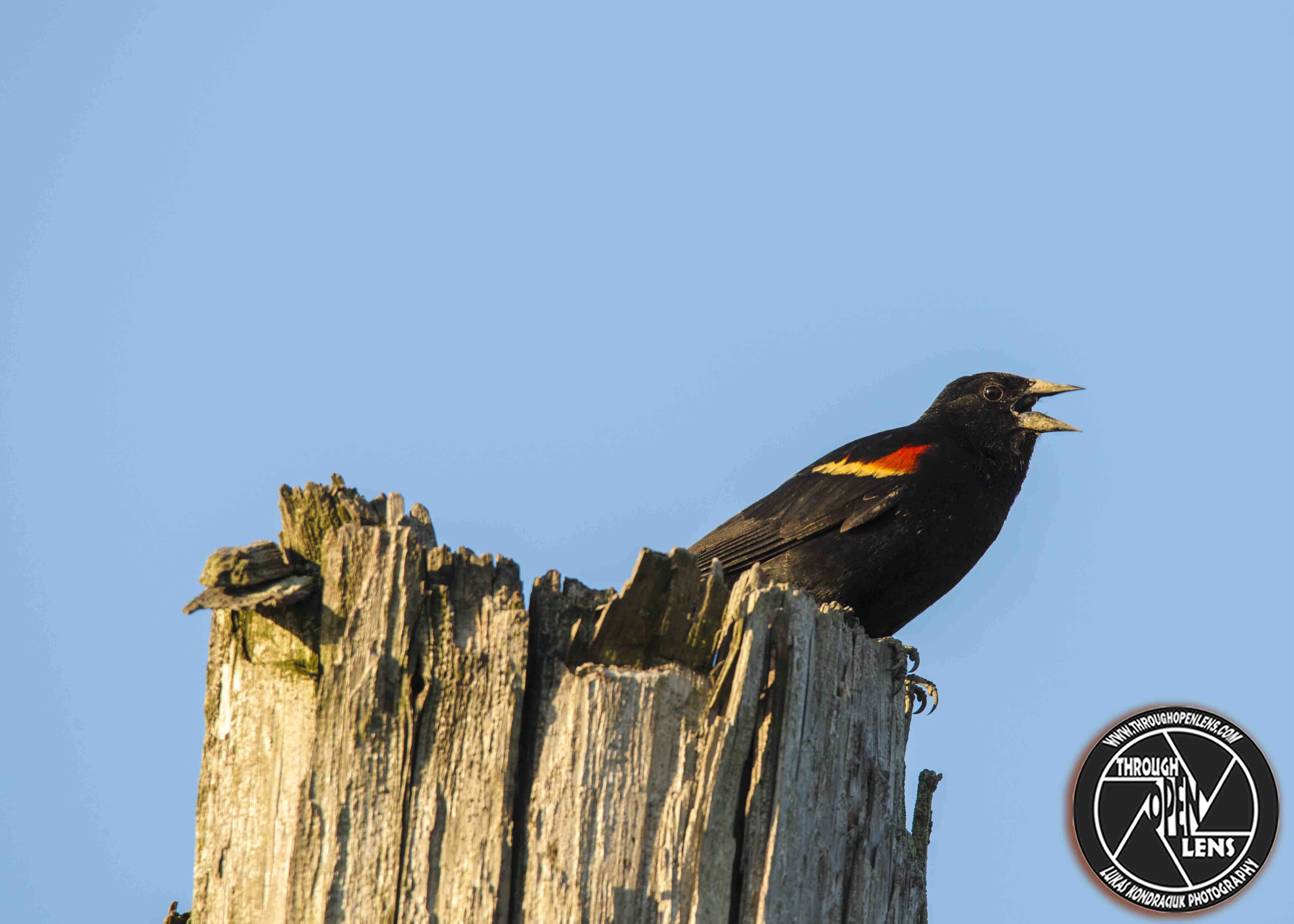
Red-winged Blackbird

What is the color of the wind?

Blew.

Interesting Fact: Different populations and subspecies of Red-winged Blackbirds vary markedly in size and proportions. An experiment was conducted that moved nestlings between populations and found that the chicks grew up to resemble their foster parents. This study indicated that much of the difference seen between populations is the result of different environments rather than different genetic makeups. ( https://www.allaboutbirds.org/guide/Red-winged_Blackbird/lifehistory  )


I Like This Head Bang Sh*t!

F/13.0, 1/640, ISO 320.

Red-Bellied Woodpecker

Why did the football coach go back to the bank?

To get his quarterback!

Interesting Fact: For birds that nest in cavities, nest holes are precious turf. Red-bellied Woodpeckers have been known to take over the nests of other birds, including the much smaller (and endangered) Red-cockaded Woodpecker. But more often they’re victims to the aggressive European Starling. As many as half of all Red-bellied Woodpecker nests in some areas get invaded by starlings. ( https://www.allaboutbirds.org/guide/Redbellied_Woodpecker/lifehistory )

Blow Me

F/7.1, 1/200, ISO 500.

Dandelion ( Taraxacum )

What did the alien dandelion say to the earthly dandelion?

Take me to your weader!

Interesting Fact: Dandelions are thought to have evolved about 30 million years ago in Eurasia.[18]Fossil seeds of †Taraxacum tanaiticum have been recorded from the Pliocene of southern Russia.[19] Dandelions have been used by humans for food and as a herb for much of recorded history.[20] “They were well known to ancient Egyptians, Greeks and Romans, and have been used in Chinese traditional medicine for over a thousand years. Dandelions probably arrived in North America on the Mayflower – not as stowaways, but brought on purpose for their medicinal benefits,” according to the Maine Organic Farmers and Gardeners Association. ( https://en.wikipedia.org/wiki/Taraxacum#History )

Hee That Loves The Tree, Loves The Branch.

F/7.1, 1/200, ISO 1000.

Green Heron

What do you call an alligator in a vest?

An Investigator

Interesting Fact: Like many herons, the Green Heron tends to wander outside of its breeding range after the nesting season is over. Most of the wanderers stay nearby as they search for good feeding habitat, but some travel long distances. Individuals have turned up as far away as England and France. ( https://www.allaboutbirds.org/guide/Green_Heron/lifehistory )

I Only Have Crazy Eyes For You!

F/9.0, 1/320, ISO 320.

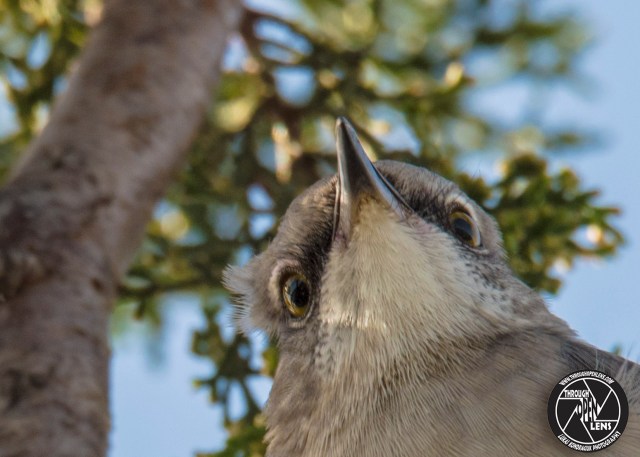
Northern Mockingbird 

Why don’t witches like to ride their brooms when they’re angry?

They’re afraid of flying off the handle!

Interesting Fact:  The Northern Mockingbird frequently gives a “wing flash” display, where it half or fully opens its wings in jerky intermediate steps, showing off the big white patches. No one knows why it does this, but it may startle insects, making them easier to catch. On the other hand, it doesn’t often seem to be successful, and different mockingbird species do this same display even though they don’t have white wing patches.  ( https://www.allaboutbirds.org/guide/Northern_Mockingbird/lifehistory )