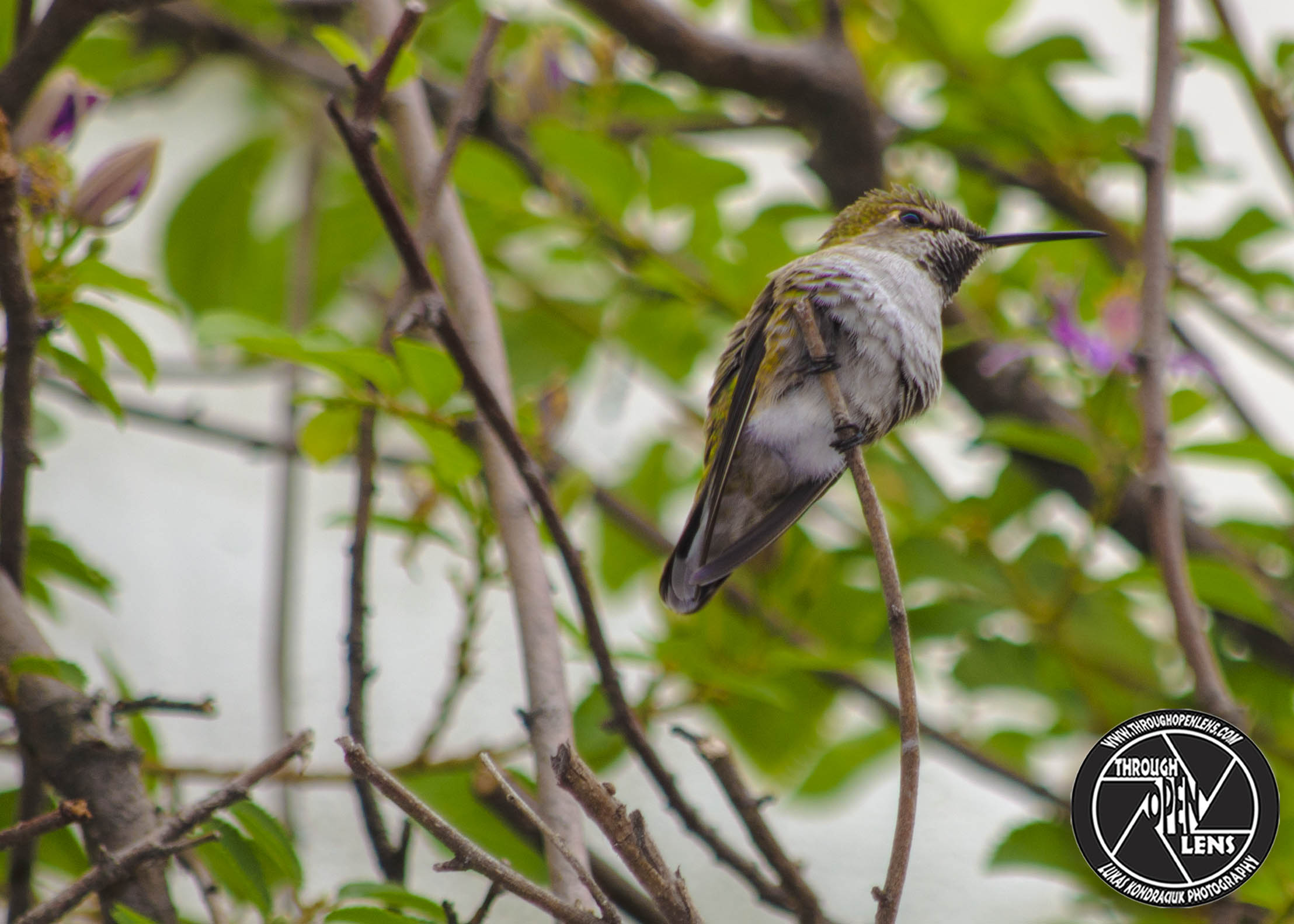
Don’t Bother Me I Am Guarding This Bush!

F/6.3, 1/125, ISO 100.

Rufous Hummingbird

Why did they have to bury George Washington standing up?

Because he could never lie.

Interesting Fact: Rufous Hummingbirds, like most other hummingbirds, beat their wings extremely fast to be able to hover in place. The wingbeat frequency of Rufous Hummingbirds has been recorded at 52–62 wingbeats per second. ( https://www.allaboutbirds.org/guide/Rufous_Hummingbird/lifehistory )


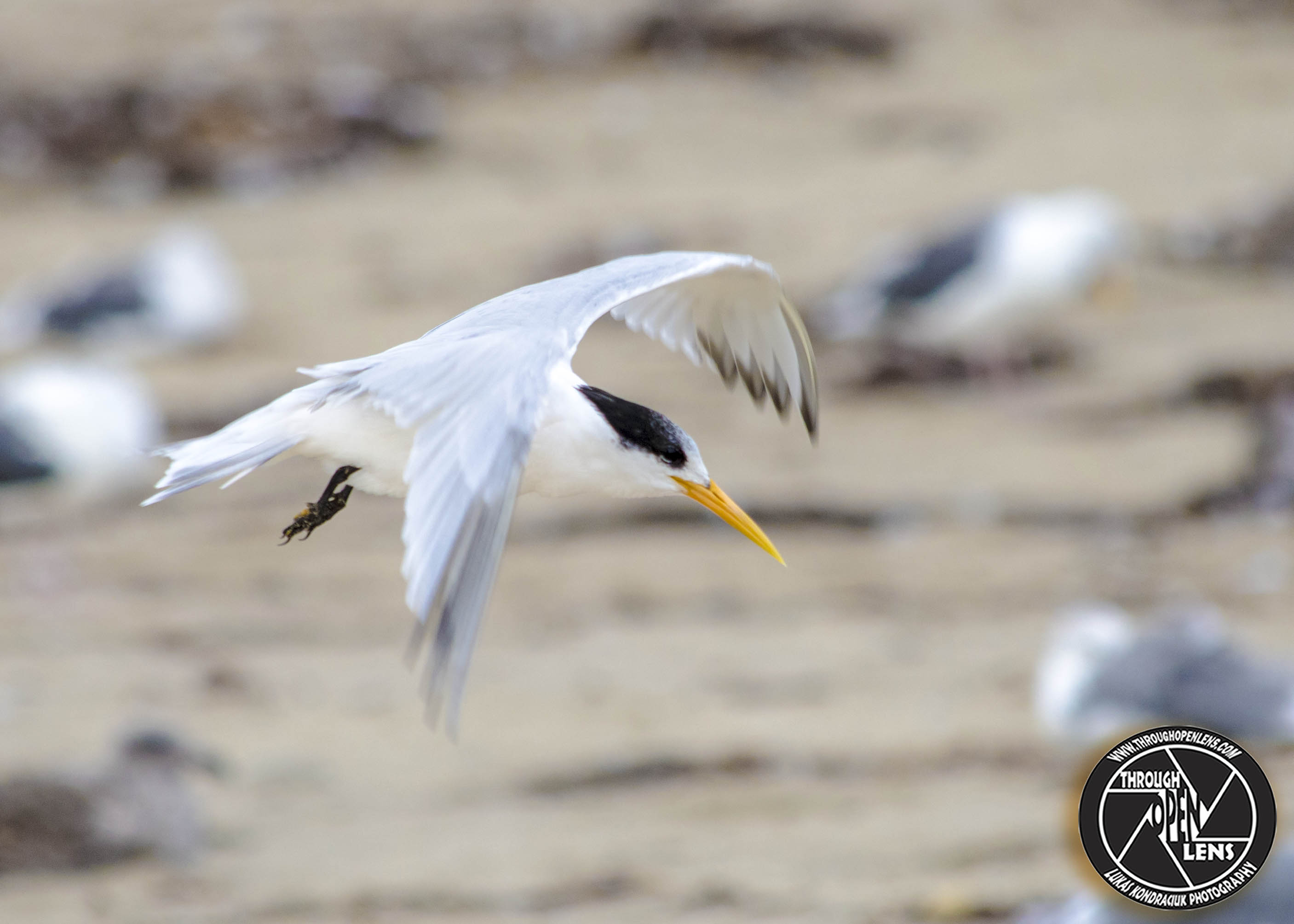
INCOMING!!!

F/5.6, 1/500, ISO 200.

Elegant Tern

What happened when a faucet, a tomato and lettuce were in a race?

The lettuce was ahead, the faucet was running and the tomato was trying to ketchup.

Interesting Fact: Approximately 90-97% of all Elegant Terns nest in one colony on Isla Rasa in the Gulf of California, Mexico. ( https://www.allaboutbirds.org/guide/Elegant_Tern/lifehistory )

Little Duckies Need Some Snackies

F/5.6, 1/160, ISO 100.

Mallard Female with Ducklings

Who earns a living driving their customers away?

A taxi driver.

Interesting Fact:  The female forms a shallow depression or bowl on the ground in moist earth. She does not carry material to the nest but rather pulls vegetation she can reach toward her while sitting on nest. During egg-laying phase, she lines the nest with grasses, leaves, and twigs from nearby. She also pulls tall vegetation over to conceal herself and her nest. After incubation begins, she plucks down feathers from her breast to line the nest and cover her eggs. The finished nest is about a foot across, with a bowl for the eggs that is 1–6 inches deep and 6–9 inches across. ( https://www.allaboutbirds.org/guide/Mallard/lifehistory )


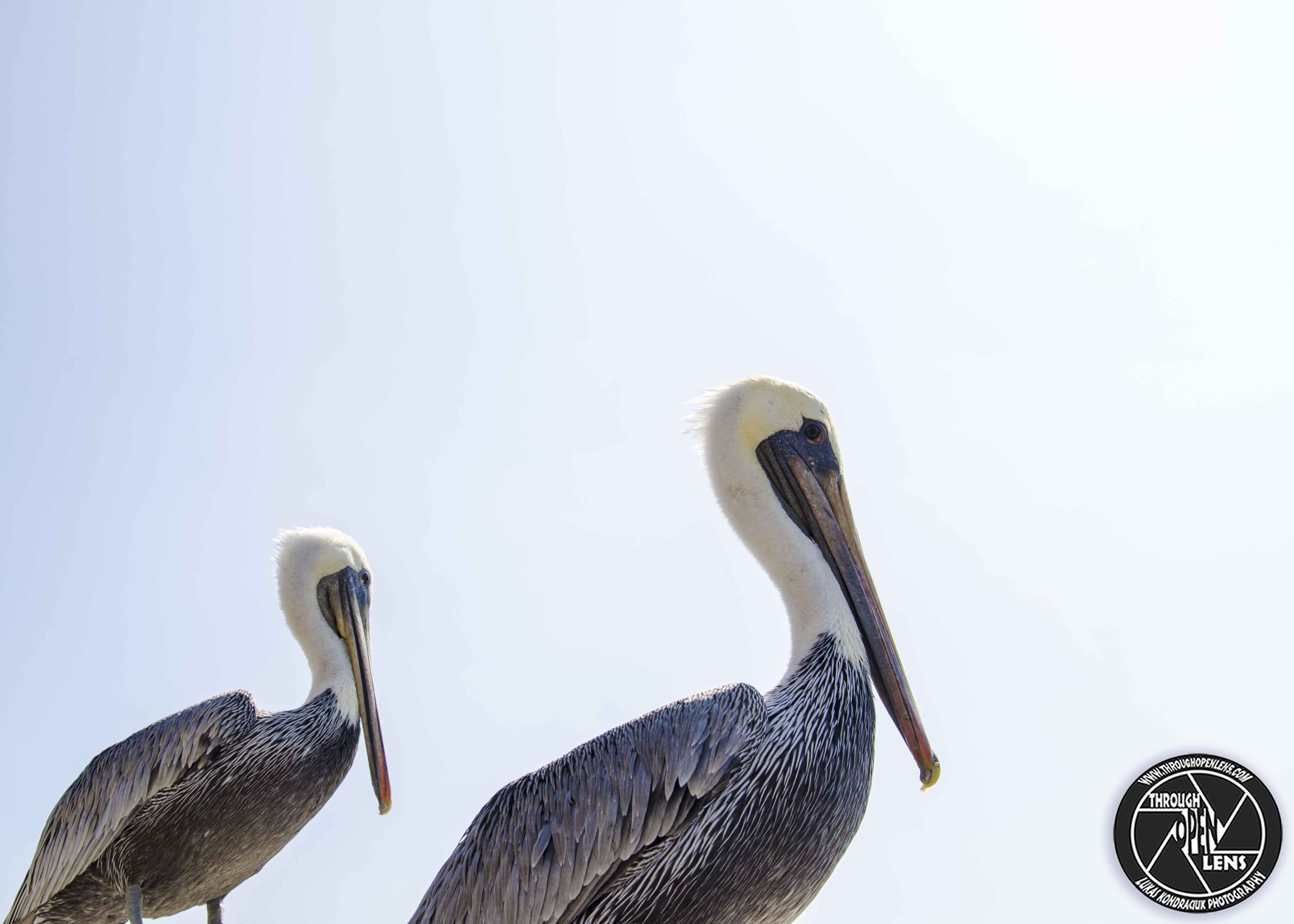
Strike A Pose

F/9.0, 1/320, ISO 100.

Brown Pelicans

I bought some shoes from a drug dealer.

I don’t know what he laced them with, but I’ve been tripping all day.

Interesting Fact: The closely related Peruvian Pelican lives along the Pacific Coast of South America from southern Ecuador to Chile. It’s a little larger than a Brown Pelican, with fine white streaking on its underparts and a blue pouch in the breeding season. These two species are the only pelicans that plunge-dive for their food. ( https://www.allaboutbirds.org/guide/Brown_Pelican/lifehistory )

Do Not Cross Me I Have My Fancy Pants On Today!

F/5.6, 1/500, ISO 200.

Snowy Egret

What did the triangle say to the circle?

You are pointless!

Interesting Fact: Male Snowy Egrets fight for breeding territories, choose nest sites, and perform noisy courtship displays to attract mates. A ring of other egrets often gathers around a displaying male as he pumps his body up and down, points his bill skyward, and calls. He also performs aerial displays, including one that ends with him dropping toward the ground while tumbling around and around. After pairing up, Snowy Egrets continue defending the immediate area around the nest, raising their crests and giving rasping calls. Some of their nest predators include raccoons, Great Horned Owls, Barred Owls, American Crows, Fish Crows, American alligators, and gray rat snakes. Highly social all year long, Snowy Egrets forage with gulls, terns, ibises, and other herons, and they nest in colonies alongside many other species, including Great Egrets, night-herons, Glossy Ibises, Little Blue Herons, Tricolored Herons, Cattle Egrets, and Roseate Spoonbills. ( https://www.allaboutbirds.org/guide/Snowy_Egret/lifehistory )

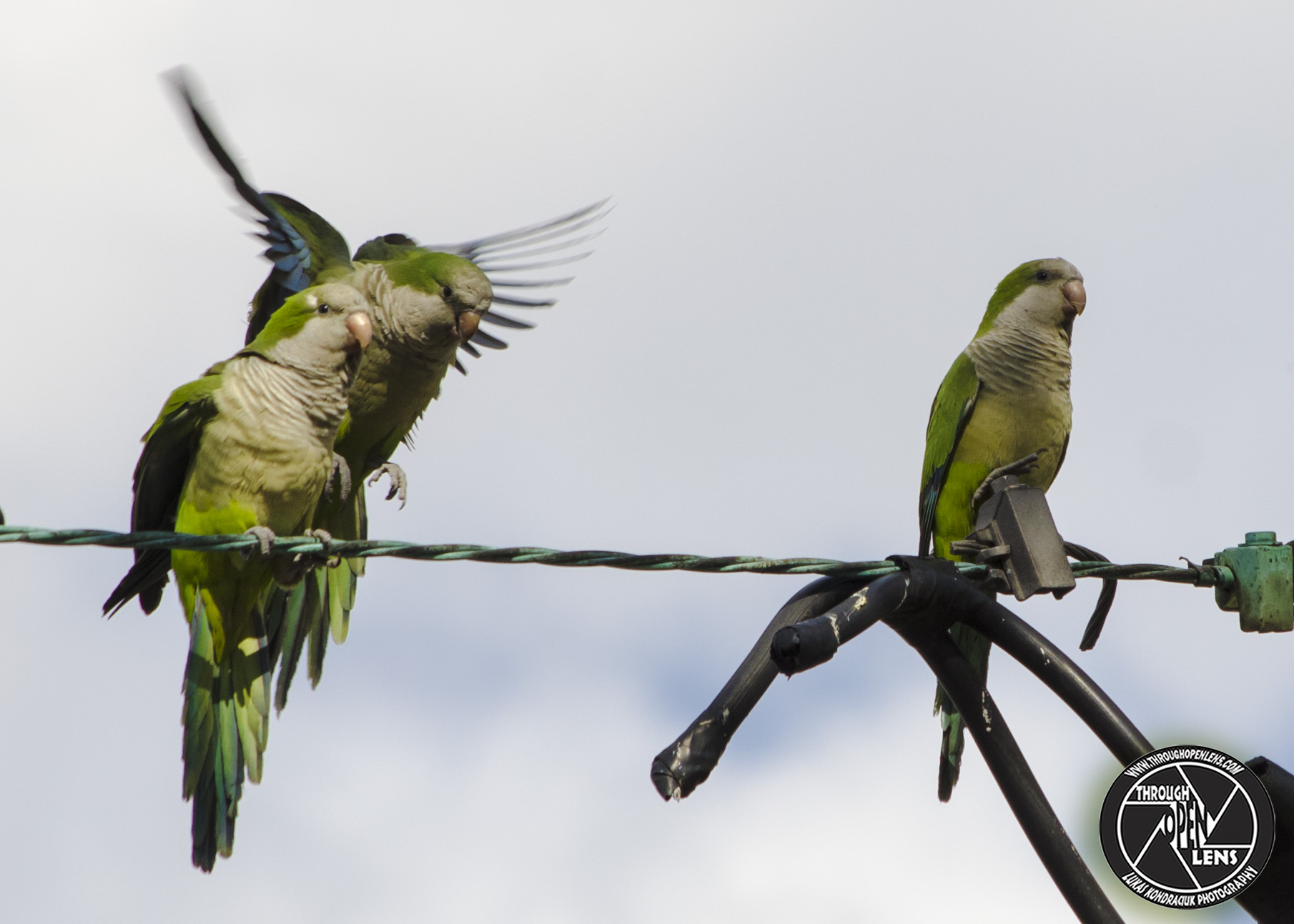
It’s Electrifyin

F/8.0, 1/1000, ISO 200.

Monk Parakeets

What do you get when you cross a parrot and a centipede?

A walkie-talkie.

Interesting Fact: Monk Parakeets in North America live in urban and suburban environments, especially around city parks. They are one of the few parrot species able to survive temperate-zone winters. In their native range in South America, Monk Parakeets live in dry savannas with scattered woods up to about 6,000 feet elevation.  ( https://www.allaboutbirds.org/guide/Monk_Parakeet/lifehistory )

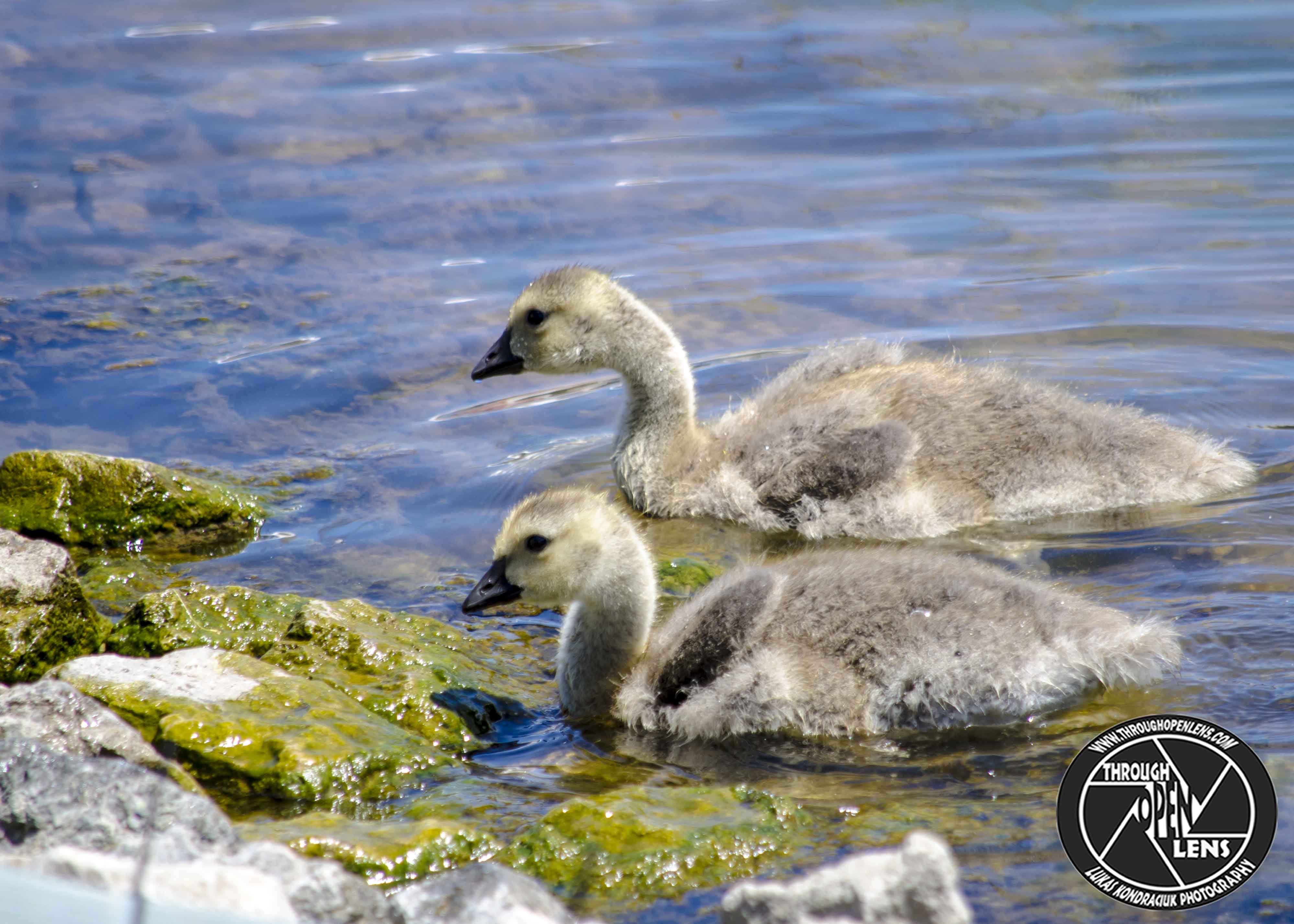
Baby Time!

F/5.6, 1/320, ISO 100.

Canada Goose Goslings

What did the blanket say to the bed?

Don’t worry, I’ve got you covered!

Interesting Fact: Canada Geese eat grain from fields, graze on grass, and dabble in shallow water by tipping forward and extending their necks underwater. During much of the year they associate in large flocks, and many of these birds may be related to one another. They mate for life with very low “divorce rates,” and pairs remain together throughout the year. Geese mate “assortatively,” larger birds choosing larger mates and smaller ones choosing smaller mates; in a given pair, the male is usually larger than the female. Most Canada Geese do not breed until their fourth year; less than 10 percent breed as yearlings, and most pair bonds are unstable until birds are at least two or three years old. Extra-pair copulations have been documented. ( https://www.allaboutbirds.org/guide/Canada_Goose/lifehistory )

I Am Looking Up To You!

F/5.6, 1/500, ISO 320.

Elegant Tern

How do you organize an outer space party?

You planet.

Interesting Fact: The oldest recorded Elegant Tern was at least 20 years, 11 months old when it was found in California in 2010, the same state where it had been banded in 1989. ( https://www.allaboutbirds.org/guide/Elegant_Tern )

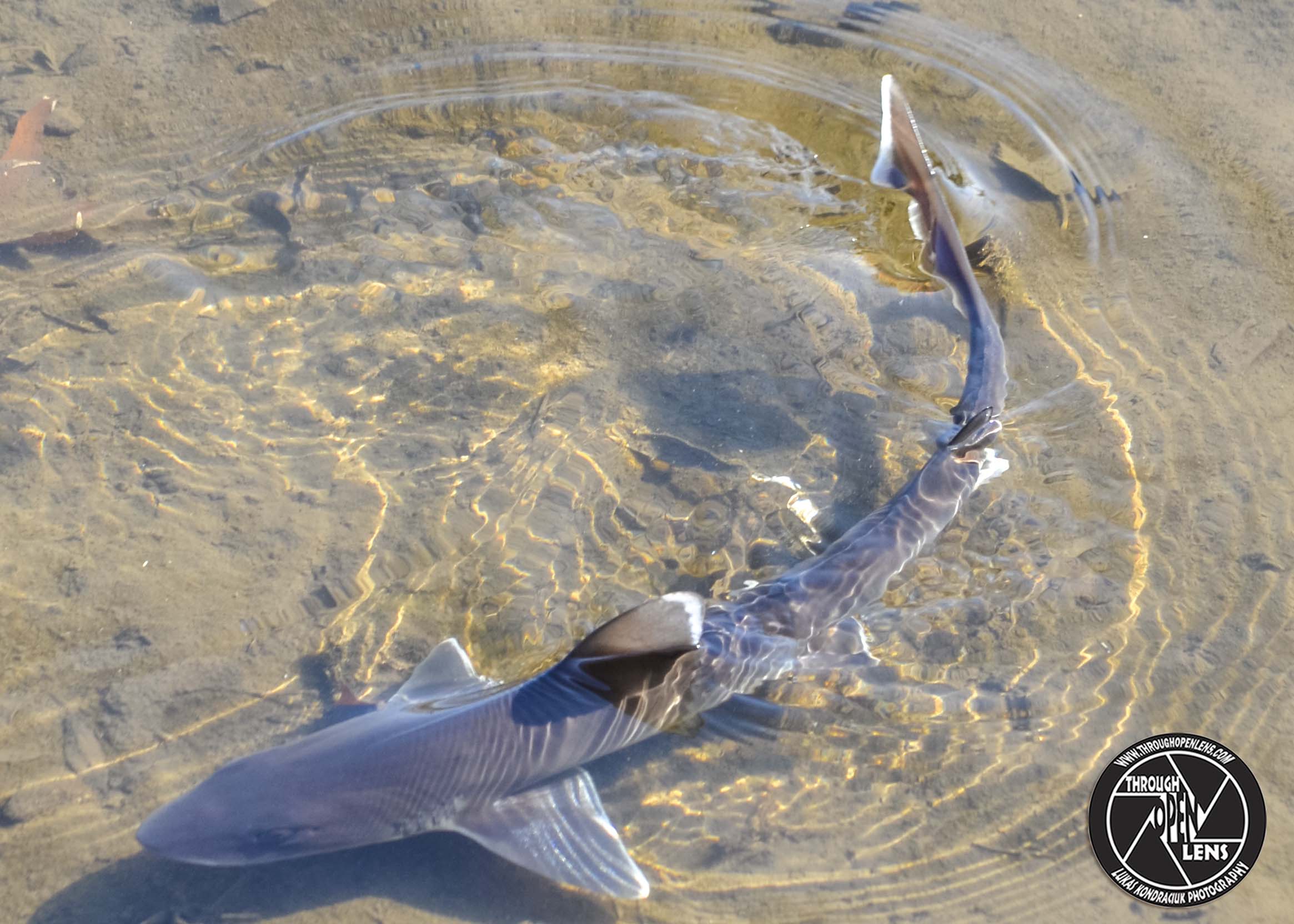
Sharks Aren’t The Bad Guys. If Some Stranger Entered My House In Just A SPEEDO, I Would Probably Attack Him Too.

Shark Week 

F/5.6, 1/500, ISO 360.

Spiny Dogfish Shark

What is a sharks favorite sci-fi show?

Shark Trek

Interesting Fact: Spiny dogfish are bottom-dwellers. They are commonly found at depths of around 50–149 m (164–489 ft), but have been found deeper than 700 m (2,300 ft). ( https://en.m.wikipedia.org/wiki/Spiny_dogfish )

Being Small Works For Me!

F/5.6, 1/500, ISO 220.

Least Sandpiper

Why did the teddy bear say no to dessert?

Because he was stuffed.

Interesting Fact: The Least Sandpiper is the smallest shorebird in the world, weighing in at about 1 ounce and measuring 5-6 inches long. Males are slightly smaller than females. ( https://www.allaboutbirds.org/guide/Least_Sandpiper )