Let’s Get Soaking Wet!

F/5.6, 1/500, ISO320.

American Robin

What did the bartender say after a book walked into the bar?

“Please, no stories!”

Interesting Fact: Robins eat a lot of fruit in fall and winter. When they eat honeysuckle berries exclusively, they sometimes become intoxicated. ( https://www.allaboutbirds.org/guide/American_Robin )

Check Out Deez Nuts!

F/6.3, 1/80, ISO 400. 

Downy Woodpecker

What is the difference between beer nuts and deer nuts?

Beer nuts cost a buck twenty-five. Deer nuts are under a buck!

Interesting Fact: Downy Woodpeckers eat mainly insects, including beetle larvae that live inside wood or tree bark as well as ants and caterpillars. They eat pest insects including corn earworm, tent caterpillars, bark beetles, and apple borers. About a quarter of their diet consists of plant material, particularly berries, acorns, and grains. ( https://www.allaboutbirds.org/guide/Downy_Woodpecker/lifehistory )

I’m Buggin’ Out!

F/6.3, 1/80, ISO 320.

Downy Woodpecker

What did the salad say to the fridge?

Shut the door, I’m dressing!

Interesting Fact: Both male and female excavate the nest hole, a job that takes 1 to 3 weeks. Entrance holes are round and 1-1.5 inches across. Cavities are 6-12 inches deep and widen toward the bottom to make room for eggs and the incubating bird. The cavity is lined only with wood chips. ( https://www.allaboutbirds.org/guide/Downy_Woodpecker/lifehistory )

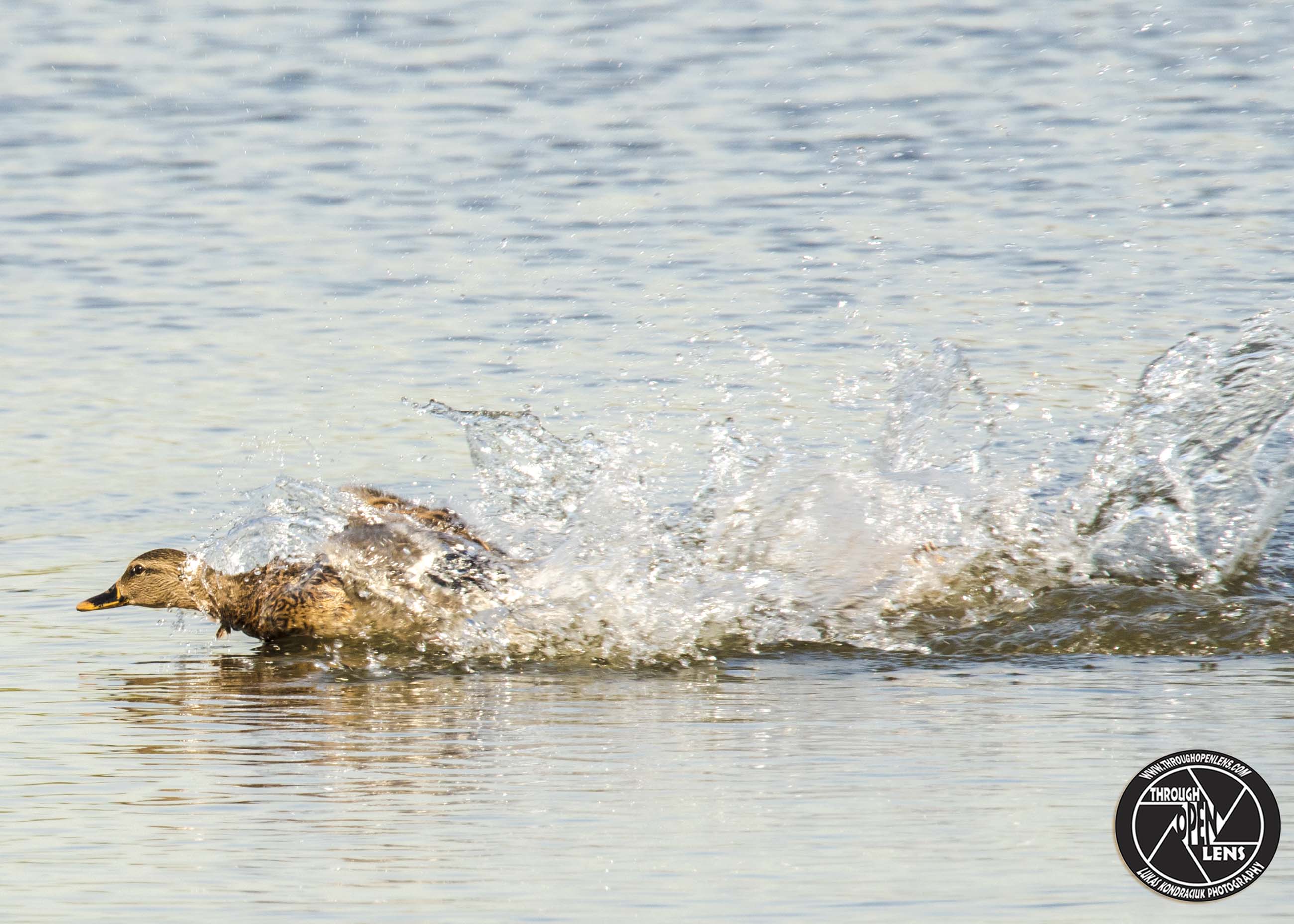
Motorboating Is My Thing!

F/11.0, 1/500, ISO 250.

Mallard Female

Which day of the week do chickens hate most?

Fry-day!

Interesting Fact: The female forms a shallow depression or bowl on the ground in moist earth. She does not carry material to the nest but rather pulls vegetation she can reach toward her while sitting on nest. During egg-laying phase, she lines the nest with grasses, leaves, and twigs from nearby. She also pulls tall vegetation over to conceal herself and her nest. ( https://www.allaboutbirds.org/guide/Mallard/lifehistory )

Listen To Me Meow!

Gray Catbird

F/5.6, 1/125, ISO1400.

Son: Dad I am cold!

Dad: Go stand in the corner it’s 90 degrees.

Interesting Fact:  The male Gray Catbird uses his loud song to proclaim his territory. He uses a softer version of the song when near the nest or when a bird intrudes on his territory. The female may sing the quiet song back to the male. ( https://www.allaboutbirds.org/guide/Gray_Catbird )

Hey Go Nuts Today!

F/6.3, 1/640, ISO 200.

Eastern Gray Squirrel

Why do squirrels swim on their backs?

To keep their nuts dry.


Interesting Fact: Squirrels are extremely intelligent creatures. They are known to put on elaborate bogus food burying displays to deceive onlookers. The fake burials are to trick potential thieves, such as other squirrels or birds, into thinking that they have stored their food stock there. Any observers planning on taking the stash will then focus on the bogus burial site, allowing the squirrel to bury the real stash elsewhere safely ( http://www.onekind.org/be_inspired/animals_a_z/squirrel/ )


What Does The Fox Say?

F/6.0, 1/30, ISO 400.

Red Fox

What do you call a fox with a carrot in each ear?

Anything you want as he can’t hear you!

Interesting Fact: Red foxes are solitary hunters who feed on rodents, rabbits, birds, and other small game—but their diet can be as flexible as their home habitat. Foxes will eat fruit and vegetables, fish, frogs, and even worms. If living among humans, foxes will opportunistically dine on garbage and pet food. ( http://www.nationalgeographic.com/animals/mammals/r/red-fox/ )

I’m On A Seafood Diet. I See Food, I Eat It.

F/10.0, 1/400, ISO 160.

Red-tailed Hawk

What did one elevator say to the other elevator?

I think I’m coming down with something!

Interesting Fact: Mammals make up the bulk of most Red-tailed Hawk meals. Frequent victims include voles, mice, wood rats, rabbits, snowshoe hares, jackrabbits, and ground squirrels. The hawks also eat birds, including pheasants, bobwhite, starlings, and blackbirds; as well as snakes and carrion. Individual prey items can weigh anywhere from less than an ounce to more than 5 pounds. ( https://www.allaboutbirds.org/guide/Red-tailed_Hawk/lifehistory  )

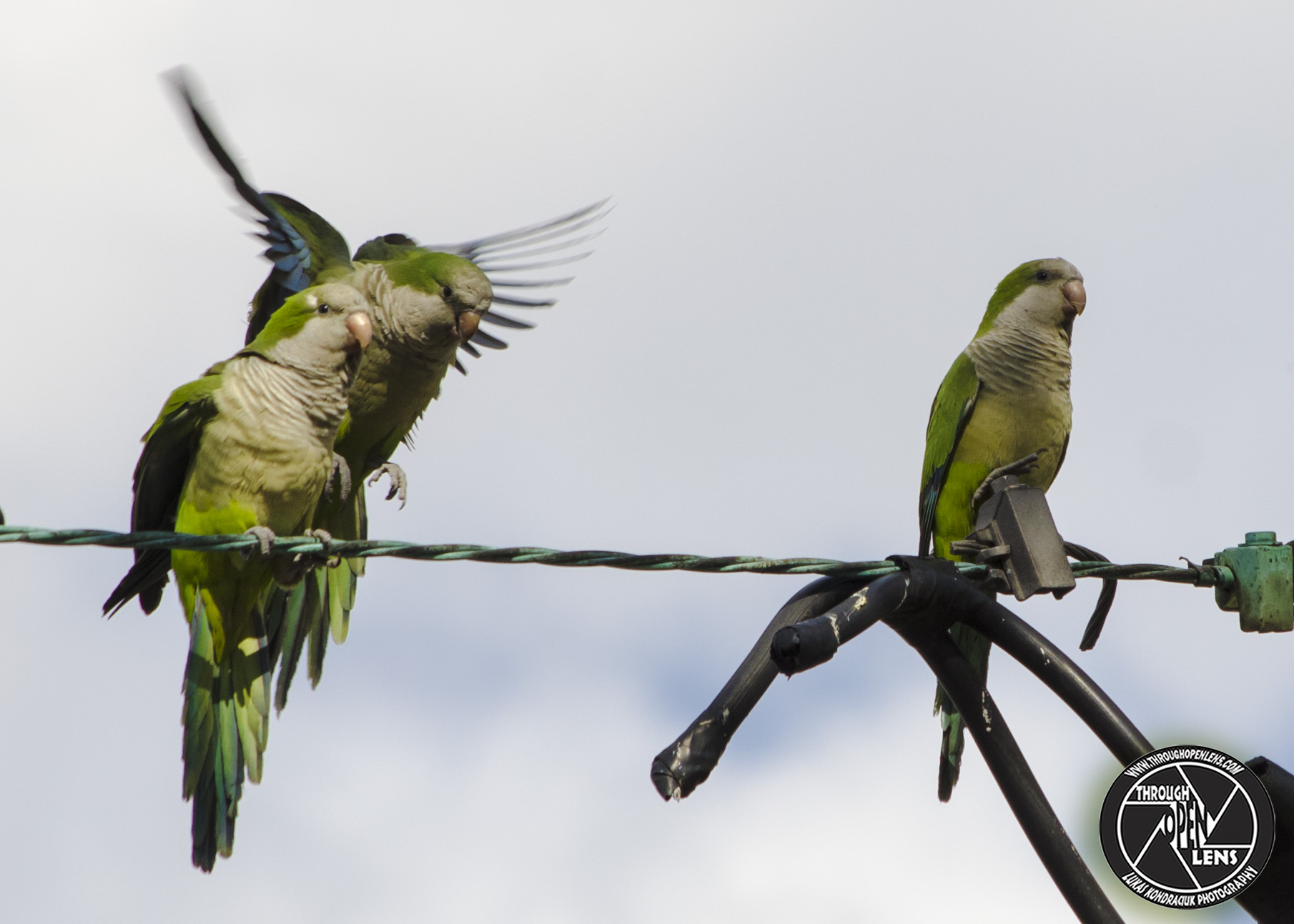
It’s Electrifyin

F/8.0, 1/1000, ISO 200.

Monk Parakeets

What do you get when you cross a parrot and a centipede?

A walkie-talkie.

Interesting Fact: Monk Parakeets in North America live in urban and suburban environments, especially around city parks. They are one of the few parrot species able to survive temperate-zone winters. In their native range in South America, Monk Parakeets live in dry savannas with scattered woods up to about 6,000 feet elevation.  ( https://www.allaboutbirds.org/guide/Monk_Parakeet/lifehistory )

You Had Me AT Meow!

F/6.3, 1/60, ISO 640.

Gray Catbird

Why can’t a bicycle stand up on its own? 

Because it’s two tired.

Interesting Fact: Catbirds usually build nests on horizontal branches hidden at the center of dense shrubs, small trees, or in vines, including dogwood, hawthorn, cherry, rose, elderberry, grape, honeysuckle, and blackberry. Nests are typically around 4 feet off the ground, but may be on the ground or as high as 60 feet. ( https://www.allaboutbirds.org/guide/Gray_Catbird/lifehistory )