I’m On A Seafood Diet. I See Food, I Eat It.

F/10.0, 1/400, ISO 160.

Red-tailed Hawk

What did one elevator say to the other elevator?

I think I’m coming down with something!

Interesting Fact: Mammals make up the bulk of most Red-tailed Hawk meals. Frequent victims include voles, mice, wood rats, rabbits, snowshoe hares, jackrabbits, and ground squirrels. The hawks also eat birds, including pheasants, bobwhite, starlings, and blackbirds; as well as snakes and carrion. Individual prey items can weigh anywhere from less than an ounce to more than 5 pounds. ( https://www.allaboutbirds.org/guide/Red-tailed_Hawk/lifehistory  )

I Had A Very Unhappy Egghood…

F/10.0, 1/320, ISO 320

Brown-headed Cowbird

What did the traffic light say to the car?

Don’t look, I’m changing.

Interesting Fact: Cowbird eggs hatch faster than other species eggs, giving cowbird nestlings a head start in getting food from the parents. Young cowbirds also develop at a faster pace than their nest mates, and they sometimes toss out eggs and young nestlings or smother them in the bottom of the nest. ( https://www.allaboutbirds.org/guide/Brown-headed_Cowbird/lifehistory )


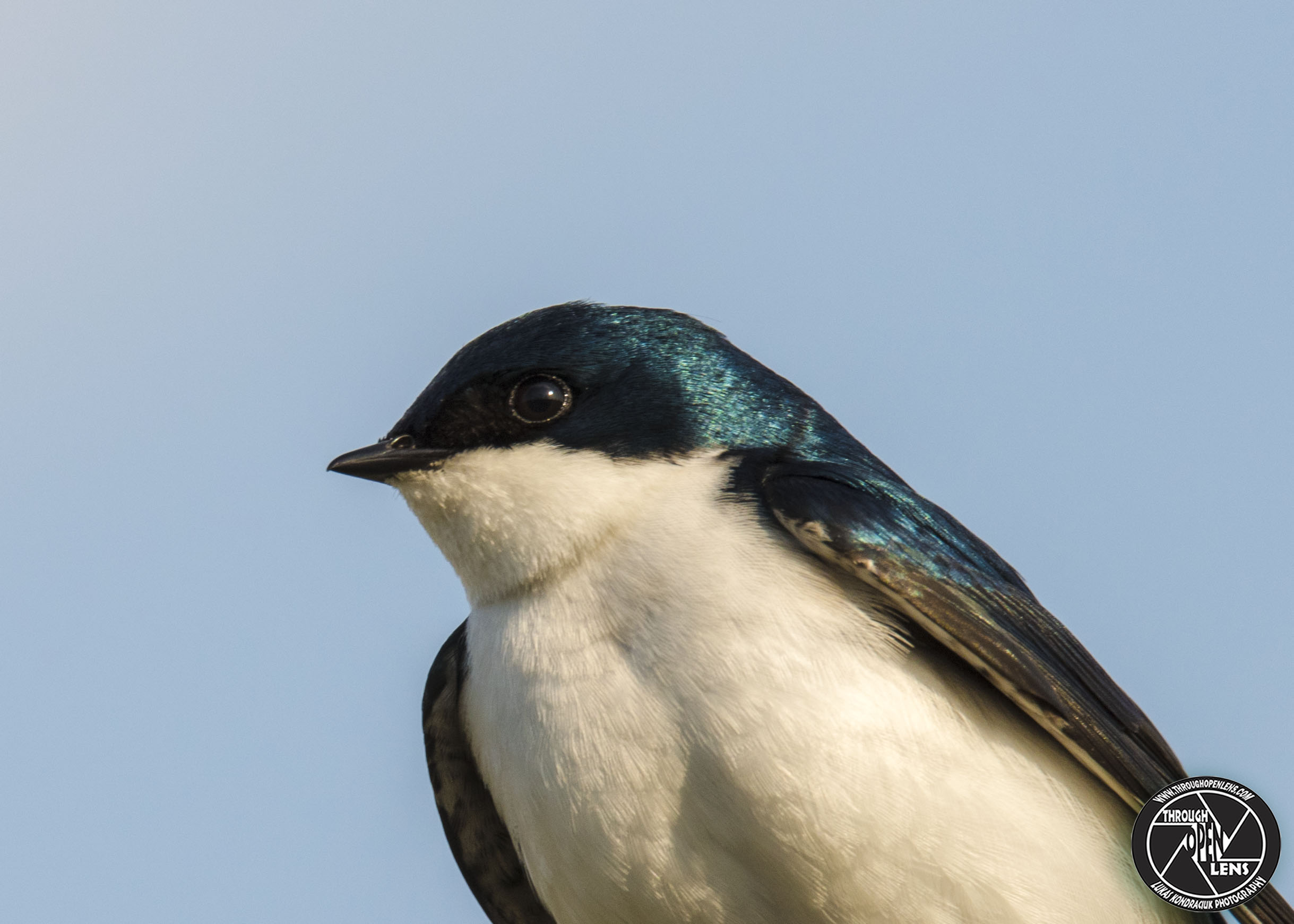
It’s Better To Swallow Words Than To Have To Eat Them Later

F/11.0, 1/500, ISO 250.

Tree Swallow

What kind of lights did Noah use on the Ark?

Flood lights!

Interesting Fact: Tree Swallows have helped researchers make major advances in several branches of ecology, and they are among the best-studied bird species in North America. Still, we know little about their lives during migration and winter. ( https://www.allaboutbirds.org/guide/Tree_Swallow/lifehistory )

I Claim This Branch!

F/7.1, 1/200, ISO 200.

Eastern Phoebe 

Why can’t you take a nap during a race?

Because if you snooze, you loose!

Interesting Fact: The Eastern Phoebe is a loner, rarely coming in contact with other phoebes. Even members of a mated pair do not spend much time together. They may roost together early in pair formation, but even during egg laying the female frequently chases the male away from her. ( https://www.allaboutbirds.org/guide/Eastern_Phoebe/lifehistory )

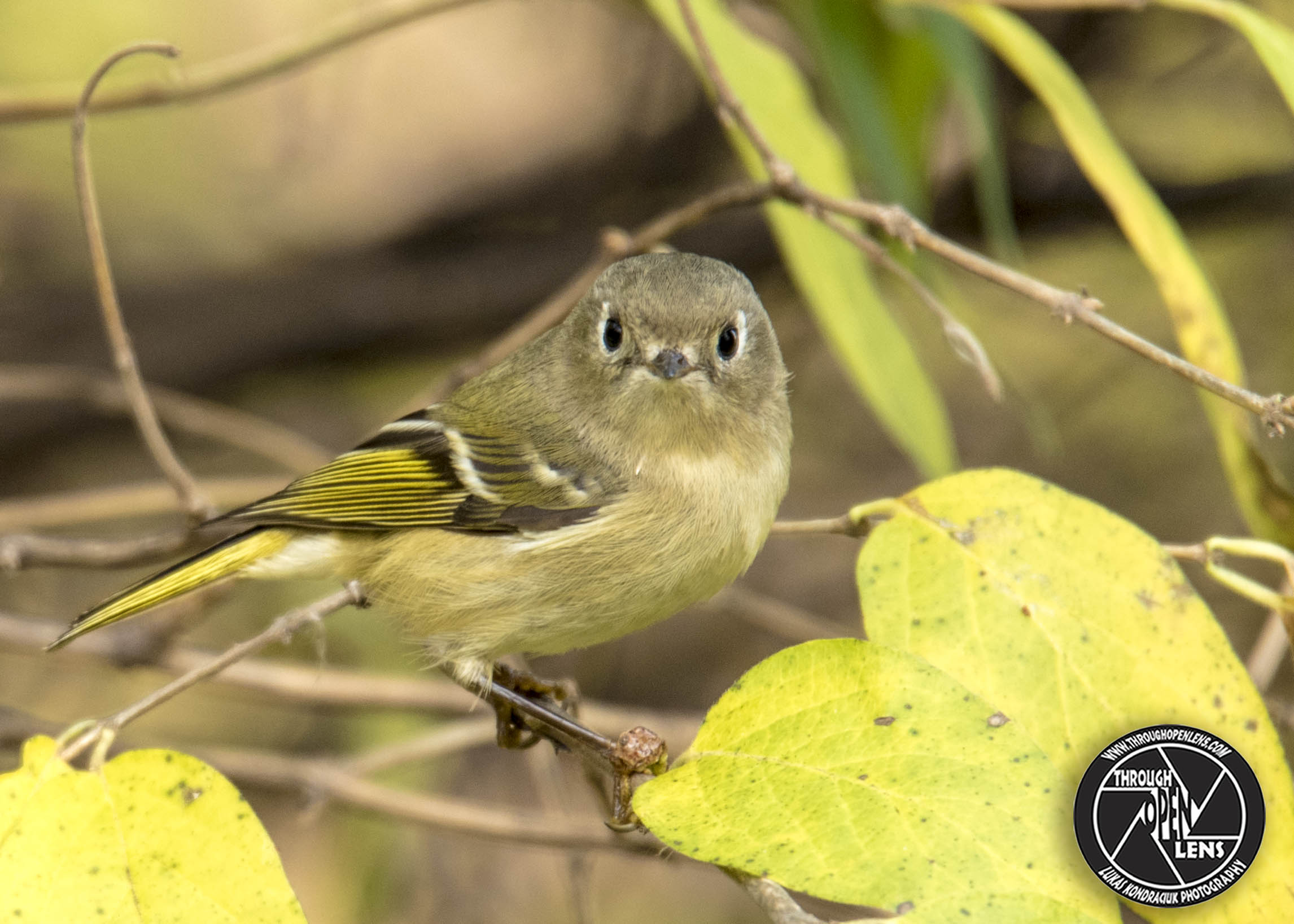
Staring Contest, GO!

F/6.3, 1/125, ISO 320.

Ruby-crowned Kinglet

What did the candle say to the other candle?

I’m going out tonight.

Interesting Fact: Metabolic studies on Ruby-crowned Kinglets suggest that these tiny birds use only about 10 calories (technically, kilocalories) per day. ( https://www.allaboutbirds.org/guide/Ruby-crowned_Kinglet/lifehistory )

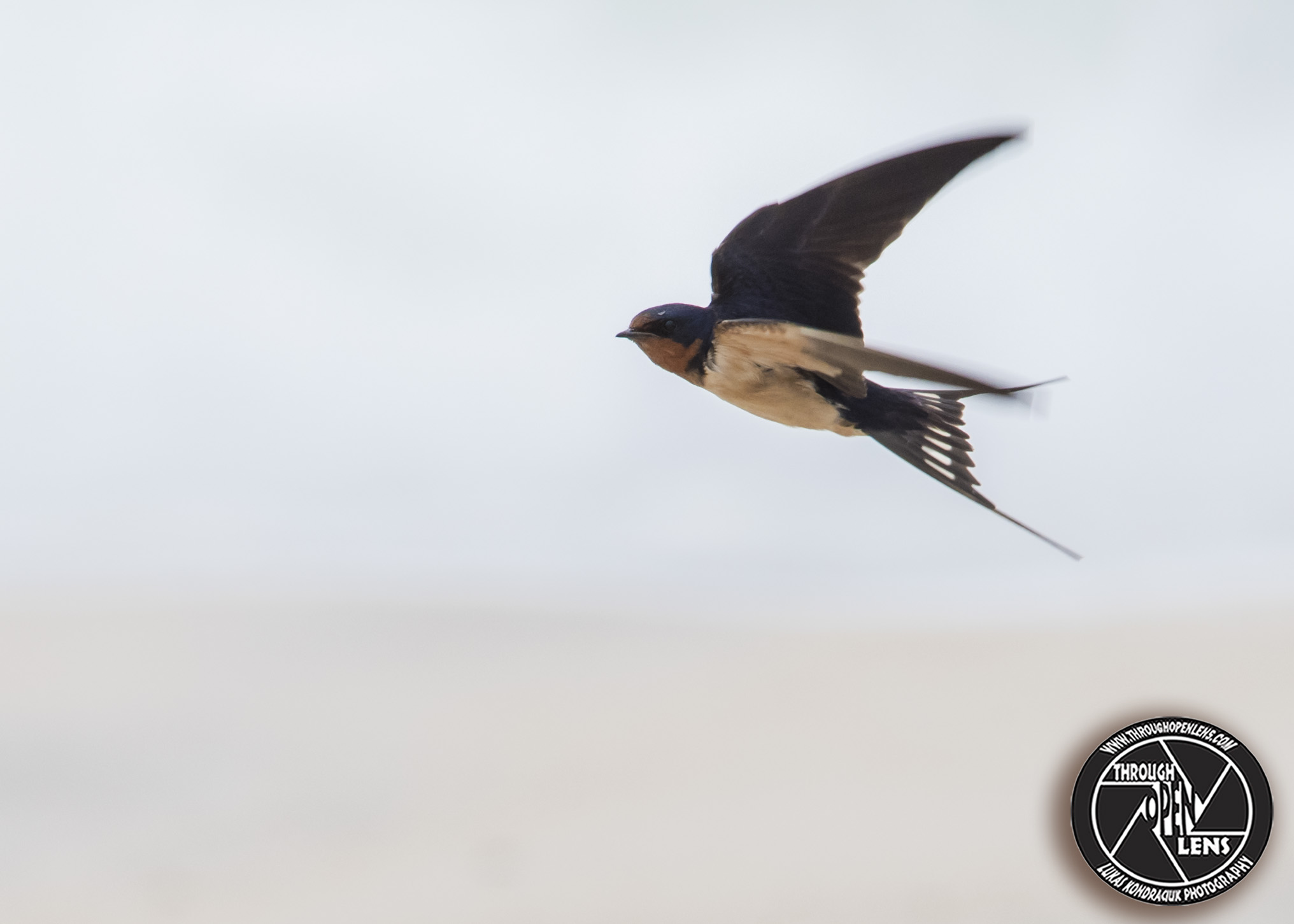
This Is Really Hard To Swallow

F/13.0, 1/640, ISO 320.

Barn Swallow

Why did the computer break up with the internet?

There was no “Connection”.

Interesting Fact: Long-distance migrant. Barn Swallows fly from North American breeding grounds to wintering areas in Central and South America. Southbound fall migration may begin by late June in Florida or early July in Massachusetts. They return as early as late January in southern California to mid-May at Alaskan breeding sites. ( https://www.allaboutbirds.org/guide/Barn_Swallow/lifehistory )

Holy Smokes Batman Your Zipper Is Down!

F/9.0, 1/320, ISO 250.

American Robin

What happens when Batman and Robin fight a steamroller?

They become Flatman and Ribbon.

Interesting Fact: Although robins are considered harbingers of spring, many American Robins spend the whole winter in their breeding range. But because they spend more time roosting in trees and less time in your yard, you’re much less likely to see them. The number of robins present in the northern parts of the range varies each year with the local conditions. ( https://www.allaboutbirds.org/guide/American_Robin/lifehistory )

Here I Sit Broken Hearted Tried To Poop But Only Farted

F/9.0, 1/320, ISO 500.

Yellow-Rumped Warbler

Why did Bob throw the clock out of the window?

Because he wanted to see time fly!

Interesting Fact: Yellow-rumped Warblers flit through the canopies of coniferous trees as they forage. They cling to the bark surface to look for hidden insects more than many warblers do, but they also frequently sit on exposed branches and catch passing insects like a flycatcher does. ( https://www.allaboutbirds.org/guide/Yellow-rumped_Warbler/lifehistory )

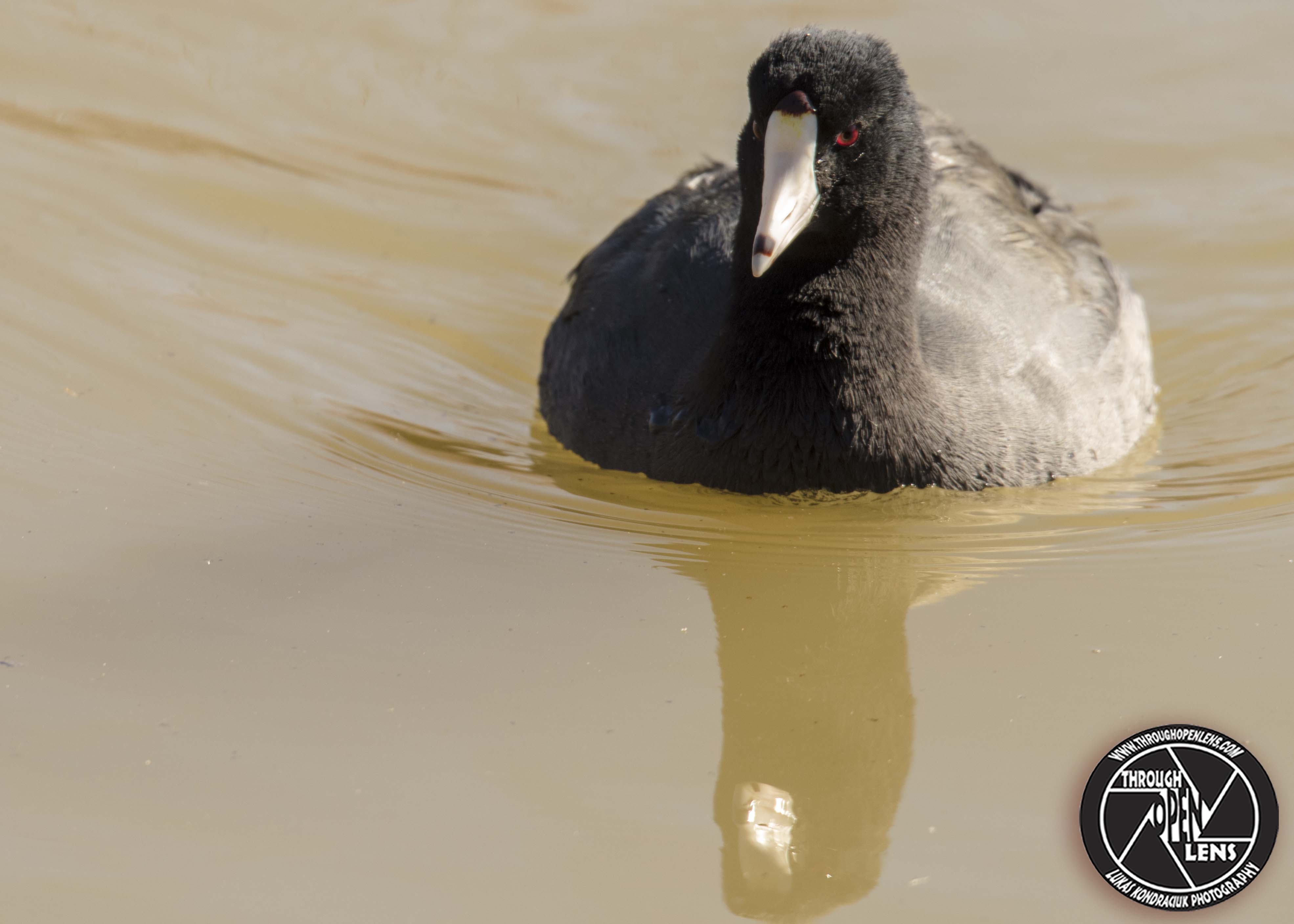
Water Chicken!

F/9.0, 1/320, ISO 320.

American Coot

“Babe is it in?”

“Yea.” “Does it hurt?”

“Uh huh.”

“Let me put it in slowly.”

“It still hurts.”

“Okay, let’s try another shoe size.”

Interesting Fact: A slow and meticulous forager, the American Coot plucks at plants while walking, swimming, dabbling with its head just underwater, or in full dives. In flight coots are clumsy and labored (though less so than Common Moorhens). To get airborne, coots typically have to beat their wings while running across the water for many yards. ( https://www.allaboutbirds.org/guide/American_Coot/lifehistory# )

Which Way Do We Go?

F/9.0, 1/320, ISO 320.

Ruddy Ducks

Where do sheep go to get haircuts?

To the Baa Baa shop!

Interesting Fact: Ruddy Ducks spend the vast majority of their time on the water. They are fast fliers but have little maneuverability in the air, and they tend to swim and dive rather than fly to escape predators—which include Red-tailed Hawks, Great Horned Owls, mink, raccoons, and red foxes.  ( https://www.allaboutbirds.org/guide/Ruddy_Duck/lifehistory )