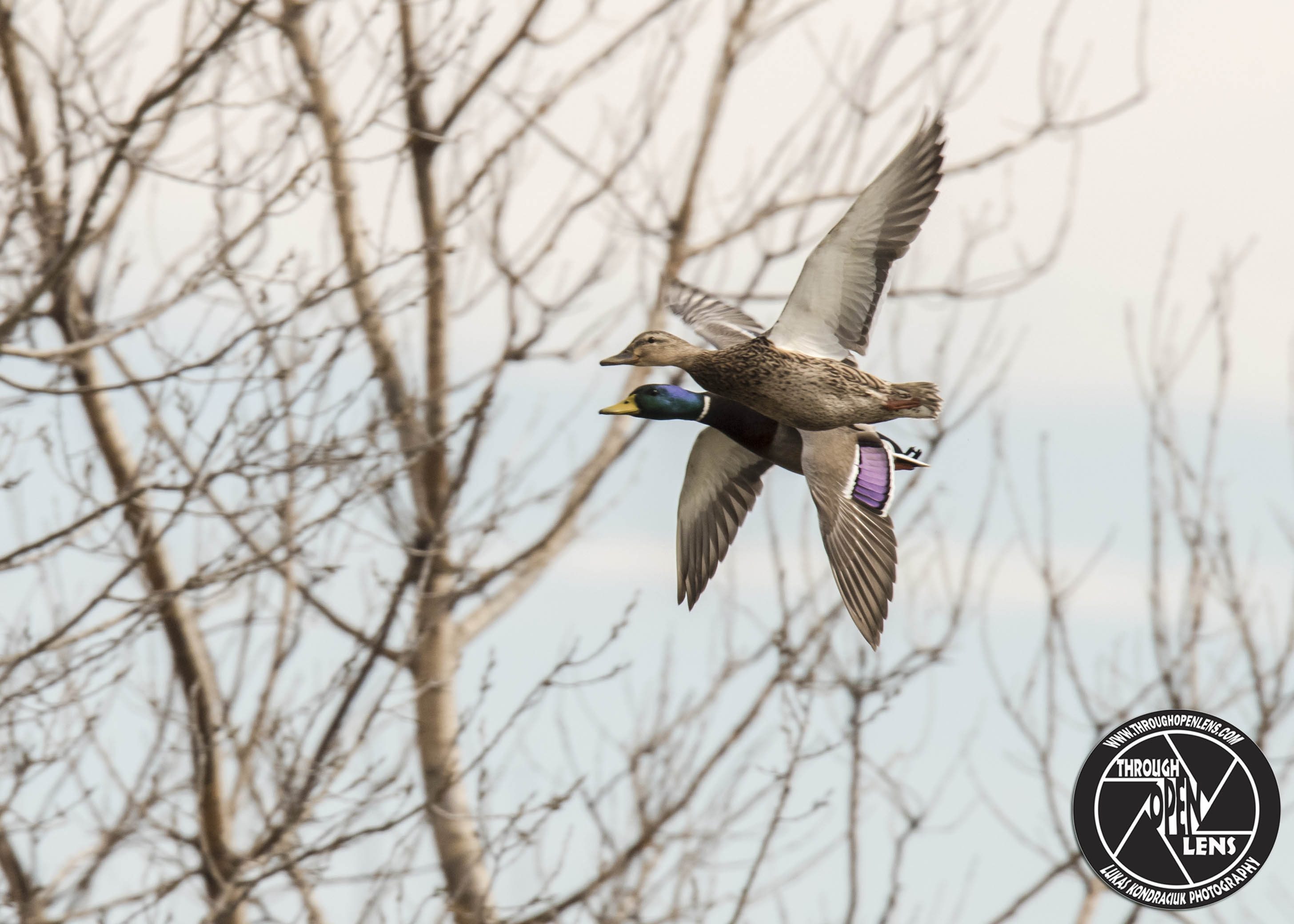
Together We Fly!

F/13.0, 1/640, ISO 400.

Mallard

As a scarecrow, people say I’m outstanding in my field.

But hay, it’s in my jeans.

Interesting Fact: Mallards, like other ducks, shed all their flight feathers at the end of the breeding season and are flightless for 3–4 weeks. They are secretive during this vulnerable time, and their body feathers molt into a concealing “eclipse” plumage that can make them hard to identify. ( https://www.allaboutbirds.org/guide/Mallard )
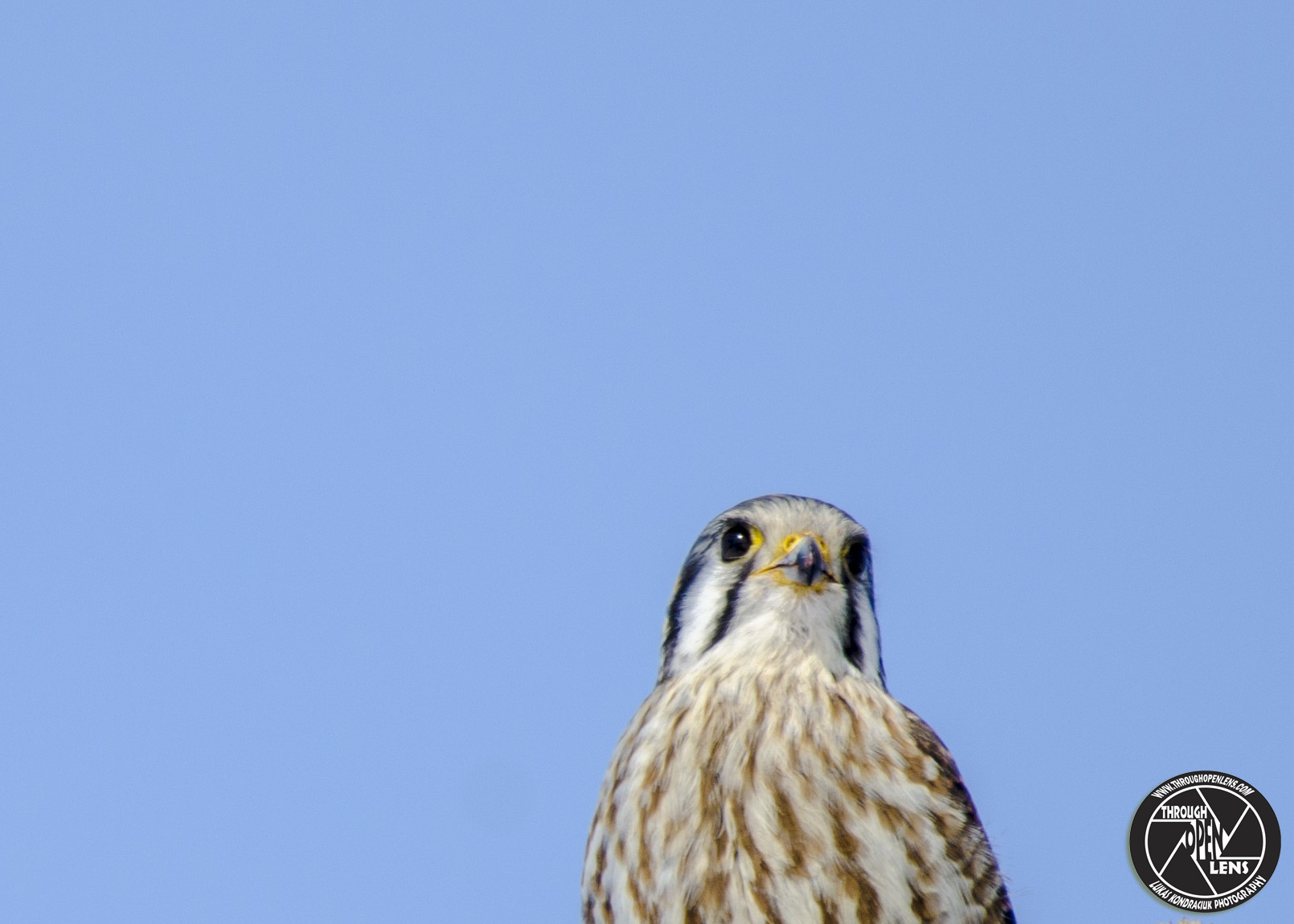
HELLO From The Other Side!

F/6.3, 1/640, ISO 200.

American Kestrel

What did the painter say to her boyfriend?

“I love you with all my art!”

Interesting Fact: It can be tough being one of the smallest birds of prey. Despite their fierce lifestyle, American Kestrels end up as prey for larger birds such as Northern Goshawks, Red-tailed Hawks, Barn Owls, American Crows, and Sharp-shinned and Cooper’s Hawks, as well as rat snakes, corn snakes, and even fire ants. ( https://www.allaboutbirds.org/guide/American_Kestrel )

How low can you go?

northern-shoveler-2

F/9.0, 1/320, ISO 250.

Northern Shoveler 

How do you know if there’s a snowman in your bed?

You wake up wet!

Interesting Fact: The bill of the Northern Shoveler is about 6.5 cm (2.5 inches) long. The bill has has about 110 fine projections (called lamellae) along the edges, for straining food from water. ( https://www.allaboutbirds.org/guide/Northern_Shoveler/lifehistory )

Is It True That You Just Love Me For My Breasts?


F/6.0, 1/160, ISO 320.

Wild Turkey

What did the turkey say to the computer?

Google, google, google.

Interesting Fact: Wild Turkeys live year-round in open forests with interspersed clearings in 49 states (excluding Alaska), parts of Mexico, and parts of southern Alberta, Ontario, Manitoba, and Saskatchewan, Canada.  ( https://www.allaboutbirds.org/guide/Wild_Turkey/lifehistory )


How You Like My Tuxedo!

dark-eyed-junco-2

F/8.0, 1/200, ISO 320.

Dark-eyed Junco

Caller: Dials in 911 Hello officer, I broke my arm in 3 places!

Officer: Then stop going to those places.

Interesting Fact: When foraging, Dark-eyed Juncos typically hop (rather than walk) on the ground, pecking or scratching at the leaf litter, or flit very low in underbrush gleaning food from twigs and leaves. They sometimes fly up from the ground to catch insects from tree trunks. In flight, they flap continuously and pump their tails so the white outer tail feathers flash; flight is very agile as the bird maneuvers through its tangled environs. ( https://www.allaboutbirds.org/guide/Dark-eyed_Junco/lifehistory )

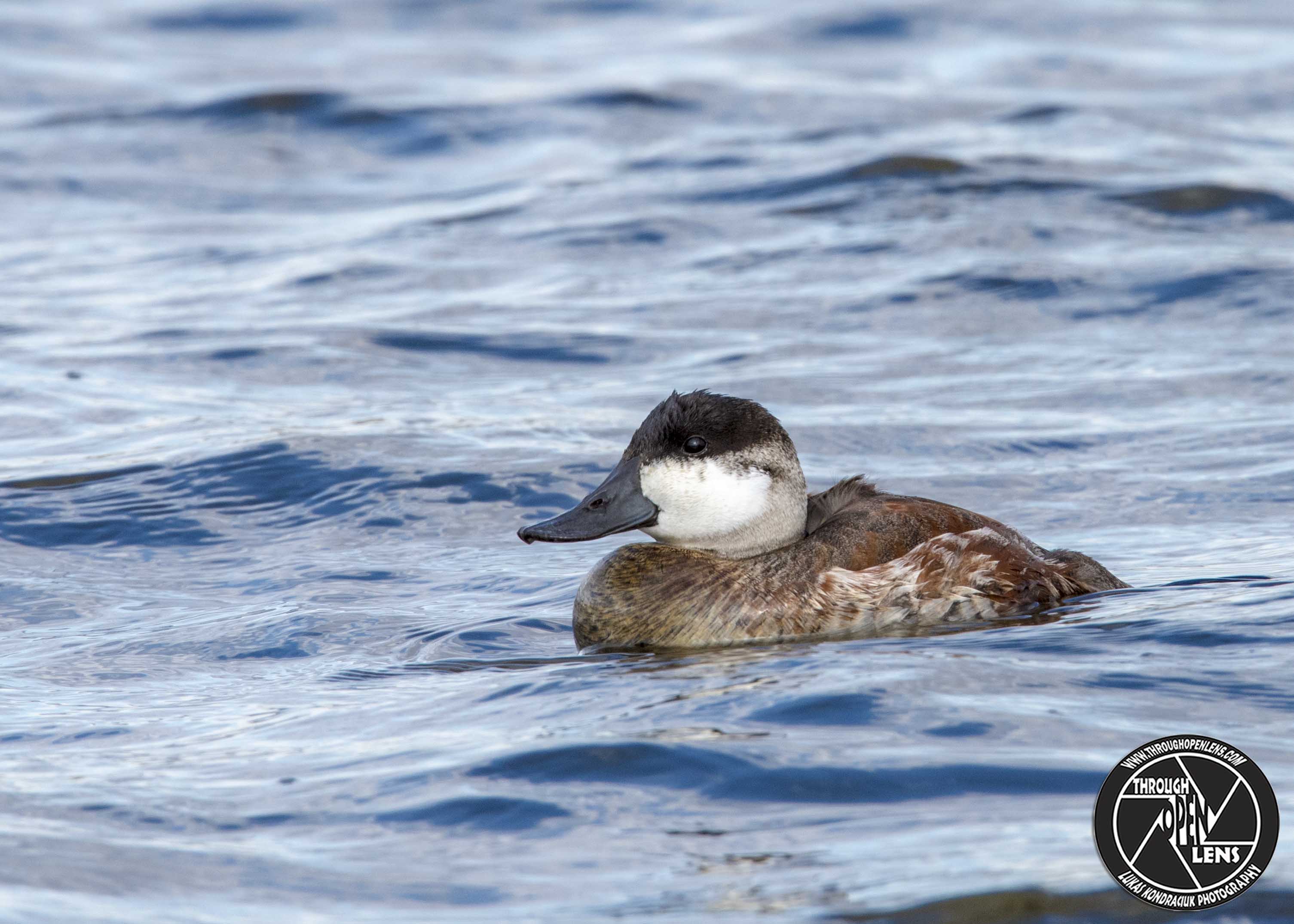
Sometimes Life Isn’t All It’s Quacked Up To Be!

F/11.0, 1/500, ISO 500.

Ruddy Duck

Why are trees so care free and easy going?

Because every fall, they let loose.

Interesting Fact: Ruddy Ducks breed in wetlands and reservoirs from southwestern Canada through the western United States and Mexico, as well as in scattered sites in the eastern United States and on the Caribbean islands. About 86 percent of the breeding population is concentrated in the prairie pothole region of south-central Canada and north-central United States. Their breeding habitat includes large marshes, stock ponds, reservoirs, and deep natural basins. ( https://www.allaboutbirds.org/guide/Ruddy_Duck/lifehistory )

Head Banging Is My Stress Reduction!

F/6.3, 1/800, ISO 800.

Yellow-Bellied Sapsucker

Why did the police arrest the turkey?

They suspected it of fowl play!

Interesting Fact: Yellow-bellied Sapsuckers have been found drilling sapwells in more than 1,000 species of trees and woody plants, though they have a strong preference for birches and maples. ( https://www.allaboutbirds.org/guide/Yellow-bellied_Sapsucker )

Don’t Forget To Duck!

F/6.3, 1/400, ISO 400.

Hooded Merganser

What did the calculator say to the math student?

You can count on me.

Interesting Fact: On the bird family tree, Hooded Mergansers (genus Lophodytes) lie between goldeneyes (Bucephala) and the other North American mergansers (Mergus). They share many courtship behaviors and calls with both of those groups. ( https://www.allaboutbirds.org/guide/Hooded_Merganser/lifehistory )

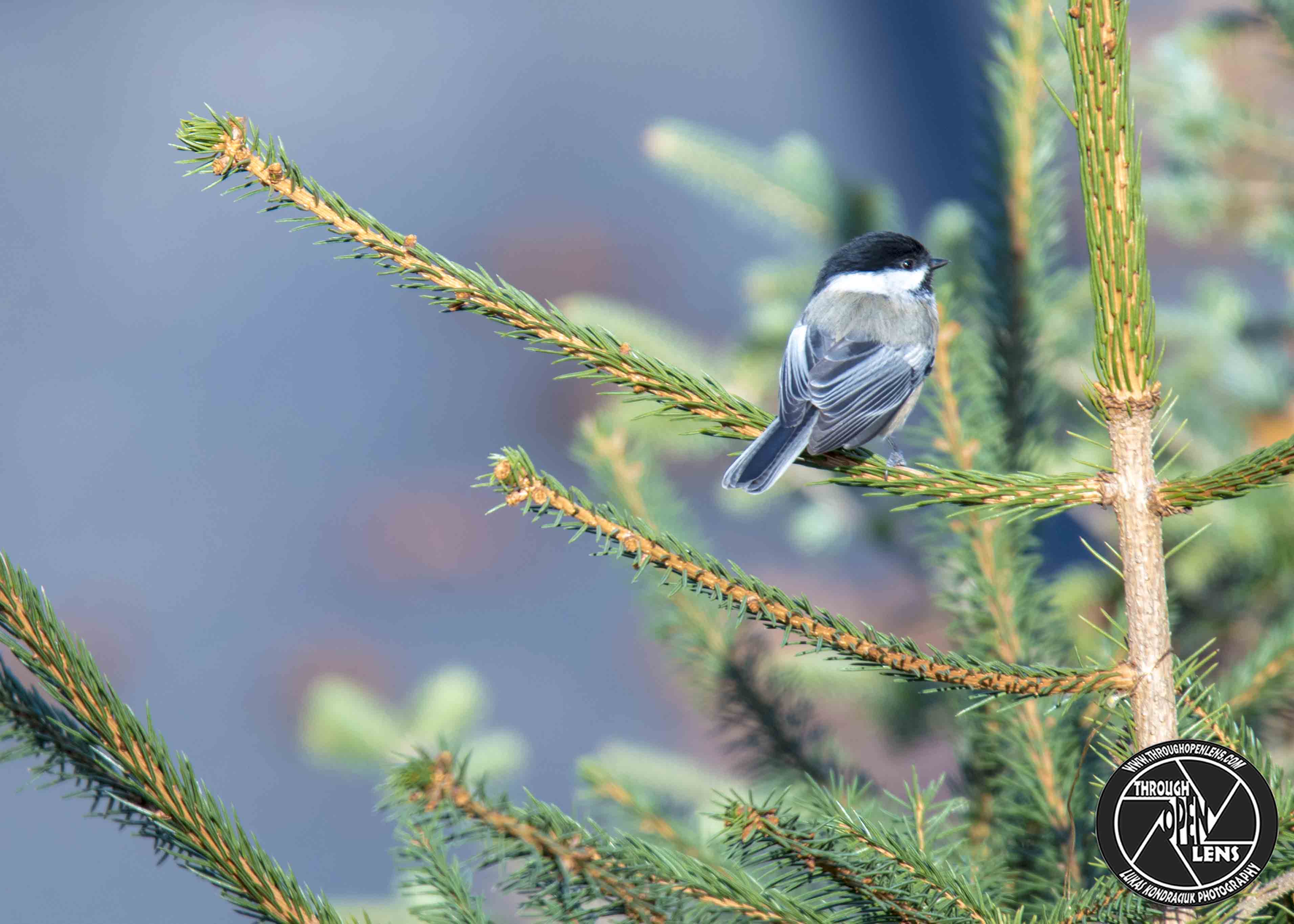
Sometimes I Pretend To Be Normal But It Gets Boring. So I Go Back To Being Me.

F/7.1, 1/200, ISO 250.

Black-capped Chickadee 

What’s the difference between a cat and a frog?

A Cat has nine lives but a Frog croaks every night!

Interesting Fact: Even when temperatures are far below zero, chickadees virtually always sleep in their own individual cavities. In rotten wood, they can excavate nesting and roosting holes entirely on their own. ( https://www.allaboutbirds.org/guide/Black-capped_Chickadee )

I’m Feeling A Bit Puffy Today!

F/7.1, 1/200, ISO 250.

Blue Jay

Why did the girl bring lipstick and eye shadow to school?

She had a make-up exam!

Interesting Fact: The Blue Jay frequently mimics the calls of hawks, especially the Red-shouldered Hawk. These calls may provide information to other jays that a hawk is around, or may be used to deceive other species into believing a hawk is present. (  https://www.allaboutbirds.org/guide/Blue_Jay/lifehistory )