Fast and Furry-ous!

F/7.1, 1/200, ISO 250.

Chipmunk

Why was the chipmunk late for work?

Traffic was NUTS.

Interesting Fact: Depending on species, chipmunks can be gray to reddish-brown in color with contrasting dark and light stripes on the sides of their face and across their back and tail. They range in size from the least chipmunk, which, at 7.2 to 8.5 inches and 1.1 to 1.8 ounces, is the smallest chipmunk, to the eastern chipmunk, which grows up to 11 inches and weighs as much as 4.4 ounces. ( http://www.nationalgeographic.com/animals/mammals/group/chipmunks/ )


It Seems To Me The Vultures Have Stopped Circling.

F/6.3, 1/60, ISO 400.

Turkey Vultures

What do you call security guards working outside Samsung shops?

Guardians of the Galaxy.

The Turkey Vulture’s distinctive slow, teetering flight style probably helps the bird soar at low altitudes, where it is best able to use its nose to find carrion. At other times they may soar high on thermals and form mixed flocks or kettles. On the ground they move with ungainly hops and are less agile than Black Vultures. Often, especially in the morning, they can be seen standing erect, wings spread in the sun, presumably to warm up, cool off, or dry off. ( https://www.allaboutbirds.org/guide/Turkey_Vulture/lifehistory )

Peck Me If You Can!

F/9.0, 1/1250, ISO 800.

Red-Bellied Woodpecker

Why did the owl, owl?

Because the woodpecker would peck ‘er!

Interesting Fact: A Red-bellied Woodpecker can stick out its tongue nearly 2 inches past the end of its beak. The tip is barbed and the bird’s spit is sticky, making it easier to snatch prey from deep crevices. Males have longer, wider-tipped tongues than females, possibly allowing a breeding pair to forage in slightly different places on their territory and maximize their use of available food. ( https://www.allaboutbirds.org/guide/Red-bellied_Woodpecker/lifehistory )


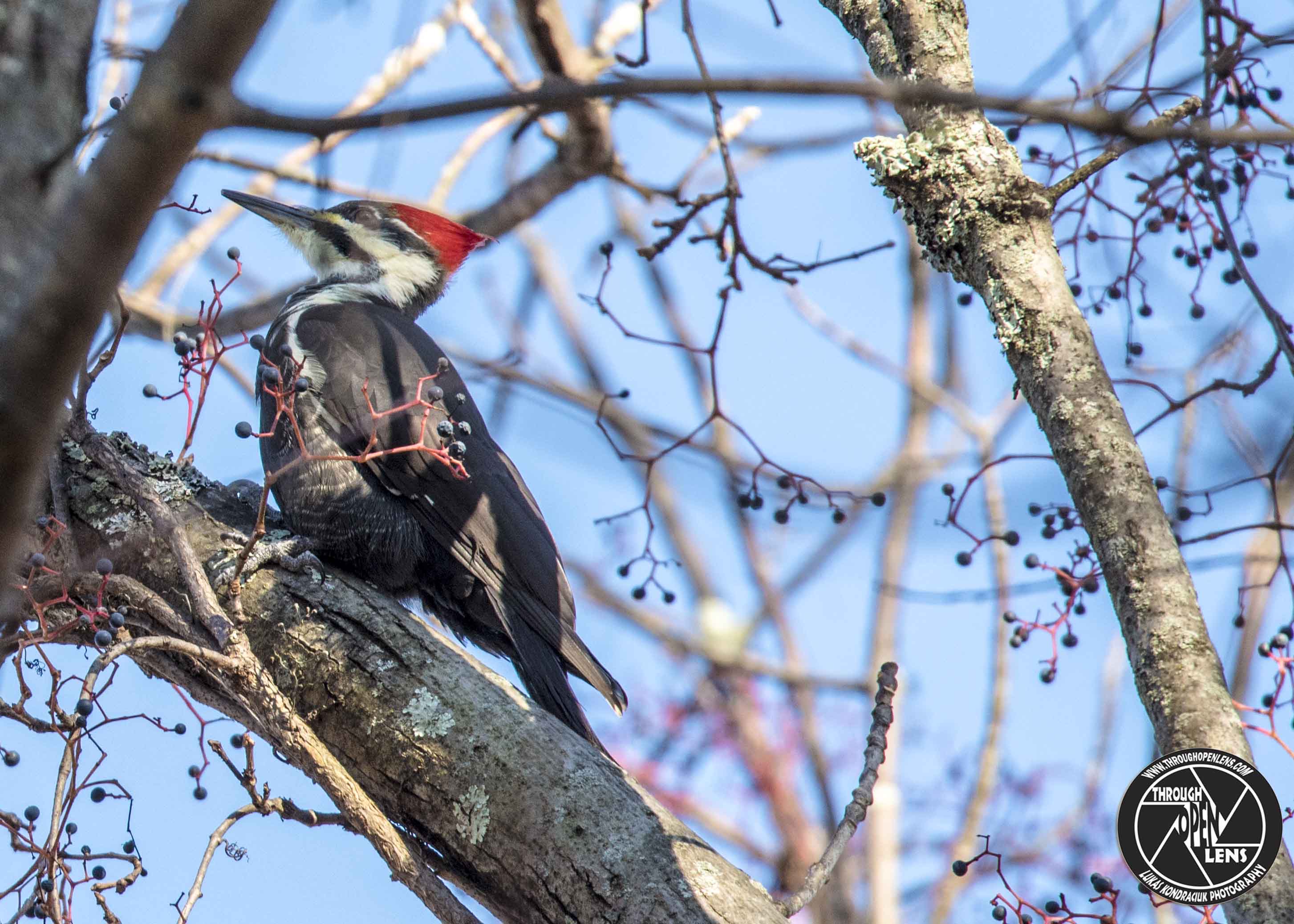
Peck Like There Is No Tomorrow!

F/9.0, 1/320, ISO 400.

Pileated Woodpecker 

Why do mummies make great spies?

They’re good at keeping things under wraps.

Interesting Fact: Pileated Woodpeckers forage in large, dead wood—standing dead trees, stumps, or logs lying on the forest floor. They make impressive rectangular excavations that can be a foot or more long and go deep inside the wood. These holes pursue the tunnels of carpenter ants, the woodpecker’s primary food. The birds also use their long, barbed tongues to extract woodboring beetle larvae (which can be more than an inch long) or termites lying deep in the wood. ( https://www.allaboutbirds.org/guide/Pileated_Woodpecker/lifehistory )

Just Be Free!

F/10.0, 1/400, ISO 250.

Wild Turkeys 

What animal should you never play cards with?

A cheetah.

Interesting Fact: Because of their large size, compact bones, and long-standing popularity as a dinner item, turkeys have a better known fossil record than most other birds. Turkey fossils have been unearthed across the southern United States and Mexico, some of them dating from more than 5 million years ago. ( https://www.allaboutbirds.org/guide/Wild_Turkey/lifehistory )


I Just Love The Way I Feel, Hmmm.

F/11.0, 1/500, ISO 200.

Mute Swan

What do clouds do when they become rich?

They make it rain!

Interesting Fact: Mute Swans form long-lasting pair bonds. Their reputation for monogamy along with their elegant white plumage has helped establish them as a symbol of love in many cultures. ( https://www.allaboutbirds.org/guide/Mute_Swan/lifehistory )

I Hate When I’m Staring At Nothing In Particular, And Then Realize I’m Staring At Someone.

F/9.0, 1/320, ISO 160.

White-breasted Nuthatch

When do people start using their trampoline?

Spring-Time

Interesting Fact: White-breasted Nuthatches forage up, down, and sideways over tree trunks and around large branches. They often (though not always) start high in trees and move down them head first, pausing to crane their necks up and back, toward the horizontal, for a look around. They probe into bark crevices or chip away at wood to find food. When they find large nuts and seeds, they jam them into the bark and hammer them open. White-breasted Nuthatches often store seeds and insects one at a time, and somewhat haphazardly, under loose bark on their territory. They typically hide the food by covering it with a piece of bark, lichen, moss, or snow. ( https://www.allaboutbirds.org/guide/White-breasted_Nuthatch/id )

My Life Feels Like A Test I Didn’t Study For.

F/9.0, 1/320, ISO 320.

Peregrine Falcon

What is the difference between inlaws and outlaws?

Outlaws are wanted! (or You can shoot outlaws!)

Interesting Fact: When hunting, Peregrines start by watching from a high perch or by flapping slowly or soaring at great height. Stoops begin 300–3,000 feet above their prey and end either by grabbing the prey or by striking it with the feet hard enough to stun or kill it. They then catch the bird and bite through the neck to kill it. ( https://www.allaboutbirds.org/guide/Peregrine_Falcon/lifehistory )


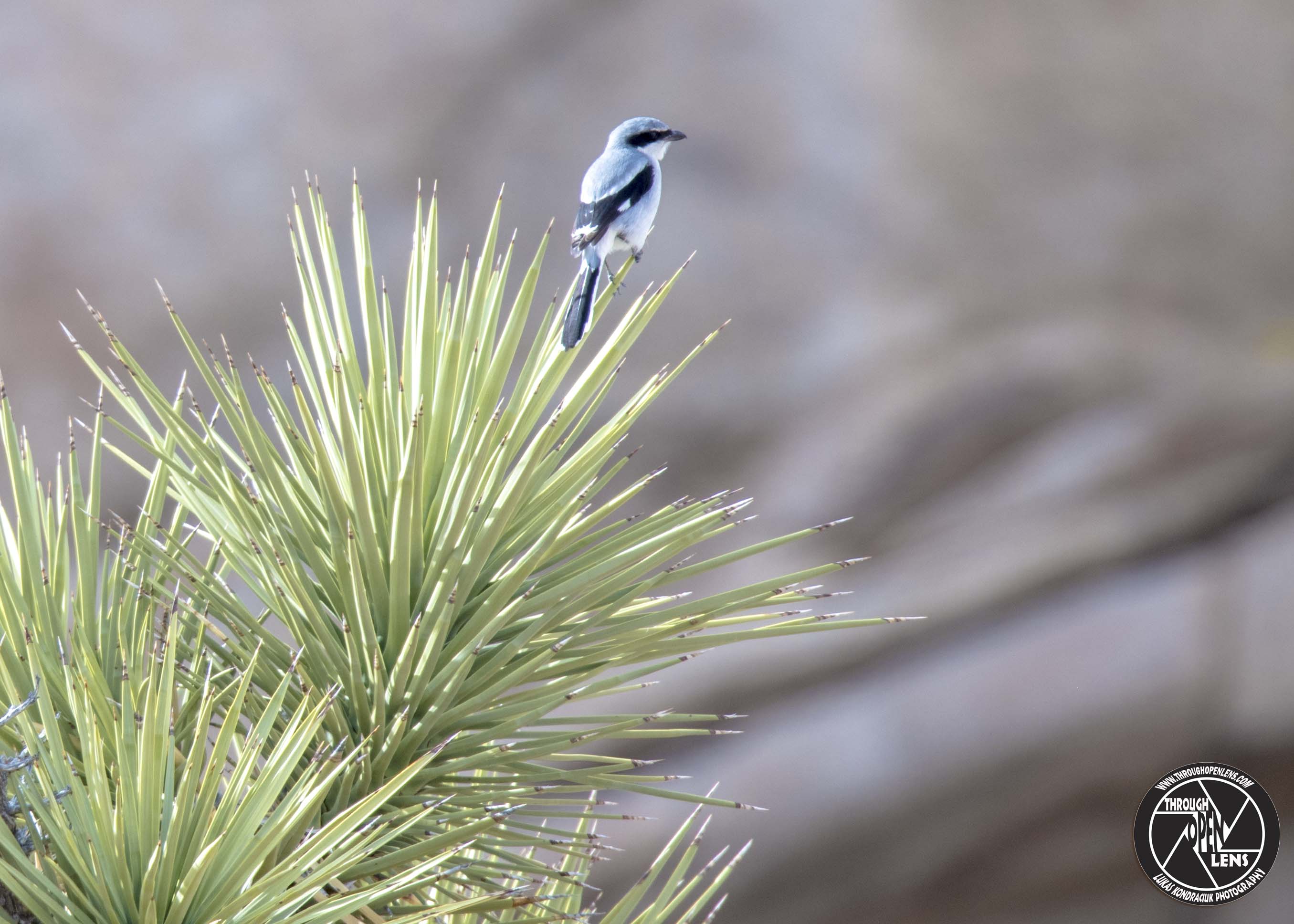
Life Is Like A Cactus, Full Of Pricks, But Also Very Beautiful.

F/8.0, 1/250, ISO 250.

Loggerhead Shrike

What is a soldiers least favorite month of the year?

March

Interesting Fact: Loggerhead Shrikes impale noxious prey such as monarch butterflies and eastern narrow-mouthed toads—then wait for up to three days to eat them, which allows time for the poisons to break down. These shrikes also eat the heads and abdomens of toxic lubber grasshoppers, while discarding the insect’s poisonous thorax. ( https://www.allaboutbirds.org/guide/Loggerhead_Shrike )


Be Your Self Everyone Else Is Already Taken!

F/6.3, 1/400, ISO 1600.

Hooded Merganser ( Male )

Did you hear that all the toilets at the police station were stolen?

Yeah… the cops got nothing to go on.

Interesting Fact: Hooded Merganser ducklings leave their nest cavity within 24 hours of hatching. First, their mother checks the area around the nest and calls to the nestlings from ground level. From inside the nest, the little fluffballs scramble up to the entrance hole and then flutter to the ground, which may be 50 feet or more below them. In some cases they have to walk half a mile or more with their mother to the nearest body of water. ( https://www.allaboutbirds.org/guide/Hooded_Merganser )