Life Is Better When You’re Laughing

F/11.0, 1/500, ISO 320.

Laughing Gull  

Why do hamburgers go to the gym?

To get better buns

Interesting Fact: The Laughing Gull is normally diurnal, or active during the day. During the breeding season it forages at night as well. It usually looks for food along the beach at night, but will also hover to catch insects around lights. ( https://www.allaboutbirds.org/guide/Laughing_Gull/lifehistory )


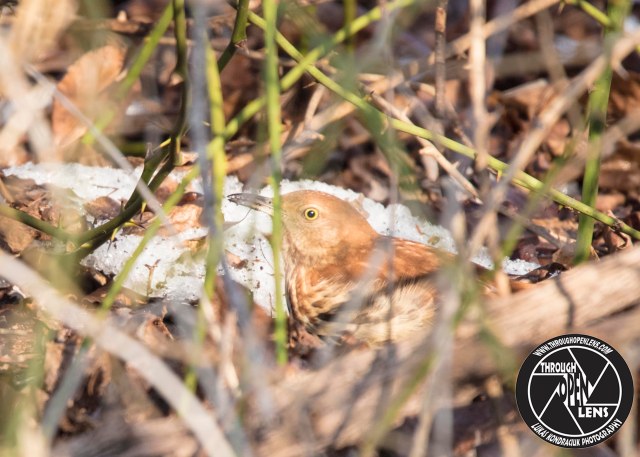
I See You Watching Me!

brown-thrasher

F/6.3, 1/160, ISO 320.

Brown Thrasher

A bird was flying south for Winter, but he had left it too late and was frozen solid in a storm. He dropped down into a pasture of cows. The biggest, fattest cow was doing a crap there, and the bird landed in it.

At first he was disgusted, until he realised the poo was thawing him out! He started crying out for joy as the ice melted. A cat that was nearby heard the cries, walked over, saw the bird and ate it

There are three morals to this story:

1. Not everyone who gets you into sh*t is your enemy

2. Not everyone who gets you out of sh*t is your friend

3. If you are in s#!t, keep your mouth shut

Interesting Fact: Brown Thrashers are accomplished songsters that may sing more than 1,100 different song types and include imitations of other birds, including Chuck-will’s-widows, Wood Thrushes, and Northern Flickers. ( https://www.allaboutbirds.org/guide/Brown_Thrasher/lifehistory )

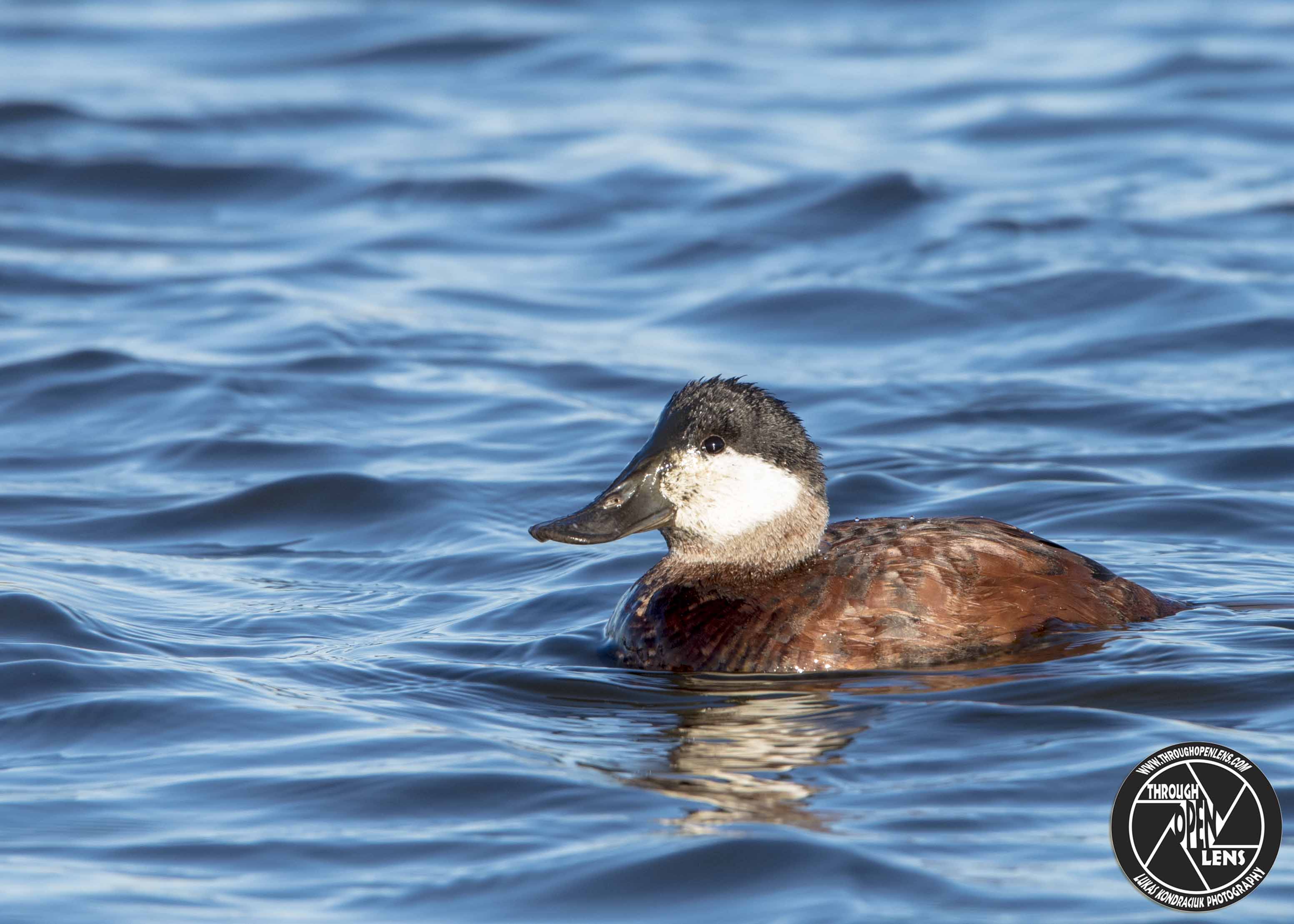
People Say Nothing Is Impossible, But I Do Nothing Every Day.

F/10.0, 1/400, ISO 250.

Ruddy Duck 

Why are mountains so funny?

Because they are hill areas.

Interesting Fact: Most males pair up with one female each for the duration of the breeding season, but some take multiple mates. Their eggs are proportionally the largest of all waterfowl. The ducklings hatch well-developed and active, receiving minimal care from the mother and none from the father. Ducklings are preyed upon by Black-crowned Night-Herons, Ring-billed Gulls, California Gulls, mink, and raccoons. ( https://www.allaboutbirds.org/guide/Ruddy_Duck/lifehistory )


Which Way Did He Go, George? Which Way Did He Go?

european-starlings

F/10.0, 1/400, ISO 320.

European Starlings

What’s a good snowing tip?

Never catch snowflakes with your tongue until all the birds have gone south for the winter.

Interesting Fact: All the European Starlings in North America descended from 100 birds set loose in New York’s Central Park in the early 1890s. The birds were intentionally released by a group who wanted America to have all the birds that Shakespeare ever mentioned. It took several tries, but eventually the population took off. Today, more than 200 million European Starlings range from Alaska to Mexico, and many people consider them pests.  ( https://www.allaboutbirds.org/guide/European_Starling/lifehistory )


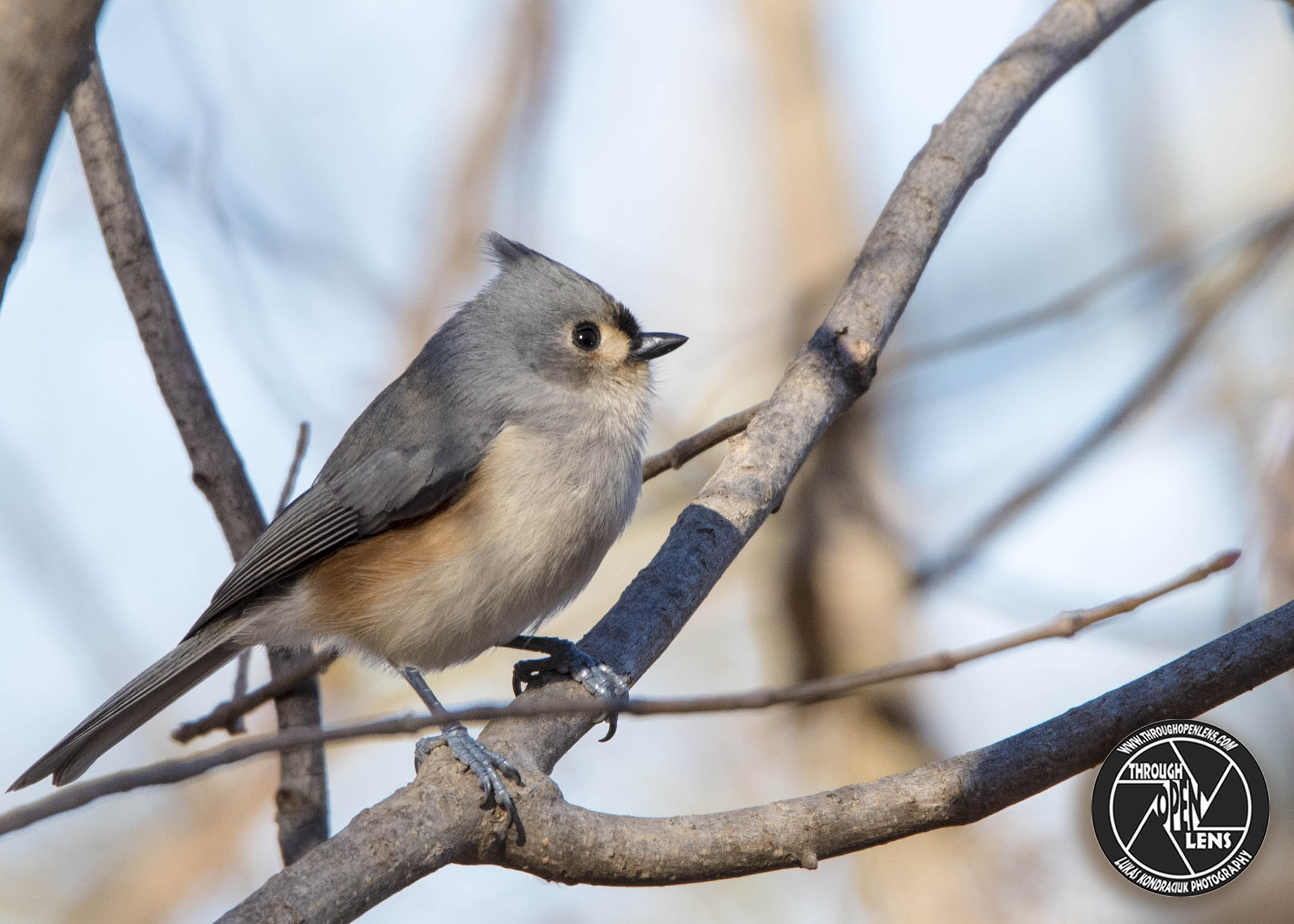
Not In A Tweeting Mood!

tufted-titmouse-3

F/10.0, 1/400, ISO 400.

Tufted Titmouse

Why did the storm trooper buy an iphone?

He couldn’t find the Droid he was looking for.

Interesting Fact: Tufted Titmice often line the inner cup of their nest with hair, sometimes plucked directly from living animals. The list of hair types identified from old nests includes raccoons, opossums, mice, woodchucks, squirrels, rabbits, livestock, pets, and even humans. ( https://www.allaboutbirds.org/guide/Tufted_Titmouse/lifehistory )


Time Is Just Flying By

F/6.3, 1/500, ISO 250.

Northern Pintail Duck 

A man walks into an army surplus store and asks if they have any camouflage jackets.

“Yes, we do,” replies the assistant. “But we can’t find any of them.”

Interesting Fact: The female makes several scrapes in the ground before she starts building the nest, ultimately choosing the last scrape made. She slowly adds grasses and down to the depression while laying eggs to form a shallow bowl approximately 7–10 inches wide and 2–4 inches deep. ( https://www.allaboutbirds.org/guide/Northern_Pintail/lifehistory )


Life Is Only A Reflection Of What We Allow Ourselves To See

mallard-5

F/7.1, 1/200, ISO 320.

Mallard

A duck waddles into a card shop, he waddles his way to the front desk asking the clerk, Do you got any tape?

The clerk replies, No. So the duck waddles away. The very next day at the same time the same duck waddles into the Card Shop he waddles right up to that same clerk asking him, Do you have any tape?

The clerk looking irritated replying in a stern voice, No! We are a card shop we sell cards not tape! And if you ask me again I will nail your bill to the counter!

So the duck just waddles away. At the same time the next day the Duck is waddling into that same card shop He waddles right up to that same clerk asking him, do you have any nails? The clerk says, no. Then the duck replied good!! So do you have any tape?

Interesting Fact: Mallard pairs form long before the spring breeding season. Pairing takes place in the fall, but courtship can be seen all winter. Only the female incubates the eggs and takes care of the ducklings. ( https://www.allaboutbirds.org/guide/Mallard/lifehistory )

Branch Manager

yellow-rumped-warbler

F/9.0, 1/320, ISO 500.

Yellow-Rumped Warbler

What did the tree do when the bank closed?

It started its own branch.

Interesting Fact: Male Yellow-rumped Warblers tend to forage higher in trees than females do. ( https://www.allaboutbirds.org/guide/Yellow-rumped_Warbler/lifehistory )


Well…This Is Hawkward

red-tailed-hawk-hawkward

F/13.0, 1/640, ISO 320.

Red-tailed Hawk 

Where do animals go when their tails fall off?

The retail store!

Interesting Fact: The Red-tailed Hawk has a thrilling, raspy scream that sounds exactly like a raptor should sound. At least, that’s what Hollywood directors seem to think. Whenever a hawk or eagle appears onscreen, no matter what species, the shrill cry on the soundtrack is almost always a Red-tailed Hawk. ( https://www.allaboutbirds.org/guide/Red-tailed_Hawk/lifehistory )


Get My Good Side! Ew

F/7.1, 1/200, ISO 250.

Blue Jay

What did one wall say to the other wall?

Meet ya’ at the corner!

Interesting Facts: This common, large songbird is familiar to many people, with its perky crest; blue, white, gray, and black plumage; and noisy calls. Blue Jays are known for their intelligence and complex social systems, and have tight family bonds. They often mate for life, remaining with their social mate throughout the year. ( https://www.allaboutbirds.org/guide/Blue_Jay/lifehistory )