Don’t Forget To Duck!

F/14.0, 1/800, ISO 640.

Northern Shoveler 

To whom do fish go to borrow money?

The loan shark!

Interesting Fact: They are fairly social ducks, occurring in groups with shovelers and other dabbling ducks, especially during the winter. During the breeding season, they are less tolerant of other shovelers encroaching on their territory. Defensive males often chase intruders on the water and in the air. ( https://www.allaboutbirds.org/guide/Northern_Shoveler/lifehistory )


DON’T PANIC!

F/5.6, 1/500, ISO 360.

Canada Goose 

A man goes to his doctor because he’s been feeling very ill for days. The doctor gives him several sets of pills.

The doctor instructs; “Take the green pill with two big glasses of water when you get up. An hour later, take the white pill with another glass of water. Take the blue pill with a big glass of water after lunch. Mid afternoon, take the orange pill with plenty of water, and repeat that at dinner. Then, just before going to bed, take the red pill with several big glasses of water.”

The man is alarmed at huge volume of medicine he has been given to take, and nervously asks, “What’s the diagnosis? What’s wrong with me?”

The doctor says, “You’re dehydrated.”

Interesting Fact: The “giant” Canada Goose, Branta canadensis maxima, bred from central Manitoba to Kentucky but was nearly driven extinct in the early 1900s. Programs to reestablish the subspecies to its original range were in many places so successful that the geese have become a nuisance in many urban and suburban areas.  ( https://www.allaboutbirds.org/guide/Canada_Goose/lifehistory )

It Seems To Me The Vultures Have Stopped Circling.

F/6.3, 1/60, ISO 400.

Turkey Vultures

What do you call security guards working outside Samsung shops?

Guardians of the Galaxy.

The Turkey Vulture’s distinctive slow, teetering flight style probably helps the bird soar at low altitudes, where it is best able to use its nose to find carrion. At other times they may soar high on thermals and form mixed flocks or kettles. On the ground they move with ungainly hops and are less agile than Black Vultures. Often, especially in the morning, they can be seen standing erect, wings spread in the sun, presumably to warm up, cool off, or dry off. ( https://www.allaboutbirds.org/guide/Turkey_Vulture/lifehistory )

Peck Me If You Can!

F/9.0, 1/1250, ISO 800.

Red-Bellied Woodpecker

Why did the owl, owl?

Because the woodpecker would peck ‘er!

Interesting Fact: A Red-bellied Woodpecker can stick out its tongue nearly 2 inches past the end of its beak. The tip is barbed and the bird’s spit is sticky, making it easier to snatch prey from deep crevices. Males have longer, wider-tipped tongues than females, possibly allowing a breeding pair to forage in slightly different places on their territory and maximize their use of available food. ( https://www.allaboutbirds.org/guide/Red-bellied_Woodpecker/lifehistory )


Waiting Here For You

F/13.0, 1/640, ISO 320.

Great Black-backed Gull

Four high school boys afflicted with spring fever skipped morning classes. After lunch they reported to the teacher that they had a flat tire.

Much to their relief she smiled and said, “Well, you missed a test today so take seats apart from one another and take out a piece of paper.”

Still smiling, she waited for them to sit down. Then she said: “First Question: Which tire was flat?”

Interesting Fact: The Great Black-backed Gull is one of many bird species whose feathers were used for fashionable clothing in the 1800s. After the demise of the feather trade in the early 1900s, Great Black-backed Gull populations increased and spread farther south. Garbage dumps and other sources of human refuse have contributed to their range expansion. ( https://www.allaboutbirds.org/guide/Great_Black-backed_Gull/lifehistory )

My Life Feels Like A Test I Didn’t Study For.

F/9.0, 1/320, ISO 320.

Peregrine Falcon

What is the difference between inlaws and outlaws?

Outlaws are wanted! (or You can shoot outlaws!)

Interesting Fact: When hunting, Peregrines start by watching from a high perch or by flapping slowly or soaring at great height. Stoops begin 300–3,000 feet above their prey and end either by grabbing the prey or by striking it with the feet hard enough to stun or kill it. They then catch the bird and bite through the neck to kill it. ( https://www.allaboutbirds.org/guide/Peregrine_Falcon/lifehistory )


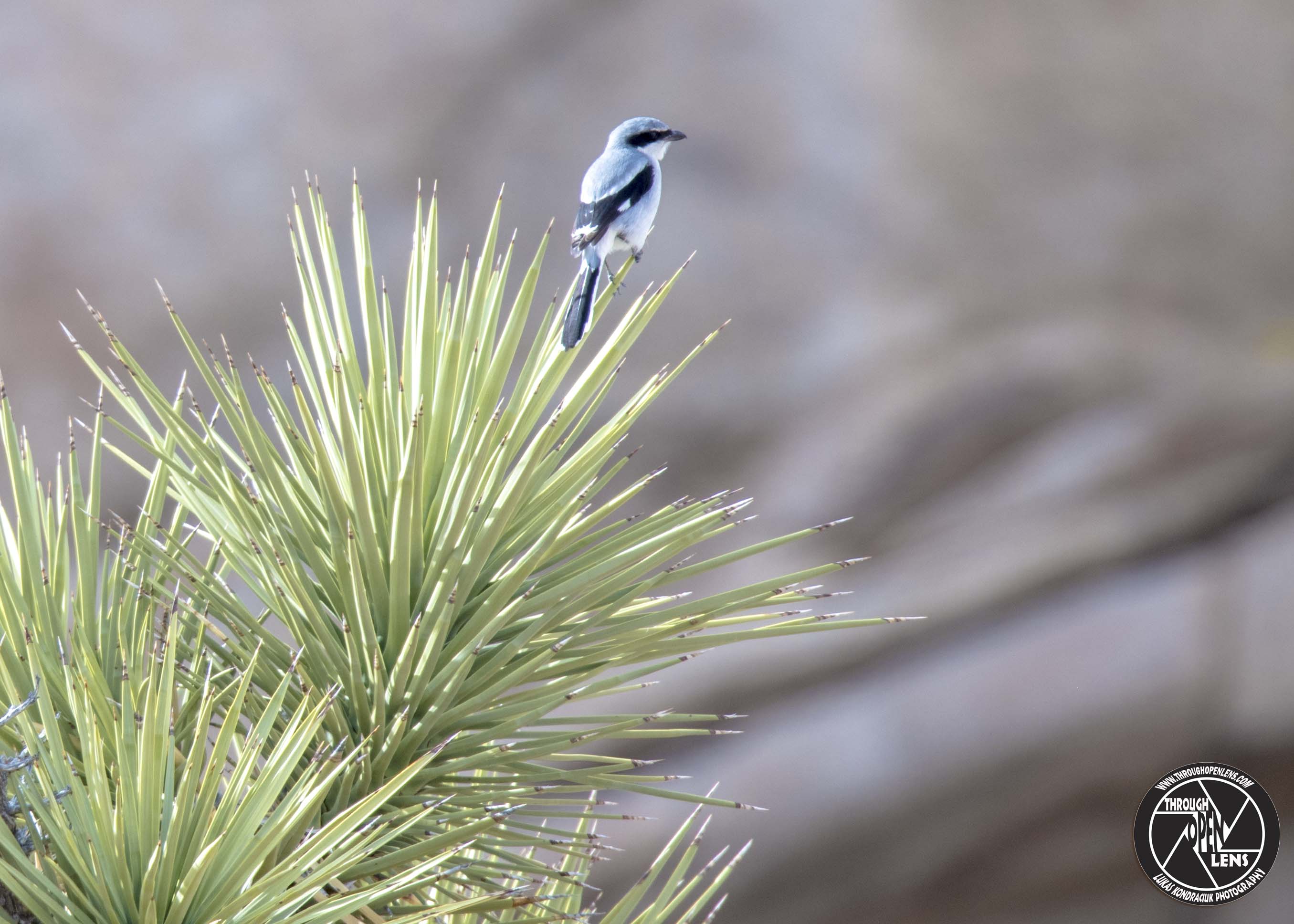
Life Is Like A Cactus, Full Of Pricks, But Also Very Beautiful.

F/8.0, 1/250, ISO 250.

Loggerhead Shrike

What is a soldiers least favorite month of the year?

March

Interesting Fact: Loggerhead Shrikes impale noxious prey such as monarch butterflies and eastern narrow-mouthed toads—then wait for up to three days to eat them, which allows time for the poisons to break down. These shrikes also eat the heads and abdomens of toxic lubber grasshoppers, while discarding the insect’s poisonous thorax. ( https://www.allaboutbirds.org/guide/Loggerhead_Shrike )


Be Your Self Everyone Else Is Already Taken!

F/6.3, 1/400, ISO 1600.

Hooded Merganser ( Male )

Did you hear that all the toilets at the police station were stolen?

Yeah… the cops got nothing to go on.

Interesting Fact: Hooded Merganser ducklings leave their nest cavity within 24 hours of hatching. First, their mother checks the area around the nest and calls to the nestlings from ground level. From inside the nest, the little fluffballs scramble up to the entrance hole and then flutter to the ground, which may be 50 feet or more below them. In some cases they have to walk half a mile or more with their mother to the nearest body of water. ( https://www.allaboutbirds.org/guide/Hooded_Merganser )

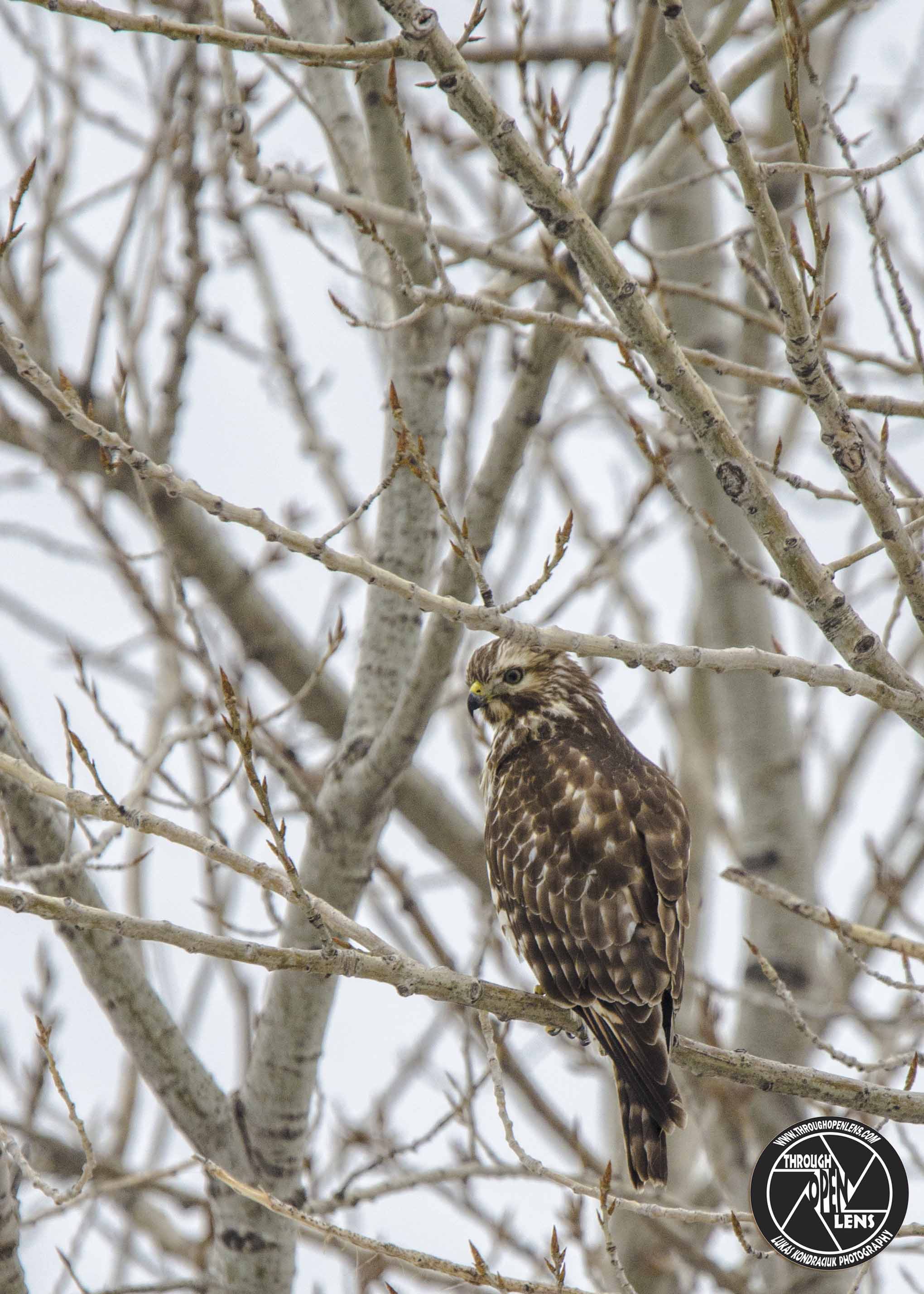
Admit It. You’re Waiting For Something You Know Won’t Happen.

F/6.3, 1/500, ISO 800.

Merlin

What do you get if you cross LSD with birth control?

A trip without the kids!

Interesting Fact: The name “Merlin” comes from esmerillon, the old French name for the species. Merlins used to be called “pigeon hawks” because in flight they look somewhat pigeon-like. Their species name, columbarius, is also a reference to pigeons.  ( https://www.allaboutbirds.org/guide/Merlin )


Go Ahead… Make My Day!

F/6.3, 1/500, ISO 250.

Hooded Merganser ( Female )

What insect runs away from everything?

A flea!

Interesting Fact: Once a female begins incubating eggs her mate abandons her, and it’s not known if they reunite the following season. Incubating females may use a broken-wing display to protect eggs or nestlings from raccoons, mink, black rat snakes, black bears, pine martens, European Starlings, Northern Flickers, Red-headed Woodpeckers, and Red-bellied Woodpeckers. ( https://www.allaboutbirds.org/guide/Hooded_Merganser/lifehistory )