Chill The Fox Out!

F/6.3, 1/40, ISO 500.

Red Fox

Why did the man lose his job at the orange juice factory?

He couldn’t concentrate!

Interesting Fact: In winter, foxes meet to mate. The vixen (female) typically gives birth to a litter of 2 to 12 pups. At birth, red foxes are actually brown or gray. A new red coat usually grows in by the end of the first month, but some red foxes are golden, reddish-brown, silver, or even black. Both parents care for their young through the summer before they are able to strike out on their own in the fall. ( https://www.nationalgeographic.com/animals/mammals/r/red-fox/ )

Let Me Sing You A Song!

F/6.3, 1/640, ISO 100.

Northern Mockingbird

What’s a monsters favorite desert?

I-Scream!

Interesting Fact: Northern Mockingbirds continue to add new sounds to their repertoires throughout their lives. A male may learn around 200 songs throughout its life. ( https://www.allaboutbirds.org/guide/Northern_Mockingbird/lifehistory )

I’m Looking Forward To The Weekend. Who’s With Me?

F/9.0, 1/320, ISO 400.

White-throated Sparrow

A man asked a waiter. “What is this fly doing in my soup?”

The waiter replied. “It looks like its swimming sir.”

Interesting Fact:  During the breeding season the males are aggressive, chasing each other off their territories. “White-striped” forms tend to be more aggressive than “tan-striped” forms. Later in the breeding season this aggressiveness declines, and by fall White-throated Sparrows form large flocks that forage together. ( https://www.allaboutbirds.org/guide/White-throated_Sparrow/lifehistory  )

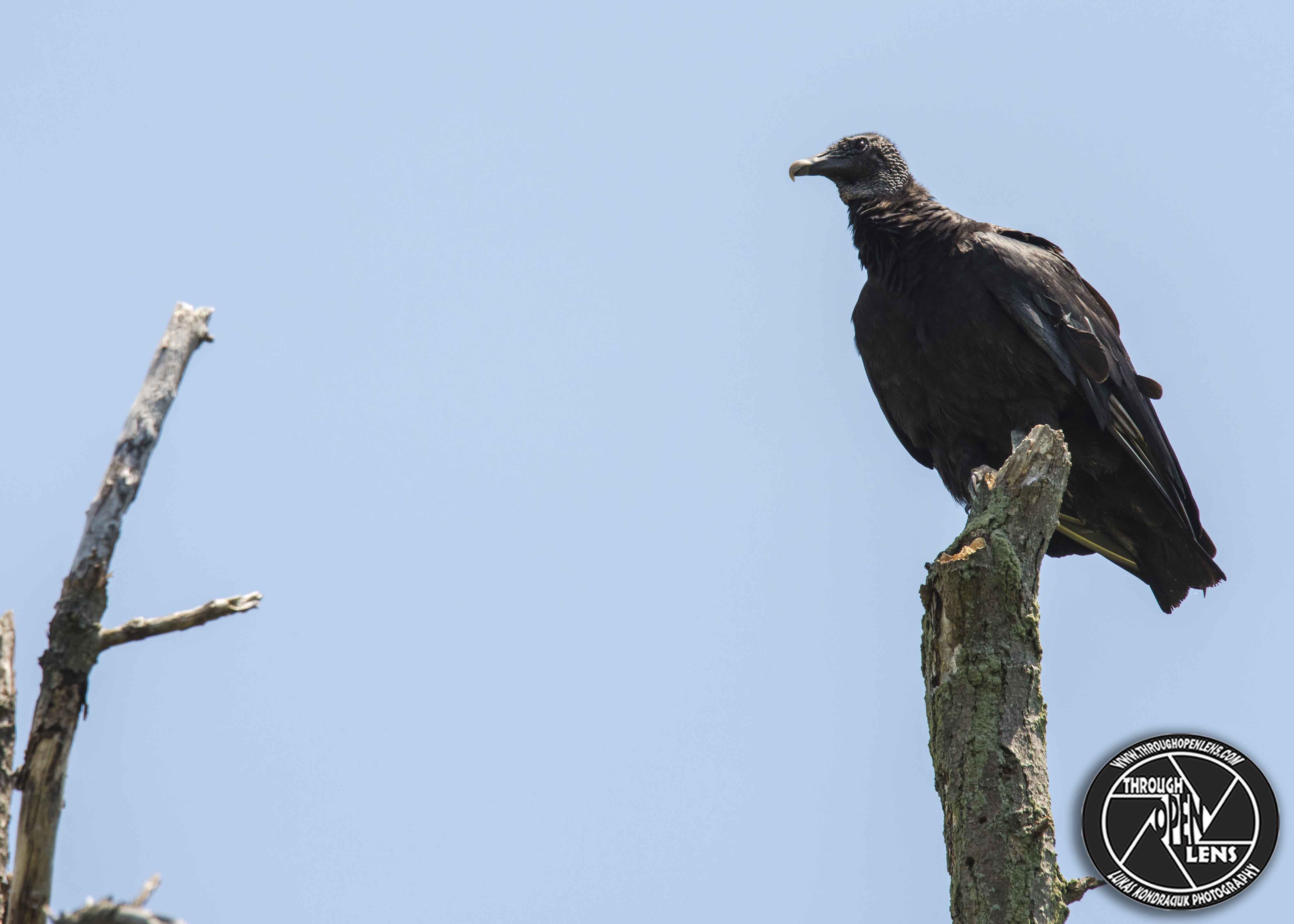
Patience Is Not The Ability To Wait But How You Act While You’re Waiting

F/10.0, 1/400, ISO 400.

Black Vulture

Why can’t you give Elsa a balloon?

Because she will Let it go.

Interesting Fact: Black Vultures lack a voice box and so their vocal abilities are limited to making raspy hisses and grunts. ( https://www.allaboutbirds.org/guide/Black_Vulture/lifehistory )

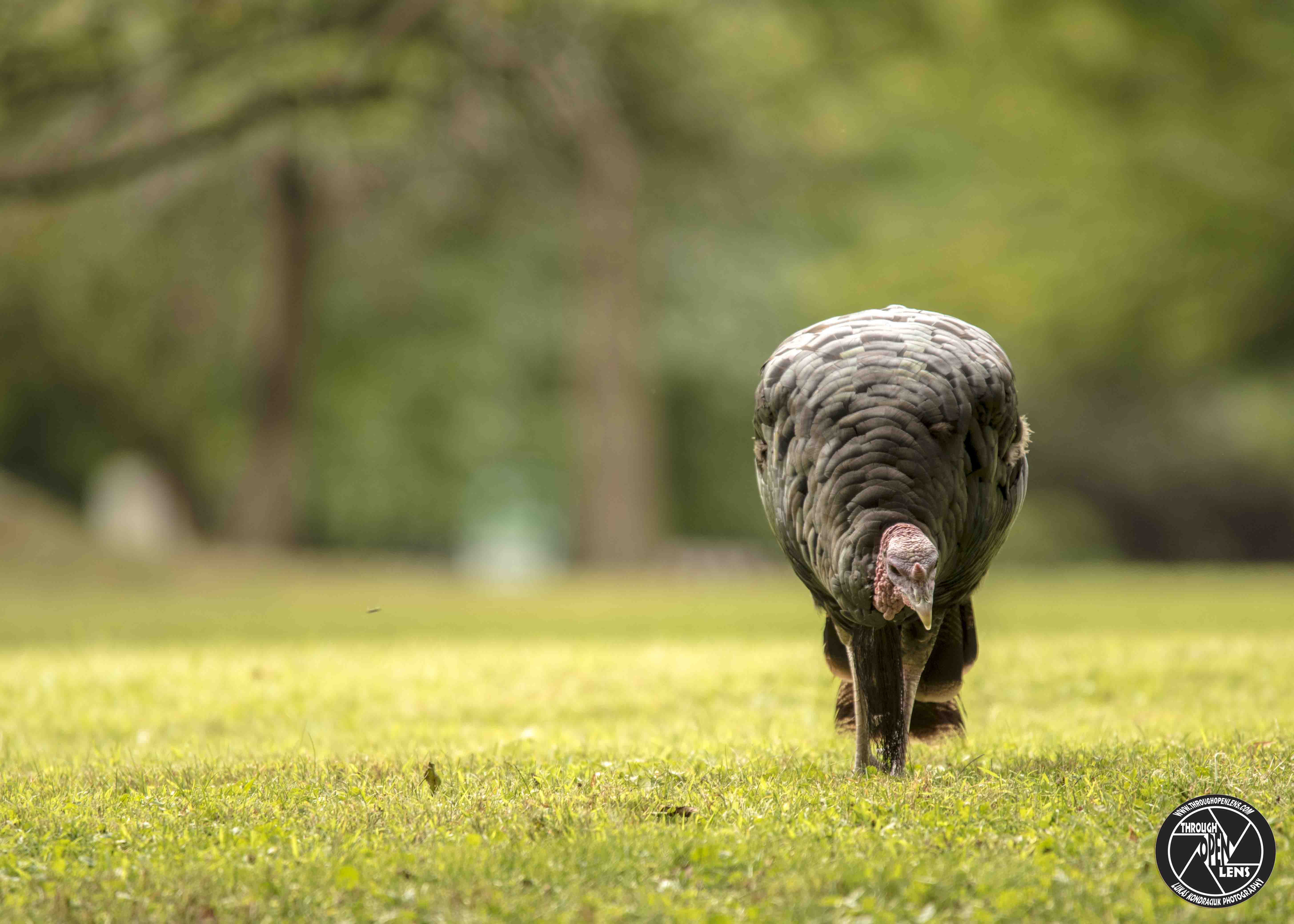
I Am Not A Patient Person

F/7.1, 1/160, ISO 320.

Wild Turkey 

How do you make an egg laugh?

Tell it a yolk.

Interesting Fact: Despite their weight, wild turkeys, unlike their domesticated counterparts, are agile, fast fliers. In ideal habitat of open woodland or wooded grasslands,[20] they may fly beneath the canopy top and find perches. They usually fly close to the ground for no more than 400 m (a quarter mile). ( https://en.wikipedia.org/wiki/Wild_turkey )


You Wanna To Go Bro!

F/7.1, 1/200, ISO 400.

Northern Flickers 

Who do you call when a giant fly attacks the city?

The SWAT team.

Interesting Fact: Nests are generally placed 6-15 feet off the ground, but on rare occasions can be over 100 feet high. Northern Flickers have been known to nest in old burrows of Belted Kingfishers or Bank Swallows. ( https://www.allaboutbirds.org/guide/Northern_Flicker/lifehistory )


Aren’t You A Social Butterfly

F/8.0, 1/250, ISO 100.

Butterfly

How do you make a butterfly?

Flick it out of the butter dish with a knife!

Interesting Fact: Actually, butterflies do not eat at all. Well, at least not in the traditional sense. What do butterflies eat? Instead of eating, butterflies get their nurishment from drinking. They have a long narrow tube in their mouth called a proboscis that acts as a straw. They usually set on top of a flower and drink the nectar. To see a congregation of many kinds of butterflies together they feed on small puddles on the grouind or wet areas on leaves and plants. See the section below if you are interested in what Caterpillars eat. ( http://www.whatdobutterflieseat.info/ )


I Like This Head Bang Sh*t!

F/13.0, 1/640, ISO 320.

Red-Bellied Woodpecker

Why did the football coach go back to the bank?

To get his quarterback!

Interesting Fact: For birds that nest in cavities, nest holes are precious turf. Red-bellied Woodpeckers have been known to take over the nests of other birds, including the much smaller (and endangered) Red-cockaded Woodpecker. But more often they’re victims to the aggressive European Starling. As many as half of all Red-bellied Woodpecker nests in some areas get invaded by starlings. ( https://www.allaboutbirds.org/guide/Redbellied_Woodpecker/lifehistory )

Surround Yourself With People Who Get You.

F/ 5.6, 1/500, ISO 250.

Elegant Tern

What did one eyeball say to the other eyeball?

Between you and me something smells.

Interesting Fact: The Elegant Tern was first found nesting in the United States in 1959 in San Diego Bay, California. Since the 1980s, several more colonies have been established in California. ( https://www.allaboutbirds.org/guide/Elegant_Tern/lifehistory )


Do Not Swallow!

F/13.0, 1/640, ISO 320.

Barn Swallow

What did the blanket say to the bed?

Don’t worry, I’ve got you covered!

Interesting Fact: According to legend, the Barn Swallow got its forked tail because it stole fire from the gods to bring to people. An angry deity hurled a firebrand at the swallow, singeing away its middle tail feathers. ( https://www.allaboutbirds.org/guide/Barn_Swallow/lifehistory )