Don’t Be Afraid To Stick Your Neck Out!

F/9.0, 1/320, ISO 100.

Mute Swan

What did one potato chip say to the other?

Shall we go for a dip?

Interesting Fact: Short legs placed well back on the body give Mute Swans an awkward walking gait, but the birds can run quickly if pursued and can take off from land and water, flying with head and neck extended. On the water they sometimes hold their wings slightly raised and “sail” with the wind. Mute Swans are predominantly monogamous and form long-lasting breeding pairs. They are extremely aggressive in defending their breeding territory. ( https://www.allaboutbirds.org/guide/Mute_Swan/lifehistory )

I’m Watching You!

F/11.0, 1/500, ISO 400.

Red-tailed Hawk

What’s the difference between the dinosaur and a dragon?

Dinosaurs are too young to SMOKE!

Interesting Fact: Red-tailed Hawks have been seen hunting as a pair, guarding opposite sides of the same tree to catch tree squirrels. ( https://www.allaboutbirds.org/guide/Red-tailed_Hawk/overview )

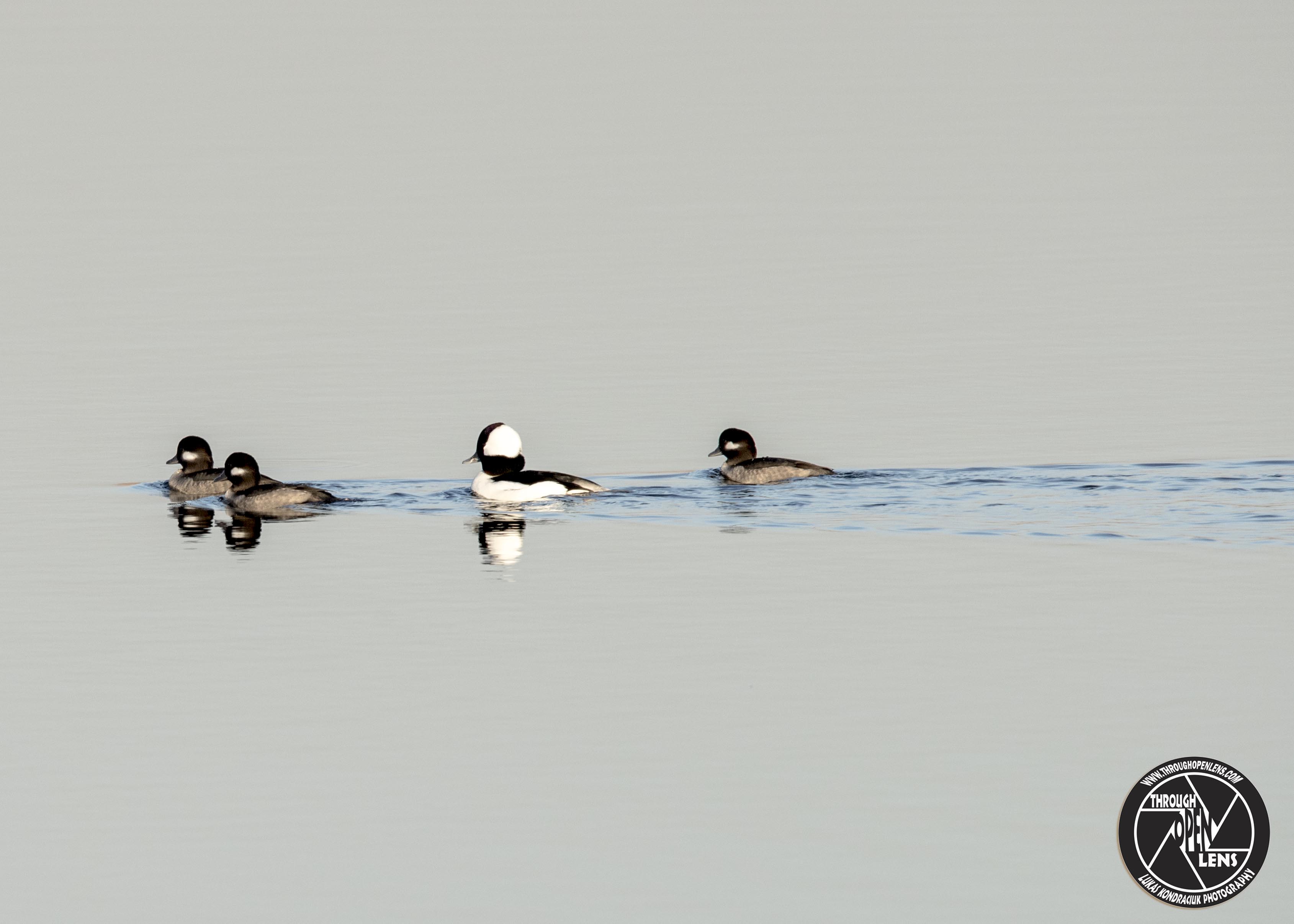
That Is How I Roll!

F/10.0, 1/400, ISO 400.

Bufflehead Ducks

What happened when the lion ate the comedian?

He felt funny!

Interesting Fact: When a pair of Buffleheads intrudes into a nearby territory, the male that owns the territory often chases the intruding female and her mate follows them in hot pursuit. Males leave their mates during incubation in order to molt, but return to the same mate multiple years in a row (one of the few duck species in which this is true). ( https://www.allaboutbirds.org/guide/Bufflehead/lifehistory )


How Is My Posture?

F/6.3, 1/125, ISO 320.

Ruby-crowned Kinglet 

Why did the skeleton go to the BBQ?

To get some spare ribs!

Interesting Fact:  Breeding pairs of Ruby-Crowned Kinglets stay together for two months, until their chicks fledge. Ruby-Crowned Kinglets use their long, bubbly, and amazingly loud songs to establish territories; this is more energy efficient than chasing and less dangerous than fighting. They can be recognized by a constant flicking of their wings. ( https://www.allaboutbirds.org/guide/Ruby-crowned_Kinglet/lifehistory )


The Juice Is Worth The Squeeze!

F/11.0, 1/500, ISO 320.

House Finch

What do you call a fake noodle?

An impasta.

Interesting Fact: A highly social bird, the House Finch is rarely seen alone outside of the breeding season, and may form flocks as large as several hundred birds. House Finches feed mainly on the ground or at feeders or fruiting trees. At rest, they commonly perch on the highest point available in a tree, and flocks often perch on power lines. ( https://www.allaboutbirds.org/guide/House_Finch/lifehistory )

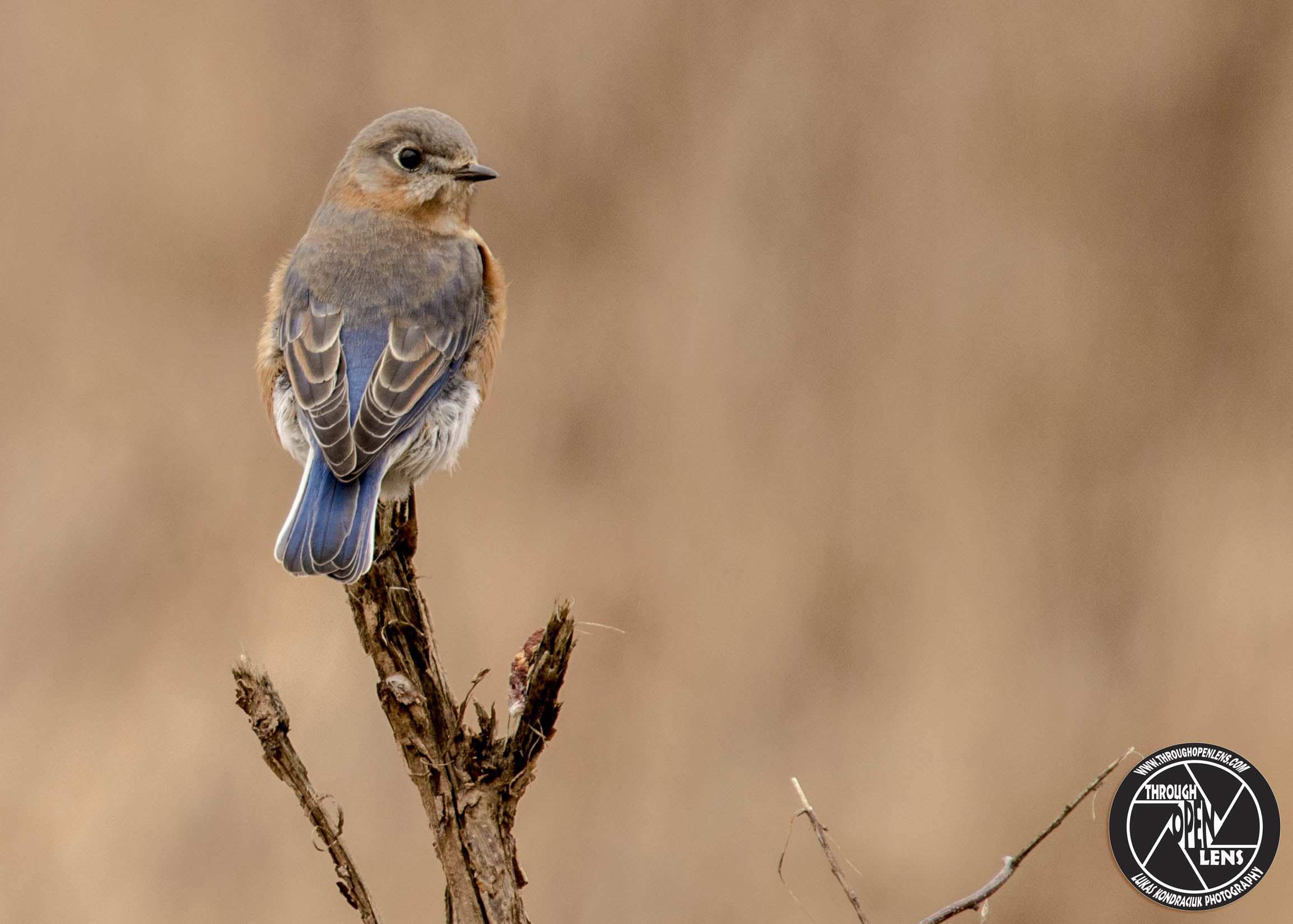
You’re My Boy Blue!

F/7.1, 1/200, ISO 400.

Eastern Bluebird

Why don’t they play poker in the jungle?

Too many cheetahs.

Interesting Fact: This small, brightly colored thrush typically perches on wires and fence posts overlooking open fields. The birds forage by fluttering to the ground to grab an insect, or occasionally by catching an insect in midair. Bluebirds can sight their tiny prey items from 60 feet or more away. They fly fairly low to the ground, and with a fast but irregular pattern to their wingbeats. ( https://www.allaboutbirds.org/guide/Eastern_Bluebird/lifehistory )


You Can’t Make Everybody Happy. You’re Not Pizza!

F/8.0, 1/250, ISO 250.

Dark-Eyed Junco  

Why aren’t there any famous skeletons?

They’re a bunch of no bodies.

Interesting Fact: When foraging, Dark-eyed Juncos typically hop (rather than walk) on the ground, pecking or scratching at the leaf litter, or flit very low in underbrush gleaning food from twigs and leaves. They sometimes fly up from the ground to catch insects from tree trunks. ( https://www.allaboutbirds.org/guide/Dark-eyed_Junco/lifehistory )


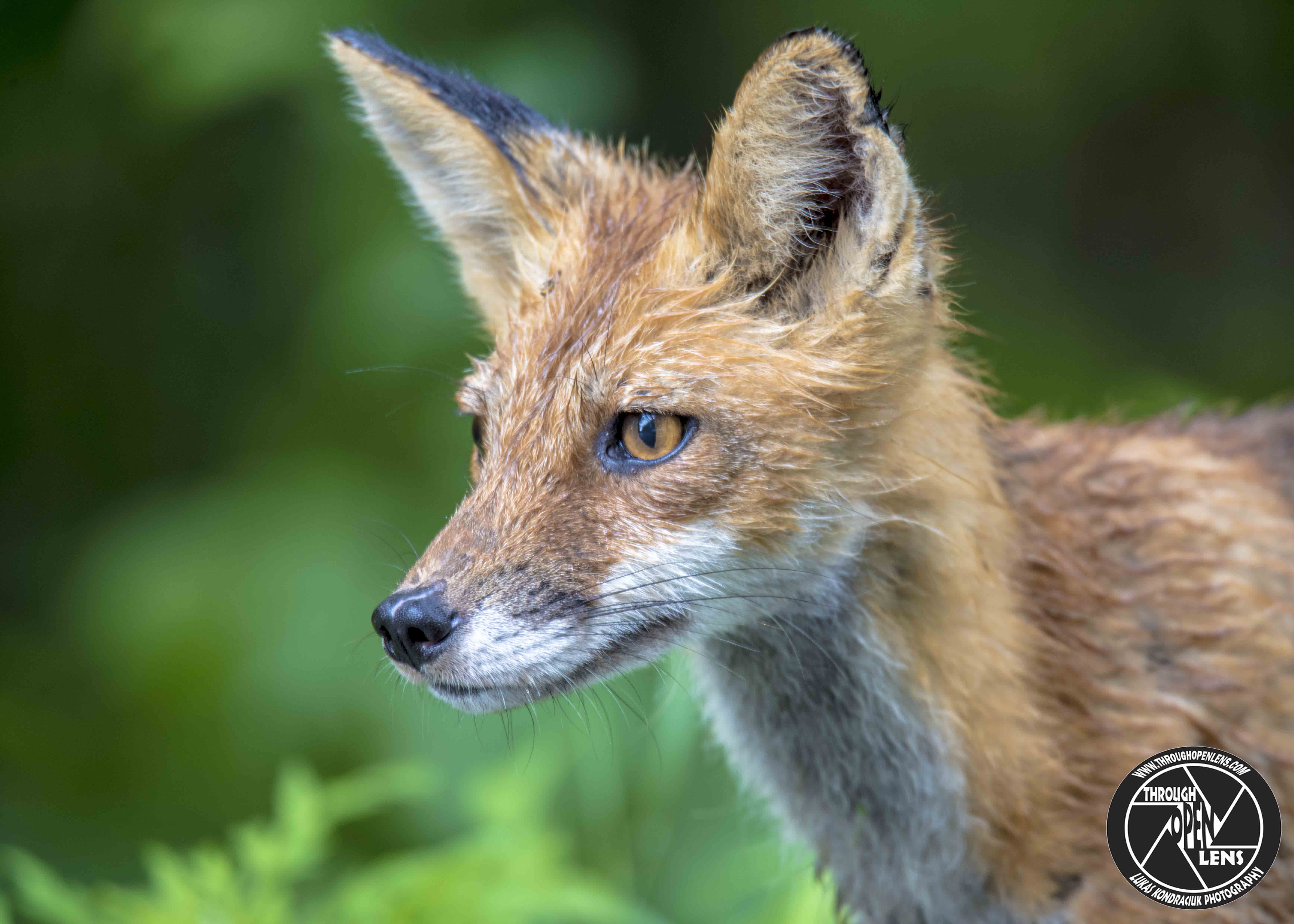
Zero FOX Given!

F/6.3, 1/15, ISO 400.

Red Fox 

What kind of music do Mummies listen to?

Wrap.

Interesting Fact: Red foxes either establish stable home ranges within particular areas or are itinerant with no fixed abode. They use their urine to mark their territories. A male fox raises one hind leg and his urine is sprayed forward in front of him, whereas a female fox squats down so that the urine is sprayed in the ground between the hind legs. Urine is also used to mark empty cache sites, used to store found food, as reminders not to waste time investigating them. The use of up to 12 different urination postures allows them to precisely control the position of the scent mark. ( https://en.wikipedia.org/wiki/Red_fox )

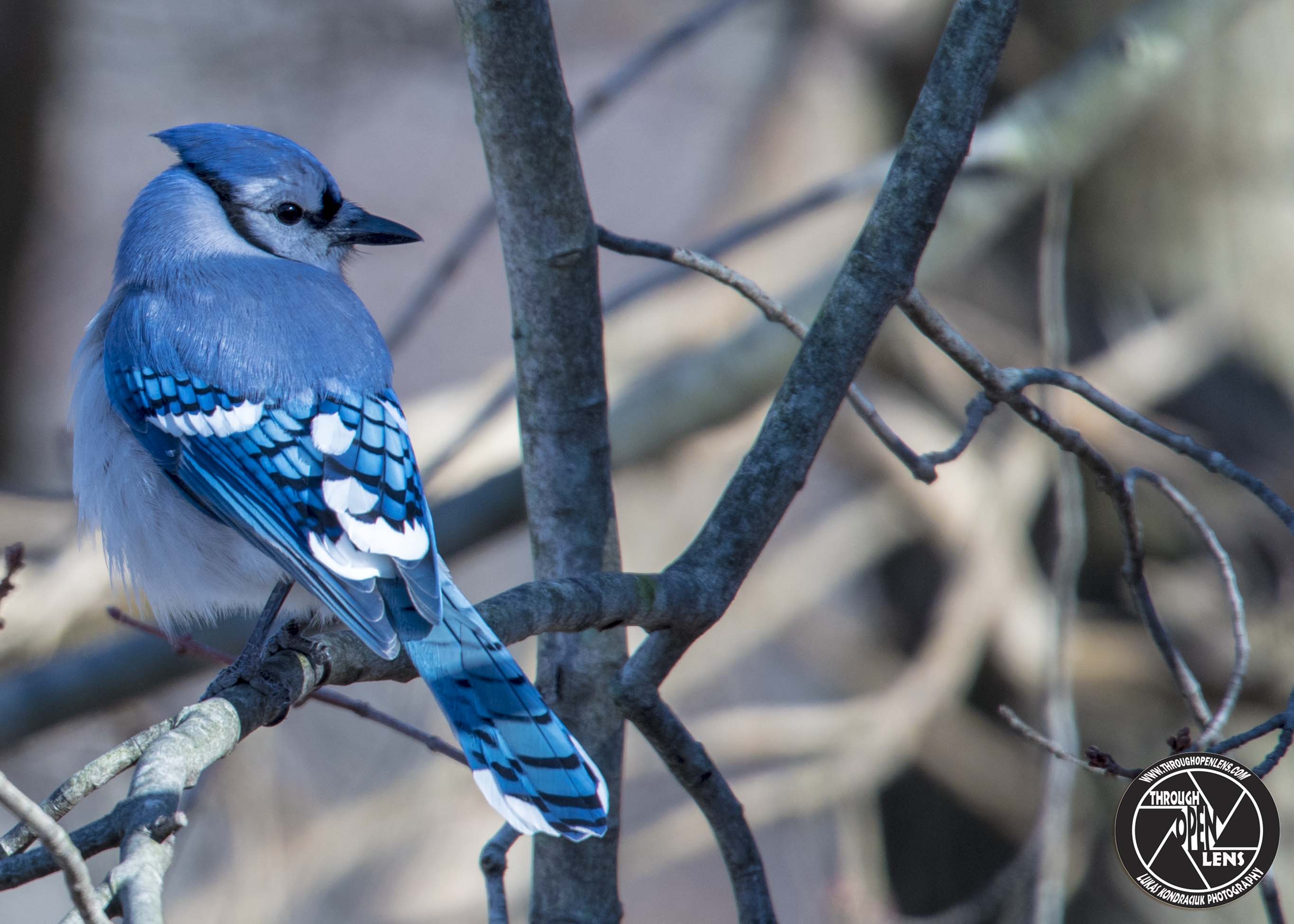
Blue You Away!

F/7.1, 1/200, ISO 250.

Blue Jay 

Why do ghosts have so much trouble dating?

Women can see right through them.

Interesting Fact: This common, large songbird is familiar to many people, with its perky crest; blue, white, gray, and black plumage; and noisy calls. Blue Jays are known for their intelligence and complex social systems, and have tight family bonds. They often mate for life, remaining with their social mate throughout the year. ( https://www.allaboutbirds.org/guide/Blue_Jay/lifehistory )


Giggity, Giggity, Quack!

F/11.0, 1/500, ISO 500.

Ruddy Duck

What did the calculator say to the cashier?

You can count on me.

Interesting Fact:  Most males pair up with one female each for the duration of the breeding season, but some take multiple mates. Their eggs are proportionally the largest of all waterfowl. The ducklings hatch well-developed and active, receiving minimal care from the mother and none from the father. ( https://www.allaboutbirds.org/guide/Ruddy_Duck/lifehistory )