Hey Bro What’s Up!

F/8.0, 1/225, ISO 400.

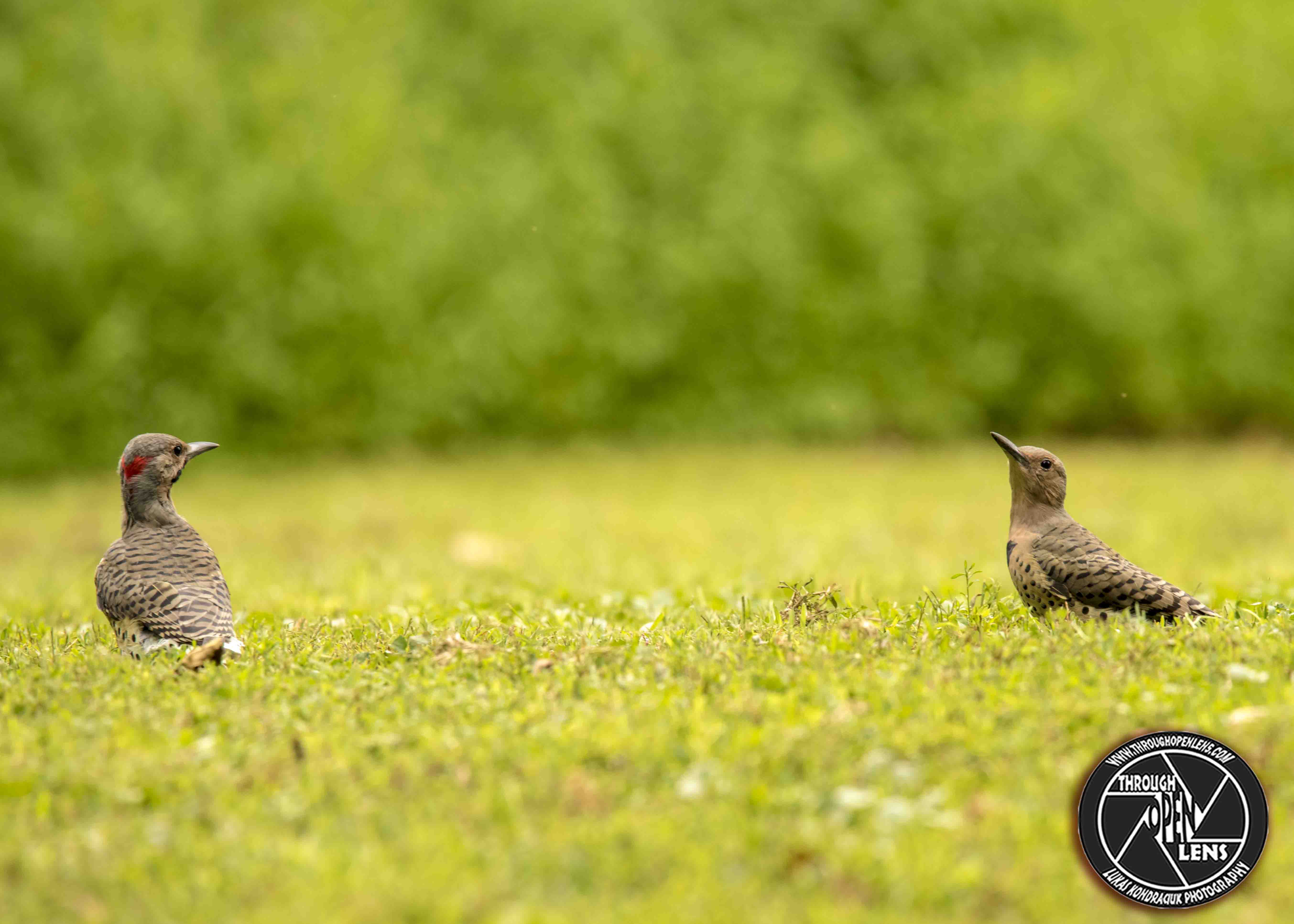
Northern Flicker

Why is Superman’s costume so tight?

Because he wears a size “S”.

Interesting Fact: Like most woodpeckers, Northern Flickers drum on objects as a form of communication and territory defense. In such cases, the object is to make as loud a noise as possible, and that’s why woodpeckers sometimes drum on metal objects. One Northern Flicker in Wyoming could be heard drumming on an abandoned tractor from a half-mile away. ( https://www.allaboutbirds.org/guide/Northern_Flicker/lifehistory )

Without Change There Would Be No Butterflies

Autumn Begins! πŸπŸ‚

F/9.0, 1/320, ISO 320.

Butterfly

What kind of music do Mummies listen to?

Wrap.

Interesting Fact: Butterflies in their adult stage can live from a week to nearly a year depending on the species. Many species have long larval life stages while others can remain dormant in their pupal or egg stages and thereby survive winters.[29] The Melissa Arctic (Oeneis melissa) overwinters twice as a caterpillar.[30] Butterflies may have one or more broods per year. The number of generations per year varies from temperate to tropical regions with tropical regions showing a trend towards multivoltinism. ( https://en.wikipedia.org/wiki/Butterfly

You had a bad day, You’re taking one down, You sing a sad song just to turn it around

F/10.0, 1/400, ISO 250.

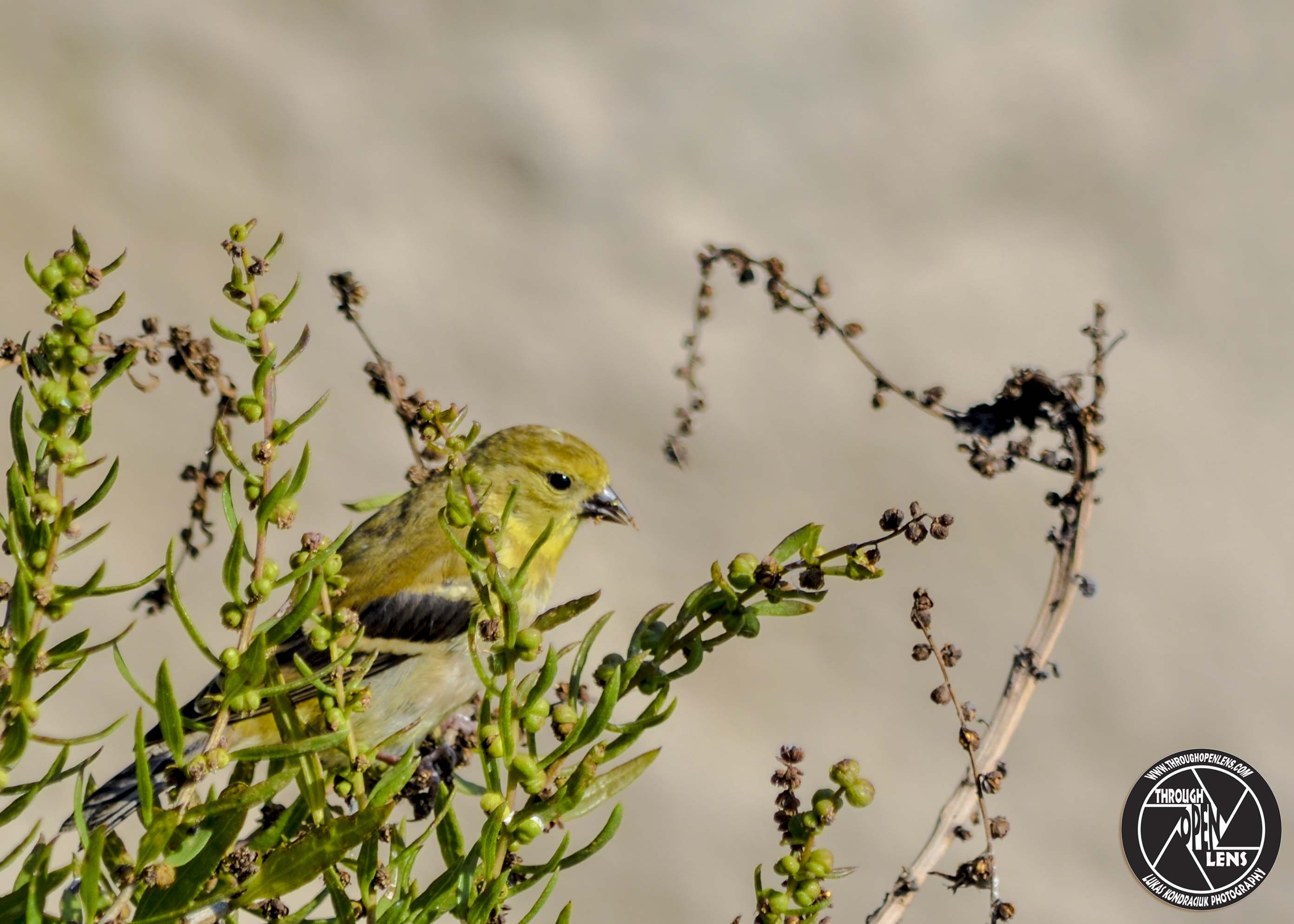
American Goldfinch

A police officer in a small town stopped a motorist who was speeding down Main Street. “But officer,” the man began, “I can explain.” “Just be quiet,” snapped the officer. “I’m going to let you cool your heels in jail until the chief gets back.” “But, officer, I just wanted to say,…” “And I said to keep quiet! You’re going to jail!” A few hours later the officer looked in on his prisoner and said, “Lucky for you that the chief’s at his daughter’s wedding. He’ll be in a good mood when he gets back.” “Don’t count on it,” answered the fellow in the cell. “I’m the groom.”

Interesting Fact: Goldfinches are among the strictest vegetarians in the bird world, selecting an entirely vegetable diet and only inadvertently swallowing an occasional insect. ( https://www.allaboutbirds.org/guide/American_Goldfinch/lifehistory )

I Meant To Behave But There Were Too Many Other Options

F/6.3, 1/160, ISO 320.

Nelson’s Sparrow

Did you hear abut the hungry clock?

It went back four seconds.

Interesting Fact: The Nelson’s Sharp-tailed Sparrow formerly was considered the same species as the Saltmarsh Sharp-tailed Sparrow, collectively known as the Sharp-tailed Sparrow. The two forms have separate breeding ranges that barely overlap in Maine. They differ in genetics, songs, and subtle plumage characters. ( https://www.allaboutbirds.org/guide/Nelsons_Sparrow/lifehistory )

Follow The Bunny He Has The Chocolate!

F/9.0, 1/320, ISO 250.

Desert Cottontail Rabbit

How do you make a bandstand?

Take away their chairs!

Interesting Fact: Habitat loss due to land clearing and cattle grazing may severely affect the population of the desert cottontail.[12] Human-induced fires are also a potential threat for desert cottontail populations.[12] Another factor is its competition with the black-tailed jackrabbit (Lepus californicus), because both have the same diet, and share the same habitat.[24] When a season has been particularly dry, there is less plant life to go around. The cottontail does not fear the jackrabbit, in fact the jackrabbit is very skittish and will retreat from a confrontation in most instances. However, the black-tailed jackrabbit is much bigger, and consumes much more food at eating times. ( https://en.wikipedia.org/wiki/Desert_cottontail

I Need A Hug!

F/5.6, 1/500, ISO 200.

Double-Crested Cormorant 

What do birds do on their free time?

They check their Twitter account.

Interesting Fact: Double-crested cormorants are gregarious birds that are almost always near water. Their main two activities are fishing and resting, with more than half their day spent on the latter. When at rest, a cormorant will choose an exposed spot on a bare branch or a windblown rock, and often spread its wings out, which is thought to be a means of drying their feathers after fishing. ( https://www.allaboutbirds.org/guide/Double-crested_Cormorant/lifehistory )


Peek A Boo I Can Still See You!

F/7.1, 1/800, ISO 200.

American Goldfinch

What do computers snack on when they’re hungry?

Chips!

Interesting Fact: Male and female move around together to choose a suitable nest site. The female builds the nest, usually in a shrub or sapling in a fairly open setting rather than in forest interior. The nest is often built high in a shrub, where two or three vertical branches join; usually shaded by clusters of leaves or needles from above, but often open and visible from below. ( https://www.allaboutbirds.org/guide/American_Goldfinch/lifehistory )


BUCK YOU!

F/6.3, 1/125, ISO 500.

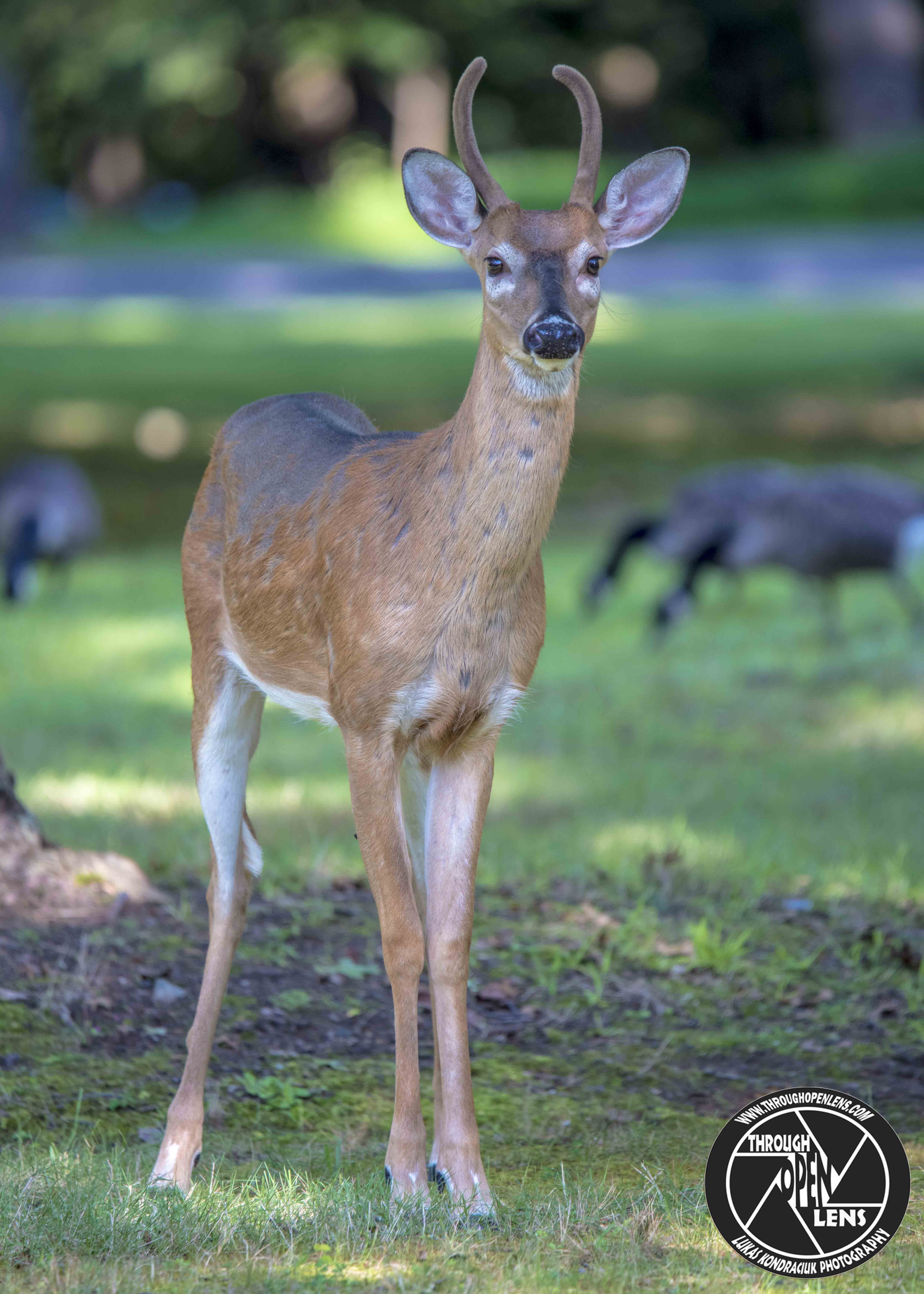
White-Tailed Deer

What do you call a sleeping bull?

A bulldozer

Interesting Fact: Males regrow their antlers every year. About one in 10,000 females also has antlers, although this is usually associated with freemartinism. ( https://en.wikipedia.org/wiki/White-tailed_deer

I Am Happy To See You!

F11.0, 1/500, ISO 400.

Ruddy Ducks

What do you call a bee that lives in America?

A USB

Interesting Fact: Ruddy Ducks are very aggressive toward each other and toward other species, especially during the breeding season. Unlike most ducks, they form pairs only after arriving on the breeding grounds each year. Males perform unusual courtship displays in which they stick their tails straight up while striking their bills against their inflated necks, creating bubbles in the water as air is forced from their feathers. They punctuate the end of the display with a belch-like call. ( https://www.allaboutbirds.org/guide/Ruddy_Duck/lifehistory )


Once You Stop Chasing The Wrong Things, The Right Ones Catch You.

F/9.0, 1/320, ISO 160.

Wood Duck

How does a man show he’s planning for the future?

He buys two cases of Beer instead of one.

Interesting Fact: Wood ducks cavities are typically places where a branch has broken off and the tree’s heartwood has subsequently rotted. Woodpecker cavities are used less frequently. Wood Ducks cannot make their own cavities. The nest tree is normally situated near to or over water, though Wood Ducks will use cavities up to 1.2 miles from water. ( https://www.allaboutbirds.org/guide/Wood_Duck/lifehistory )