Come Out Come Out Wherever You Are?!

F/9.0, 1/320, ISO 400.

Red-tailed Hawk

Which runs faster, hot or cold?

HOT. Everyone can catch cold.

Interesting Fact: Red-tailed Hawks are large, sharp-taloned birds that can be aggressive when defending nests or territories. They frequently chase off other hawks, eagles, and Great Horned Owls. Courting birds fly with legs hanging beneath them, or chase and swoop after each other, sometimes locking talons. Mated pairs typically stay together until one of the pair dies. ( https://throughopenlens.com/tag/red-tailed-hawk/ )

If You Can’t Reach It You Don’t Need It!

F/10.0, 1/400, ISO 400.

Pileated Woodpecker

How are a husband and a cat similar when it comes to housework?

They both hide when they see the vacuum cleaner.

Interesting Fact: The feeding excavations of a Pileated Woodpecker are so extensive that they often attract other birds. Other woodpeckers, as well as House Wrens, may come and feed there. ( https://www.allaboutbirds.org/guide/Pileated_Woodpecker )


I’m Watching You!

F/11.0, 1/500, ISO 400.

Red-tailed Hawk

What’s the difference between the dinosaur and a dragon?

Dinosaurs are too young to SMOKE!

Interesting Fact: Red-tailed Hawks have been seen hunting as a pair, guarding opposite sides of the same tree to catch tree squirrels. ( https://www.allaboutbirds.org/guide/Red-tailed_Hawk/overview )

Don’t You Think We Should Go Wireless?!

F/11.0, 1/500, ISO 250.

Barn Swallow

Husband and Wife are having a conversation.

Wife: How many women have u slept with?

Husband: Only you darling, I was awake with the other women.

Interesting Fact: The Barn Swallow is the most abundant and widely distributed swallow species in the world. It breeds throughout the Northern Hemisphere and winters in much of the Southern Hemisphere. ( https://www.allaboutbirds.org/guide/Barn_Swallow/lifehistory )


Little Duckies Need Some Snackies

F/5.6, 1/160, ISO 100.

Mallard Female with Ducklings

Who earns a living driving their customers away?

A taxi driver.

Interesting Fact:  The female forms a shallow depression or bowl on the ground in moist earth. She does not carry material to the nest but rather pulls vegetation she can reach toward her while sitting on nest. During egg-laying phase, she lines the nest with grasses, leaves, and twigs from nearby. She also pulls tall vegetation over to conceal herself and her nest. After incubation begins, she plucks down feathers from her breast to line the nest and cover her eggs. The finished nest is about a foot across, with a bowl for the eggs that is 1–6 inches deep and 6–9 inches across. ( https://www.allaboutbirds.org/guide/Mallard/lifehistory )


A Top Of The Tree To You

F/6.3, 1/160, ISO 400.

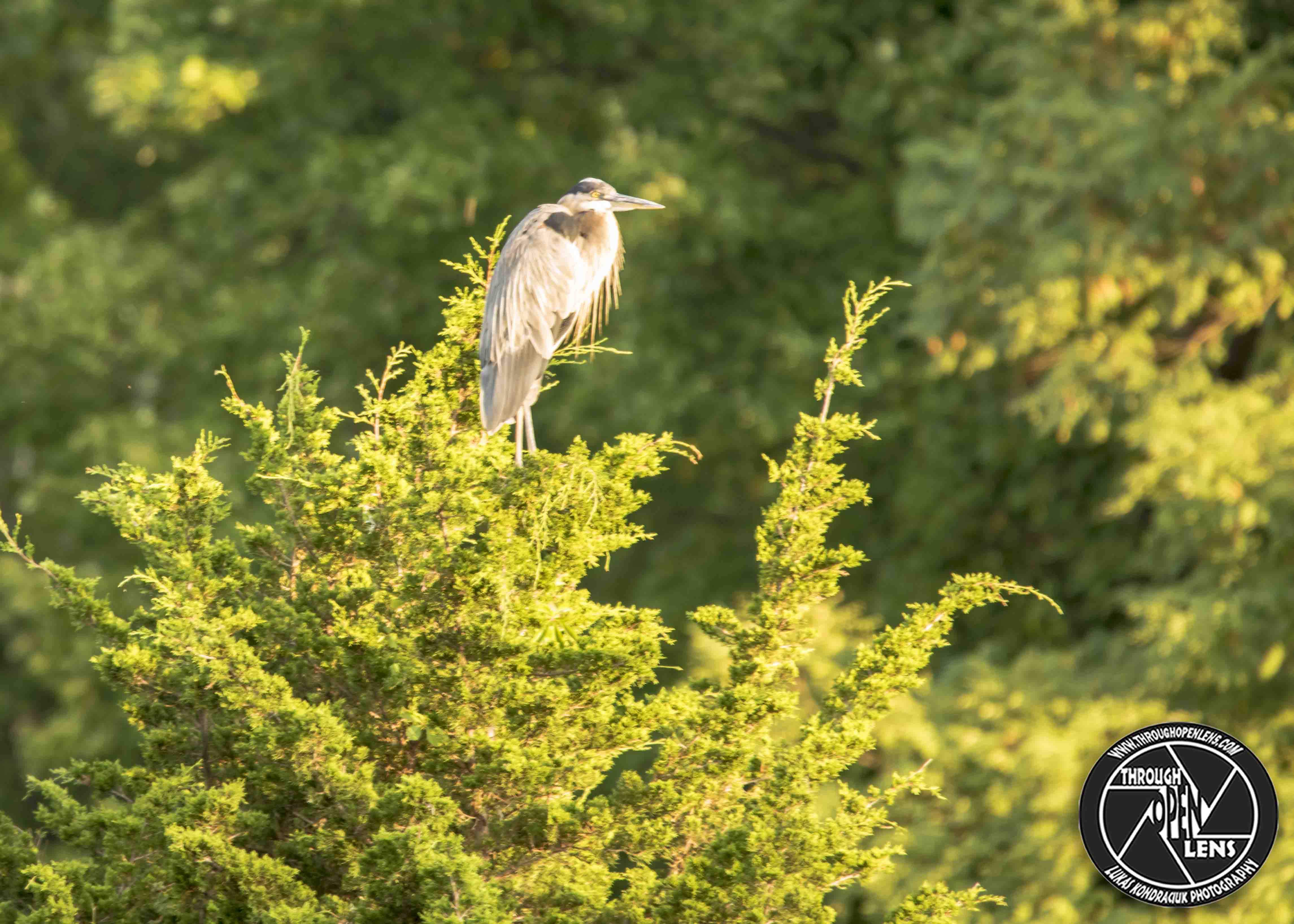
Great Blue Heron

A neutron walks into a bar and says,

“I’d like a beer. How much will that be?”

The bartender responds,

“For you? No charge!”

Interesting Fact:  Great Blue Herons congregate at fish hatcheries, creating potential problems for the fish farmers. A study found that herons ate mostly diseased fish that would have died shortly anyway. Sick fish spent more time near the surface of the water where they were more vulnerable to the herons.  ( https://www.allaboutbirds.org/guide/Great_Blue_Heron/lifehistory )

Buck Off!

F/6.3, 1/125, ISO 640.

White-Tailed Deer

I give a dead battery away today…

Free of charge!

Interesting Fact: Males regrow their antlers every year. About one in 10,000 females also has antlers, although this is usually associated with freemartinism.https://en.wikipedia.org/wiki/White-tailed_deer

Blue You Away!

F/7.1, 1/200, ISO 250.

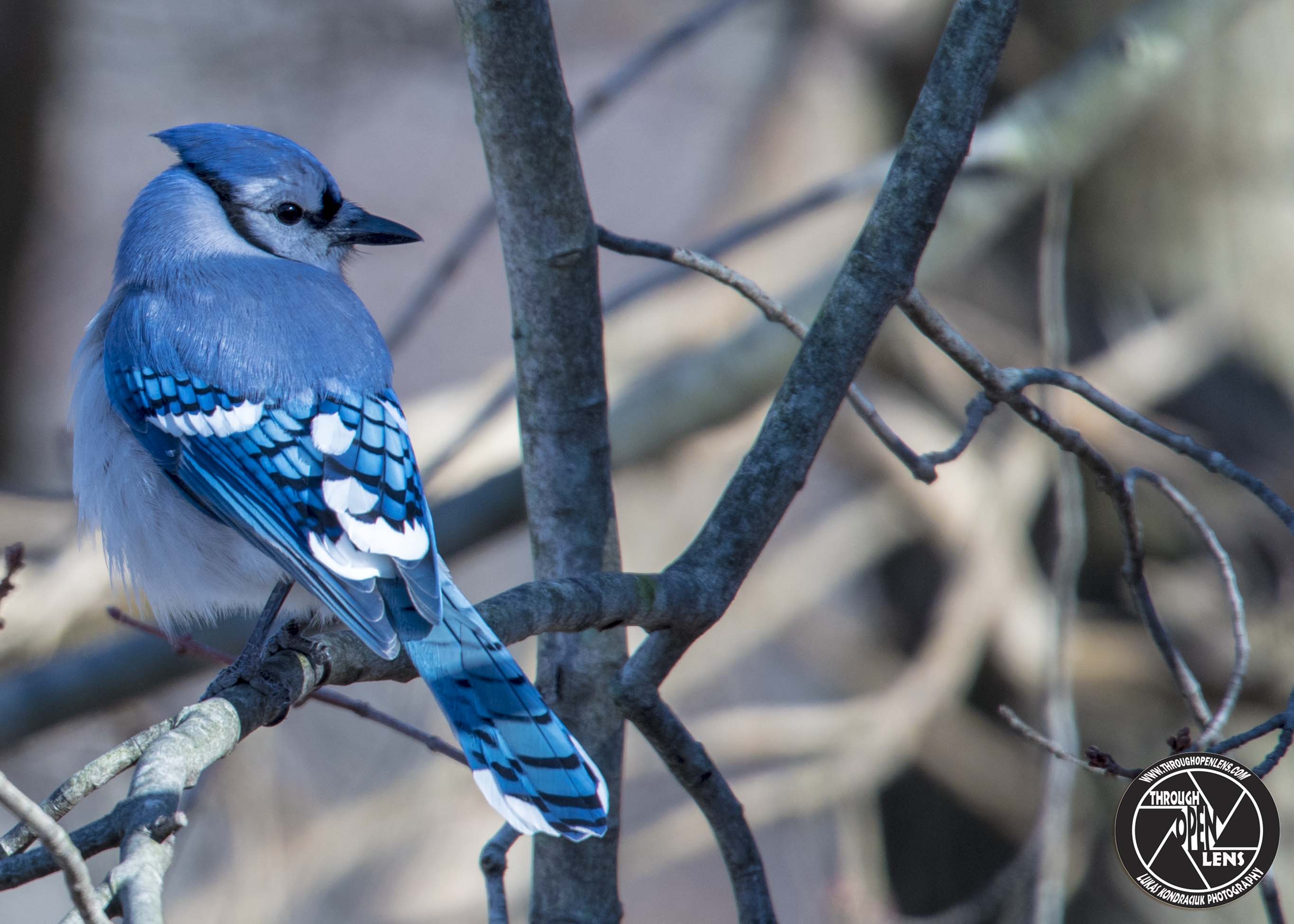
Blue Jay 

Why do ghosts have so much trouble dating?

Women can see right through them.

Interesting Fact: This common, large songbird is familiar to many people, with its perky crest; blue, white, gray, and black plumage; and noisy calls. Blue Jays are known for their intelligence and complex social systems, and have tight family bonds. They often mate for life, remaining with their social mate throughout the year. ( https://www.allaboutbirds.org/guide/Blue_Jay/lifehistory )


CAUTION! Headbanging In Progress!

F/6.3, 1/125, ISO 320.

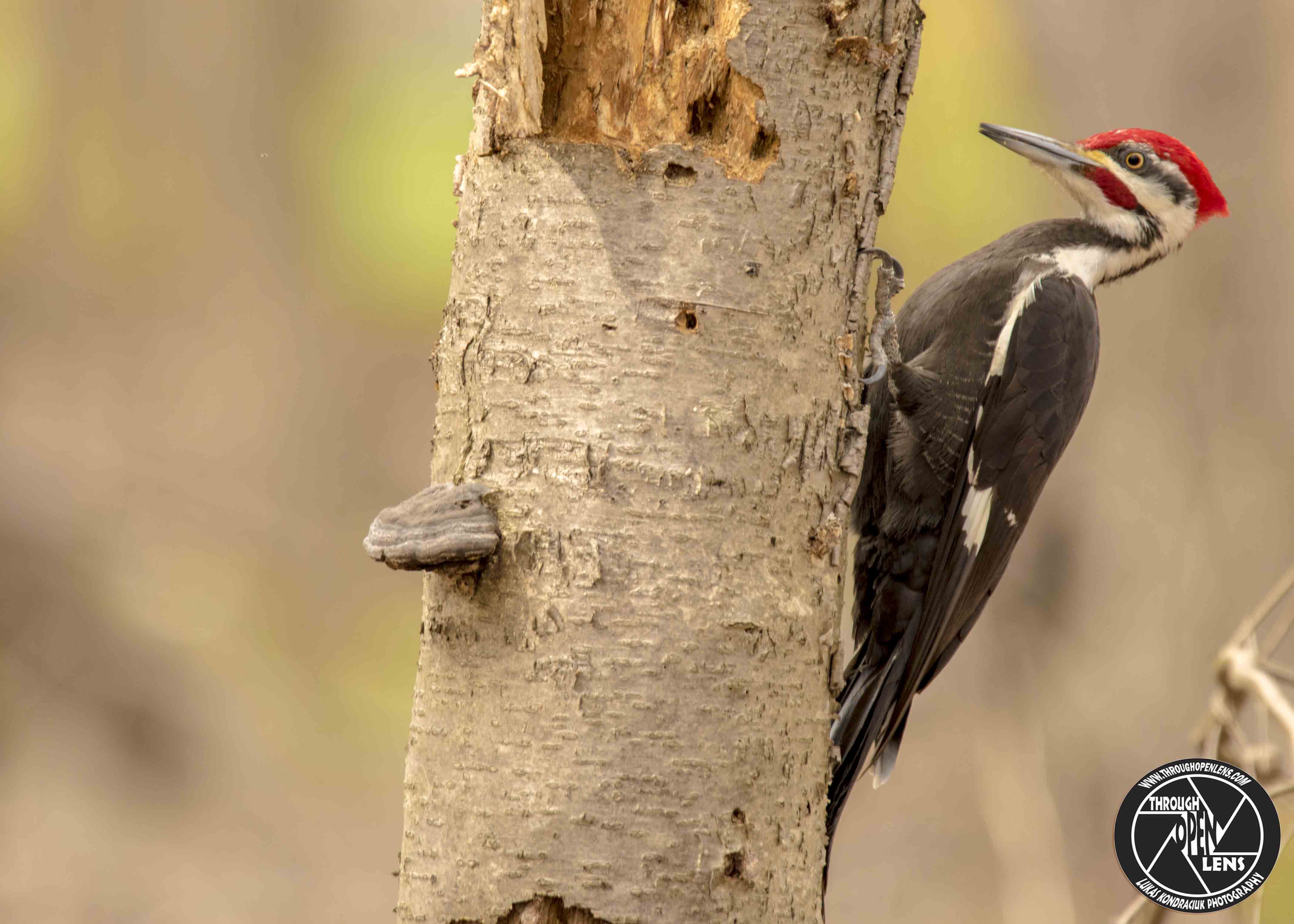
Pileated Woodpecker 

What does a house wear?

Address.

Interesting Fact: Pileated Woodpeckers forage in large, dead wood—standing dead trees, stumps, or logs lying on the forest floor. They make impressive rectangular excavations that can be a foot or more long and go deep inside the wood. These holes pursue the tunnels of carpenter ants, the woodpecker’s primary food. ( Pileated Woodpecker Life History, All About Birds, Cornell Lab of Ornithology )

How You Like My Tuxedo!

dark-eyed-junco-2

F/8.0, 1/200, ISO 320.

Dark-eyed Junco

Caller: Dials in 911 Hello officer, I broke my arm in 3 places!

Officer: Then stop going to those places.

Interesting Fact: When foraging, Dark-eyed Juncos typically hop (rather than walk) on the ground, pecking or scratching at the leaf litter, or flit very low in underbrush gleaning food from twigs and leaves. They sometimes fly up from the ground to catch insects from tree trunks. In flight, they flap continuously and pump their tails so the white outer tail feathers flash; flight is very agile as the bird maneuvers through its tangled environs. ( https://www.allaboutbirds.org/guide/Dark-eyed_Junco/lifehistory )