Yeah, Thats Right I Can Dunk!

F/9.0, 1/320, ISO 250.

Tufted Titmouse 

A husband and a wife purchased an old home in Northern New York State from two elderly sisters. Winter was fast approaching and the years first snow came early and they were concerned about the house’s lack of insulation.

“If they could live here all those years, so can we!” a husband confidently declared.

One November night the temperature plunged to below zero, and they woke up to find interior walls covered with frost.

A husband called the sisters to ask how they had kept the house warm.

After a rather brief conversation, he hung up.

“For the past 30 years,” he muttered,

“they’ve gone to Florida for the winter.”

Interesting Fact: Titmice build cup-shaped nests inside the nest cavity using damp leaves, moss and grasses, and bark strips. They line this cup with soft materials such as hair, fur, wool, and cotton, sometimes plucking hairs directly from living mammals. Naturalists examining old nests have identified raccoon, opossum, dog, fox squirrel, red squirrel, rabbit, horse, cow, cat, mouse, woodchuck, and even human hair in titmouse nests. Nest construction takes 6 to 11 days. (  https://www.allaboutbirds.org/guide/Tufted_Titmouse/lifehistory )
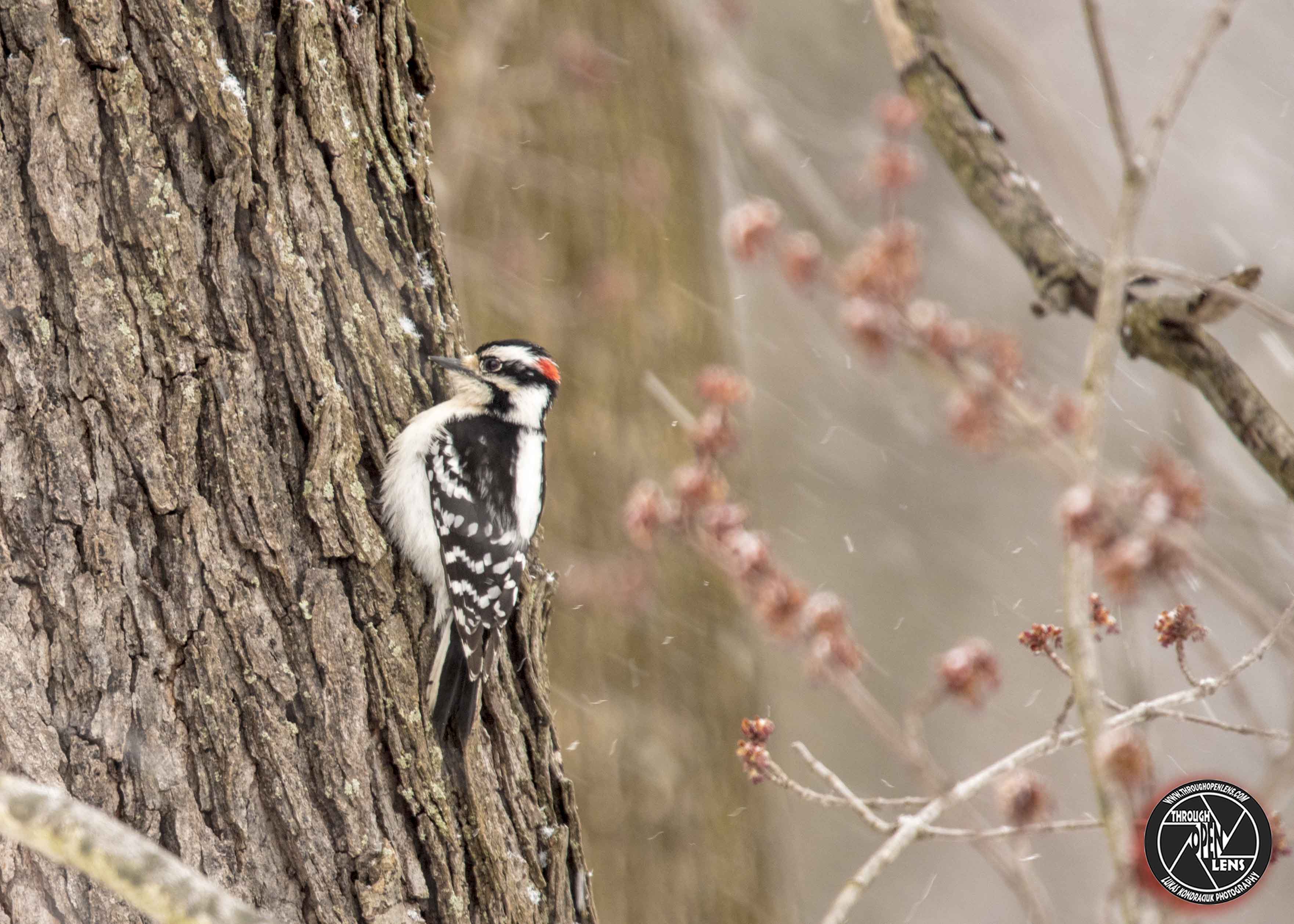
Stop Knocking And Come In Its Snowing Out There

F/6.3, 1/60, 500.

Downy Woodpecker

What do snowmen eat for breakfast?

Frosted Flakes.

Interesting Fact: An active woodpecker that moves quickly over tree trunks, branches, and stems of grasses and wildflowers, characteristically leaning against its stiffened tail feathers for support. Downy Woodpeckers move horizontally and downwards on trees much more readily than most other woodpeckers. You may also see them perched atop tall weeds such as goldenrod in late summer, hammering away at a plant gall to get at the larva inside. Occasionally hops on the ground for food.  ( https://www.allaboutbirds.org/guide/Downy_Woodpecker/lifehistory )


Life Is Like A Camera Focus On What’s Important & You’ll Capture It Perfectly.

F/11.0, 1/125, ISO 125.

Cooper’s Hawk

Why was the snowman sad?

Cause he had a meltdown.

Interesting Fact: Cooper’s Hawks build nests in pines, oaks, Douglas-firs, beeches, spruces, and other tree species, often on flat ground rather than hillsides, and in dense woods. Nests are typically 25-50 feet high, often about two-thirds of the way up the tree in a crotch or on a horizontal branch. ( https://www.allaboutbirds.org/guide/Coopers_Hawk/lifehistory )

I Am Not Going To Making Duck Face For You!

F/9.0, 1/320, ISO 250.

Common Eider ( Males )

What did Detective Duck say to his partner?

“Let’s quack this case!”

Interesting Fact: A famous colony lives on the Farne Islands in Northumberland, Britain. These birds were the subject of one of the first ever bird protection laws, established by Saint Cuthbert in the year 676. About 1,000 pairs still nest there every year. ( https://identify.whatbird.com/obj/1095/overview/Common_Eider.aspx )

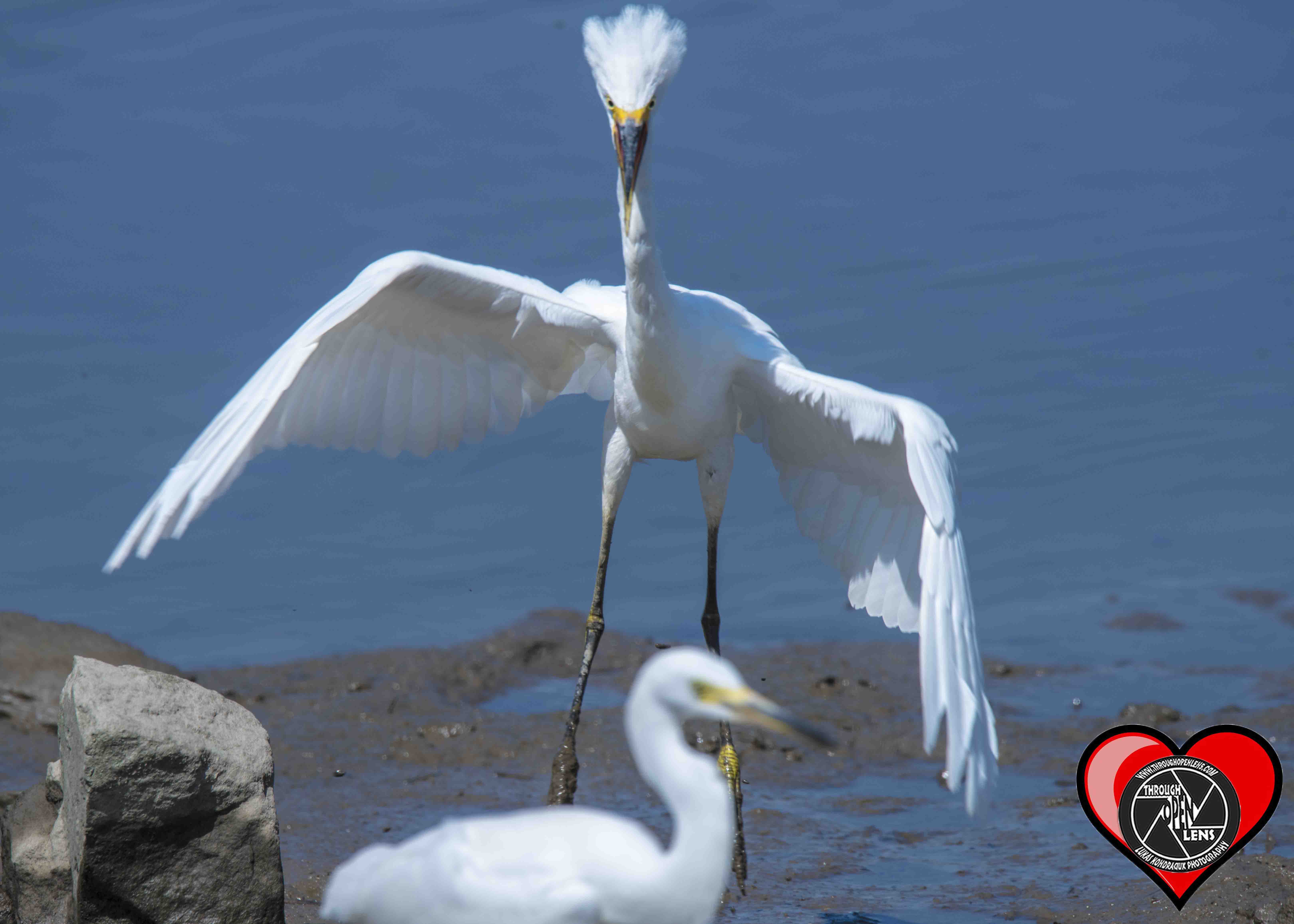
Your Love, Got Me Looking So Crazy Right Now!

Happy Valentines Day! 

F/11.0, 1/500, ISO 200.

Snowy Egret

How did the telephone propose to its girlfriend?

He gave her a ring.

Interesting Fact: Male Snowy Egrets fight for breeding territories, choose nest sites, and perform noisy courtship displays to attract mates. A ring of other egrets often gathers around a displaying male as he pumps his body up and down, points his bill skyward, and calls. He also performs aerial displays, including one that ends with him dropping toward the ground while tumbling around and around. ( https://www.allaboutbirds.org/guide/Snowy_Egret/lifehistory )


Hold It Until We Find A Clean Car!

F/10.0, 1/400, ISO 200. 

Brown Pelican

How do you make holy water?

Boil the hell out of it!

Interesting Fact: Though they have an awkward gait on land, Brown Pelicans are strong swimmers and masterful fliers. They fly to and from their fishing grounds in V-formations or lines just above the water’s surface. They and the closely related Peruvian Pelican are the only pelican species to perform spectacular head-first dives (typically ending in a huge splash visible from far away) to trap fish.  ( https://www.allaboutbirds.org/guide/Brown_Pelican/lifehistory )

Wait, What Did You Said?

F/7.1, 1/200, ISO 250.

Blue Jay

Why is your foot more special than your other body parts?

Because they have their own soul.

Interesting Fact: Blue Jays are found in all kinds of forests but especially near oak trees; they’re more abundant near forest edges than in deep forest. They’re common in urban and suburban areas, especially where oaks or bird feeders are found. ( https://www.allaboutbirds.org/guide/Blue_Jay/lifehistory )

So, You Are The Quiet Type, I Like That.

F/9.0, 1/320, ISO 250.

Black-capped Chickadee 

“How do you shoot a killer bee?”

“With a bee bee gun.”

Interesting Fact: Adult chickadees don’t migrate. In years when chickadee reproduction is high, young birds sometimes move large distances, but these movements are irregular and are more accurately called “irruptions.”( https://www.allaboutbirds.org/guide/Black-capped_Chickadee )


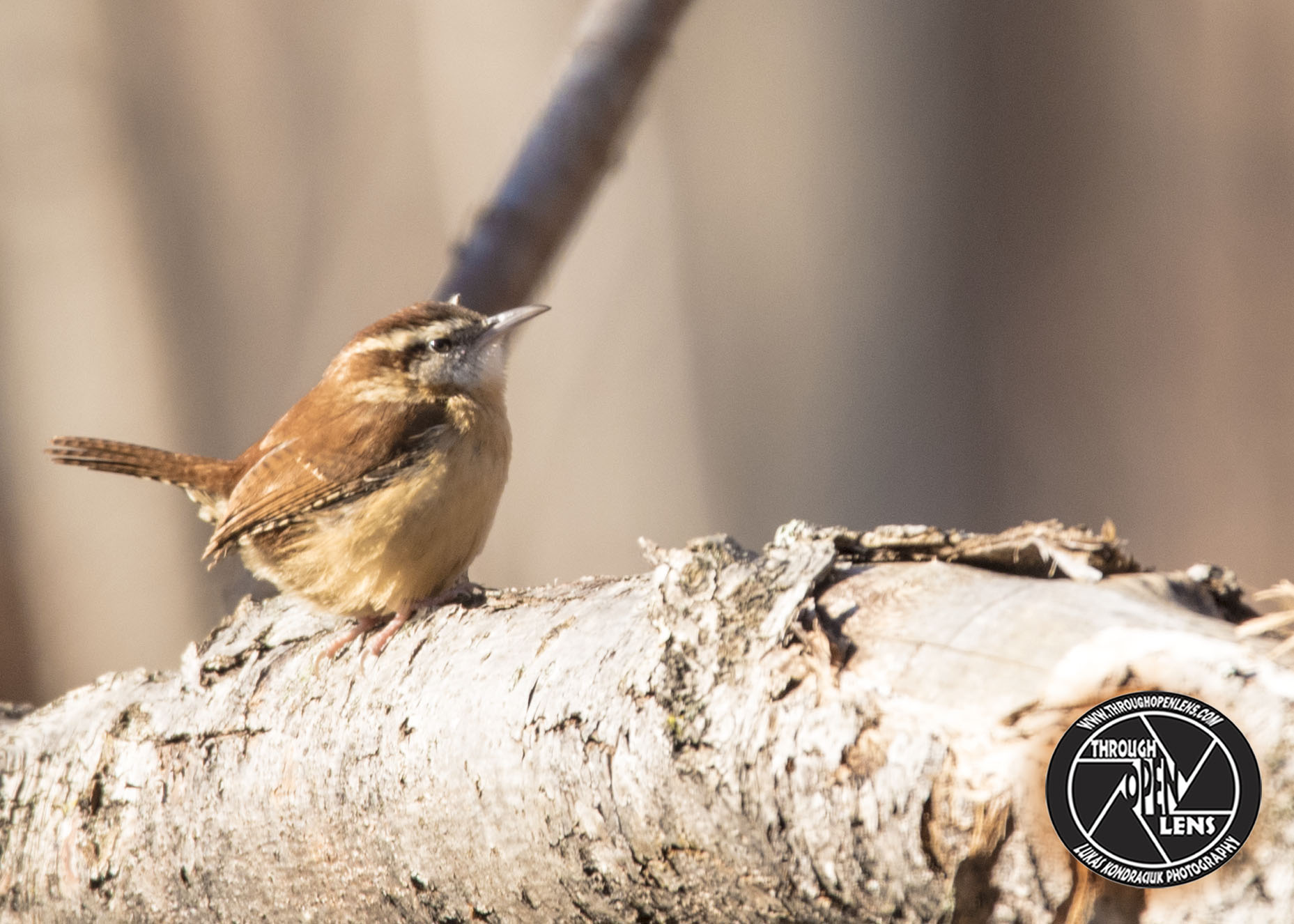
Life Is So Much Easier When You Just Chill Out.

F/8.0, 1/250, ISO 400.

Carolina Wren

One day, during a lesson on proper grammar, the teacher asked for a show of hands from those who could use the word “beautiful” in the same sentence twice. First, she called on little Suzie, who responded with, “My father bought my mother a beautiful dress and she looked beautiful in it.”

“Very good, Suzie,” replied the teacher. She then called on little Michael. “My mommy planned a beautiful banquet and it turned out beautifully,” he said.

“Excellent, Michael!”

Then, the teacher called on Little Johnny. “Last night, at the dinner table, my sister told my father that she was pregnant, and he said, ‘Beautiful, …just #$&#*&^# beautiful!

Interesting Fact: One captive male Carolina Wren sang nearly 3,000 times in a single day. ( https://www.allaboutbirds.org/guide/Carolina_Wren/lifehistory )

Something’s Stuck In My Butt Quack…

F/8.0, 1/250, ISO 160.

Common Eider ( Females ) 

What do you call a duck that steals?

A robber ducky.

Interesting Fact: Mother Common Eiders lead their young to water, and often are accompanied by nonbreeding hens that participate in chick protection. Broods often come together to form “crèches” of a few to over 150 ducklings. Attacks by predators may cause several broods to cluster together into a crèche. Once formed, a crèche tends to stay together throughout the brood rearing period, although some of the different females attending it may leave.  ( https://www.allaboutbirds.org/guide/Common_Eider/ )