Oh My Deer…

F/5.6, 1/250, ISO 400

White-Tailed Deer

What is it called when a tree takes time off from work in autumn?

Paid leaf.

Interesting Fact: Deer have a great sense of hearing and can even move their ears in any direction, without moving the head. Deer have an excellent sense of smell and can detect predators from a long distance away.

Please Keep Off The Grass!

F/8.0, 1/250, ISO 400.

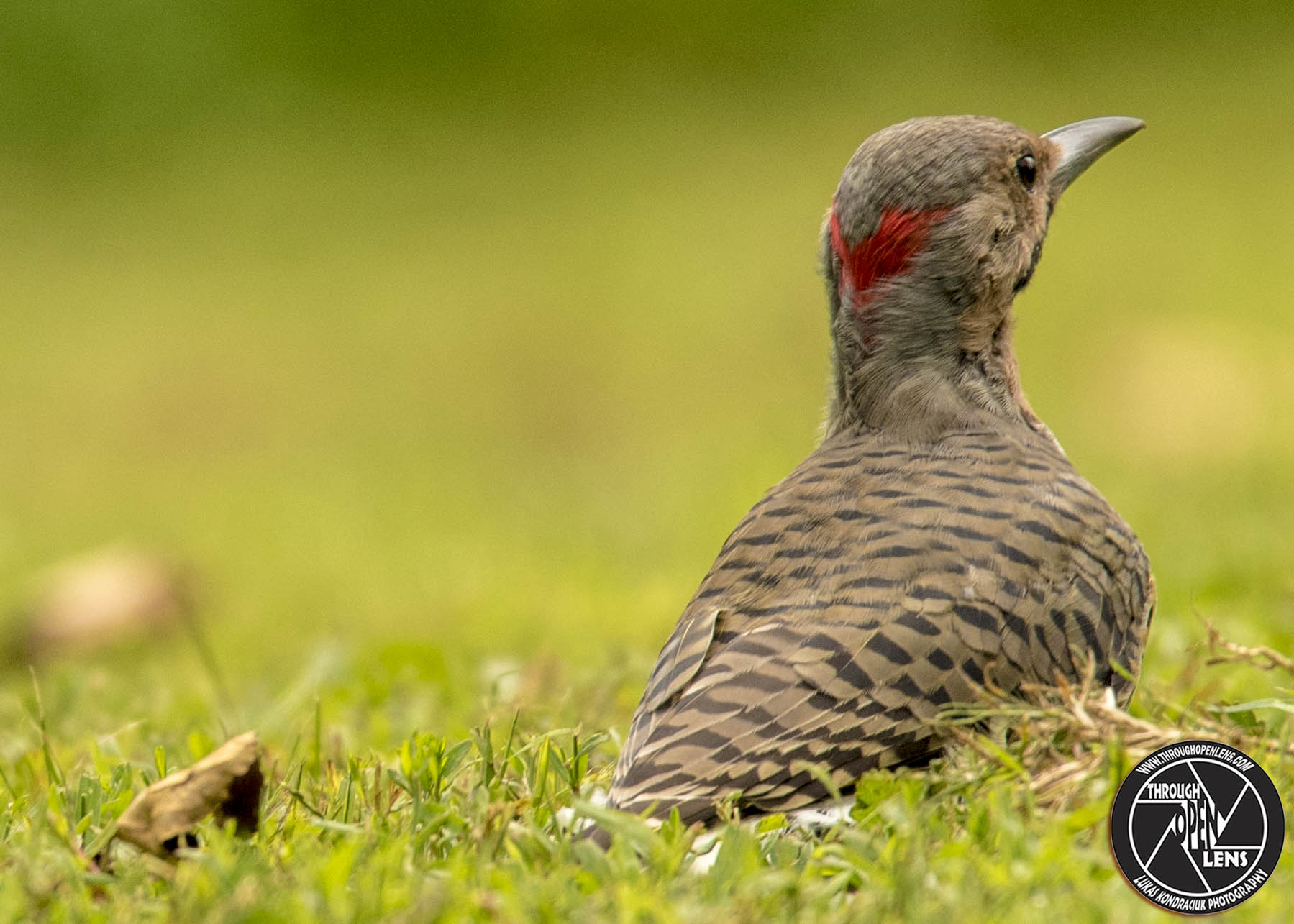
Northern Flicker

What can you hold without ever touching it?

A conversation.

Interesting Fact: The red-shafted and yellow-shafted forms of the Northern Flicker formerly were considered different species. The two forms hybridize extensively in a wide zone from Alaska to the panhandle of Texas. A hybrid often has some traits from each of the two forms and some traits that are intermediate between them. The Red-shafted Flicker also hybridizes with the Gilded Flicker, but less frequently. ( https://www.allaboutbirds.org/guide/Northern_Flicker )

Peek A Boo, I See You!

F/7.1, 1/200, ISO 160.

Green Heron

Patient: “Doctor, I’ve broken my arm in several places”

Doctor: “Well don’t go to those places.”

Interesting Fact: Each breeding season, Green Herons pair up with one mate apiece, performing courtship displays that include stretching their necks, snapping their bills, flying with exaggerated flaps, and calling loudly. They often nest solitarily, although they may join colonies with other Green Herons or with other species. They defend breeding areas from each other and from birds like crows and grackles that prey on their nests. Other predators include snakes and raccoons. ( https://www.allaboutbirds.org/guide/Green_Heron/lifehistory )

Don’t Look At My Hole!

F/9.0, 1/320, ISO 160.

Hispaniolan Woodpecker

Why aren’t there any shark puppeteers?

They have no hands!

Interesting Fact: This woodpecker forages in small noisy groups; the diet is varied and includes insects, spiders, scorpions, lizards, fruit, seeds, grain and sap. It can catch flying insects on the wing, and larger food items are bashed on an “anvil” to break them up. ( https://en.wikipedia.org/wiki/Hispaniolan_woodpecker )

When Your Past Calls Don’t Answer. It Has Noting New To Say.

F/8.0, 1/250, ISO 400.

Northern Flicker

What do you call a bear with no socks on?

Bare-foot.

Interesting Fact: Northern Flickers generally nest in holes in trees like other woodpeckers. Occasionally, they’ve been found nesting in old, earthen burrows vacated by Belted Kingfishers or Bank Swallows. ( https://www.allaboutbirds.org/guide/Northern_Flicker )

Stay Out Of My Territory!

F/10.0, 1/400, ISO 250.

Marsh Wren

What animal has the best sense of time?

A Watchdog!

Interesting Fact: The secret life of the Marsh Wren plays out under the cover of reeds. Here, males routinely mate with 2 or more females and build at least 6 dummy nests for every female they mate with. One male built 22 nests on his territory. ( https://www.allaboutbirds.org/guide/Marsh_Wren

I Wish Exerciseing Was As Easy As Eating!

F/5.6, 1/2000, ISO 320.

Anna’s Hummingbird ( Female )

What do you call a crocodile that likes to bowl?

An Alley-Gator

Interesting Fact:  On rare occasions, bees and wasps may become impaled on the bill of an Anna’s Hummingbird, causing the bird to starve to death. ( https://www.allaboutbirds.org/guide/Annas_Hummingbird )

I’m Not Mean. You’re Just A Sissy!

F/7.1, 1/200, ISO 250.

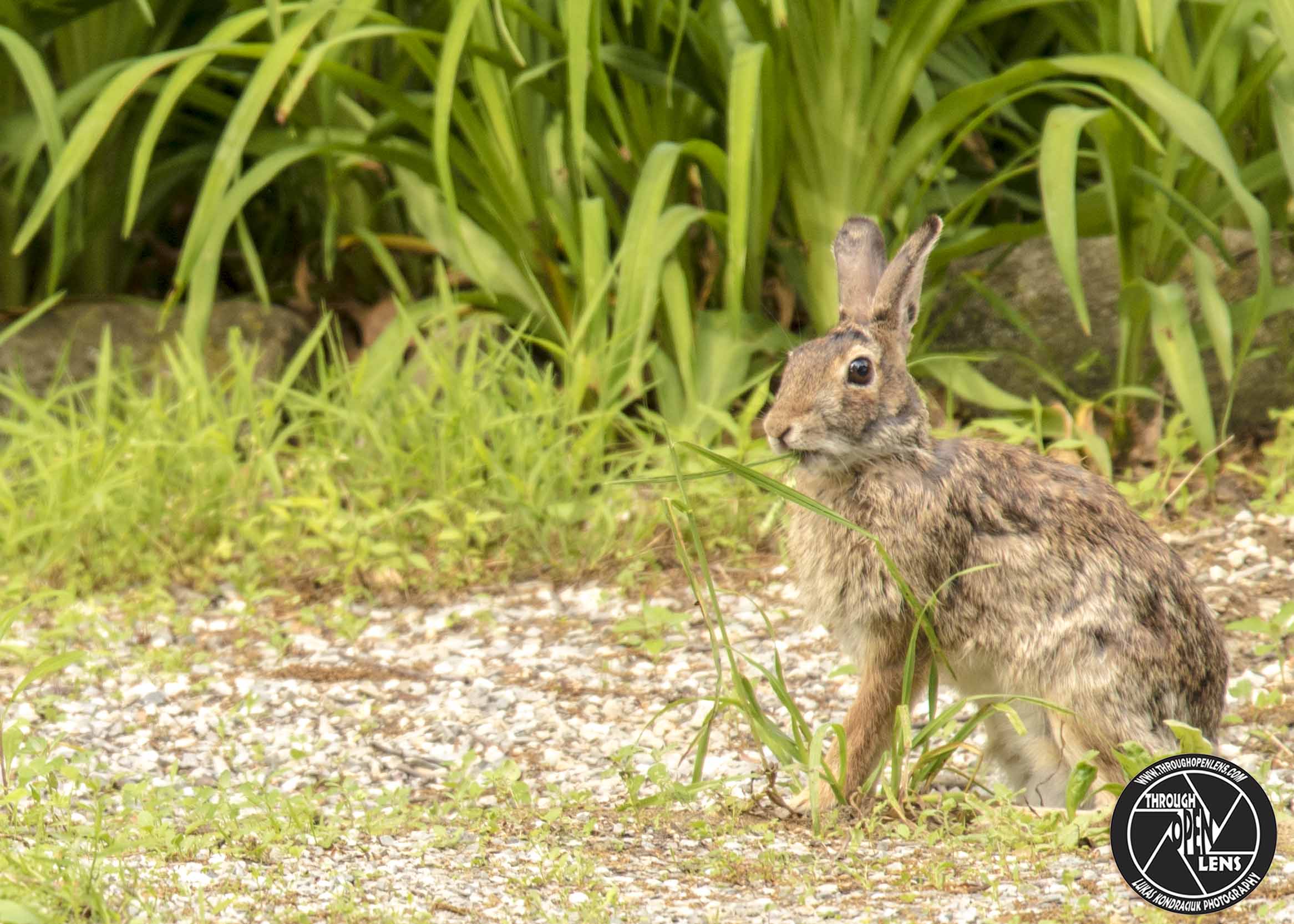
Eastern Cottontail Rabbit

What do rabbits say before they eat?

Lettuce pray.

Interesting Fact: Females give birth in shallow ground nests, to young so helpless that perhaps only 15 percent survive their first year. Fortunately, rabbits breed three or four times every year and produce three to eight young each time.  ( https://www.nationalgeographic.com/animals/mammals/e/eastern-cottontail-rabbit/ )

I Really Regret Eating Healthy Today… Said No-One Ever.

F/6.3, 1/100, ISO 320.

Brown-headed Cowbird

What did the stamp say to the envelope?

Stick with me and we will go places!

Interesting Fact: Brown-headed Cowbird lay eggs in the nests of more than 220 species of birds. Recent genetic analyses have shown that most individual females specialize on one particular host species. ( https://www.allaboutbirds.org/guide/Brown-headed_Cowbird/  )