I Don’t Have Grey Hair I Have Wisdom Highlights

F/10.0, 1/400, ISO 160.

Gray Kingbird

What’s the difference between in-laws and outlaws?

Outlaws are wanted.

Interesting Fact: The adult gray kingbird is an average-sized kingbird. It measures 23 cm (9.1 in) in length and weighs from 37 to 52 g (1.3 to 1.8 oz).[2] The upperparts are gray, with brownish wings and tail, and the underparts are white with a gray tinge to the chest. The head has a concealed yellow crown stripe, and a dusky mask through the eyes. The dark bill is heavier than that of the related, slightly smaller, tropical kingbird. The sexes are similar, but young birds have rufous edges on the wing coverts, rump and tail. ( https://en.wikipedia.org/wiki/Gray_kingbird )


Never Bend Your Head. Always Hold It High. Look The World Straight In The Eye.

F/10.0, 1/400, ISO 320.

Curve-billed Thrasher

A wife says, “Hey! Look at that funny guy whose been drinking a lot.”

The husband responds, “Who is he?”

The wife answers, “Well, five years ago, he was my boyfriend and I denied him for marriage.”

The husband says, “Oh my God! He’s still celebrating his freedom!”

Interesting Fact: The Curve-billed Thrasher that lives in the Sonoran Desert of Arizona and northwestern Mexico looks different than the form that lives in the Chihuahuan Desert of Texas and central Mexico, and they may be separate species. The Texas and eastern bird has a lighter breast, more contrasting spots, pale wingbars, and white tail corners. The more western form has a grayer breast with less obvious spots, inconspicuous wingbars, and smaller, more grayish tail corners. ( https://www.allaboutbirds.org/guide/Curve-billed_Thrasher/lifehistory )

TAIL Me What You Think?

F/8.0, 1/250, ISO 200.

Great-tailed Grackle

Why did Frosty the snowman want a divorce?

Because he thought his wife was a flake

Interesting Fact: In winter, enormous flocks of both male and female Great-tailed Grackles gather in “roost trees.” These winter roosts can contain thousands of individuals, with flocks of up to half a million occurring in sugarcane fields in Texas’s Rio Grande Valley. (  https://www.allaboutbirds.org/guide/Great-tailed_Grackle/overview  )

Caution Chicks At Play! 

F/5.6, 1/1000, ISO 200.

Wild Turkeys Chicks

What did the mama turkey say to her naughty son?

If your papa could see you now, he’d turn over in his gravy!

Interesting Fact: Male Wild Turkeys provide no parental care. Newly hatched chicks follow the female, who feeds them for a few days until they learn to find food on their own. As the chicks grow, they band into groups composed of several hens and their broods. Winter groups sometimes exceed 200 turkeys. ( https://www.allaboutbirds.org/guide/Wild_Turkey/lifehistory )

Check Out Deez Nuts!

F/6.3, 1/80, ISO 400. 

Downy Woodpecker

What is the difference between beer nuts and deer nuts?

Beer nuts cost a buck twenty-five. Deer nuts are under a buck!

Interesting Fact: Downy Woodpeckers eat mainly insects, including beetle larvae that live inside wood or tree bark as well as ants and caterpillars. They eat pest insects including corn earworm, tent caterpillars, bark beetles, and apple borers. About a quarter of their diet consists of plant material, particularly berries, acorns, and grains. ( https://www.allaboutbirds.org/guide/Downy_Woodpecker/lifehistory )

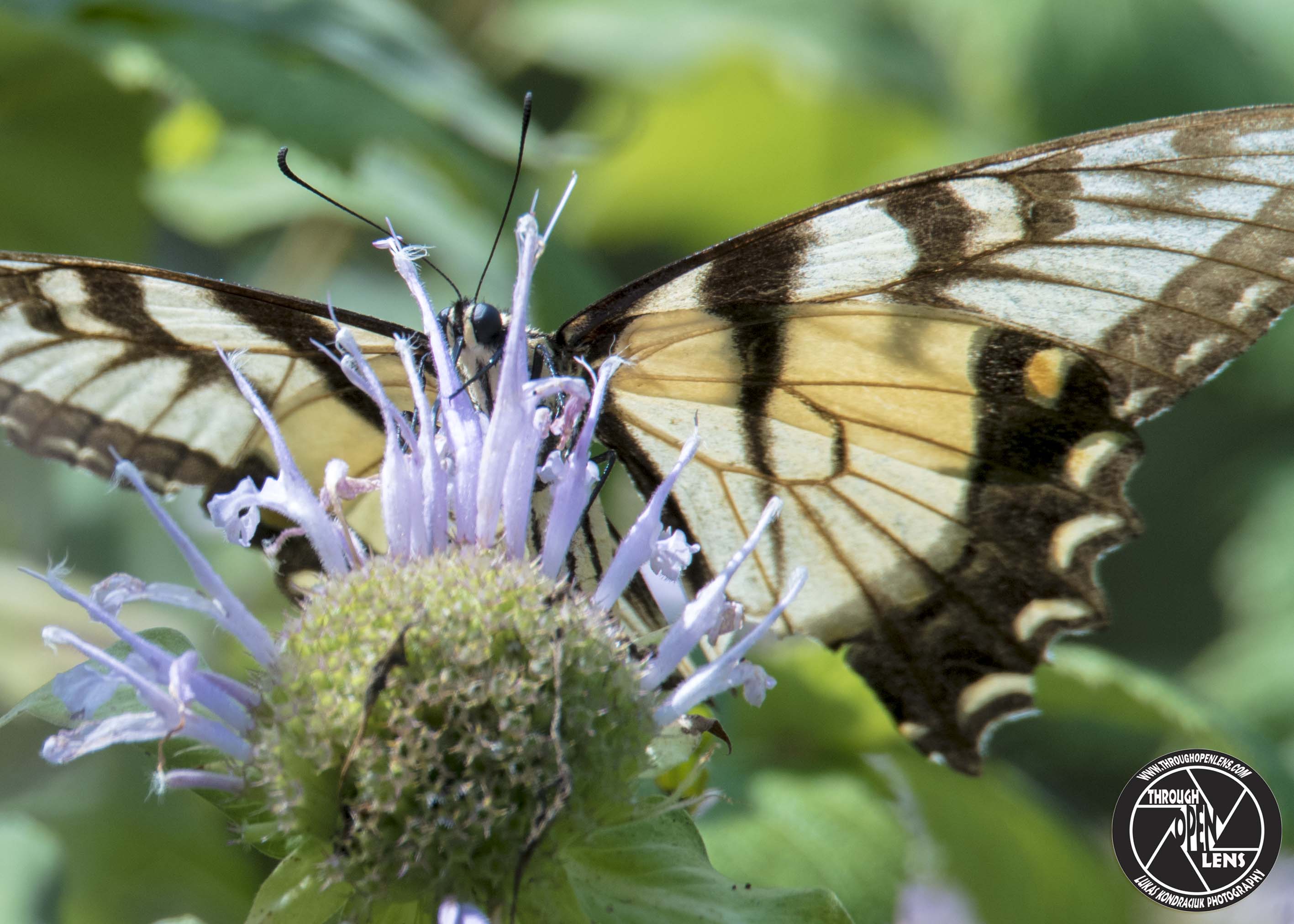
I Don’t Have A Short Attention Span, I Just… Oh, Look A Butterfly!

F/9.0, 1/320, ISO 250.

Butterfly

Why was the broom late?

It over swept!

Interesting Fact: Butterflies in their adult stage can live from a week to nearly a year depending on the species. Many species have long larval life stages while others can remain dormant in their pupal or egg stages and thereby survive winters.[30] The Melissa Arctic (Oeneis melissa) overwinters twice as a caterpillar.[31] Butterflies may have one or more broods per year. The number of generations per year varies from temperate to tropical regions with tropical regions showing a trend towards multivoltinism. ( https://en.wikipedia.org/wiki/Butterfly )


The Awkward Moment When You’re In Deep Thought, Then Realize You’re Staring Directly at Someone…

F/11.0, 1/500, ISO 400.

Ring-billed Gull 

Two guys are talking:

Guy 1: I’m on a .

Guy 2: Really.

Guy 1: I’ve lost three days already.

Interesting Fact: Some Ring-billed Gull nests at study sites in California and Oregon contained pebbles the size and shape of gull eggs. The parents apparently pulled the pebbles into their nests from the surrounding ground, mistaking them for eggs gone astray. ( https://www.allaboutbirds.org/guide/Ring-billed_Gull/lifehistory )


I Have Chills All Over My Body.

F/10.0, 1/400, ISO 320.

Red-winged Blackbird

Which runs faster, hot or cold?

Hot. Everyone can catch cold.

One California subspecies of the Red-winged Blackbird lacks the yellow borders to the red shoulders (epaulets) and has been dubbed the “bicolored blackbird.” Some scientists think this plumage difference may help Red-winged Blackbirds recognize each other where their range overlaps with the similar Tricolored Blackbird. ( https://www.allaboutbirds.org/guide/Red-winged_Blackbird/lifehistory )


Lifeguards Are On Duty, Try Not To Die!

F/8.0, 1/250, ISO 200.

Turkey Vultures

What did the hot dog say after the race?

I’m a winer!

Interesting Fact: Turkey Vultures eat carrion, which they find largely by their excellent sense of smell. Mostly they eat mammals but are not above snacking on reptiles, other birds, amphibians, fish, and even invertebrates. They prefer freshly dead animals, but often have to wait for their meal to soften in order to pierce the skin. They are deft foragers, targeting the softest bits first and are even known to leave aside the scent glands of dead skunks. ( https://www.allaboutbirds.org/guide/Turkey_Vulture/lifehistory )

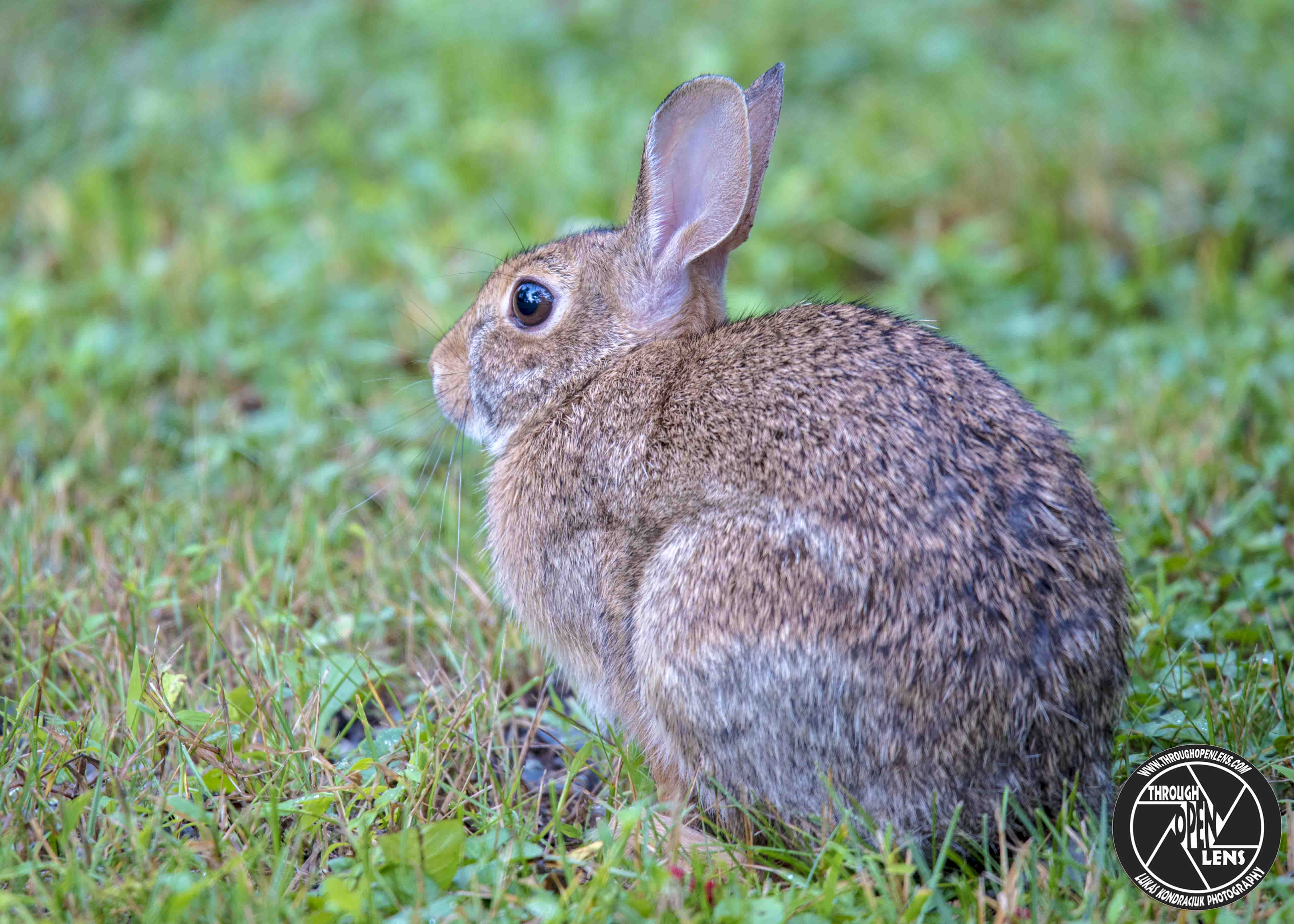
I Said A Hip Hop The Hippity To The Hip Hip Hop!

F/6.3, 1/100, ISO 400.

Eastern Cottontail Rabbit

Teacher:  Why are you late?

Student:  Because of the sign.

Teacher:  What sign?

Student:  The one that says, “School Ahead, Go Slow. ”  That’s what I did.

Interesting Fact: Eastern Cottontail Rabbit When chased, it runs in a zigzag pattern, running up to 18 mph (29 km/h). ( https://en.wikipedia.org/wiki/Eastern_cottontail )