Keep Your Beak Clean

F/9.0, 1/320, ISO 640.

Ruddy Duck

Can your mother predict the future with cards?

Yes! She takes one look at my report card and tells me what will happen when my father gets home.

Interesting Fact: The nest is usually made of dead, dry plant materials, though some are built entirely with green vegetation. It starts as a platform and becomes more bowl-like throughout the construction process, with an inner cup measuring 4–12 inches across and 0.5–5 inches deep. Ruddy Ducks usually weave a canopy of vegetation over their nests. ( https://www.allaboutbirds.org/guide/Ruddy_Duck/lifehistory )

 

I’m Watching You!

F/11.0, 1/500, ISO 400.

Red-tailed Hawk

What’s the difference between the dinosaur and a dragon?

Dinosaurs are too young to SMOKE!

Interesting Fact: Red-tailed Hawks have been seen hunting as a pair, guarding opposite sides of the same tree to catch tree squirrels. ( https://www.allaboutbirds.org/guide/Red-tailed_Hawk/overview )

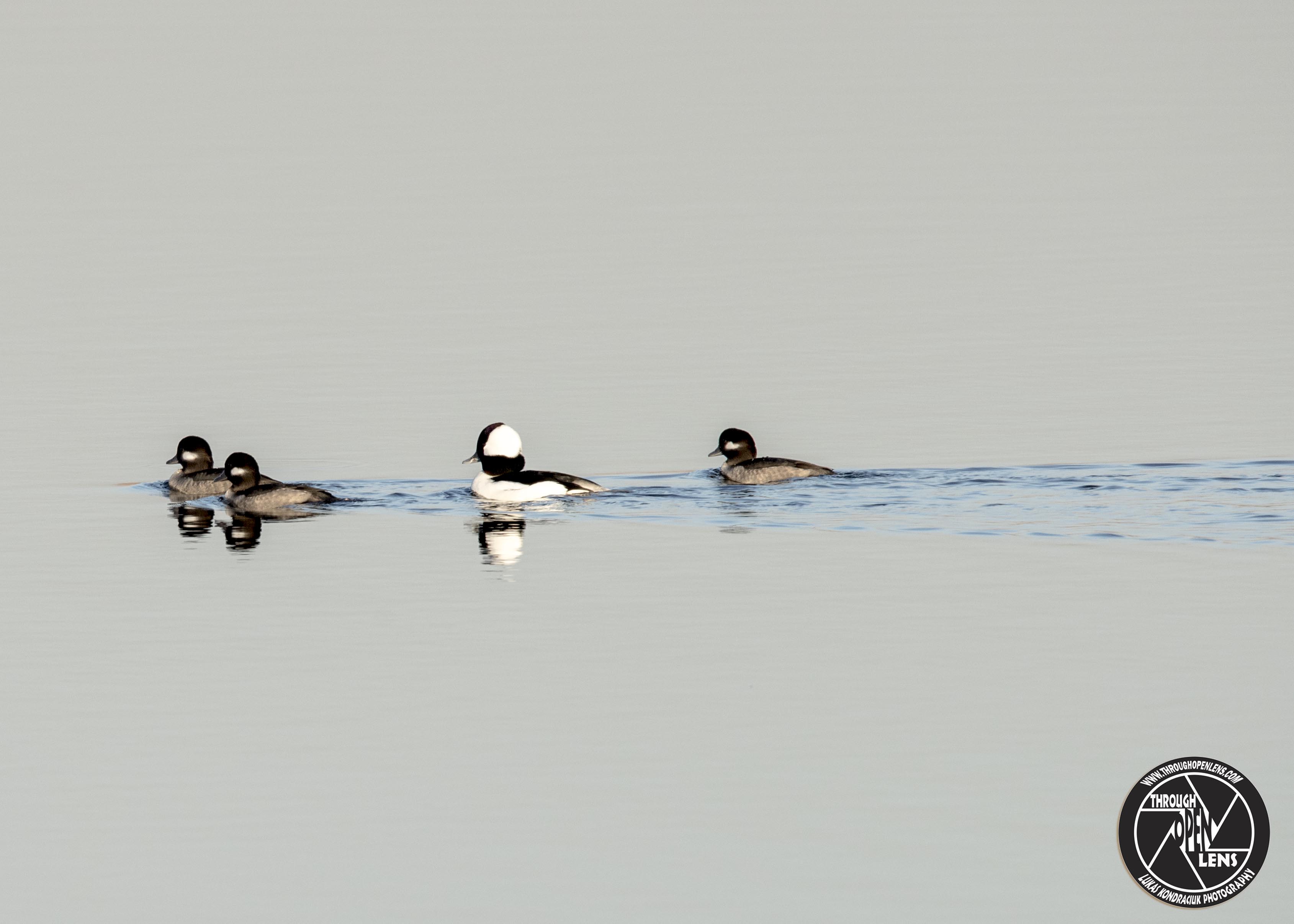
That Is How I Roll!

F/10.0, 1/400, ISO 400.

Bufflehead Ducks

What happened when the lion ate the comedian?

He felt funny!

Interesting Fact: When a pair of Buffleheads intrudes into a nearby territory, the male that owns the territory often chases the intruding female and her mate follows them in hot pursuit. Males leave their mates during incubation in order to molt, but return to the same mate multiple years in a row (one of the few duck species in which this is true). ( https://www.allaboutbirds.org/guide/Bufflehead/lifehistory )


How Is My Posture?

F/6.3, 1/125, ISO 320.

Ruby-crowned Kinglet 

Why did the skeleton go to the BBQ?

To get some spare ribs!

Interesting Fact:  Breeding pairs of Ruby-Crowned Kinglets stay together for two months, until their chicks fledge. Ruby-Crowned Kinglets use their long, bubbly, and amazingly loud songs to establish territories; this is more energy efficient than chasing and less dangerous than fighting. They can be recognized by a constant flicking of their wings. ( https://www.allaboutbirds.org/guide/Ruby-crowned_Kinglet/lifehistory )


The Juice Is Worth The Squeeze!

F/11.0, 1/500, ISO 320.

House Finch

What do you call a fake noodle?

An impasta.

Interesting Fact: A highly social bird, the House Finch is rarely seen alone outside of the breeding season, and may form flocks as large as several hundred birds. House Finches feed mainly on the ground or at feeders or fruiting trees. At rest, they commonly perch on the highest point available in a tree, and flocks often perch on power lines. ( https://www.allaboutbirds.org/guide/House_Finch/lifehistory )

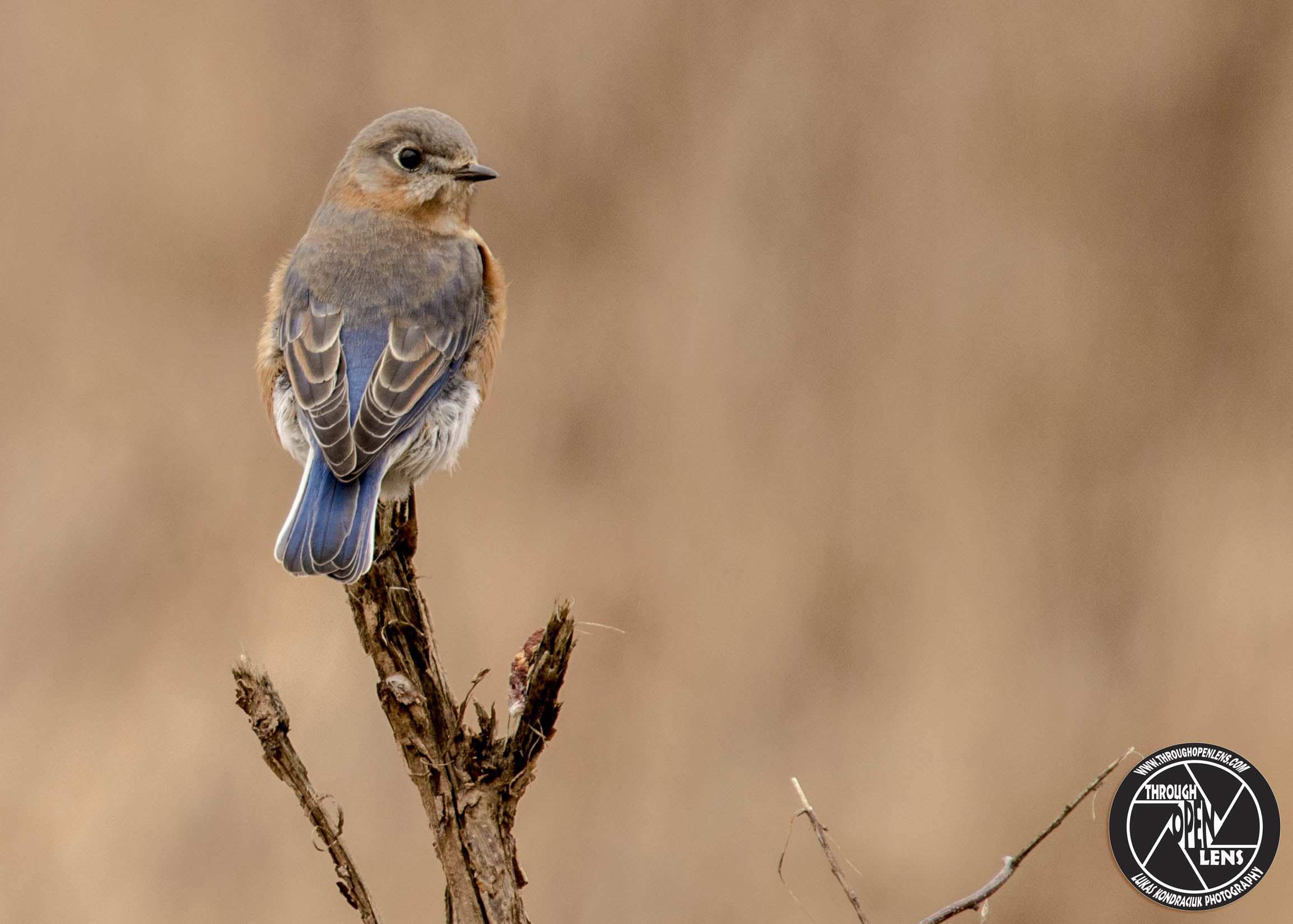
You’re My Boy Blue!

F/7.1, 1/200, ISO 400.

Eastern Bluebird

Why don’t they play poker in the jungle?

Too many cheetahs.

Interesting Fact: This small, brightly colored thrush typically perches on wires and fence posts overlooking open fields. The birds forage by fluttering to the ground to grab an insect, or occasionally by catching an insect in midair. Bluebirds can sight their tiny prey items from 60 feet or more away. They fly fairly low to the ground, and with a fast but irregular pattern to their wingbeats. ( https://www.allaboutbirds.org/guide/Eastern_Bluebird/lifehistory )


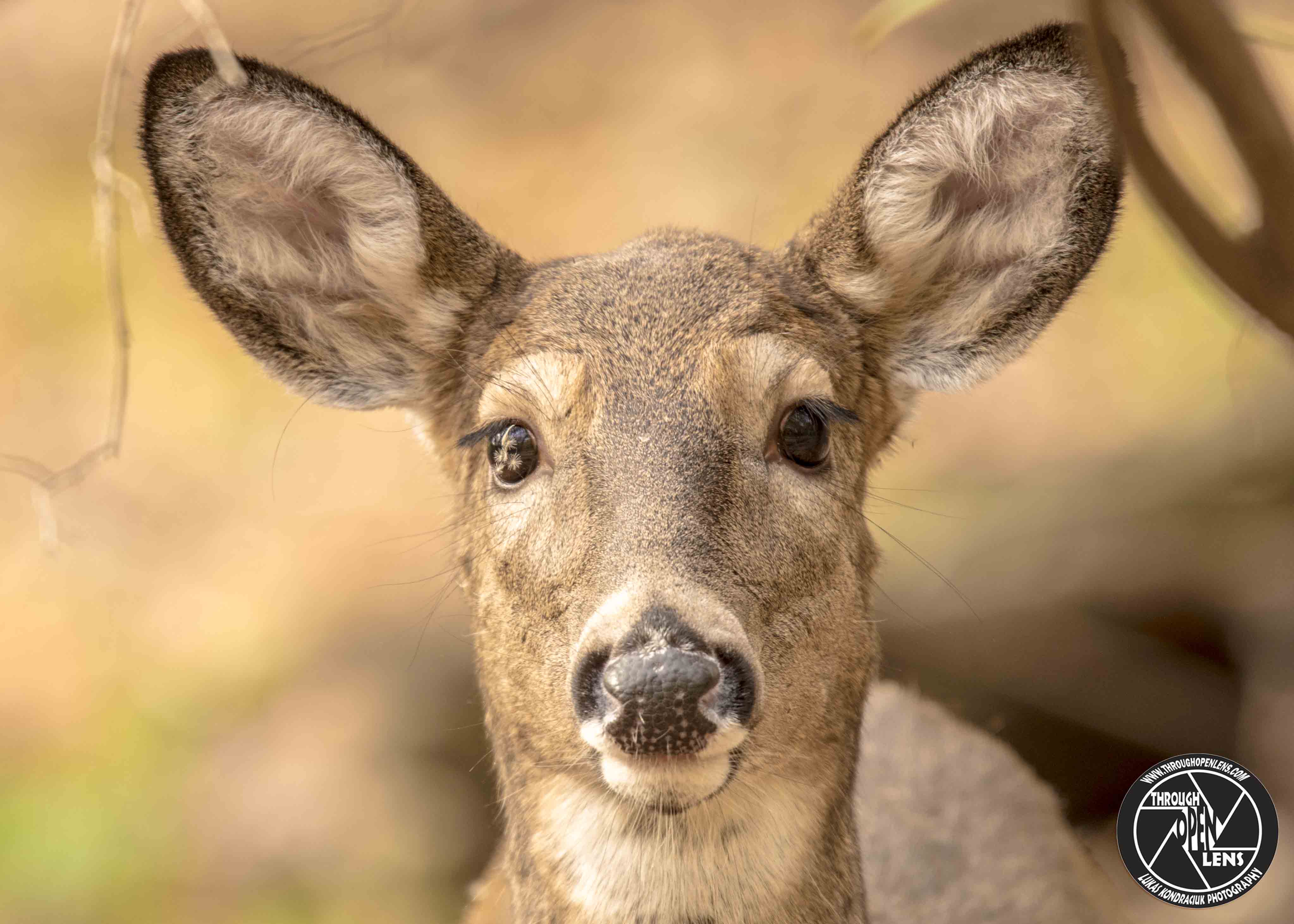
Buck Off!

F/6.3, 1/125, ISO 640.

White-Tailed Deer

I give a dead battery away today…

Free of charge!

Interesting Fact: Males regrow their antlers every year. About one in 10,000 females also has antlers, although this is usually associated with freemartinism.https://en.wikipedia.org/wiki/White-tailed_deer

I Claim This Rock!

F/5.6, 1/250, ISO 800.

Muskrat

Why did the cookie go to the hospital?

He felt crummy!

Interesting Fact: Muskrats are most active at night or near dawn and dusk. They feed on cattails and other aquatic vegetation. They do not store food for the winter, but sometimes eat the insides of their push-ups. While they may appear to steal food beavers have stored, more seemingly cooperative partnerships with beavers exist, as featured in the BBC David Attenborough wildlife documentary The Life of Mammals.[22][23] Plant materials compose about 95% of their diets, but they also eat small animals, such as freshwater mussels, frogs, crayfish, fish, and small turtles.[5][6] Muskrats follow trails they make in swamps and ponds. When the water freezes, they continue to follow their trails under the ice. ( https://en.wikipedia.org/wiki/Muskrat#Behavior )

Giggity, Giggity, Quack!

F/11.0, 1/500, ISO 500.

Ruddy Duck

What did the calculator say to the cashier?

You can count on me.

Interesting Fact:  Most males pair up with one female each for the duration of the breeding season, but some take multiple mates. Their eggs are proportionally the largest of all waterfowl. The ducklings hatch well-developed and active, receiving minimal care from the mother and none from the father. ( https://www.allaboutbirds.org/guide/Ruddy_Duck/lifehistory )

Hi I Exist!

F/6.3, 1/80, ISO400.

White-Tailed Deer

Who won the skeleton beauty contest?

Nobody.

Interesting Fact: The conversion of land adjacent to the Canadian Rockies into agriculture use and partial clear-cutting of coniferous trees (resulting in widespread deciduous vegetation) has been favorable to the white-tailed deer and has pushed its distribution to as far north as Yukon. Populations of deer around the Great Lakes have also expanded their range northwards, due to conversion of land to agricultural uses favoring more deciduous vegetation, and local caribou and moose populations. The westernmost population of the species, known as the Columbian white-tailed deer, once was widespread in the mixed forests along the Willamette and Cowlitz River valleys of western Oregon and southwestern Washington, but today its numbers have been considerably reduced, and it is classified as near-threatened. This population is separated from other white-tailed deer populations. ( https://en.wikipedia.org/wiki/White-tailed_deer )